
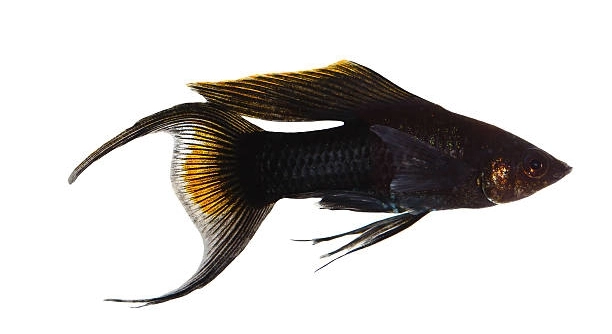
Black Molly fish are a popular choice for home aquariums due to their striking color and lively nature. Many owners enjoy watching them swim, but sometimes these fish exhibit unusual circular swimming patterns that can be concerning.
Black Mollies swimming in circles is often a result of stress, water quality issues, or internal health problems. Poor tank conditions, unbalanced diet, parasites, or swim bladder disorders can all contribute to this behavior and should be addressed promptly.
Understanding why your Black Molly swims in circles will help you create a healthier environment and ensure your fish remain active, happy, and well-cared for in your aquarium.
Stress and Overcrowding
Black Mollies can become stressed when their tank is overcrowded or lacks proper hiding spaces. Stress often manifests in unusual behaviors, including swimming in tight circles. Providing enough space is essential, as these fish need room to move freely. Overcrowding increases competition for food and oxygen, which can worsen their health. Stress weakens the immune system, making them more prone to infections and swim bladder issues. Observing the tank regularly allows you to notice changes in behavior early. Ensuring the right number of fish per gallon and adding decorations or plants for shelter can significantly reduce stress. Maintaining consistent water temperature and avoiding sudden changes also helps Mollies feel secure. Small adjustments in tank setup and careful monitoring can make a noticeable difference in their activity levels and overall well-being.
Overcrowding and stress are easily overlooked but directly impact a Black Molly’s swimming patterns. Providing adequate space and calm conditions is key.
Creating a balanced environment with proper fish density and natural hiding spots helps reduce stress-induced swimming in circles. Regular observation, careful feeding, and stable water conditions maintain calm, active behavior. Avoid sudden tank changes and limit disturbances to help Mollies feel secure. Adding plants or decorations offers shelter, while monitoring water quality prevents issues that could increase stress. Stress management improves immunity and reduces repetitive or erratic swimming patterns.
Poor Water Quality
Dirty or unbalanced water can cause Black Mollies to swim in circles. High ammonia, nitrite, or nitrate levels irritate the fish and affect their balance. Regular water testing is essential to maintain proper conditions. Even minor fluctuations in pH or hardness can impact their behavior. Mollies are sensitive to toxins, and prolonged exposure can lead to serious health issues. Cleaning the tank, performing partial water changes, and using a quality filtration system help maintain a stable environment. Keeping the water temperature within the recommended range ensures comfort. Observation for unusual swimming or lethargy is a simple way to detect water problems early. Avoid overcrowding, overfeeding, and stagnant areas to reduce harmful buildup. With consistent care, water quality can be controlled effectively.
Consistently monitoring water parameters and performing partial changes prevents imbalances that cause circular swimming.
Proper water management involves testing levels, cleaning regularly, and adjusting conditions to suit Black Mollies. Use filters, partial changes, and stable temperatures to maintain health. Avoid overfeeding to prevent waste accumulation. Mollies respond quickly to improved water, returning to normal swimming patterns. Creating a calm, clean environment reduces stress and supports digestion, growth, and immune function. Adding live plants can help stabilize pH and provide shelter, while gentle aeration improves oxygenation. Consistent water care ensures your fish remain active, balanced, and less prone to erratic swimming caused by environmental stressors or toxins.
Swim Bladder Disorders
Swim bladder disorders affect a Black Molly’s ability to control buoyancy, causing it to swim in circles or struggle to stay upright. This can result from infections, constipation, or genetic issues. Treating the underlying cause often restores normal swimming behavior.
Diet plays a major role in swim bladder health. Overfeeding or feeding improper foods can cause constipation, leading to swim bladder problems. Switching to high-quality pellets, occasionally feeding blanched vegetables, and fasting for a day can relieve pressure on the swim bladder. Bacterial infections may require medication prescribed for aquarium use. Observing how your fish swims and floats helps identify the problem early. Providing a clean, stress-free environment also aids recovery and prevents recurring issues.
Adjusting tank setup can help Mollies with mild swim bladder problems. Raising or lowering water levels, ensuring gentle currents, and monitoring temperature can improve their swimming ability. Avoid sudden changes that could stress the fish further. Maintaining good water quality, balanced nutrition, and stable conditions supports overall health. Some cases resolve quickly, while others require consistent care over several weeks. Keeping a close eye on behavior ensures that corrective measures are working and prevents further complications.
Parasites and Infections
Parasites and bacterial infections can irritate Mollies and disrupt swimming patterns. Circling may indicate a health issue requiring immediate attention.
External parasites like ich or flukes attach to the skin and gills, causing discomfort and erratic swimming. Internal parasites may affect digestion or buoyancy, leading to spinning behavior. Quarantining affected fish and treating them with appropriate medications prevents the spread to other tank mates. Maintaining tank hygiene, proper diet, and stable water conditions reduces susceptibility to infections. Observing for white spots, unusual slime, or rapid gill movement helps detect problems early, allowing timely treatment and minimizing long-term damage.
Identifying parasites early allows targeted treatment that restores normal swimming. Clean tanks, quarantining new fish, and proper nutrition reduce risks. External treatments remove visible parasites, while internal infections may require medication over several days. Monitoring fish behavior during treatment ensures recovery is effective. Regular observation, consistent water changes, and maintaining ideal temperature and pH levels support immune function and prevent future outbreaks. Early intervention is critical to prevent stress, illness, and further swimming abnormalities caused by untreated infections.
Poor Diet
An unbalanced diet can cause digestive issues in Black Mollies, leading to swimming in circles. Feeding only flakes or low-quality food may result in constipation or nutrient deficiencies, affecting buoyancy and overall health.
Including a variety of high-quality pellets, frozen or live foods, and occasional vegetables helps maintain proper digestion. A balanced diet prevents swim bladder problems and supports energy levels.
Temperature Fluctuations
Sudden changes in water temperature can stress Black Mollies. Rapid cooling or heating disrupts metabolism and swimming behavior, sometimes causing tight circular swimming. Maintaining a stable, appropriate temperature range ensures comfort and normal activity.
Temperature should remain consistent within the ideal range for Black Mollies, typically between 74–82°F (23–28°C). Using a reliable heater and thermometer helps monitor and maintain stability. Fluctuations can weaken the immune system, making them more prone to infections and other health issues. Keeping the tank environment stable supports normal swimming patterns and overall well-being.
Genetic Factors
Some Black Mollies may have inherited swim bladder or skeletal issues. These genetic traits can cause circular swimming regardless of environment, diet, or water quality.
Monitoring their behavior helps determine if genetics may be influencing persistent swimming patterns.
FAQ
Why is my Black Molly swimming in circles?
Black Mollies swim in circles for several reasons, including stress, poor water quality, swim bladder disorders, parasites, infections, or dietary issues. Overcrowding, sudden temperature changes, and genetic problems can also affect their balance and behavior. Identifying the cause quickly is important to prevent long-term health problems. Observing other signs, such as loss of appetite, lethargy, or unusual markings, helps pinpoint the issue. Maintaining a clean tank, proper diet, and stable environment often resolves minor behavior problems.
How can I fix swim bladder issues in my Molly?
Swim bladder problems often result from constipation, infection, or injury. Feeding high-quality pellets, blanched vegetables, and fasting for one day can help relieve constipation. Bacterial infections may require appropriate aquarium medication. Ensuring stable water temperature, gentle currents, and a calm environment supports recovery. Regular observation of swimming patterns and buoyancy is important to monitor improvement.
Can stress really make my Black Molly swim in circles?
Yes, stress is a common cause. Stress arises from overcrowding, lack of hiding spots, aggressive tank mates, or sudden changes in water conditions. Stress weakens immunity and can trigger erratic swimming. Providing ample space, decorations, and calm surroundings helps Mollies feel secure. Avoid rapid water changes or excessive disturbances during feeding or maintenance.
How do I improve water quality for my fish?
Regular water testing for ammonia, nitrite, nitrate, pH, and hardness is essential. Partial water changes, quality filtration, and avoiding overfeeding maintain stable conditions. Temperature control and aeration support comfort and oxygen levels. Clean gravel, remove uneaten food, and monitor plant decay to reduce toxins. Proper water management prevents behavioral problems like circling.
Could parasites cause this behavior?
Yes, external parasites like ich or flukes irritate the skin and gills, while internal parasites affect digestion or buoyancy. Circling, rubbing against surfaces, rapid gill movement, or white spots can indicate infection. Quarantine and appropriate treatment prevent spread to other tank mates. Maintaining tank hygiene lowers infection risks.
Is diet really that important?
A balanced diet is critical. Feeding only flakes or low-quality food can lead to constipation, swim bladder issues, and nutrient deficiencies. A varied diet including pellets, frozen or live foods, and occasional vegetables keeps Mollies healthy and reduces erratic swimming. Overfeeding should be avoided to prevent digestive stress.
Are temperature changes harmful to Black Mollies?
Yes, sudden drops or spikes in temperature can stress Mollies, disrupt metabolism, and affect swimming behavior. Keeping water within the ideal range of 74–82°F (23–28°C) is essential. Using a reliable heater, thermometer, and avoiding drafts ensures stability. Gradual acclimation when introducing new fish prevents stress.
Could genetics be causing my Molly to swim in circles?
Some Mollies inherit swim bladder or skeletal defects that affect swimming. If behavior persists despite ideal conditions, genetics may be involved. Monitoring their activity and comparing with other fish can help determine if this is a natural limitation.
How long does it take for a Molly to recover?
Recovery depends on the cause. Minor stress or dietary issues can improve within days, while infections or swim bladder problems may take weeks. Consistent care, water quality, diet, and observation are key. Patience and attention ensure the fish returns to normal swimming patterns.
When should I see a vet?
If the circling persists, fish shows severe lethargy, loses appetite, or displays physical signs like bloating or spots, professional advice is recommended. Early intervention can prevent complications and improve recovery chances. Veterinary guidance is important for infections or severe swim bladder disorders.
Can changing tank setup help?
Yes, adjusting tank size, adding plants, or creating hiding spots reduces stress. Gentle water flow, consistent temperature, and stable conditions support healthy swimming. Observing behavior after changes indicates whether modifications are effective. These small adjustments can significantly improve comfort and activity levels.
Are circular swimming patterns dangerous?
Occasional circling is usually not harmful, but persistent patterns indicate health or environmental issues. Ignoring it may worsen swim bladder disorders, infections, or stress-related problems. Addressing causes early ensures safety and maintains overall well-being. Regular observation and care are essential.
Can I prevent circling behavior in the future?
Prevention focuses on maintaining clean water, stable temperature, proper diet, adequate space, and minimal stress. Quarantining new fish, monitoring for parasites, and providing hiding spots help keep Mollies healthy. Consistent care minimizes risks and keeps swimming patterns normal.
Will my other fish be affected?
Yes, stress, parasites, or poor water quality can affect tank mates. Monitoring the whole aquarium and addressing the source quickly prevents widespread problems. Maintaining balanced conditions protects all inhabitants.
Are there natural remedies for swim bladder or stress issues?
Diet adjustments, fasting, adding peas or blanched vegetables, and creating calm environments help naturally. Maintaining water quality, stable temperature, and hiding spots also reduce stress. These measures support recovery and prevent future problems without medication when issues are mild.
How often should I monitor my Mollies?
Daily observation is ideal. Watching for swimming patterns, appetite, gill movement, and physical appearance allows early detection of issues. Frequent checks combined with regular water testing and maintenance ensure long-term health and prevent persistent circling.
What if behavior returns after treatment?
Reevaluate tank conditions, diet, and stress factors. Persistent circling may indicate chronic swim bladder issues, infections, or genetic traits. Continuing proper care, consulting a vet if necessary, and monitoring closely help manage recurring behavior effectively.
Can other decorations or plants make a difference?
Yes, adding plants, caves, or hiding spots reduces stress and encourages natural movement. Mollies feel safer and more comfortable, which minimizes erratic swimming patterns. Observing how they interact with new setups helps identify effective arrangements.
Are there signs that indicate recovery?
Improved buoyancy, swimming straight, active feeding, and reduced circling indicate recovery. Mollies gradually return to normal activity levels as stress, infection, or dietary issues resolve. Continued monitoring ensures long-term well-being.
Is overfeeding harmful to swimming patterns?
Yes, overfeeding can cause constipation, swim bladder problems, and water quality issues. Feeding small, balanced meals and removing uneaten food prevents digestive stress and keeps swimming normal.
Do Mollies need special care compared to other fish?
They require stable water, proper diet, and sufficient space. Mollies are sensitive to temperature fluctuations and poor water quality. Consistent care, monitoring, and environment adjustments prevent stress and swimming irregularities.
How do I know if circling is serious?
Persistent, intense circling combined with lethargy, bloating, color changes, or rapid gill movement is serious. Immediate attention to water quality, diet, and potential infections is necessary to prevent long-term harm.
Can tank mates influence circling behavior?
Yes, aggressive or overly active tank mates can stress Mollies, triggering circling. Providing compatible companions and adequate space reduces competition and ensures calm swimming. Observing interactions helps maintain harmony in the aquarium.
What is the easiest way to improve swimming behavior quickly?
Addressing water quality, diet, temperature, and stress factors simultaneously often leads to rapid improvement. Minor changes like removing debris, adding hiding spots, or feeding a balanced diet help Mollies regain normal swimming patterns within days.
Are there long-term effects if circling continues?
Chronic circling can lead to stress, weakened immunity, slower growth, or more serious swim bladder and skeletal issues. Consistent care, proper environment, and early intervention prevent long-term complications and maintain overall health.
Can I combine treatments for diet, stress, and swim bladder issues?
Yes, addressing multiple causes together is often most effective. Adjust diet, stabilize water, reduce stress, and provide hiding spots simultaneously. Monitoring progress ensures treatments complement each other and restore normal swimming efficiently.
Is quarantining new fish necessary to prevent circling issues?
Yes, quarantining helps prevent the introduction of parasites, infections, or stress triggers. Observing new arrivals before adding them to the main tank protects the health and behavior of existing Black Mollies.
What role does observation play in preventing swimming problems?
Daily observation allows early detection of behavioral changes, infections, or environmental issues. Prompt action prevents minor problems from becoming serious and ensures healthy, normal swimming behavior.
How can I maintain a stress-free environment long-term?
Consistently clean the tank, provide hiding spots, monitor water quality, maintain temperature stability, and avoid overcrowding. Balanced diet and compatible tank mates reduce stress and support active, healthy swimming.
Are live plants better than artificial ones for reducing stress?
Live plants can stabilize pH, provide oxygen, and create natural hiding spots. They often improve overall tank conditions, making Mollies feel secure. Artificial plants help visually but may not provide the same environmental benefits.
What common mistakes should I avoid?
Overfeeding, overcrowding, sudden water changes, ignoring temperature fluctuations, and neglecting water testing are common mistakes. These issues can lead to circling, stress, and health problems. Regular maintenance and observation prevent mistakes.
Can black Mollies fully recover from persistent circling?
Yes, if addressed early and consistently. Stress reduction, proper diet, stable water conditions, and treatment for infections or swim bladder problems often restore normal swimming. Genetics or severe structural issues may limit complete recovery.
How do I know if my efforts are working?
Improved buoyancy, straight swimming, active feeding, and calm behavior indicate positive results. Gradual change over days or weeks shows that environmental adjustments, diet, and treatment are effective.
Is medication always necessary for circling Mollies?
Not always. Mild stress, diet issues, or minor swim bladder problems can resolve with environmental changes and balanced feeding. Medication is reserved for bacterial infections, parasites, or severe swim bladder disorders.
Can water hardness affect swimming?
Yes, extreme water hardness or soft water can stress Mollies. Maintaining recommended hardness levels supports buoyancy and overall health. Testing and adjusting water conditions prevent swimming irregularities.
Are there supplements that help Mollies recover?
Occasionally, vitamin-enriched foods or specialized aquarium supplements can aid recovery from dietary deficiencies. Balanced nutrition is usually sufficient for preventing swimming problems, but supplements may help if deficiencies are suspected.
How can I make feeding easier while preventing swim bladder issues?
Feed small, measured portions and vary food types. Remove uneaten food promptly. Blanched vegetables like peas occasionally help digestion and reduce swim bladder strain. Maintaining this routine prevents circling behavior caused by diet.
What is the best way to track behavior changes?
Keep a simple journal noting swimming patterns, appetite, water parameters, and tank changes. Comparing daily observations helps detect improvements or worsening conditions, guiding interventions for normal behavior.
Can multiple causes occur at the same time?
Yes, stress, poor water quality, diet, parasites, and swim bladder issues can overlap. Addressing all potential causes together improves recovery and reduces circling more effectively than targeting a single factor.
Should I separate affected Mollies from others?
If illness or parasites are suspected, quarantining the affected fish prevents spread and allows focused treatment. Separation also reduces stress from aggressive or curious tank mates.
How important is tank size in preventing circling?
Adequate tank size ensures proper swimming space, reduces stress, and lowers competition. A minimum of 20 gallons for a small group is recommended. More space supports active, healthy movement.
Are Black Mollies more prone to circling than other fish?
They are somewhat sensitive to stress, water changes, and dietary issues, which can make them more likely to swim in circles. Proper care minimizes these tendencies.
Can irregular lighting affect swimming?
Yes, sudden changes in light or constant bright light can stress Mollies. Maintaining a regular day-night cycle supports normal behavior and reduces erratic swimming.
Is filtration important for preventing circling?
Filtration keeps water clean, oxygenated, and balanced, preventing stress-related swimming issues. Proper filter flow also avoids strong currents that could overwhelm Mollies.
How can I combine observation and preventive care effectively?
Observe swimming patterns, appetite, and health daily while performing regular water tests, maintenance, and feeding routines. This combination allows early intervention and long-term prevention of circling behavior.
Are younger Mollies more susceptible?
Juveniles may be more sensitive to water changes, temperature fluctuations, and stress. Extra care in diet, environment, and observation helps prevent early swimming problems.
What is the role of aeration in swimming behavior?
Adequate aeration maintains oxygen levels, reducing stress and supporting buoyancy. Properly oxygenated water helps Mollies swim naturally and stay active.
Can social behavior affect circling?
Aggression or dominance among tank mates can stress some Mollies, triggering circling. Observing interactions and separating aggressive fish ensures calmer swimming patterns.
How often should I clean the tank to prevent circling?
Regular partial water changes weekly, along with substrate cleaning and filter maintenance, prevent toxins, reduce stress, and maintain healthy swimming patterns.
Are there signs that a problem is minor versus serious?
Minor problems involve occasional circling without other symptoms. Serious issues include persistent circling, lethargy, bloating, rapid gill movement, or color changes. Early recognition helps apply the correct solution.
Can behavior monitoring replace water testing?
No, observation is complementary. Swimming patterns indicate potential issues, but water testing identifies underlying causes such as ammonia spikes, pH imbalance, or hardness problems. Both are necessary for healthy Mollies.
Is it normal for Mollies to circle during feeding?
Brief circling while chasing food is normal. Persistent or continuous circling outside feeding times indicates stress, illness, or environmental problems that need attention.
How long should I quarantine new fish to prevent circling?
A minimum of two weeks is recommended. This allows time to observe for parasites, infections, or stress responses before introducing them to the main tank.
Are circular swimming patterns reversible?
Yes, with proper care, balanced diet, clean water, and stress reduction, most Mollies return to normal swimming. Genetics or severe damage may limit full recovery.
Can tank decorations influence swimming behavior?
Decorations create hiding spots and reduce stress. Plants, rocks, and caves help Mollies feel secure and minimize repetitive swimming caused by anxiety.
Should I adjust feeding frequency for stressed Mollies?
Yes, feeding smaller, controlled portions several times a day helps prevent constipation and swim bladder issues. Avoid overfeeding to reduce stress on their digestive system.
Do Mollies need different care in community tanks?
Yes, monitoring interactions, ensuring adequate space, and maintaining stable conditions are critical to prevent stress and circling behavior when housed with other species.
Can I combine natural remedies and medications safely?
Yes, combining dietary adjustments, fasting, hiding spots, and clean water with appropriate medications supports recovery. Monitor fish closely to avoid interactions or overdosing.
Are male and female Mollies equally prone to circling?
Both can be affected, but males may experience more stress from territorial disputes. Balanced tank conditions reduce these differences and prevent circling behavior.
Can water movement cause circling?
Strong currents can make Mollies swim in circles unintentionally. Gentle, consistent water flow ensures comfort and normal activity.
How do I know if my tank is overcrowded?
Signs include competition for food, stress behaviors, rapid swimming, and poor water quality. Adhering to proper fish-per-gallon ratios prevents overcrowding and associated circling behavior.
Is occasional circling always a problem?
Short, occasional circling is normal, especially during feeding or exploring. Persistent, repetitive circling is a sign of stress, illness, or environmental issues requiring attention.
Can seasonal changes affect swimming behavior?
Yes, seasonal temperature fluctuations, daylight changes, or maintenance routines can stress Mollies. Maintaining consistent conditions mitigates these effects.
Do Black Mollies need specialized lighting?
Moderate, consistent lighting supports normal behavior and reduces stress. Sudden bright light or constant darkness can cause erratic swimming.
What is the best way to recover a stressed Molly?
Provide stable water, clean tank, hiding spots, gentle feeding, and monitor behavior closely. Minor stress resolves quickly with proper care.
Can adding tank mates help or worsen circling?
Compatible, non-aggressive tank mates reduce boredom and stress. Aggressive or territorial fish can increase circling behavior and stress levels.
How can I track treatment effectiveness?
Monitor swimming patterns, appetite, color, and buoyancy daily. Improved behavior and energy indicate successful intervention.
Are Mollies prone to repeat circling after recovery?
If environmental, dietary, or stress issues return, circling may recur. Consistent care and monitoring reduce the likelihood of repetition.
Can I prevent genetic swimming issues?
Genetics cannot be changed, but proper care can reduce stress and help Mollies cope with inherited swim bladder or skeletal limitations.
Is water pH important for swimming?
Yes, extreme or fluctuating pH can stress Mollies. Keeping pH within the recommended range supports buoyancy and reduces circling behavior.
Can disease outbreaks trigger circling in multiple fish?
Yes, infections or parasites can spread, causing similar swimming problems in other tank mates. Prompt treatment and quarantine prevent outbreaks.
Are there signs that circling is environmental rather than health-related?
If multiple fish exhibit circling after water changes, temperature shifts, or tank modifications, the cause is likely environmental rather than illness.
How do I balance care between multiple causes?
Address diet, water quality, stress, parasites, and temperature together. Prioritize observation, gradual changes, and consistent maintenance for the best results.
Is long-term observation necessary after recovery?
Yes, monitoring behavior, water quality, and interactions ensures Mollies remain healthy and prevents recurrence of circling behavior.
Can seasonal plant growth in the tank affect swimming?
Overgrown plants can limit space and reduce water flow, potentially causing stress or restricted swimming. Regular trimming maintains freedom of movement.
Do Mollies need social interaction to swim properly?
Yes, they are social and benefit from compatible tank mates. Isolation may increase stress, while too many fish can cause overcrowding. Balance is key.
Is water hardness more important than pH?
Both are important. Hardness affects buoyancy and stress, while pH impacts overall health. Maintaining balanced levels supports normal swimming behavior.
Can adding salt help swim bladder issues?
Adding small amounts of aquarium salt can reduce stress and support recovery in some swim bladder cases. Follow dosage instructions carefully to avoid harm.
Should I reduce feeding during treatment for infections?
Yes, lighter feeding or fasting helps digestion and reduces stress while medication works. Resume normal feeding gradually after recovery.
Can irregular cleaning schedules affect swimming?
Yes, infrequent water changes allow toxins to build up, stressing Mollies and causing circling. Consistent cleaning prevents
Black Mollies are lively and engaging fish, but their behavior can sometimes be concerning. Swimming in circles is a sign that something in their environment or health may need attention. Many factors can contribute to this behavior, including stress, poor water quality, dietary issues, parasites, infections, or swim bladder problems. Overcrowding, sudden temperature changes, and even genetic traits can also play a role. Observing your Mollies regularly and paying attention to subtle changes in their swimming patterns is key to maintaining their well-being. By understanding the reasons behind circular swimming, you can make practical adjustments that improve their environment and overall health. These fish respond well to stable, clean, and calm conditions, so consistent care is crucial to reducing erratic behavior and promoting normal activity levels.
Maintaining a clean, balanced aquarium is one of the most effective ways to prevent swimming issues. Regular water testing for ammonia, nitrites, nitrates, pH, and hardness ensures the tank remains safe for Mollies. Partial water changes, a proper filtration system, and attention to temperature stability help create a comfortable habitat. Diet is equally important. Feeding a variety of high-quality pellets, live or frozen foods, and occasional vegetables supports digestion and reduces the risk of swim bladder disorders. Avoid overfeeding and remove uneaten food to prevent water quality problems. Providing hiding spots, plants, or decorations gives the fish a sense of security, reducing stress-related behaviors. Observing how your Mollies interact with the tank and with each other provides insight into potential issues before they worsen, allowing you to make small, effective changes to maintain a healthy environment.
Persistent circling should not be ignored, as it can indicate underlying health problems. Addressing the cause quickly, whether it is a dietary deficiency, infection, stress, or a swim bladder issue, improves recovery outcomes. In some cases, quarantine or medication may be necessary, especially for infections or parasite infestations. Patience and consistent care are important because recovery can take time, and environmental adjustments often show gradual results. Even when genetics are a factor, providing the best possible conditions can minimize the severity of circling. Keeping a close eye on behavior, maintaining proper water conditions, and ensuring a balanced diet all contribute to long-term health. By following these steps, you can help your Black Mollies remain active, healthy, and comfortable in their aquarium. Their well-being depends largely on careful observation, proactive care, and creating a stable, low-stress environment where they can swim freely and thrive.

Hello,
If you enjoy the content that we create, please consider saying a "Thank You!" by leaving a tip.
Every little bit helps us continue crafting quality advice that supports the health, happiness, and well-being of pets around the world, for pets of all shapes, sizes, and species.
We really appreciate the kindness and support that you show us!