
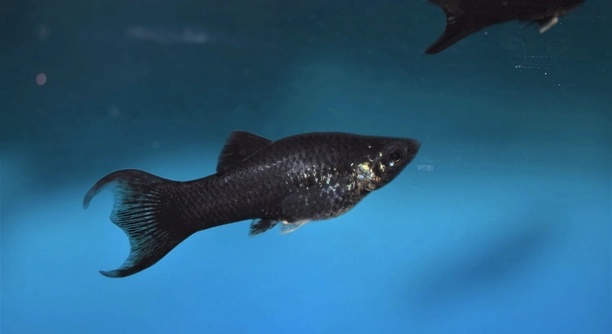
Are your black mollies showing dull colors or low energy due to issues in their tank’s gravel may be impactful than expected, especially when debris and waste build up and create an unhealthy aquatic environment.
Dirty gravel impacts black molly health by increasing toxin accumulation, reducing water clarity, and disrupting beneficial bacteria. These conditions stress the fish, weaken immune responses, and elevate disease risks, making proper substrate maintenance essential for sustaining supportive aquatic habitats overall.
Understanding how substrate cleanliness shapes molly behavior and health provides insight that supports healthier routines and a balanced aquatic space.
Effects on Water Quality
Dirty gravel alters the stability of the tank by allowing waste to settle and break down in ways that slowly pollute the water. As this debris accumulates, it releases harmful substances that place more pressure on your black mollies. Over time, this creates a space that feels heavy and uncomfortable for them, especially when oxygen levels shift and the water becomes cloudy. These changes might not look severe at first, but they steadily chip away at the comfort your fish depend on every day. Keeping the substrate clean supports a more peaceful setting that lets your mollies maintain their natural behavior and energy levels.
When debris remains trapped in the gravel, water parameters shift and become harder to manage, making the tank less stable for your mollies.
Clear water helps your fish thrive, and this stability offers them a gentle, consistent environment that keeps their behavior normal and their colors bright without unnecessary stress.
Impact on Fish Health
Dirty gravel exposes black mollies to stress that builds over time, making them more sensitive to sudden changes in their environment. Waste trapped beneath the surface releases unwanted substances that weaken their natural defenses. This affects their ability to stay strong, especially when conditions fluctuate more than usual. When this environment continues without care, your mollies may show changes in energy levels, appetite, and coloration. These signs often reflect deeper issues linked to poor substrate conditions. Maintaining clean gravel is not only about appearance, it is also about giving your fish a stable foundation that helps them stay active and comfortable.
When the gravel goes unmaintained, harmful bacteria and decaying materials increase, raising the chances of illness for your mollies. Ensuring better conditions through regular cleaning supports their ability to stay healthy, move naturally, and display brighter colors that show their overall well-being.
Behavioral Changes
Dirty gravel affects how black mollies interact with their surroundings, often leading to subtle shifts in their daily patterns. You may notice slower swimming, reduced curiosity, or less interaction with tank mates. These changes reflect the growing discomfort caused by an unclean substrate and the stress it brings.
As waste collects in the gravel, mollies may begin to avoid certain areas of the tank and spend more time near the surface or corners. This behavior is tied to the declining quality of their space, which interferes with their usual comfort. Over time, their activity levels drop, and their social behavior becomes less predictable. This happens because the water becomes less stable, making it harder for them to maintain their natural rhythm. A clean substrate keeps the environment more inviting, giving your mollies the freedom to move with ease and interact naturally.
Prolonged debris buildup also influences how confidently your mollies explore their surroundings. They may become hesitant or appear more withdrawn as the conditions continue to decline. This adjustment in behavior is a direct response to the uncomfortable changes happening beneath the gravel. Providing regular care keeps their environment fresh and helps them maintain the calm, steady behavior that reflects good overall well-being.
Effects on Breeding and Fry
Dirty gravel creates conditions that interfere with breeding by affecting both adult mollies and their developing fry. Waste buildup increases stress, which can lower the chances of successful reproduction. Fry also become more vulnerable because toxins and unstable water parameters limit their ability to grow safely.
When the substrate remains unclean, hidden pockets of decaying material disrupt the environment your mollies rely on to reproduce comfortably. Adults may breed less often, and fry face greater risks as harmful substances circulate more freely. These conditions make survival more difficult for young fish that depend on stable water. Maintaining clean gravel supports stronger breeding behavior, healthier fry development, and a balanced space where both adults and young mollies can thrive without unnecessary complications.
Increased Stress Levels
Dirty gravel adds continuous pressure to your black mollies by creating an environment that feels unstable and heavy. As waste settles, it affects the clarity and balance of the tank, making your fish more sensitive to minor changes that would otherwise go unnoticed.
This ongoing stress lowers their ability to stay active and maintain their usual patterns. You may see them hiding more often or swimming less confidently as the debris continues to build. Clean gravel helps relieve this pressure and keeps the environment calm.
Higher Risk of Disease
Unclean gravel increases the presence of harmful bacteria and toxins that weaken your mollies over time. As waste accumulates beneath the substrate, the environment becomes more challenging for their bodies to manage. Their immune system then works harder than it should, making them more vulnerable to illnesses. This creates conditions where infections spread more easily, especially when water parameters shift unpredictably. Maintaining clean gravel reduces these risks and helps your mollies remain healthy, stable, and resilient through everyday changes in their tank.
Reduced Lifespan
Long-term exposure to dirty gravel places ongoing strain on your mollies, slowly affecting their overall health. The combined stress, unstable water conditions, and higher disease risks reduce their vitality. Clean gravel supports a healthier environment that helps them live longer and stay more active.
FAQ
How often should I clean the gravel in my black molly tank?
Gravel should be cleaned at least once every two weeks, depending on the tank size and number of fish. Frequent spot cleaning helps prevent waste buildup, keeps toxins low, and maintains water clarity. Using a siphon or gravel vacuum during water changes makes this process easier. Regular attention ensures that your mollies have a stable environment without sudden changes in water quality, which can stress them.
Can dirty gravel affect the behavior of black mollies?
Yes, dirty gravel often leads to subtle behavioral changes. Mollies may swim less actively, hide more, or avoid certain areas of the tank. These adjustments happen because decaying debris and poor water quality create a less comfortable environment. Maintaining clean gravel helps your fish stay energetic, curious, and social.
What health issues can dirty gravel cause?
Unclean gravel increases the risk of infections and disease. Waste trapped under the substrate can harbor harmful bacteria and toxins, which stress mollies and weaken their immune systems. Over time, this can lead to skin problems, fin rot, or internal illness. Regular cleaning lowers these risks, supporting stronger, healthier fish.
Does dirty gravel impact water parameters?
Absolutely. Gravel that collects debris can raise ammonia, nitrite, and nitrate levels, which destabilizes the tank environment. Water clarity also decreases, reducing oxygen circulation. These changes make it harder for mollies to thrive. Keeping the substrate clean ensures that water parameters remain stable and suitable for their well-being.
How do I clean the gravel without stressing my mollies?
Use a gentle siphon or gravel vacuum during partial water changes. Avoid removing all water at once, as sudden shifts can shock fish. Clean slowly, focusing on areas with the most debris. Frequent, small cleanings are better than infrequent deep cleans. This method maintains a comfortable environment while removing harmful buildup.
Can black mollies survive in dirty gravel long-term?
They may survive temporarily, but prolonged exposure leads to stress, illness, and shortened lifespan. Dirty gravel creates an unstable environment that continuously challenges their health. Regular maintenance is essential to support longevity, natural behavior, and overall vitality.
Are there ways to reduce gravel cleaning frequency?
Yes, maintaining a balanced feeding schedule, avoiding overstocking the tank, and introducing live plants can help. Plants naturally absorb some waste and provide surfaces for beneficial bacteria. Proper filtration also reduces buildup. Even with these measures, periodic gravel cleaning is still necessary to maintain a safe habitat.
What signs indicate my gravel is too dirty?
Cloudy water, unpleasant odors, excess algae growth, and visible debris trapped in the substrate are clear indicators. Mollies may also swim erratically, hide more, or show dull coloration. Observing these signs early allows for timely cleaning and prevents health problems.
Is gravel type important for black mollies?
Yes, finer gravel traps more debris but is easier for mollies to sift through. Larger pebbles reduce waste accumulation but may require more effort to clean. Choosing a gravel type that balances cleanliness and comfort helps maintain both water quality and natural behavior.
Can dirty gravel affect breeding success?
Yes, unclean gravel increases stress in adults and exposes fry to harmful substances. This reduces breeding frequency and survival rates of young fish. Clean substrate provides a safer space for reproduction, ensuring healthier offspring and supporting stable breeding patterns.
Final Thoughts
Maintaining clean gravel is one of the simplest yet most important ways to support the health and well-being of black mollies. Gravel is not just decorative; it acts as a foundation for the entire tank ecosystem. When it accumulates waste, leftover food, and debris, it becomes a source of toxins that can quietly affect your fish over time. Even if the water appears clear, hidden buildup beneath the surface can disrupt the balance of the tank, stressing mollies and lowering their resistance to disease. Regular cleaning ensures that your mollies live in a stable, comfortable environment where they can swim freely, display their natural colors, and maintain normal behavior patterns. By paying attention to this basic aspect of tank maintenance, you protect the overall health of your fish and make caring for them more predictable and manageable.
Clean gravel also supports the development of beneficial bacteria, which play a crucial role in maintaining water quality. These bacteria help break down harmful substances such as ammonia and nitrites that naturally occur in the tank. When gravel is left dirty, the balance of bacteria can be disturbed, leading to unstable water parameters that affect your mollies’ health. Stress from poor water conditions can cause behavioral changes, including reduced activity, hiding, and irregular swimming patterns. Over time, this stress can weaken their immune system, making them more vulnerable to infections and other health problems. Maintaining a clean substrate is therefore not just about appearance; it directly impacts the well-being and longevity of your black mollies. Consistent gravel care helps create a stable and predictable environment, reducing the risk of sudden problems and supporting a healthy, thriving tank ecosystem.
Finally, the importance of gravel maintenance extends to breeding and fry survival. Adults kept in dirty tanks are more likely to experience stress that reduces breeding activity, while fry are especially sensitive to toxins and unstable conditions. Clean gravel ensures that both adults and young fish have a safer, more supportive environment. Regular cleaning prevents hidden hazards and creates conditions that allow mollies to grow, breed, and live with fewer complications. Even small, consistent efforts, such as vacuuming the substrate during partial water changes and removing trapped debris, can have a major impact. By making gravel care a regular part of your routine, you can maintain a balanced tank that allows black mollies to thrive, display their natural beauty, and enjoy a longer, healthier life.

Hello,
If you enjoy the content that we create, please consider saying a "Thank You!" by leaving a tip.
Every little bit helps us continue crafting quality advice that supports the health, happiness, and well-being of pets around the world, for pets of all shapes, sizes, and species.
We really appreciate the kindness and support that you show us!