
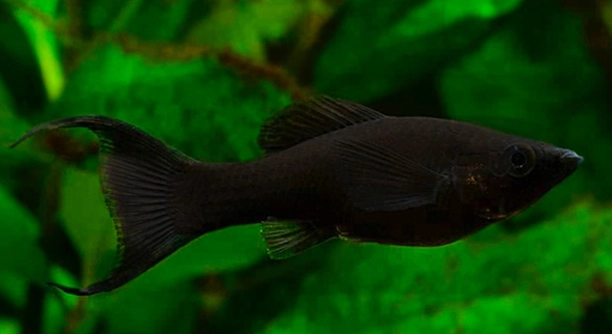
Introducing fry to a main tank can be an exciting yet delicate process. Ensuring their safety and helping them adjust properly is key for a healthy and balanced aquatic environment for all tank inhabitants.
Properly introducing fry involves careful planning, controlled acclimation, and observation. Ensuring water parameters match the main tank, minimizing stress, and providing secure hiding spaces reduces mortality and supports healthy growth during this critical transition period.
Following these guidelines will help maintain harmony in your aquarium while giving fry the best start possible in their new environment.
Preparing the Main Tank
Before introducing fry, it is essential to prepare the main tank properly. Begin by checking water parameters such as temperature, pH, and hardness to ensure they match the fry’s current environment. Sudden changes in these conditions can cause stress or even mortality. Remove any aggressive or territorial fish that might harm the fry. Adding plants, decorations, or hiding spots gives fry places to shelter while they acclimate. Clean the tank thoroughly to reduce the risk of disease and ensure a safe environment. Feeding the main tank lightly beforehand helps reduce attention on the fry, minimizing chasing or bullying. Maintain a calm atmosphere and avoid loud movements around the tank during this time. Monitoring equipment like filters, heaters, and lights ensures they are functioning correctly, providing a stable and safe environment. Preparing the tank thoughtfully supports a smoother transition for fry into their new surroundings and helps establish a balanced ecosystem.
Proper preparation reduces stress and increases fry survival, ensuring the main tank is ready for their arrival.
Taking these steps before introduction prevents common problems. Fry are delicate, and even small adjustments in water or tank setup make a big difference. Consistency in temperature and safe hiding spots promote comfort. Avoid overfeeding or crowding to maintain a calm environment.
Acclimating the Fry
Acclimation should be gradual. Start by floating the fry in a small container inside the main tank for about 15-20 minutes.
Once the fry adjust to temperature differences, slowly add small amounts of main tank water into the container over 30-60 minutes. This allows the fry to adapt to chemistry differences, including pH and mineral content. Introduce water in increments, observing the fry for signs of stress such as rapid gill movement or lethargy. Keep the process slow and controlled; rushing can shock their system. After acclimation, gently release the fry into the tank using a small net or by pouring them along with some container water. Avoid dumping them directly into the tank, which can cause sudden changes in environment. Continue to monitor the fry closely for the first few hours to ensure they are exploring and hiding properly. Acclimation is critical to improving survival rates and fostering a smooth transition into the main tank environment.
Feeding Strategies
Provide small, frequent meals for fry to ensure proper growth. Use finely crushed flakes or specialized fry food to match their size. Avoid overfeeding, which can pollute the tank and harm water quality.
Consistent feeding helps fry develop and compete for food without stressing older fish. Start with two to three tiny portions daily, observing how quickly they consume the food. Remove leftovers promptly to maintain clean water. Consider adding live foods like baby brine shrimp or micro worms, which improve nutrition and encourage natural hunting behavior. A balanced diet at this stage supports strong growth, healthy development, and improves overall survival rates. Fry that receive proper nutrition early are more likely to adapt successfully to the main tank environment.
Monitor fry closely during feedings. Adjust portions and frequency based on activity and appetite. Keep older fish occupied with their meals to reduce competition. Using floating or sinking foods strategically helps fry access food safely while maintaining water quality.
Maintaining Water Quality
Regular water changes are essential to prevent harmful buildup of waste and toxins. Small, frequent changes reduce stress on fry while maintaining stable conditions.
Test water parameters frequently, including ammonia, nitrite, and nitrate levels. High concentrations can be lethal to fry. Use a siphon or small tubing to remove debris and uneaten food, minimizing contamination. Avoid sudden changes in temperature or pH during water changes, as fry are sensitive to fluctuations. Filtration should be gentle to prevent fry from being sucked in while still keeping the water clean. Aeration supports oxygen levels, which are critical for fry health. Maintaining high water quality directly impacts survival and development in the main tank.
Consistency is key for water maintenance. Schedule water changes and parameter checks at regular intervals. Using dechlorinated water prevents chemical stress. Observe fry behavior to detect early signs of poor water quality, such as lethargy or abnormal swimming patterns. A proactive approach ensures a healthy environment, reducing illness and promoting steady growth. Proper water care supports both fry and established tank inhabitants, maintaining balance and reducing potential conflicts.
Monitoring Behavior
Observe fry regularly for signs of stress or illness. Watch for unusual swimming patterns, lethargy, or aggression from other fish. Early detection helps prevent serious issues and keeps the tank environment stable.
Take notes on feeding response and interaction with tankmates. Healthy fry are active, explore hiding spots, and readily consume food. Tracking behavior over time allows adjustments in feeding, tank setup, or water parameters to improve survival rates. Consistent observation is a simple yet effective way to protect fry.
Managing Tank Mates
Keep aggressive or larger fish separated from fry. Compatibility reduces stress and risk of injury. Providing hiding places helps fry feel secure and encourages natural behavior.
Use dividers or breeding nets if necessary to isolate fry temporarily. Even small, seemingly harmless fish can compete for food or unintentionally harm fry. Observing interactions between species allows you to intervene quickly if aggression appears. Adjusting the tank layout, adding plants, or creating territories reduces conflict. Managing tank mates carefully ensures fry have space to grow safely, improving long-term survival and overall tank harmony.
Gradual Growth Support
Introduce additional hiding spots as fry grow. Plants, decorations, and small caves provide security and reduce stress.
Regular Health Checks
Check fry for signs of disease or deformities frequently. Prompt action helps maintain a healthy population and prevents the spread of illness.
FAQ
How long should fry be acclimated before entering the main tank?
Fry should be acclimated gradually over 30 to 60 minutes. Begin by floating the container in the main tank to match temperature, then slowly add small amounts of tank water. This helps them adjust to pH, hardness, and other water parameters, reducing shock.
What types of food are best for fry?
Start with finely crushed flakes or specialized fry food. Live foods like baby brine shrimp or micro worms improve nutrition and stimulate natural feeding behavior. Small, frequent meals support steady growth without polluting the tank. Monitor feeding to ensure all fry have access to food.
How often should water be changed in a tank with fry?
Small, frequent water changes are best, typically 10-20% every few days. This prevents buildup of ammonia, nitrites, and nitrates, which can harm fry. Always use dechlorinated water and maintain stable temperature and pH during changes. Gentle filtration helps maintain cleanliness without disturbing fry.
Can fry be kept with adult fish?
Only with compatible, non-aggressive species. Large or territorial fish may injure or stress fry. Providing hiding spots and monitoring interactions is essential. If necessary, use dividers or breeding nets to give fry a safe space until they grow large enough to safely join the main population.
How do I prevent disease in fry?
Maintain high water quality and a clean environment. Avoid overfeeding, remove uneaten food, and check water parameters regularly. Quarantine new fish and observe fry closely for unusual behavior, discoloration, or lethargy. Early intervention and consistent care reduce the risk of illness spreading.
What signs indicate that fry are stressed?
Common signs include rapid gill movement, clamped fins, lethargy, erratic swimming, or hiding excessively. Stress often results from poor water quality, sudden changes, or aggression from other fish. Addressing the cause quickly improves survival and helps fry adapt to the main tank.
When should additional hiding spots be added?
Introduce new plants, decorations, or small caves as fry grow. More hiding spaces reduce competition, minimize stress, and allow fry to explore safely. Rearranging the tank gradually ensures they feel secure without causing shock or overcrowding.
Is it necessary to monitor fry individually?
Observing fry as a group is usually sufficient, but checking individuals occasionally helps detect early signs of illness, deformities, or slow growth. Early detection allows corrective action, such as adjusting diet, water conditions, or separating weaker fry.
How can I encourage fry to eat properly?
Feed small portions several times a day and vary diet with live or finely crushed foods. Ensure all fry have access by spreading food evenly and monitoring feeding behavior. A consistent feeding schedule promotes healthy growth and reduces competition stress.
How long does it take for fry to fully adapt to the main tank?
Adaptation time varies by species but generally takes one to two weeks. Fry become comfortable with hiding spots, feeding routines, and water parameters during this period. Monitoring behavior and maintaining stable conditions supports a smooth transition and long-term survival.
What should I do if fry are being chased by other fish?
Immediately provide additional hiding places or temporarily separate them with a divider. Observing interactions and rearranging tank layout can reduce aggression. Minimizing stress during this critical period improves survival and allows fry to grow without injury.
Can I use the same filter for fry as for adult fish?
Yes, but ensure it is gentle enough to prevent fry from being sucked in. Sponge filters are ideal because they provide filtration without strong currents. Proper filtration maintains water quality while keeping fry safe.
How important is light and temperature control for fry?
Consistent light and temperature conditions are crucial. Sudden changes can stress fry and affect growth. Maintain appropriate warmth and a regular light cycle to support natural behavior and development, ensuring a healthy start in the main tank.
What are common mistakes when introducing fry?
Rushing acclimation, mixing with aggressive fish too soon, overfeeding, and neglecting water quality are common errors. Each can increase stress or mortality. Careful preparation, observation, and controlled conditions reduce these risks and improve fry survival rates.
Can I combine different species of fry in the same tank?
Only if species are compatible in size, temperament, and water requirements. Aggressive or fast-growing species may outcompete others. Monitor interactions and adjust hiding spots or tank layout to support all fry, preventing stress and promoting even growth.
How do I know if fry are growing at a healthy rate?
Healthy fry are active, have vibrant coloration, and consistently gain size appropriate for their species. Uneven growth, lethargy, or deformities indicate potential issues with diet, water quality, or stress, which should be addressed immediately.
Are plants necessary for fry tanks?
Plants are highly beneficial, providing hiding spots, stabilizing water quality, and reducing stress. Live plants can also serve as a supplemental food source. Including both dense and scattered plants helps fry explore safely while avoiding overcrowding.
How long should I observe fry after introduction?
The first 48-72 hours are critical. Fry should be watched closely for feeding, hiding, and interactions with other fish. Continued observation over the first two weeks ensures they adapt well and remain healthy in the main tank.
What adjustments should be made if fry are not eating?
Check water parameters, stress factors, and food type. Try smaller portions, live foods, or feeding at different times. Ensure tankmates are not outcompeting fry. Consistent care and gentle adjustments encourage proper feeding behavior.
How do I ensure a balanced environment for both fry and adult fish?
Maintain stable water conditions, provide adequate hiding spots, and manage feeding to reduce competition. Monitor behavior closely and separate or adjust tank mates if necessary. A balanced approach supports growth, health, and overall tank harmony for all inhabitants.
Final Thoughts
Introducing fry to a main tank requires patience, careful planning, and consistent care. Fry are delicate and adjusting to a new environment can be stressful if not managed properly. By preparing the main tank in advance, checking water parameters, and providing safe hiding spots, you can create a secure space for them. Observing fry during the first hours and days helps detect stress or health issues early. Simple steps, like floating the container to match temperature, gradually adding tank water, and releasing them gently, go a long way in ensuring survival. Consistency and attention to detail at this stage make a noticeable difference in the health and growth of your fry.
Feeding and water maintenance are two of the most important aspects of caring for fry. Providing small, frequent meals suited to their size ensures they receive proper nutrition without polluting the tank. Live foods, finely crushed flakes, or specialized fry food are excellent options. At the same time, regular water changes and gentle filtration help maintain clean, safe water. Fry are particularly sensitive to ammonia, nitrites, and nitrates, so keeping levels low is essential. Monitoring feeding behavior and adjusting portions as they grow encourages even development and prevents competition from causing stress. Balanced care for both nutrition and water quality sets a strong foundation for fry to thrive in the main tank.
Monitoring behavior, managing tank mates, and providing gradual adjustments in their environment are equally important. Observing interactions helps identify aggression or stress, allowing timely intervention. Adding plants or decorations provides hiding spots and security, which supports natural behavior and reduces risk of injury. Acclimating slowly, avoiding sudden changes in water chemistry, and maintaining stable light and temperature contribute to fry adapting successfully. With careful attention to these details, fry have the best chance to grow strong, healthy, and active in the main tank. Following these practices ensures long-term survival, supports a balanced aquarium, and allows both fry and established fish to coexist peacefully.

Hello,
If you enjoy the content that we create, please consider saying a "Thank You!" by leaving a tip.
Every little bit helps us continue crafting quality advice that supports the health, happiness, and well-being of pets around the world, for pets of all shapes, sizes, and species.
We really appreciate the kindness and support that you show us!