
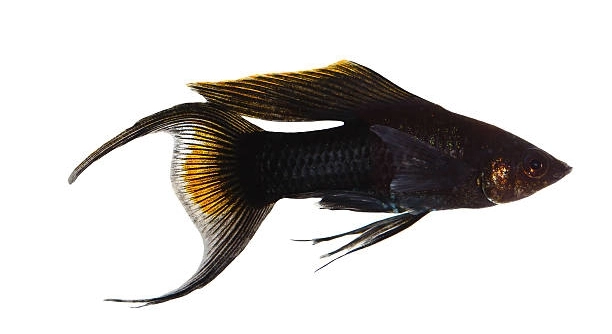
Do you ever find yourself watching your black molly swim and wonder if something in its environment might be stressing it out? These small, vibrant fish are sensitive and can react unexpectedly to sudden changes.
Black mollies can experience shock from abrupt changes in water temperature, poor water quality, sudden loud noises, rapid lighting adjustments, aggressive tank mates, overfeeding, or insufficient hiding spaces. Each factor disrupts their delicate balance, impacting overall health and behavior.
Understanding these potential stressors will help you create a stable environment for your black molly and ensure it thrives comfortably in your aquarium.
Sudden Changes in Water Temperature
Black mollies are highly sensitive to shifts in water temperature. Even a small fluctuation can stress them out, leading to reduced activity, loss of appetite, or erratic swimming. Ideally, the tank should maintain a stable temperature between 75°F and 82°F. Introducing cold water from the tap or heated water that is too hot can shock them immediately. To prevent this, it’s important to use a reliable aquarium heater with a thermostat and always measure water temperature before adding it to the tank. When performing water changes, add new water gradually to allow the fish to adjust. Temperature stress can weaken their immune system, making them more susceptible to infections. Observing your mollies’ behavior closely can help you detect early signs of discomfort. Consistency in water temperature is crucial for their overall well-being.
Maintaining a consistent temperature reduces stress and ensures your black molly remains active and healthy in its environment.
Slow and steady adjustments during water changes are key. Always check the thermometer and avoid sudden dips or spikes that could harm your fish.
Poor Water Quality
Dirty or poorly maintained water directly affects your black molly’s health. High levels of ammonia, nitrites, or nitrates can irritate their gills, damage fins, and lead to lethargy. A tank that is not properly filtered or regularly cleaned becomes an unsafe environment. Regular water testing is essential to keep these levels within safe limits. Partial water changes, about 20–25% weekly, help maintain water quality and remove toxins. Removing uneaten food and waste also prevents harmful buildup. Mollies prefer slightly alkaline water with a pH between 7.5 and 8.5, so monitoring pH levels ensures they remain comfortable. Overcrowding the tank or adding too many fish at once can further degrade water quality, increasing stress. Observing their coloration and behavior can indicate if water quality is affecting them. Taking preventive measures creates a stable and safe environment, encouraging healthy growth and vibrant activity.
Regular testing, consistent cleaning, and careful feeding routines keep your tank safe, reducing stress and helping black mollies thrive.
Balancing filtration, tank population, and feeding habits can prevent harmful toxins from accumulating. Proper care ensures that black mollies live longer, healthier lives while maintaining their natural behavior and bright coloration.
Sudden Loud Noises
Black mollies are easily startled by loud noises near their tank. Sounds from dropping objects, slamming doors, or nearby construction can make them dart around or hide for long periods.
Excessive noise triggers a stress response that affects their behavior and health. When startled, mollies may swim erratically, bump into tank decorations, or hide for hours. Prolonged exposure to loud sounds can weaken their immune system, making them more prone to infections and reducing appetite. Minimizing vibrations and keeping the tank in a quieter area helps maintain a calm environment. Consider placing the aquarium on a sturdy surface away from daily disturbances. Soft background noise, like gentle music or room sounds, usually does not affect them. Creating a peaceful space encourages natural swimming patterns and normal feeding behavior, keeping the fish active and healthy.
If your black molly seems tense or skittish, observe for sudden environmental changes. Small adjustments in placement or sound insulation can make a noticeable difference in their stress levels.
Aggressive Tank Mates
Aggressive or overly active fish can stress black mollies. Territorial behaviors, chasing, or nipping can cause injury and constant anxiety, affecting their well-being.
When kept with aggressive species, black mollies may hide, reduce eating, or show faded coloration. Continuous harassment damages fins and scales, which increases the risk of infections. Selecting peaceful tank mates, such as guppies or tetras, reduces conflict and helps mollies feel secure. Providing enough space, plants, and hiding spots allows them to escape and regain comfort. Observing interactions is important to identify patterns of aggression early. Introducing compatible species gradually and monitoring behavior ensures a balanced tank dynamic. Aggressive behavior often arises from competition for food, space, or mates, so proper tank management is essential. Creating separate zones within the tank can help maintain peace and reduce stress.
Ensuring compatible fish and giving each species enough room prevents bullying, helps mollies maintain their health, and encourages natural, calm behavior in the tank.
Rapid Lighting Changes
Sudden shifts in lighting can shock black mollies. Turning lights on or off abruptly makes them swim frantically or hide, as their eyes are sensitive to sharp changes in brightness.
Gradual adjustments in lighting, using timers or dimmers, help mollies adapt. Consistent light patterns reduce stress and support natural activity cycles, keeping them calmer and healthier in the tank.
Overfeeding
Feeding black mollies too much leads to uneaten food sinking and decaying, which pollutes the water. Overfeeding can cause bloating, digestive issues, and reduced swimming activity, stressing the fish.
Lack of Hiding Spaces
Without plants, rocks, or decorations, black mollies feel exposed. A sparse tank increases stress, making them more prone to illness and erratic behavior.
How can I tell if my black molly is stressed?
A stressed black molly often shows changes in behavior. It may hide more than usual, swim erratically, or avoid food. Color fading, clamped fins, or rubbing against tank surfaces can indicate discomfort. Observing your fish daily helps catch early signs before serious health issues develop.
What water parameters are best for black mollies?
Black mollies thrive in slightly alkaline water with a pH between 7.5 and 8.5. The temperature should remain stable between 75°F and 82°F. Ammonia and nitrite levels must stay at zero, while nitrate levels should be low. Regular testing and partial water changes maintain these conditions and reduce stress.
How often should I clean the tank?
Partial water changes of 20–25% weekly are recommended. Removing uneaten food and debris daily prevents harmful toxin buildup. Filter maintenance is also essential; clean or replace filter media according to manufacturer instructions. A clean tank ensures stable water quality, promoting healthy behavior and reducing the likelihood of stress.
Can black mollies live with other fish?
Yes, but tank mates must be peaceful. Aggressive or territorial fish cause stress and can injure black mollies. Ideal companions include guppies, tetras, and other calm community fish. Ensure the tank is spacious enough and has hiding areas to minimize conflicts and allow natural movement.
What should I do if a black molly is injured?
Isolate injured fish in a quarantine tank to prevent further stress or infection. Treat minor fin damage with appropriate aquarium salt or medication. Maintain clean water and a stable environment. Monitoring closely helps ensure recovery and prevents the injury from worsening.
How much should I feed my black molly?
Feed small amounts once or twice daily. Offer only what they can consume in a few minutes to avoid leftover food. A balanced diet of flake food, frozen or live brine shrimp, and vegetables provides proper nutrition and keeps them active and healthy.
Why does my black molly hide often?
Frequent hiding usually indicates stress from environmental factors, tank mates, or sudden changes. Providing plants, rocks, and decorations gives them safe spaces. Observing the tank’s overall setup and behavior helps identify the reason for their hiding and allows adjustments for comfort.
Can sudden noises harm black mollies?
Yes, loud or unexpected noises can cause shock. Repeated exposure may lead to erratic swimming, hiding, or even injuries. Placing the tank in a quiet area and minimizing vibrations helps them remain calm and reduces stress-related health problems.
Do black mollies need special lighting?
Lighting should mimic a consistent day-night cycle. Sudden changes or overly bright lights can shock them. Using timers ensures gradual transitions, supporting natural behavior, normal feeding, and reduced stress. Avoid placing the tank near windows where sunlight fluctuates sharply.
How can I prevent stress in black mollies?
Maintain stable water conditions, compatible tank mates, and a calm environment. Provide hiding spots, regular feeding, and gradual lighting adjustments. Regular observation helps detect early stress indicators. Small, consistent care practices ensure your black mollies stay healthy, active, and vibrant in their aquarium.
Black mollies are sensitive and responsive to their environment. Changes in water temperature, water quality, lighting, or tank mates can easily stress them. Even small, seemingly harmless adjustments may affect their behavior and health. Observing their actions closely helps identify potential problems before they become serious. Stress often shows through hiding, erratic swimming, loss of appetite, or color changes. By paying attention to these signs, you can maintain a stable and comfortable environment, which is essential for their well-being. Creating a predictable and safe space allows black mollies to swim naturally, feed regularly, and thrive in the aquarium.
Maintaining good water quality is one of the most important factors in keeping black mollies healthy. Regular water testing, partial water changes, and proper filtration prevent toxins from building up and reduce stress on the fish. Overfeeding and decaying food are common causes of poor water quality, so feeding small portions that they can finish quickly is key. A clean, well-maintained tank supports their immune system and keeps them active. Including plants, rocks, or other hiding spaces also helps mollies feel secure. These measures, though simple, have a direct impact on reducing stress and promoting long-term health.
Behavioral factors are equally important. Aggressive tank mates, sudden noises, or rapid lighting changes can cause shock, even when water conditions are perfect. Providing a peaceful environment, gradual lighting adjustments, and enough space prevents conflicts and stress. Over time, consistent care routines help black mollies adapt and maintain stable behavior. They respond well to calm, predictable surroundings, and small changes can make a noticeable difference. Paying attention to these details ensures your fish remain healthy, active, and vibrant, while allowing you to enjoy a lively and balanced aquarium. Creating a comfortable environment for black mollies requires observation, patience, and consistency, but the results are rewarding for both the fish and the caretaker.

Hello,
If you enjoy the content that we create, please consider saying a "Thank You!" by leaving a tip.
Every little bit helps us continue crafting quality advice that supports the health, happiness, and well-being of pets around the world, for pets of all shapes, sizes, and species.
We really appreciate the kindness and support that you show us!