
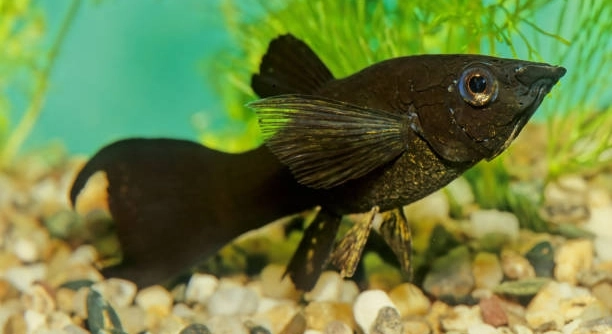
Black Molly fish are popular in home aquariums for their striking appearance and peaceful nature. They thrive in well-maintained tanks, but their immune systems can be sensitive to changes in water quality and diet, requiring careful attention.
Boosting immunity in Black Molly involves providing a balanced diet, maintaining clean water conditions, regulating temperature, minimizing stress, supplementing with vitamins, offering natural foods, and monitoring overall health to prevent disease and promote longevity in captivity.
Implementing these steps ensures your Black Molly stays healthy, active, and vibrant. Following proper care routines will strengthen their resilience and enhance their overall well-being.
Balanced Diet
Providing a balanced diet is essential for keeping Black Molly fish healthy. They need a mix of proteins, vegetables, and occasional live or frozen foods. Feeding high-quality flakes or pellets ensures they receive the necessary nutrients. Including fresh vegetables like spinach or zucchini adds fiber and vitamins. Small portions multiple times a day are better than one large feeding, helping prevent overfeeding and water contamination. Live foods such as brine shrimp or daphnia can improve digestion and stimulate natural hunting behaviors. Variety in diet not only supports immune function but also enhances color and activity levels. Avoiding processed or low-quality foods reduces the risk of deficiencies and related illnesses. Observing how your fish respond to different foods can help adjust the feeding plan to meet their individual needs. Consistency in feeding and monitoring their eating habits is key to long-term health.
A balanced diet directly strengthens immunity, supports growth, and helps Black Molly resist infections and environmental stressors more effectively.
Regularly checking food intake and adjusting portions prevents overfeeding, keeping both fish and tank conditions stable.
Clean Water
Maintaining clean water is vital for Black Molly health. Dirty tanks increase stress and weaken immunity.
Frequent water changes, proper filtration, and testing for pH, ammonia, and nitrate levels are essential practices. A stable, clean environment minimizes disease risk and keeps fish active. Avoid overcrowding, as it can lead to poor water quality and higher stress levels. Removing uneaten food and debris promptly prevents harmful bacteria growth. Temperature consistency is equally important; sudden shifts can compromise immune function. Using a gentle filter prevents strong currents while keeping the tank free of contaminants. Regularly cleaning decorations and substrate helps eliminate hidden waste that may affect water quality. Water conditioners can neutralize chlorine and heavy metals, protecting delicate fish systems. Even minor improvements in water maintenance have noticeable benefits in fish vitality, reducing illness occurrences. Monitoring water parameters closely ensures that conditions remain ideal for long-term health and robust immunity. Keeping a simple maintenance schedule makes it easier to manage and prevents lapses.
Stress Reduction
Stress in Black Molly fish can lower immunity and increase vulnerability to disease. Minimizing sudden changes in environment, avoiding overcrowding, and keeping tank mates compatible helps maintain calm. Gentle handling during maintenance also prevents unnecessary stress.
Providing hiding spots and plants creates a safe environment where fish feel secure. Observing their behavior regularly allows early detection of stress signs such as erratic swimming or loss of appetite. Keeping noise and vibration around the tank minimal reduces anxiety. Temperature and water parameters should remain stable to prevent physiological stress. Introducing new fish gradually and quarantining them first protects existing fish from potential pathogens. Using consistent feeding routines and avoiding sharp changes in diet also supports mental and physical well-being. A well-planned, stable environment ensures fish remain relaxed, active, and better equipped to resist illness.
Consistent monitoring and small adjustments in tank care can significantly reduce stress, promoting healthier, longer-living Black Molly fish.
Vitamin Supplements
Vitamin supplements can improve immunity and overall vitality in Black Molly fish. They support growth, color, and resistance to disease.
Liquid or powdered supplements can be added to food or water. Vitamins like C and D strengthen immune response, while others improve digestion and nutrient absorption. Use them sparingly to prevent overdose. Rotating supplement types ensures a balanced intake. Regular supplementation can be especially beneficial during seasonal changes or after illness when natural immunity may be lower. Observe fish reactions to supplements to avoid digestive issues. Supplements work best in conjunction with a balanced diet and clean water. Avoid relying solely on vitamins without addressing tank conditions, as this will not solve underlying health issues.
Proper supplementation, combined with quality diet and maintenance, ensures Black Molly fish remain strong, resilient, and visually vibrant throughout their lifespan.
Natural Foods
Incorporating natural foods into your Black Molly’s diet boosts immunity. Live or frozen options like brine shrimp, daphnia, and bloodworms provide essential nutrients and promote healthy digestion.
Vegetables such as peas, spinach, and zucchini add fiber and vitamins. Offering a mix of these foods alongside regular flakes keeps their diet varied and nutritionally complete.
Temperature Regulation
Maintaining stable water temperature is crucial for Black Molly health. Sudden fluctuations weaken their immune system and increase susceptibility to disease.
Optimal temperatures between 24°C and 28°C support metabolism, growth, and overall vitality. Using a reliable heater and thermometer ensures consistent conditions, reducing stress and keeping fish active and healthy.
Observation and Health Monitoring
Regularly observing your Black Molly helps detect early signs of illness. Watch for changes in behavior, appetite, or appearance. Early detection allows timely intervention, preventing minor issues from becoming serious.
Consistent monitoring ensures that any water or dietary adjustments can be made promptly, keeping fish resilient and maintaining their overall well-being.
FAQ
How often should I feed my Black Molly?
Feeding small amounts two to three times a day works best. Overfeeding can pollute the tank, while underfeeding may weaken immunity. Stick to what your fish can eat within a few minutes and adjust portions based on their activity and appetite.
What types of food are best for boosting immunity?
A mix of high-quality flakes or pellets, supplemented with live or frozen foods like brine shrimp or daphnia, supports health. Vegetables such as spinach, peas, or zucchini provide essential vitamins and fiber, keeping digestion regular and enhancing immune function.
How frequently should I change the water?
Partial water changes of 20-30% weekly maintain water quality. Monitoring pH, ammonia, nitrate, and nitrite levels helps prevent conditions that stress fish. Removing uneaten food and debris daily also reduces harmful bacteria growth.
Can supplements replace a balanced diet?
Supplements should complement, not replace, a proper diet. Vitamins like C and D can strengthen immunity, but they work best alongside high-quality flakes, pellets, and natural foods. Over-supplementation can harm fish, so follow recommended dosages.
What is the ideal water temperature for Black Molly?
Maintain temperatures between 24°C and 28°C. Stable water conditions reduce stress and prevent immune suppression. Sudden fluctuations, especially drops in temperature, can make fish more susceptible to infections and slow metabolism.
How can I reduce stress in the tank?
Provide hiding spots with plants or decorations. Avoid overcrowding and keep tank mates compatible. Minimize noise, vibrations, and sudden movements. Stable water conditions and gradual introduction of new fish help maintain a calm environment that supports immune health.
How do I know if my Black Molly is sick?
Watch for changes in behavior, such as lethargy, erratic swimming, or hiding more than usual. Loss of appetite, faded colors, or clamped fins are early warning signs. Prompt intervention and water quality adjustments can prevent minor problems from escalating.
Can natural foods alone keep my fish healthy?
Natural foods are beneficial but should be part of a varied diet. Combining live or frozen foods with flakes or pellets ensures balanced nutrition. Vegetables provide fiber and vitamins, while proteins from live foods stimulate digestion and improve vitality.
Is tank cleanliness really that important?
Yes, maintaining clean water prevents harmful bacteria, parasites, and stress. Filtration, regular water changes, and removing debris ensure a healthy environment. Even minor lapses can reduce immunity, making fish more prone to disease.
Should I quarantine new fish before adding them to the tank?
Quarantining new fish for at least two weeks prevents disease transmission. Observing them during this period ensures they are healthy and compatible. Introducing new fish gradually keeps the established community safe and stress levels low.
How can I make sure my Black Molly thrives long-term?
Provide a balanced diet, stable water conditions, temperature control, and stress reduction. Supplement vitamins as needed and observe behavior daily. Combining these practices ensures strong immunity, vibrant colors, and a long, active life in your aquarium.
What are the signs of vitamin deficiency?
Symptoms include faded colors, slow growth, poor appetite, and weakened immunity. Regularly including a mix of vegetables, natural foods, and occasional supplements helps prevent deficiencies and supports overall health.
Can water additives improve immunity?
Some additives, like water conditioners, protect fish from chlorine and heavy metals, indirectly supporting immune health. Probiotics or mild vitamin-enriched solutions may help digestion, but they cannot replace proper diet and clean water maintenance.
How do I manage tank mates to protect immunity?
Keep compatible species together. Aggressive or overly active fish can stress Black Molly, lowering immunity. Observe interactions and separate fish if bullying occurs. Providing sufficient space, hiding spots, and plants helps all fish feel secure.
Are temperature swings more harmful than water quality issues?
Both are critical, but sudden temperature swings often cause immediate stress, weakening the immune system. Poor water quality is a long-term risk, gradually affecting health. Maintaining stable conditions in both areas is essential for resilient fish.
How can I tell if supplements are working?
Improved activity, brighter colors, and consistent appetite indicate supplements are helping. Monitor fish over time for signs of overuse or digestive issues, adjusting doses accordingly. Supplements are most effective when paired with balanced feeding and good tank care.
What role does observation play in immunity maintenance?
Daily observation helps detect early signs of illness, stress, or dietary issues. Noticing subtle changes allows quick corrective action, preventing minor problems from escalating and keeping Black Molly healthy and active.
How do seasonal changes affect immunity?
Seasonal fluctuations can alter water temperature and stress levels. Adjust heaters, maintain consistent feeding, and monitor water quality more closely during seasonal shifts. Minor changes, if unchecked, can weaken immunity and trigger illness.
Can stress from handling be dangerous?
Yes, frequent or rough handling can weaken the immune system. Limit contact to necessary maintenance, move fish gently, and avoid sudden disturbances. Stress reduction directly supports long-term health and disease resistance.
How important is variety in diet for immunity?
Dietary variety ensures all essential nutrients are available. Combining flakes, pellets, live foods, frozen foods, and vegetables strengthens immune function, supports growth, and enhances color. Repeating the same food can lead to deficiencies and lower resistance to disease.
Maintaining the health of Black Molly fish requires attention to several key factors. A balanced diet, clean water, stable temperature, and careful monitoring of their behavior all contribute to stronger immunity. These fish respond well to routine and consistency. By providing a variety of high-quality foods, including natural options like vegetables and live or frozen prey, their nutritional needs are met. Overfeeding or relying solely on one type of food can create problems, so mixing their diet ensures they receive all the essential nutrients. Regular observation helps identify changes in appetite, behavior, or appearance, which are often the first signs that something may be wrong. Early detection allows for timely intervention and prevents minor issues from becoming serious illnesses.
Stress reduction is equally important for maintaining strong immunity. Overcrowded tanks, incompatible tank mates, and sudden changes in environment can all cause stress that weakens a fish’s defenses. Providing plants, hiding spots, and gentle handling during tank maintenance helps fish feel secure. Maintaining stable water parameters, including pH, ammonia, nitrate, and temperature levels, also reduces stress. Even small adjustments, like introducing new fish gradually or avoiding sudden changes in feeding routines, can make a significant difference in their overall well-being. A calm environment supports natural behaviors, encourages activity, and strengthens the immune system, making fish less prone to illness. Supplements such as vitamins can enhance immunity, but they should never replace a proper diet and clean, stable water conditions.
Consistent care over time is the most effective way to ensure that Black Molly fish remain healthy and active. Regular water changes, proper filtration, and removal of waste prevent harmful bacteria from building up in the tank. Monitoring their behavior, adjusting feeding as needed, and providing a variety of foods all contribute to a strong immune system. Seasonal changes and other external factors can still affect fish health, but proactive care minimizes risks. When diet, water quality, and stress levels are properly managed, Black Molly fish are more vibrant, resilient, and long-living. By following these basic practices, fish owners can create a supportive environment that promotes immunity, reduces disease risk, and allows their Black Mollies to thrive naturally in their aquarium habitat.

Hello,
If you enjoy the content that we create, please consider saying a "Thank You!" by leaving a tip.
Every little bit helps us continue crafting quality advice that supports the health, happiness, and well-being of pets around the world, for pets of all shapes, sizes, and species.
We really appreciate the kindness and support that you show us!