
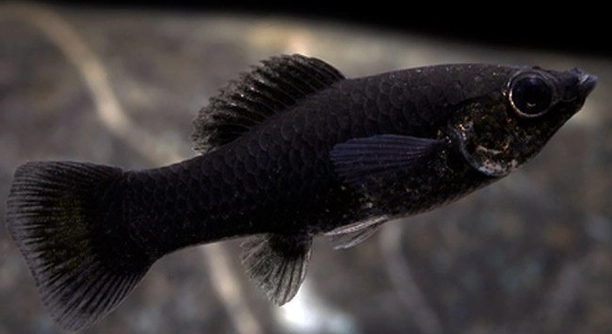
Black Mollies are lively fish that bring energy and beauty to any aquarium. Observing their behavior can help owners ensure these fish are healthy and thriving in their environment. Happiness in Black Mollies is reflected in small, consistent ways.
Signs of a happy Black Molly include active swimming, regular feeding, vibrant coloration, smooth fins, social interaction with tank mates, calm resting periods, and exploring its surroundings. Maintaining water quality, proper diet, and a stress-free habitat supports these behaviors consistently.
Recognizing these signs allows you to provide better care and create a comfortable environment that keeps your Black Molly content and healthy for years.
Active Swimming and Exploration
Watching my Black Molly glide through the tank always brings a sense of calm. Active swimming is one of the clearest signs that a Molly is happy and healthy. When a Black Molly moves freely, without hiding or staying at the bottom, it shows confidence in its environment. These fish are naturally curious and love to explore corners, plants, and decorations. Providing open swimming space is essential, as tight or overcrowded tanks can stress them. Observing them weaving through plants or chasing gentle currents indicates engagement with their surroundings. Regular activity also reflects good water quality and appropriate temperature. A lethargic or sluggish Molly may be signaling an underlying issue, so movement patterns are important indicators. Encouraging swimming through mild currents or adding floating plants keeps them active. Feeding time is another opportunity to observe lively movement, which further demonstrates happiness.
Active swimming keeps your Black Molly physically fit and mentally stimulated.
Ensuring proper tank setup, regular cleaning, and balanced feeding promotes ongoing activity. Open areas, hiding spots, and gentle flow encourage exploration while minimizing stress. Consistent observation allows owners to notice changes quickly, which helps in maintaining overall well-being. Over time, an active Molly will interact more with its environment and display bright, healthy colors. Daily routines, such as feeding and tank maintenance, contribute to confidence and comfort. Creating a visually stimulating environment supports natural behaviors. Using a mix of live and artificial plants provides shelter and exploration opportunities. Adjusting water temperature and maintaining stable conditions ensures they remain energetic. Observing playful interactions with other compatible fish further indicates satisfaction. By fostering these conditions, owners can support both physical health and emotional contentment in their Black Mollies.
Vibrant Coloration
Healthy Black Mollies display deep, even coloration across their bodies and fins.
A shiny, uniform color signals proper nutrition and low stress. Pale or faded patches may suggest dietary issues or environmental stressors.
Color vibrancy is influenced by diet, lighting, and water quality. Feeding a variety of foods rich in protein and nutrients enhances pigmentation naturally. Stable lighting and maintaining proper water parameters prevent dullness and irregular patterns. Stress from aggressive tank mates or overcrowding can also impact color. Observing a strong, consistent black tone means the fish feels secure. Regular monitoring ensures any fading is addressed quickly. Using natural decor and live plants may enhance color display. Over time, bright colors reflect overall health, making your Molly both attractive and active. Proper care routines, combined with attentive observation, allow the fish to maintain this visual indicator of well-being. Nutritional balance, stable conditions, and gentle handling are all key to keeping your Black Molly vibrant and content.
Smooth and Intact Fins
Healthy Black Mollies have fins that are whole, smooth, and free from tears or fraying.
Damaged or clamped fins often indicate stress, poor water quality, or minor injuries from tank decorations. Keeping the tank clean, avoiding sharp objects, and monitoring interactions with other fish prevents damage. Smooth fins allow better swimming and reduce the risk of infections.
Regular observation helps catch early signs of fin deterioration. Providing a calm environment with minimal sudden changes, consistent water temperature, and balanced nutrition supports fin integrity. Fin rot can develop quickly if water parameters fluctuate, so weekly checks of ammonia, nitrite, and nitrate levels are essential. Offering hiding spots reduces stress and aggression from other fish, preserving fin health. Maintaining stable conditions and feeding high-quality food keeps your Black Molly’s fins smooth and functional while supporting overall well-being.
Social Interaction and Companionship
Black Mollies show happiness by engaging with their tank mates and displaying gentle social behavior.
They often swim in groups, follow each other, or rest near compatible fish without aggression.
Maintaining a community tank with compatible species encourages natural interactions. Isolated Mollies may become stressed or display unusual behavior, so pairing them with calm companions fosters contentment. Observing playful chases or synchronized swimming indicates comfort and bonding within the tank. Social interaction reduces anxiety and promotes mental stimulation. Avoid overcrowding to prevent territorial disputes, and introduce new fish slowly to minimize stress. Consistent feeding schedules and stable conditions help maintain harmony. Mollies that interact regularly display a balance of curiosity, energy, and calm behavior, all signs of a healthy, happy fish in its environment.
Calm Resting Periods
Black Mollies need quiet moments to rest, often hovering in one spot or near plants.
Consistent resting indicates the fish feels safe and stress-free. Disturbed or constantly moving Mollies may be anxious or uncomfortable in their environment.
Regular Feeding and Appetite
A happy Black Molly eagerly eats at feeding time, showing interest in both flakes and live foods. Proper feeding routines, with balanced portions, support growth, color, and overall health. Appetite fluctuations often reflect stress, illness, or poor water quality, so monitoring intake is essential.
Exploring Surroundings
Mollies that explore decorations and plants show curiosity and confidence.
Exploration is a clear sign of engagement with their environment and overall contentment.
FAQ
How often should I feed my Black Molly?
Feeding your Black Molly once or twice a day is ideal. They should receive only what they can eat within a few minutes to prevent overfeeding. Overfeeding can pollute the water and cause health problems, including bloating or swim bladder issues. A mix of high-quality flake food and occasional live or frozen treats, like brine shrimp or daphnia, keeps their diet balanced. Observing their eating behavior helps determine the right portion size. A healthy Molly will approach food actively and finish it quickly without leaving excess in the tank. Consistency in feeding times also reduces stress and maintains routine behavior patterns.
Can Black Mollies live alone?
While they can survive alone, Black Mollies are social fish that thrive in groups. They feel more secure and display natural behaviors when housed with other peaceful fish or their own species. Keeping them with companions reduces stress and encourages swimming, interaction, and play. An isolated Molly may become timid, hide more, or lose appetite. Ideally, maintain a small group of three to six Mollies to create a balanced, harmonious environment. Group living allows them to establish gentle social structures and feel confident in their tank.
What water conditions are best for Black Mollies?
Black Mollies prefer slightly alkaline water with a pH between 7.5 and 8.5. The ideal temperature range is 72–78°F (22–26°C). Stable conditions are crucial, as sudden changes can stress them. Soft to moderately hard water supports overall health, while salt additives in small amounts can improve coloration and well-being. Frequent water testing ensures ammonia, nitrite, and nitrate levels stay safe. A clean filter and partial weekly water changes prevent toxins from accumulating. Maintaining proper water chemistry helps Mollies swim actively, eat regularly, and display vibrant colors.
How do I know if my Black Molly is stressed?
Signs of stress include clamped fins, faded color, hiding constantly, or reduced appetite. Erratic swimming or rubbing against surfaces can also indicate discomfort. Stress often results from poor water quality, aggressive tank mates, overcrowding, or sudden changes in temperature. Correcting these issues quickly is essential for long-term health. Providing hiding spots, consistent feeding, and stable water parameters helps reduce stress. Observing behavior daily makes it easier to identify problems before they escalate.
Can Black Mollies live with other fish?
Yes, Black Mollies do well with peaceful, community fish. Avoid aggressive or fin-nipping species. Compatible tank mates include tetras, guppies, and platies. Introducing new fish gradually helps prevent territorial disputes. Providing adequate space, plants, and decorations reduces conflict. A well-planned community tank supports social interaction and overall happiness for your Mollies.
What should I do if my Molly stops eating?
Loss of appetite may indicate illness, stress, or poor water conditions. Test water parameters and check for aggressive tank mates. Offer varied foods, including live or frozen options, to stimulate interest. Monitor behavior closely, as prolonged fasting can weaken the fish. Maintaining a clean, calm environment encourages normal feeding.
How can I enhance my Black Molly’s color?
Diet plays a major role in coloration. High-quality flake food supplemented with live or frozen protein-rich treats supports vibrant black tones. Stable water conditions and low stress further enhance appearance. Adequate lighting in the tank helps their colors display naturally. Avoid sudden changes that might dull their coloration.
Do Black Mollies need salt in their water?
Adding a small amount of aquarium salt can benefit Black Mollies, especially in freshwater setups. It can improve health, reduce stress, and prevent minor infections. Use salt sparingly and according to guidelines, as excessive salt can harm other freshwater species. Regular monitoring ensures a safe balance for overall well-being.
How often should I clean the tank?
Partial water changes of 20–30% weekly keep water parameters stable. Regular cleaning prevents debris and harmful waste buildup. Rinse filters carefully to preserve beneficial bacteria. Observing the tank for uneaten food or algae helps maintain a healthy environment. Consistent care promotes happy, active Black Mollies.
What are the most common health issues?
Fin rot, ich, and bloating are common problems. Poor water quality, overfeeding, and aggressive tank mates often contribute. Early detection and proper treatment prevent long-term damage. Keeping a clean tank and maintaining balanced nutrition supports overall health. Observation of swimming, appetite, and coloration helps identify problems early.
How can I encourage social behavior in my Mollies?
Provide a small group of compatible fish and sufficient space. Adding plants, decorations, and open swimming areas encourages interaction. Avoid overcrowding and aggressive species. Regular feeding and stable water conditions foster a safe environment. Mollies that feel secure are more likely to explore, swim together, and engage in playful behaviors.
Can I keep Mollies in a planted tank?
Yes, planted tanks provide hiding spots, natural exploration areas, and stress reduction. Live plants also improve water quality and oxygenation. Choose hardy species to withstand their activity. Mollies enjoy navigating through leaves and roots, which mimics natural behavior and promotes overall contentment. A balance of open space and planted areas supports swimming and resting.
Are Black Mollies sensitive to temperature changes?
Yes, sudden temperature fluctuations can stress Mollies. Maintaining a stable range of 72–78°F ensures consistent behavior, appetite, and health. Use a reliable heater and thermometer. Avoid placing the tank in direct sunlight or near drafts. Gradual adjustments during seasonal changes help prevent shock and keep your Mollies comfortable.
Is it necessary to quarantine new fish?
Quarantining new arrivals protects your Mollies from disease. A separate tank for two to three weeks allows observation for illness before introducing them. This step prevents outbreaks and maintains a stable, healthy community tank. Proper quarantine procedures include checking water parameters and monitoring behavior daily.
How do I know if my Molly is breeding?
Female Black Mollies develop a slightly rounded belly, and males may display more vibrant fins. Fry are usually hidden among plants. Providing stable water, high-quality food, and plenty of cover supports breeding. Observation helps ensure both adults and fry remain healthy and stress-free during reproduction.
Can Mollies tolerate tap water?
Yes, if treated and tested. Use a water conditioner to remove chlorine and chloramines. Adjust pH and hardness as needed. Testing ensures safe parameters. Tap water can be suitable with proper preparation and monitoring, supporting long-term health and happiness.
How do I prevent aggression in the tank?
Overcrowding, incompatible species, and insufficient hiding spots increase aggression. Provide enough space, compatible companions, and decorations for territorial boundaries. Monitor interactions closely and separate aggressive individuals if needed. A well-planned tank reduces stress, supports social behavior, and keeps Mollies calm.
What is the ideal tank size for Black Mollies?
A 20-gallon tank is a good starting point for a small group. Larger tanks allow more swimming space and reduce stress. Proper filtration, plants, and decorations create a comfortable environment. Ample room supports natural behavior, social interaction, and long-term health.
How important is lighting for Black Mollies?
Moderate, consistent lighting enhances color and regulates day-night cycles. Too much light can cause stress or algae growth. Provide a balanced schedule, around 8–10 hours per day. Lighting also helps plants thrive, which benefits tank conditions and supports natural behavior.
Can Black Mollies adapt to brackish water?
Yes, they tolerate slightly brackish conditions, which can improve health and coloration. Gradual adjustments in salinity are essential. Avoid sudden changes to prevent stress. Small amounts of aquarium salt mimic natural habitats and support well-being. Monitoring water parameters ensures safe adaptation.
How do I identify illness early?
Changes in color, appetite, swimming behavior, or fin condition are early signs. Daily observation helps detect issues quickly. Addressing problems promptly, maintaining water quality, and adjusting care routines prevent escalation. Healthy Mollies display consistent behavior, bright colors, and active swimming.
What decorations are best for Black Mollies?
Smooth rocks, plants, and tunnels provide hiding spots and exploration areas. Avoid sharp edges that can damage fins. Decorations create a stimulating environment, encourage natural behavior, and reduce stress. Balance open swimming space with secure hiding areas for optimal comfort.
Are Mollies sensitive to pH changes?
Yes, sudden shifts can stress them. Keep pH stable between 7.5 and 8.5. Regular testing and gradual adjustments maintain a healthy environment. Stability supports appetite, color, and activity levels, promoting overall happiness.
How often should I check water parameters?
Weekly testing of pH, ammonia, nitrite, and nitrate is recommended. Consistent monitoring ensures safe conditions. Early detection of issues allows corrective action before health problems arise. Regular observation is crucial for maintaining a thriving, happy Black Molly environment.
What foods improve Molly’s health long-term?
A balanced diet includes high-quality flakes, live or frozen protein, and occasional vegetables. Variety ensures proper nutrition, supports color, strengthens the immune system, and encourages active behavior. Avoid overfeeding to prevent digestive issues and maintain water quality.
Can Black Mollies live with snails or shrimp?
Yes, they usually coexist peacefully with snails or shrimp. Ensure adequate hiding spaces for smaller creatures. Monitoring interactions initially prevents accidental harm. A compatible tank setup supports multiple species living together safely.
What signs show my Molly is truly happy?
Active swimming, bright coloration, smooth fins, regular feeding, calm resting, social interaction, and exploration are key indicators. Observing these behaviors consistently reflects a healthy and content fish in a stable, supportive environment. Proper care reinforces these signs and sustains long-term well-being.
How do I handle a sick Molly?
Isolate the affected fish in a quarantine tank. Test water, adjust conditions, and administer appropriate treatment. Monitor behavior and appetite daily. Prompt action prevents spread, reduces stress, and supports recovery. Consistent care and observation ensure the fish returns to health safely.
Are Mollies suitable for beginners?
Yes, they adapt well to community tanks, tolerate a range of conditions, and display engaging behaviors. With attention to water quality, diet, and companions, they thrive and reward owners with active, vibrant, and social fish. Regular observation ensures a stable environment for long-term happiness.
Final Thoughts
Caring for a Black Molly is both straightforward and rewarding when you pay attention to its basic needs. These fish thrive in clean, stable water with consistent temperature and pH levels. Regular monitoring of ammonia, nitrite, and nitrate levels helps prevent health issues before they develop. A well-maintained filter and routine partial water changes are essential to creating an environment that supports active swimming, vibrant coloration, and overall well-being. Observing daily behavior is equally important, as subtle changes in movement, appetite, or social interaction can indicate stress or illness early. Providing proper nutrition, a mix of high-quality flake foods, and occasional live or frozen treats ensures your Molly remains healthy and energetic. Balanced feeding not only promotes color and growth but also prevents overfeeding, which can quickly lead to water contamination.
Equally important is the social and physical environment of the tank. Black Mollies are social fish that feel secure when housed with compatible companions. A small group encourages natural interaction, exploration, and calm resting periods. Overcrowding or aggressive tank mates can lead to stress, reduced activity, and faded coloration. Including plants, hiding spots, and open swimming areas allows Mollies to exhibit natural behavior while reducing anxiety. Decorations should be smooth and safe, preventing damage to fins or scales. Gradual changes in the tank, whether adding new fish or adjusting water conditions, help Mollies adapt without stress. Attention to both companionship and tank layout ensures the fish feel confident and engaged in their environment, reflecting a happier, healthier state.
Maintaining a routine of consistent care, observation, and appropriate feeding creates the foundation for long-term happiness. Recognizing signs of contentment, such as smooth fins, active swimming, social behavior, calm resting, and bright coloration, allows you to make informed adjustments to their environment. Small changes, like adjusting lighting, providing plant coverage, or ensuring proper water parameters, can have a significant impact on their overall health. Taking the time to understand these needs makes it easier to prevent problems, respond quickly when they arise, and create a comfortable, stable habitat. By prioritizing these basic requirements and paying attention to behavior, your Black Molly can thrive for years, rewarding you with its energy, beauty, and natural charm.

Hello,
If you enjoy the content that we create, please consider saying a "Thank You!" by leaving a tip.
Every little bit helps us continue crafting quality advice that supports the health, happiness, and well-being of pets around the world, for pets of all shapes, sizes, and species.
We really appreciate the kindness and support that you show us!