
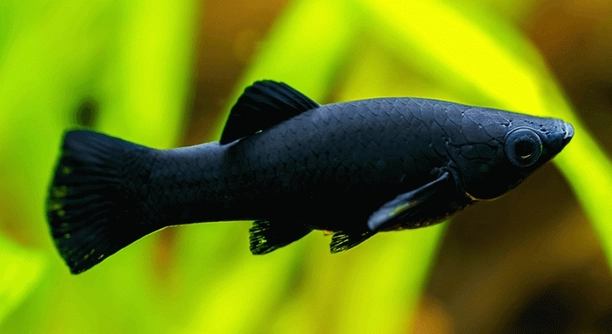
Have you ever ordered a Black Molly online and wondered how it would handle the trip to your home? Shipping can be stressful for small fish, and their delicate nature makes careful handling essential.
Black Mollies can survive shipping stress if proper measures are taken. Temperature control, minimal handling, and timely delivery are critical factors. Providing acclimation upon arrival further reduces stress and increases the likelihood of survival during and after transit.
Knowing how to reduce stress during transport is crucial for the fish’s well-being. Small steps during shipping and acclimation can make a significant difference in keeping Black Mollies healthy.
Preparing Black Mollies for Shipping
Shipping stress can be reduced significantly if Black Mollies are prepared properly before transport. Start by ensuring the fish are healthy and free from disease, as weak or sick fish are far more susceptible to stress. Fasting the fish for 24 hours before shipping can help prevent water contamination during transit, which is a common source of additional stress. Using a secure, insulated container helps maintain temperature stability, which is critical for tropical fish like Black Mollies. Adding a small amount of water conditioner reduces chlorine and other chemicals, protecting the fish from further stress. Packing the fish in appropriate-sized bags with enough air helps them survive long trips, and double-bagging with careful taping prevents leaks. Avoid overcrowding, as overcrowding increases aggression and oxygen depletion. If possible, select a shipping method that ensures the fastest delivery, as shorter shipping times reduce exposure to temperature fluctuations and physical movement. Proper preparation can make a notable difference in survival rates.
Shipping conditions play a major role in the fish’s well-being. Proper packaging and timing reduce stress significantly and increase survival chances.
Even with careful preparation, monitoring the fish immediately upon arrival is essential. Acclimation should be done gradually to avoid sudden changes in temperature or water chemistry. Using a floating bag or slow water mixing helps Black Mollies adjust safely. Checking for injuries or signs of disease allows quick intervention if needed. Avoid feeding the fish immediately; allow them time to recover from the stress of shipping. Observing behavior over the first few hours helps identify any fish that may require additional care. Small changes in tank environment, like dimming lights, can reduce stress during acclimation. Regular monitoring over the next 24–48 hours ensures the fish stabilize in their new environment. By paying attention to these factors, you can improve survival and help your Black Mollies settle comfortably. Maintaining patience and careful observation during this period is crucial for long-term health.
Reducing Stress During Transport
Temperature stability is one of the most important factors in reducing stress for Black Mollies during shipping. A stable, tropical temperature prevents shock and helps maintain metabolic function.
Maintaining oxygen levels and minimizing vibration are additional key factors in safe transport. Insulated packaging slows temperature changes, while gentle handling prevents sudden movements that can harm the fish. Reducing light exposure during shipping lowers stress levels, as bright conditions can cause panic. Shipping containers should be sturdy enough to prevent punctures and leaks. If using a courier service, alerting them to the fragility of the package can encourage careful handling. Timing the shipping to avoid extreme weather conditions ensures more stable temperatures and safer delivery.
Water quality is critical for survival. Adding stress-reducing conditioners or anti-shock solutions can help Black Mollies cope with changes in pH and toxins that may accumulate during shipping. Limiting the amount of food in the transport water reduces waste and bacterial growth, keeping the water cleaner. Overcrowding must be avoided; too many fish in one bag increases oxygen depletion and aggression, both of which lead to higher stress levels. Carefully monitoring all these factors before sealing the shipping container ensures the best possible outcome. Once the fish arrive, a slow acclimation process further protects their health, preventing sudden shock from new water conditions. Regular observation after transfer helps identify any issues early, allowing corrective action and improving long-term survival. Every step, from preparation to acclimation, matters when protecting Black Mollies from shipping stress.
Common Signs of Shipping Stress
Black Mollies under stress may show rapid gill movement or erratic swimming. Clamped fins and loss of color are also clear indicators. Lethargy or hiding at the bottom of the bag often signals that the fish is struggling with transport conditions.
Stress can weaken the immune system, making Black Mollies more vulnerable to infections. Signs such as frayed fins, white spots, or unusual swimming patterns may appear after shipping. Monitoring behavior closely in the first hours helps identify fish that need extra care. Ensuring the water remains clean and at a stable temperature can reduce the impact of stress. Feeding should be delayed until the fish regain normal activity, and using stress-reducing water conditioners can provide additional support.
Behavioral changes are common and sometimes subtle. Fish may remain motionless for extended periods or avoid interaction with tank mates. Observing how quickly they recover normal swimming and feeding habits is important for assessing post-shipping health. Adjusting tank conditions like lighting or water flow can help mollies settle more comfortably. Gradual acclimation reduces further stress and allows them to regain energy.
Post-Shipping Care
Immediate care after shipping is essential for recovery. Float the sealed bag in the tank to match temperature before releasing the fish.
Once acclimated, transfer Black Mollies carefully and avoid sudden water changes. Monitor water parameters closely for the next 24–48 hours. Maintain low lighting and minimal disturbances to allow them to regain strength. Stress-reducing additives in the water can improve their resilience, and avoiding feeding for a few hours helps prevent additional strain on their system. Observing interactions with tank mates ensures compatibility, as stressed fish can be more sensitive to aggression. Regular checks for signs of illness or lingering stress are critical in this period.
Ideal Water Conditions
Black Mollies need stable water conditions after shipping to recover properly. Temperature should remain between 75–80°F, and pH should stay around 7.0–8.0. Keeping ammonia and nitrite levels at zero helps prevent additional stress or illness.
Regular water changes are important in the first few days. Slight adjustments in hardness or salinity, if needed, should be done gradually to avoid shocking the fish. Using a gentle filter flow prevents strong currents from overwhelming stressed fish. Observing how mollies respond to the tank environment allows for timely corrections in water conditions.
Feeding After Shipping
Feeding should be delayed for a few hours after the fish are acclimated. Small, easily digestible meals help them regain strength without overloading their system.
Tank Setup Considerations
Provide hiding spots and gentle water movement. Plants, rocks, and decorations help mollies feel secure. Maintaining stable conditions reduces stress and supports recovery after shipping.
FAQ
How long can Black Mollies survive shipping?
Black Mollies can survive shipping for several hours to a day if properly packed. Survival depends on temperature control, oxygen levels, and minimal stress during handling. Rapid shipping with proper packaging greatly increases the likelihood of safe arrival. Overcrowded bags or extreme temperatures significantly reduce survival chances.
What is the best water temperature for shipping?
Maintaining water between 75–80°F is ideal for Black Mollies. Sudden drops or rises in temperature can cause shock or stress. Using insulated packaging or heat packs in colder conditions helps keep water stable. Avoid placing the package in direct sunlight or near heating vents.
Should I feed Black Mollies before shipping?
It’s better to fast them for 24 hours before shipping. This prevents excess waste in the bag, which can affect water quality. Clean water reduces the risk of ammonia buildup, which is toxic and stressful for the fish. Fasting also lowers the chances of digestion-related issues during transit.
How do I acclimate them after shipping?
Float the sealed bag in the tank to match the temperature. Slowly mix small amounts of tank water into the bag over 15–30 minutes. Once water parameters are stable, gently release the fish. Avoid sudden changes in temperature or pH to prevent additional stress or shock.
Can stress cause illness in Black Mollies?
Yes. Stress weakens the immune system, making fish more susceptible to infections such as fin rot, ich, or bacterial diseases. Close observation after shipping is important to catch any signs of illness early. Clean, stable water and a calm environment help recovery.
Is it normal for Black Mollies to hide after shipping?
Yes, hiding is a natural response to stress. Provide plants, decorations, or hiding spots to help them feel secure. Avoid disturbing them too much during the first day. As they adjust, they will explore the tank and regain normal behavior.
How long does it take for Black Mollies to recover from shipping stress?
Recovery time can vary but usually takes 24–48 hours. Some fish may take longer if stressed or if water conditions fluctuate. Feeding can resume gradually once they are swimming normally and exploring the tank. Patience is key to helping them fully recover.
What are signs of severe shipping stress?
Severe stress can include clamped fins, erratic swimming, loss of color, lethargy, and gasping at the surface. Injuries or unusual spots on the body may also appear. Immediate attention to water quality and a calm environment can help mitigate these effects.
Can I use stress-reducing additives in water?
Yes. Stress-reducing conditioners help mollies cope with changes in water quality, reduce shock, and support recovery. Use them according to instructions and combine with stable water parameters for best results. They are especially helpful during shipping or immediate acclimation.
Does shipping distance matter?
Longer shipping increases stress risk. Shorter shipping times reduce exposure to temperature changes, low oxygen, and movement. If shipping is unavoidable over long distances, ensure professional packaging, oxygenation, and temperature control are prioritized to improve survival chances.
Is it safe to ship multiple Black Mollies together?
Yes, but overcrowding should be avoided. Too many fish in one bag increases oxygen depletion and aggression, which can heighten stress. Ensure adequate space and water volume for each fish to maintain health and reduce mortality risk during transit.
What can I do if a Black Molly seems weak after shipping?
Provide a quiet tank area with stable water and hiding spots. Avoid feeding for a few hours, then offer small, easily digestible meals. Monitor water quality closely. If symptoms persist, consult an aquatic veterinarian or specialist to prevent worsening conditions.
Are some Black Mollies more tolerant to shipping stress?
Yes, younger and healthier fish generally handle shipping better. Fish with prior acclimation to varying conditions may also cope more effectively. Weaker or older fish are more prone to stress-related complications. Selecting strong, healthy specimens before shipping improves survival odds.
How important is water oxygenation during shipping?
Highly important. Proper oxygen levels prevent suffocation and reduce stress. Using air in sealed bags or small oxygen tablets ensures fish have enough oxygen during transit. Insufficient oxygen is a major cause of mortality in shipped fish.
Can lighting affect shipping stress?
Yes, bright lights can increase stress and panic. Keeping the bag in darkness or dim light reduces activity and energy use, helping Black Mollies survive transport more comfortably. Avoid exposing them to direct sunlight, which can overheat the water and increase stress.
How often should I check on fish after shipping?
Observe them frequently for the first 24–48 hours. Check swimming behavior, feeding response, and appearance. Quick detection of stress or illness allows for timely action, improving survival and long-term health.
Do water changes help after shipping?
Yes, small water changes improve water quality and reduce stress. Avoid drastic changes; instead, slowly adjust water parameters to prevent shocking the fish. Clean, stable water is key for recovery and reducing the risk of illness.
Can stress affect breeding?
Yes, stressed Black Mollies may delay or stop breeding temporarily. Recovery, stable water conditions, and proper nutrition restore normal reproductive behavior. Avoid handling or disturbing fish during this period to support natural breeding cycles.
Is it normal for Black Mollies to refuse food after shipping?
Yes, temporary loss of appetite is common. Give them a few hours to settle and recover. Offer small, easy-to-digest meals and observe for gradual improvement. Normal feeding usually resumes within 24–48 hours once stress decreases.
How can I prevent shipping stress in the future?
Select healthy fish, use proper packaging, ensure temperature control, and choose fast shipping methods. Gradual acclimation and stable tank conditions upon arrival are equally important. Each step helps reduce stress and improves survival rates for future shipments.
How do I know if a fish will survive shipping?
Survival depends on health, water quality, temperature stability, and handling during transit. Fish that are strong, disease-free, and carefully packed in oxygenated water have the best chance. Monitoring behavior and recovery after arrival indicates their overall resilience and health.
Final Thoughts
Shipping Black Mollies can be stressful for the fish, but careful preparation and attention to detail make a big difference. Ensuring the fish are healthy before shipping is the first step. Sick or weak fish are far more likely to struggle during transport, so only send or order fish that appear active and strong. Fasting the fish for about 24 hours before shipping prevents excess waste in the water, which keeps conditions safer. Using insulated containers helps maintain a stable temperature, while oxygenated water or air-filled bags ensures the fish can breathe properly throughout the trip. Small measures like these reduce the risks associated with shipping and help more fish arrive in good condition. Overcrowding should always be avoided because too many fish in one bag can lead to oxygen depletion, aggression, and increased stress, all of which lower survival chances.
Once the fish arrive, proper acclimation is critical. Even with careful shipping, sudden changes in water temperature, pH, or hardness can shock the fish and make recovery slower. Floating the sealed bag in the tank allows the water to gradually match the tank temperature. Slowly mixing small amounts of tank water into the bag before releasing the fish helps them adjust to new water conditions without adding extra stress. Providing hiding spots and keeping the lights dim for the first hours or day after shipping can make the fish feel more secure. Monitoring the fish closely for signs of stress or illness, such as clamped fins, erratic swimming, or loss of color, allows for quick intervention if needed. Recovery usually takes 24 to 48 hours, though some fish may require more time depending on how stressful the trip was. Patience and careful observation during this period are essential to help the fish regain strength and return to normal behavior.
Maintaining good water quality, feeding routines, and tank conditions after shipping supports long-term health. Stable temperatures between 75–80°F, neutral pH, and clean water free from ammonia or nitrites reduce ongoing stress. Feeding small, easily digestible meals once the fish have acclimated ensures they regain energy without overloading their systems. Stress-reducing water additives can also provide support during the first days. Avoid unnecessary handling or changes to the tank setup during recovery, as additional disturbances can prolong stress. Over time, Black Mollies that were carefully shipped and properly cared for will regain their activity, color, and appetite, returning to normal behavior. Following these steps not only increases the likelihood of survival during and after shipping but also helps maintain their health and well-being for the future. Taking simple precautions and paying attention to their needs ensures that shipping is a manageable process for both the fish and their owners.

Hello,
If you enjoy the content that we create, please consider saying a "Thank You!" by leaving a tip.
Every little bit helps us continue crafting quality advice that supports the health, happiness, and well-being of pets around the world, for pets of all shapes, sizes, and species.
We really appreciate the kindness and support that you show us!