
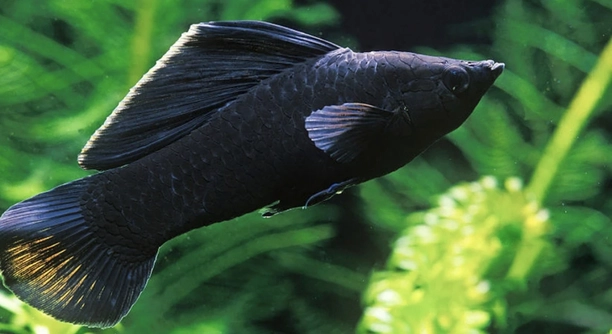
Do you ever notice your black molly swimming restlessly at night or appearing lethargic during the day? Many fish owners are unaware that sleep disturbances can affect these vibrant aquarium companions. Understanding their habits is important for proper care.
Black molly sleep cycles can be disrupted by several factors including inconsistent lighting, water quality fluctuations, sudden temperature changes, overcrowding, stress from tank mates, inadequate hiding spots, and irregular feeding schedules. Addressing these issues helps maintain healthy, natural rest patterns.
Knowing what interrupts their rest can make a big difference in your black molly’s well-being. These insights will help you create a calmer, more stable environment for them.
Inconsistent Lighting
Black mollies rely on a consistent light-dark cycle to regulate their sleep. Sudden changes in lighting, such as turning the aquarium lights on or off at irregular times, can confuse them. They may become restless or hide excessively, affecting their natural rhythm. Using a timer helps maintain a steady schedule, giving them predictable periods of rest. Avoid placing the tank near bright windows or areas with frequent movement, as this can create additional disturbances. Gradual transitions between light and dark are ideal. Observing your molly’s behavior during these shifts helps identify if lighting is affecting their sleep. Even small fluctuations can impact their activity, so maintaining uniform conditions is important. Consistency is key for healthy sleep patterns.
A fixed lighting schedule with gradual transitions ensures black mollies can rest properly. Disruptions from inconsistent lighting directly interfere with their natural sleep behavior.
Providing proper lighting not only improves sleep but also enhances overall health. Mollies become more active during feeding times and less stressed throughout the day, which helps prevent illness and encourages natural behaviors.
Water Quality Fluctuations
Poor water quality can stress black mollies and disturb their sleep. Regular testing of pH, ammonia, nitrites, and nitrates is essential.
Mollies are sensitive to sudden changes in water parameters. Inconsistent maintenance or skipping water changes can make the tank unstable, causing them to hide or swim erratically. Even small spikes in toxins can interfere with rest, making it harder for them to settle. Regular partial water changes, proper filtration, and monitoring temperature help maintain stable conditions. Cleaning decorations and substrate prevents buildup of waste that can harm water quality. Observing how mollies respond after water changes provides insight into whether conditions are optimal. Balanced water promotes calmer, more predictable behavior. Establishing a consistent maintenance routine reduces stress and supports healthy sleep patterns. Over time, mollies in well-maintained water become more relaxed and show natural resting behavior, improving their overall health and longevity.
Sudden Temperature Changes
Black mollies are highly sensitive to water temperature. Rapid shifts can startle them and interrupt sleep. Maintaining a stable environment is essential for their rest and overall health.
Temperature swings can occur when heaters or filters malfunction, or when room temperatures fluctuate. Even a difference of a few degrees can stress them, causing erratic swimming or hiding. Using a reliable heater and thermometer helps keep conditions steady. Avoid placing the tank near air vents, windows, or doors where drafts can affect water temperature. Gradual changes are less stressful than sudden shifts. Stable temperatures support consistent activity levels and natural sleep patterns.
When the water temperature remains consistent, black mollies are calmer and more predictable. They settle into regular resting spots and show fewer signs of stress. Monitoring and adjusting temperature carefully ensures a healthier, more relaxed aquarium environment.
Overcrowding
Too many fish in a tank can disturb black molly sleep by increasing competition and stress. Space limitations reduce hiding areas and limit calm resting spots.
Overcrowding leads to constant movement, aggression, and stress. Black mollies may struggle to find quiet areas to rest, which interrupts their natural cycles. Larger groups can result in uneven distribution of food, leaving some fish hungry or stressed. Providing adequate space per fish, using dividers if needed, and selecting compatible species helps reduce tension. A well-balanced stocking level allows each molly to maintain personal territory and rest peacefully. Careful observation of interactions identifies if crowding is affecting sleep.
Reducing overcrowding improves overall behavior and health. Mollies become more relaxed, spend time in preferred hiding spots, and establish regular sleep routines. It also encourages proper growth and reduces susceptibility to disease.
Stress from Tank Mates
Aggressive or overly active tank mates can disturb black molly sleep. Constant chasing or nipping prevents them from resting properly and increases stress levels.
Mollies need calm companions to maintain a peaceful environment. Avoid mixing with overly territorial or aggressive species. Choosing compatible fish reduces conflict, giving mollies quiet spaces to sleep without interruptions.
Inadequate Hiding Spots
Black mollies require places to retreat for rest. Plants, caves, or decorations provide security and comfort, allowing them to sleep without disturbance.
Without adequate hiding spots, mollies feel exposed and stressed. They may remain alert or swim constantly, which disrupts their natural sleep cycles. Adding dense plants or small shelters gives them safe areas to rest.
Irregular Feeding Schedules
Feeding times that vary day to day can affect molly sleep. They may become restless or overly active anticipating food, which interrupts rest.
Water Contamination
Even small amounts of contaminants, like leftover food or chemicals, can disturb black molly sleep. Maintaining clean water supports healthy rest.
How can I tell if my black molly is having sleep problems?
Black mollies that struggle to rest often show unusual activity patterns. They may swim continuously at night, hide more than usual, or appear lethargic during the day. Sudden changes in behavior, like skipping typical resting spots or avoiding usual hiding areas, often indicate sleep disturbances. Regular observation helps identify these issues early.
What steps can I take to improve their sleep?
Maintaining stable lighting, temperature, and water quality is essential. Establishing a consistent feeding schedule and providing plenty of hiding spots gives mollies a sense of security. Avoid overcrowding and choose calm tank mates. Monitoring their environment regularly ensures conditions remain optimal, supporting natural sleep patterns.
Why is lighting so important for black molly sleep?
Black mollies rely on a predictable light-dark cycle to regulate their internal clocks. Sudden changes or inconsistent schedules confuse them and can cause stress. Using a timer helps maintain regular periods of light and darkness, promoting restful behavior and stable activity patterns.
How often should I check water quality?
Testing water parameters like pH, ammonia, nitrites, and nitrates at least once a week is recommended. Regular partial water changes, combined with cleaning the substrate and decorations, prevent toxic buildup. Consistent water quality supports overall health and ensures mollies can rest without environmental stressors.
Can temperature fluctuations really disturb sleep that much?
Yes. Black mollies are sensitive to even small changes in water temperature. Rapid shifts can startle them, leading to erratic swimming or hiding. A reliable heater and thermometer, combined with stable room conditions, help keep the water at a consistent temperature for proper rest.
Do tank mates affect black molly sleep?
Aggressive or hyperactive fish can disturb mollies, causing stress and interrupted rest. Choosing compatible species and providing enough space reduces conflict. Observing interactions helps identify if stress from tank mates is affecting their sleep patterns. Calm environments allow mollies to settle naturally.
How important are hiding spots?
Hiding spots give black mollies security, helping them rest without feeling exposed. Plants, caves, or ornaments create safe areas. Without these retreats, mollies may stay alert or swim continuously, preventing proper sleep. The right setup encourages natural resting behaviors and reduces stress.
What role does feeding play in sleep?
Irregular feeding schedules can make mollies restless. They may become hyperactive when anticipating food or compete for limited resources. Consistent feeding times support predictable daily routines, helping mollies maintain normal activity and sleep cycles.
Can water contamination disturb black molly sleep?
Yes. Leftover food, chemicals, or waste can pollute the water, stressing mollies and disrupting rest. Regular cleaning and maintenance, along with careful monitoring of water quality, prevent contamination and help mollies maintain calm, healthy sleep patterns.
How do I know if my efforts are working?
Improved sleep is noticeable through calmer behavior, predictable resting patterns, and increased activity during the day. Mollies will use hiding spots, remain alert but not stressed, and show normal swimming and feeding behavior. Regular observation confirms that environmental adjustments are effective.
Are there any signs of chronic sleep disruption?
Chronic sleep disruption can lead to weakened immunity, slower growth, and abnormal behavior. Mollies may remain constantly active, show reduced appetite, or become overly aggressive. Addressing underlying causes promptly prevents long-term health problems and restores natural sleep cycles.
How long does it take to correct sleep issues?
Improvements vary depending on the cause. Adjusting lighting, temperature, water quality, and tank setup usually shows results within a few days to a couple of weeks. Consistency in care is key to helping mollies return to healthy sleep patterns.
Can stress from the environment be reversed?
Yes. Reducing stress by stabilizing water conditions, providing hiding spots, and managing tank mates allows mollies to relax. Over time, they adapt to a calm environment, improving sleep and overall health. Observation ensures ongoing adjustments maintain optimal conditions.
Is it normal for black mollies to occasionally rest during the day?
Some daytime resting is normal, especially in shaded areas or among plants. However, consistent daytime lethargy combined with nighttime restlessness may indicate stress or environmental issues that need attention. Tracking patterns helps identify what’s normal versus disruptive behavior.
Do black mollies require total darkness to sleep?
Total darkness is not always necessary, but a clear distinction between light and dark periods is important. Dim or shaded areas mimic natural conditions, helping mollies establish regular resting habits without feeling exposed or stressed.
Black mollies are delicate fish that rely on stable conditions to maintain healthy sleep cycles. Small changes in their environment can have a noticeable impact on their behavior and well-being. By paying attention to factors like lighting, water quality, temperature, and tank mates, you can create an environment that supports calm, consistent rest. These fish respond to regular routines, so maintaining predictable schedules for feeding, light exposure, and cleaning is important. Observing how your mollies behave over time helps you identify patterns and potential disruptions, allowing for adjustments before stress or health issues develop. Even minor improvements, such as adding a few plants or rearranging hiding spots, can significantly enhance their comfort and sleep quality.
Sleep disturbances in black mollies are often subtle at first, showing as minor restlessness or changes in swimming patterns. Ignoring these signs can lead to prolonged stress, which affects growth, appetite, and overall health. Consistently monitoring water parameters like pH, ammonia, nitrites, and nitrates ensures the tank remains safe and comfortable. Overcrowding should be avoided, and compatible tank mates are necessary to reduce conflict. Providing hiding spots and shaded areas gives mollies a sense of security, allowing them to rest naturally. Temperature stability also plays a critical role, as sudden shifts can interrupt their sleep cycle and create stress. Addressing these factors systematically ensures a healthier, more predictable environment for your fish.
Maintaining proper conditions for black molly sleep requires patience and consistency, but the results are rewarding. Healthy sleep patterns lead to calmer, more active fish that display natural behaviors throughout the day. Regular observation and care allow you to notice subtle changes before they become serious problems, improving both the life quality and longevity of your mollies. Even small adjustments, like consistent feeding times or a stable lighting schedule, contribute significantly to their comfort. By understanding their needs and responding to environmental factors, you help your mollies maintain a balanced, restful routine. A stable, well-maintained aquarium benefits not only their sleep but also overall health, stress levels, and daily behavior. Over time, these efforts create a peaceful, thriving environment where black mollies can rest and thrive naturally.

Hello,
If you enjoy the content that we create, please consider saying a "Thank You!" by leaving a tip.
Every little bit helps us continue crafting quality advice that supports the health, happiness, and well-being of pets around the world, for pets of all shapes, sizes, and species.
We really appreciate the kindness and support that you show us!