
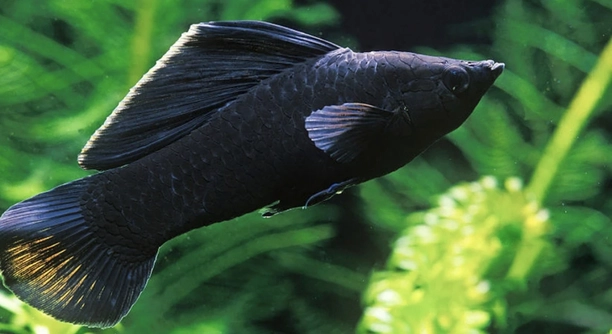
Have you ever noticed your black molly swimming less energetically than before? Over time, these small fish may change their daily patterns and start to explore their tank at a slower pace than when they were younger.
Black mollies do tend to become less active as they age. This change is influenced by a natural slowing of metabolism, reduced energy levels, and occasional health issues that commonly affect older fish, resulting in calmer and slower movements.
Observing these changes can help you better understand your fish’s needs and make adjustments to ensure they remain healthy and comfortable in their environment.
Changes in Energy Levels
As black mollies age, their energy naturally decreases. When they are young, they swim rapidly, exploring every corner of the tank, chasing food, and interacting actively. Over time, their metabolism slows down, so they expend less energy in daily movements. You may notice that older mollies linger near plants or decorations, resting more often. Even their feeding habits can change. They may eat slower or seem less eager during mealtimes. Water conditions also play a role. Colder water can make older fish even less active because it slows their metabolism further. Keeping the tank stable with clean water and moderate temperatures helps them maintain comfort. Observing your mollies closely allows you to recognize these patterns and adjust care. Simple changes, like providing calm spaces or reducing aggressive tank mates, can make a significant difference. Accepting these slower behaviors as normal is important for their well-being.
Older mollies will naturally swim less and rest more than younger fish in the same tank.
Adjusting the tank setup can encourage movement. Adding gentle water flow or spreading food around the tank can keep them engaged without stressing them. Watching their swimming patterns and adapting feeding times ensures they stay healthy and active at a comfortable pace.
Health Considerations
Older black mollies can experience health issues that affect activity levels.
Conditions like swim bladder problems, digestive difficulties, or minor infections can make them less energetic. Regular observation helps spot changes early. A balanced diet and consistent water quality reduce risks. Providing a calm, well-structured tank environment supports their health.
Preventive care is essential as mollies age. Regular water tests for pH, ammonia, nitrite, and nitrate levels help maintain a safe environment. Feeding high-quality food with proper nutrients supports their immune system. Occasionally, older fish may need slightly softer foods to prevent digestive strain. Monitoring interactions with other fish is also important, as older mollies may be less able to compete for food or space. Promptly addressing minor health issues, like fin damage or lethargy, can prevent more serious complications. Ensuring the tank has shaded areas or plants where older fish can rest comfortably reduces stress. While aging naturally slows activity, proactive care maintains their overall quality of life, allowing them to stay active in ways suited to their stage of life.
Tank Environment and Activity
Older black mollies often respond strongly to their tank environment. A crowded or noisy tank can make them hide more and swim less, while a well-planted, calm tank encourages gentle movement and exploration.
Providing hiding spots and moderate water flow can make older mollies more comfortable. Live plants, smooth decorations, and gentle currents allow them to swim without stress. Avoid placing aggressive fish in the same tank, as this can reduce their confidence and willingness to move. Maintaining stable water temperature and clean conditions is also crucial, as fluctuations can further slow their activity. Observing their behavior helps adjust the environment for their needs.
Temperature changes directly affect metabolism. Slightly warmer water within their comfort range can promote mild activity, while too much heat or cold may make them lethargic. Adjusting lighting and minimizing sudden disturbances also encourages steady, relaxed swimming patterns in older mollies.
Feeding Habits and Energy
Older black mollies may eat less or slower than they did when young. Feeding smaller, frequent meals helps maintain energy levels without stressing their digestion.
Providing high-quality, nutrient-rich food supports their metabolism and keeps them healthy. Flakes, pellets, and occasional live food can be offered in moderation. Overfeeding can lead to digestive issues or obesity, which further reduces activity. Watching how much they eat and removing uneaten food prevents water contamination. Feeding at the same time daily creates a routine that older mollies adjust to easily.
Some older mollies benefit from softened or moistened food to prevent swallowing difficulties. Mixing in vegetables like blanched zucchini or spinach provides fiber, supporting digestion and maintaining energy. A balanced diet combined with proper water conditions can help compensate for their natural decrease in activity as they age.
Social Behavior Changes
Older black mollies may become less social with other fish. They often prefer staying in one area of the tank rather than swimming in groups.
Reduced social interaction is normal. Older fish may avoid playful chasing or schooling behaviors, choosing calm spots where they feel safe and less stressed.
Signs of Aging
Physical changes like duller colors, slower fin movement, and smaller body size can appear as mollies get older. Observing these changes helps in understanding their activity levels. Maintaining consistent care ensures their comfort even as their bodies slow down naturally.
Encouraging Gentle Activity
Providing a balanced tank with safe spaces and moderate currents encourages older mollies to move without stress. Small adjustments in feeding and environment can help maintain light daily activity.
FAQ
Why do black mollies swim less as they age?
As black mollies get older, their metabolism slows down naturally. This results in lower energy levels, causing them to swim less and rest more. Aging can also bring minor health issues that reduce their activity. Stable water conditions and a calm environment help them stay comfortable.
Can tank setup affect older mollies’ activity?
Yes. Older mollies respond strongly to their surroundings. Crowded tanks or aggressive tank mates can make them hide more. Providing plants, smooth decorations, and gentle water flow encourages movement without stress. Hiding spots give them a sense of safety, which makes them more likely to swim around calmly.
Should I change their diet as they age?
Older mollies often eat slower or smaller amounts. Feeding high-quality, nutrient-rich food in smaller, more frequent meals supports energy and digestion. Soaking pellets or flakes can make food easier to eat. Adding vegetables like blanched zucchini or spinach helps with fiber and overall health.
Do older mollies need warmer water?
Temperature affects metabolism. Slightly warmer water within their comfort range can encourage mild activity. Avoid sudden fluctuations, as extreme cold or heat can make them lethargic. Stable, moderate temperatures reduce stress and support regular swimming patterns.
How can I tell if reduced activity is normal aging or illness?
Normal aging involves slower swimming, less chasing, and resting more. Signs of illness include rapid gill movement, clamped fins, bloating, or unusual spots. Observing feeding behavior and consistency helps differentiate between normal slowing and health problems. Prompt attention to illness can prevent complications.
Do older black mollies interact less with other fish?
Yes. Older mollies often avoid schooling or chasing behaviors. They may prefer staying in one spot and resting. Reducing competition for food or space and keeping calm tank mates helps them remain comfortable and minimizes stress.
Can gentle currents help maintain activity?
Moderate water flow encourages movement without tiring older mollies. It simulates natural conditions and prevents stagnation. Strong currents should be avoided, as they may exhaust slower fish. Adjusting filter output or tank decorations can create safe swimming areas with gentle flow.
How often should I monitor older mollies?
Daily observation is best. Watch swimming patterns, feeding habits, and social interactions. Regular checks help detect changes in behavior or health early. Weekly water tests for pH, ammonia, nitrites, and nitrates ensure a safe environment, supporting both comfort and longevity.
Is it normal for older mollies to stay near plants or decorations?
Yes. Older fish often choose sheltered areas to rest and feel secure. Providing shaded or planted areas encourages calm behavior and prevents stress. It also allows them to conserve energy while still being able to explore small portions of the tank.
Can minor health issues affect activity levels?
Absolutely. Swim bladder problems, mild infections, or digestive difficulties reduce energy and swimming ability. Maintaining a clean tank, providing proper nutrition, and observing their daily behavior helps minimize health-related slowdowns. Addressing issues early ensures older mollies remain comfortable and active within their limits.
Black mollies are fascinating fish, and watching them change as they age can be both interesting and a little surprising. Over time, their energy naturally slows, and they may swim less than they did when they were young. This is a normal part of their life cycle. Older mollies often spend more time resting near plants or decorations, and they may no longer chase food as eagerly as they once did. Understanding these changes helps in providing proper care and makes it easier to notice when something is truly wrong. Paying attention to their habits, such as where they like to swim or rest, how quickly they eat, and how they interact with other fish, gives insight into their overall well-being.
Adjustments to their environment can make a big difference in their comfort and activity levels. Simple changes, like adding hiding spots or gentle water flow, create a more supportive environment for older mollies. Maintaining clean water and stable temperatures reduces stress, which is especially important for fish whose metabolisms are slowing down. Their diet also plays a role in keeping them healthy. Smaller, frequent meals of high-quality food, sometimes softened or mixed with vegetables, help maintain their energy and support digestion. By making small, thoughtful adjustments, you can ensure that older mollies remain comfortable and continue to enjoy gentle activity, even as their swimming patterns slow.
Observing your black mollies closely over time allows you to respond to their needs and keep them healthy in the long term. While aging naturally brings slower movements and reduced interaction, it is not necessarily a sign of poor health. Minor health issues can occur, but regular observation, proper nutrition, and a calm, well-maintained tank can prevent many problems. Older mollies can continue to thrive in a supportive environment, showing that their slower pace is just part of growing older gracefully. Being attentive to these details not only helps your fish stay comfortable but also strengthens your connection with them, making it rewarding to care for them as they age.

Hello,
If you enjoy the content that we create, please consider saying a "Thank You!" by leaving a tip.
Every little bit helps us continue crafting quality advice that supports the health, happiness, and well-being of pets around the world, for pets of all shapes, sizes, and species.
We really appreciate the kindness and support that you show us!