
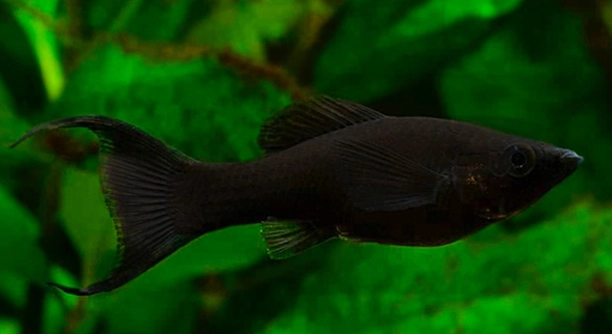
Black Mollies are a popular choice for home aquariums due to their striking color and peaceful nature. Many beginners find it rewarding to watch them swim gracefully while maintaining a simple tank setup.
Caring for Black Mollies involves maintaining clean water, providing a balanced diet, regulating temperature and pH levels, and ensuring enough space for swimming. Consistent monitoring and proper tank management are essential for their overall health and well-being.
By understanding these basic principles, you can create a thriving environment and enjoy the presence of healthy, active Black Mollies.
Setting Up the Right Tank
A proper tank is essential for Black Mollies to thrive. Start with a minimum of 20 gallons, as these fish enjoy swimming freely and need space to reduce stress. Use a sturdy filter to maintain clean water and prevent buildup of harmful toxins. Keep the water temperature between 72 and 78°F and check pH levels regularly, ideally around 7.5 to 8. Provide hiding spots using plants or decorations, which help your fish feel secure. Lighting should mimic natural conditions, avoiding direct sunlight that can cause algae growth. Regular water changes, about 25% weekly, will keep the environment healthy. Black Mollies are sensitive to sudden changes, so any adjustments should be gradual. Monitor their behavior to catch early signs of stress or illness. Observing your tank daily helps ensure your fish remain active and healthy. Tank maintenance is a consistent commitment but pays off with vibrant, thriving fish.
Clean water and proper space are crucial for keeping your Black Mollies active and healthy.
A well-maintained tank reduces disease risk, keeps water chemistry stable, and encourages natural behavior. Regular observation allows you to notice any issues quickly. Choosing the right substrate, such as fine gravel, and adding live plants improves oxygen levels and provides hiding spaces. A good filtration system removes debris while aeration ensures sufficient oxygen circulation. Maintaining consistent lighting supports their natural cycles and overall activity. Overcrowding can cause stress, so avoid keeping too many fish together. Black Mollies also benefit from occasional enrichment, such as rearranging decorations or adding floating plants, which encourages exploration. By setting up and maintaining the right environment, you create conditions where Black Mollies can display their full range of behavior, from playful swimming to peaceful schooling. Understanding the importance of water quality, space, and tank accessories ensures their long-term health and enjoyment in your aquarium.
Feeding Your Black Mollies
Black Mollies require a varied diet for optimal health. Feed them a combination of high-quality flakes, pellets, and occasional live or frozen foods.
A balanced diet keeps them healthy and supports growth, coloration, and energy levels.
Supplementing with vegetables like spinach or zucchini provides essential nutrients and prevents dietary deficiencies. Feed small amounts 2-3 times daily, ensuring they consume food within a few minutes. Overfeeding can cause water quality issues, so monitor portions carefully. Rotating between protein-rich and plant-based foods maintains a proper nutritional balance. Treats such as brine shrimp or daphnia can be added weekly to promote natural foraging behaviors. Fresh, clean water is critical during feeding, as leftover food can pollute the tank and lead to algae growth. Observing your fish while eating helps identify changes in appetite or activity, which can signal early signs of health issues. Proper feeding routines contribute to vibrant coloration, energetic movement, and overall longevity in your Black Mollies.
Monitoring Water Quality
Regular testing is essential to keep Black Mollies healthy. Check ammonia, nitrite, nitrate, and pH levels at least once a week.
Maintaining stable water conditions prevents stress and disease. Use a reliable test kit and record readings to spot trends over time. Water temperature should remain between 72 and 78°F, with gradual adjustments to avoid shocking the fish. Perform partial water changes weekly, about 25%, to remove waste and replenish minerals. Avoid sudden chemical treatments unless necessary, as Mollies are sensitive to abrupt changes. Introducing new fish requires quarantine to prevent infections. Consistent monitoring ensures the tank remains safe, supporting active swimming, feeding, and natural behavior. Over time, observing these parameters helps identify issues before they affect your fish.
Observing your Black Mollies daily complements water testing. Watch for changes in swimming patterns, appetite, or color. Early intervention can prevent illness and improve long-term survival.
Tank Mates and Social Behavior
Black Mollies are peaceful and thrive with other non-aggressive fish. Choose companions with similar size and water requirements to prevent stress.
Schooling with compatible species enhances their activity and reduces boredom. Avoid aggressive or fin-nipping fish that may harm them. Introducing new tank mates gradually helps establish harmony and prevents territorial disputes. Mollies may tolerate livebearers like guppies or platies, which share similar environmental needs. Keeping groups of at least three Mollies encourages natural social interactions, reducing stress and promoting healthy behavior. Observe group dynamics to ensure all fish are feeding and swimming well. Proper selection of tank mates fosters a balanced environment and a more visually appealing aquarium, where each species can thrive without conflict.
Providing adequate hiding spots and open swimming areas helps support social interactions. Plants and decorations allow shy Mollies to retreat, while open areas let dominant fish establish territories. Monitoring behavior during feeding times ensures all fish receive proper nutrition and reduces aggression. Adjustments like rearranging decorations or temporarily separating aggressive individuals may be necessary to maintain balance. A well-planned tank setup, combined with compatible companions, results in a harmonious environment where Black Mollies exhibit natural behaviors, vibrant coloration, and active movement, making care more manageable and enjoyable.
Breeding Black Mollies
Black Mollies breed easily in home aquariums. Keep a ratio of more females than males to reduce stress.
Provide plants or breeding mops for fry to hide. Remove adults if possible to prevent them from eating the young.
Maintaining Tank Cleanliness
Regular cleaning is crucial for healthy fish. Remove uneaten food, vacuum the substrate, and clean the filter monthly to maintain water quality.
Handling Common Health Issues
Black Mollies are prone to fin rot, ich, and internal parasites. Quarantine new fish and monitor for symptoms like discoloration, lethargy, or frayed fins. Early treatment prevents serious illness and keeps the tank stable.
Temperature and pH Control
Stable temperature and pH are critical. Use a heater to maintain 72–78°F and monitor pH around 7.5–8. Frequent checks prevent stress and disease in Black Mollies.
FAQ
How often should I feed my Black Mollies?
Feed small amounts 2-3 times a day, ensuring they finish within a few minutes. Overfeeding can foul the water and lead to health issues. A mix of flakes, pellets, and occasional vegetables keeps them healthy and maintains vibrant coloration.
Can Black Mollies live with other fish?
Yes, they are peaceful and do well with other non-aggressive species of similar size. Avoid fin-nippers or overly territorial fish. Keeping them in groups of at least three encourages natural social behavior and reduces stress.
How do I prevent fin rot?
Maintain clean water and avoid overcrowding. Quarantine new fish and monitor for frayed or discolored fins. Treat early with appropriate medication if signs appear. Proper nutrition and stable water conditions help prevent outbreaks.
What is the ideal tank size for Black Mollies?
A minimum of 20 gallons is recommended. This provides enough space for swimming, reduces stress, and allows proper filtration. Overcrowding increases aggression and the risk of disease. Adequate space also supports breeding and natural activity.
How do I care for Black Molly fry?
Provide dense plants or breeding mops for hiding. Separate fry from adults to prevent predation. Feed finely crushed flakes or specialized fry food multiple times a day. Maintain stable water conditions to ensure proper growth.
What water conditions do Black Mollies prefer?
They thrive in slightly alkaline water with pH around 7.5–8. Maintain temperature between 72–78°F. Regular water testing and weekly partial changes keep the environment safe. Avoid sudden changes in water chemistry to reduce stress.
Why are my Black Mollies losing color?
Color fading often indicates stress, poor diet, or inadequate lighting. Ensure a varied diet with both protein and vegetables. Maintain stable water quality and provide natural light cycles to preserve their vibrant black coloration.
How can I tell if my Black Mollies are healthy?
Healthy Mollies are active, swim smoothly, and have bright coloration. Appetite should be consistent, and fins should be intact. Watch for unusual behavior, lethargy, or rapid gill movement, which may indicate illness. Early observation prevents serious health issues.
Do Black Mollies need live plants in the tank?
Live plants are helpful but not essential. They provide hiding spots, improve water quality, and reduce stress. Floating plants and dense foliage encourage natural behavior and give fry protection. Artificial plants can be used but don’t contribute to water oxygenation.
How often should I change the water?
Perform a 25% water change weekly to maintain water quality. Clean the substrate, remove debris, and monitor chemical levels. Regular changes prevent toxin buildup, reduce algae, and promote healthy, active fish. Consistency is key to long-term care.
Can Black Mollies tolerate cooler water?
They prefer stable, warm temperatures. Short periods of slightly cooler water may be tolerated, but prolonged drops below 72°F can cause stress and illness. A reliable heater ensures consistent temperature and reduces health risks.
What should I do if my Mollies are stressed?
Identify the source, such as overcrowding, poor water quality, or aggressive tank mates. Adjust conditions gradually, provide hiding spaces, and maintain a balanced diet. Stress reduction helps prevent disease and encourages normal behavior and growth.
How do I introduce new fish safely?
Quarantine new arrivals for at least two weeks to prevent disease introduction. Introduce slowly, observing interactions to ensure compatibility. Monitor water parameters and adjust gradually to match the established tank’s conditions, reducing stress for all fish.
Are Black Mollies prone to any specific diseases?
They are susceptible to ich, fin rot, and internal parasites if water quality is poor or stress is high. Maintaining stable conditions, proper diet, and regular observation reduces the risk. Early treatment is critical to prevent serious illness.
Can I breed Black Mollies in a community tank?
Yes, but fry survival is low without protection. Dense plants or a separate breeding tank increase survival rates. Keep a ratio of more females to males to reduce stress, and remove adults from fry areas when possible. Regular feeding and stable water conditions improve outcomes.
How long do Black Mollies typically live?
With proper care, they can live 3-5 years. Longevity depends on stable water conditions, a balanced diet, and attentive tank maintenance. Observing behavior and addressing issues promptly ensures they remain healthy throughout their lifespan.
What kind of filter is best for Black Mollies?
A gentle, reliable filter that maintains water quality without creating strong currents is ideal. Sponge filters or low-flow canister filters work well. Proper filtration supports oxygenation, removes debris, and helps prevent disease. Regular cleaning ensures long-term efficiency.
How much light do Black Mollies need?
Provide a natural light cycle of about 10–12 hours per day. Avoid direct sunlight to prevent algae growth. Consistent lighting supports normal behavior, feeding patterns, and coloration while maintaining a stable environment.
Is it necessary to feed vegetables to Black Mollies?
Yes, occasional vegetables like spinach or zucchini provide essential nutrients and fiber. Plant matter supports digestion, coloration, and overall health. Feed small amounts 2-3 times a week alongside protein-rich foods for a balanced diet.
What should I do if a fish gets sick?
Isolate the sick fish immediately to prevent spreading disease. Test water parameters, adjust conditions, and apply appropriate treatment. Monitor remaining fish closely and continue maintenance to support recovery and prevent future outbreaks.
This FAQ covers essential care, feeding, breeding, and health practices, ensuring your Black Mollies thrive in a well-maintained aquarium environment. Regular observation, stable water conditions, and proper nutrition are key to their long-term health and activity.
Caring for Black Mollies is rewarding when the basics are followed consistently. Maintaining clean water, a proper temperature, and stable pH levels is essential for their health. A well-sized tank with enough swimming space helps reduce stress and encourages natural behavior. Regular observation of your fish allows you to notice changes in appetite, coloration, or activity, which can indicate potential health issues. Providing hiding spots with plants or decorations gives them security, while open areas let them swim freely. These small adjustments make a significant difference in their overall well-being. Over time, following a simple routine of water changes, feeding, and monitoring creates a stable environment where Black Mollies can thrive. By paying attention to their needs, you ensure that they remain active, healthy, and vibrant, making the aquarium experience enjoyable and manageable. Consistency and attentiveness are the foundation of successful care for these fish.
Feeding Black Mollies a varied diet supports their growth, coloration, and energy levels. Combining high-quality flakes or pellets with occasional live or frozen foods provides protein, while vegetables like spinach or zucchini supply essential nutrients and fiber. Overfeeding should be avoided, as leftover food can pollute the water and contribute to algae growth. Dividing meals into small portions multiple times a day ensures that all fish get enough to eat without overloading the tank. Introducing occasional treats, such as brine shrimp or daphnia, can encourage natural foraging behavior and provide enrichment. Observing your fish during feeding also helps identify appetite changes, which may indicate health concerns early on. By establishing a balanced feeding routine and monitoring intake, you support their long-term health and prevent common dietary issues. A consistent diet combined with proper tank care helps your Black Mollies maintain their energy, coloration, and overall vitality throughout their life.
Maintaining social harmony and monitoring tank conditions are equally important for Black Mollies. They thrive in groups and interact well with other peaceful, similarly sized fish. Aggressive or fin-nipping species should be avoided, as these can cause stress and injury. Providing enough space, hiding areas, and gradual introductions of new tank mates helps maintain balance. Health management is another key aspect, as Black Mollies are prone to fin rot, ich, and other illnesses if water quality declines. Quarantining new fish, performing regular water tests, and keeping up with maintenance routines minimize risks. Breeding requires additional attention, including providing protection for fry and monitoring adult behavior to prevent predation. By combining proper tank setup, compatible companions, and attentive care practices, you create an environment that supports the natural behavior, health, and longevity of Black Mollies. Consistent care ensures a thriving, visually appealing aquarium that is easy to maintain and enjoyable to watch.

Hello,
If you enjoy the content that we create, please consider saying a "Thank You!" by leaving a tip.
Every little bit helps us continue crafting quality advice that supports the health, happiness, and well-being of pets around the world, for pets of all shapes, sizes, and species.
We really appreciate the kindness and support that you show us!