
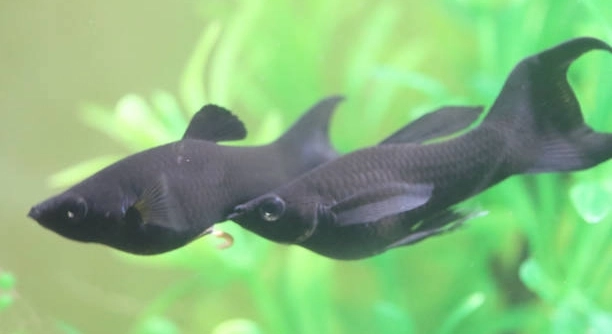
Do you ever find yourself watching your Black Molly swim peacefully while wondering how outside noises affect them? These small fish can be lively and social, but their reactions to sudden sounds can be surprising at times.
Black Mollies are sensitive to loud noise, as sudden or persistent sounds can cause stress and erratic swimming. Excessive noise may impact their feeding, growth, and overall health, making it important to maintain a calm environment in their aquarium.
Keeping your tank area quiet can improve their well-being and help them feel more secure in their surroundings.
Understanding Noise Sensitivity in Black Mollies
Black Mollies are naturally alert fish, and their sensory systems are designed to detect changes in their environment. Loud noises, vibrations, or sudden movements near the tank can trigger stress responses, including rapid swimming, hiding, or unusual aggression. Even consistent background sounds, such as music or a television nearby, can create subtle stress over time. Stress affects their immune system, leaving them more prone to disease and slower to heal from minor injuries. Observing their behavior daily can help identify patterns in how they react to different sounds. Creating a stable, quiet environment can make a significant difference in keeping them healthy. Some Mollies may adjust to certain low-level noises, but abrupt or repeated loud noises remain stressful. Maintaining a peaceful tank area not only supports their physical health but also encourages natural behaviors like schooling, exploring, and feeding without constant alarm signals.
Providing a calm space reduces stress and allows Black Mollies to thrive more naturally.
Noise sensitivity varies among individual fish, but consistent stress can have lasting effects. Some Mollies may be more skittish than others, making monitoring their environment crucial for long-term health and stability.
Signs Your Black Mollies Are Stressed by Noise
Changes in swimming patterns, loss of appetite, or frequent hiding are common indicators of noise-related stress.
Prolonged exposure to loud sounds can weaken their immune system and slow growth. Stress may also make them more aggressive toward tank mates or cause unusual color fading. By observing subtle changes in behavior, such as rapid gill movement or sudden darting, you can identify the triggers that disturb them. Adjusting the tank location away from high-traffic areas or using soft background sounds instead of abrupt noises can improve their comfort. Some Black Mollies may recover quickly from brief disturbances, while others need extended calm periods to return to normal activity. Providing plants, decorations, or hiding spaces helps them feel secure and reduces stress. Consistent, gentle care, along with a quiet environment, allows them to express natural behaviors and maintain overall health without the constant interference of loud noises. Awareness and small adjustments can make a big difference in their daily life and long-term well-being.
How Loud Noises Affect Their Behavior
Sudden loud sounds can make Black Mollies swim erratically or hide for long periods. Repeated disturbances can lead to constant stress, affecting their eating habits and social interactions with other fish in the tank.
Stress from noise can disrupt their normal routines. Black Mollies may stop schooling or exploring the tank, and some may even avoid feeding if the environment feels unsafe. Over time, chronic stress can weaken their immune system, making them prone to infections or illnesses. Even small disturbances, like tapping on the glass or sudden movements nearby, can trigger a stress response, which is why maintaining a quiet, stable tank environment is essential for their overall well-being and natural behavior.
Noise can also trigger aggression among Black Mollies. When stressed, they may chase each other more than usual or become territorial. This aggression can injure fins or scales, further increasing vulnerability to disease. Providing hiding spots, stable water conditions, and minimal disturbances can reduce these stress-induced behaviors, helping them maintain healthier interactions.
Creating a Calm Aquarium Environment
Positioning the tank away from loud appliances and high-traffic areas reduces stress for Black Mollies.
Using decorations, plants, and rocks creates safe zones where fish can retreat. Soft, consistent background noise is less stressful than sudden bursts of sound, and regular maintenance ensures their environment stays stable. Keeping routines consistent, such as feeding times and light cycles, also helps them feel secure. Even minor adjustments, like moving the tank slightly away from foot traffic or closing doors to noisy rooms, can improve their comfort. Monitoring their reactions after changes allows you to fine-tune the setup. A calm environment promotes normal behaviors, reduces stress, and supports their health.
Common Sources of Loud Noise
Household activities like vacuuming, loud music, or sudden movements near the tank can startle Black Mollies. Even outside traffic or construction sounds may transmit vibrations through walls and floors.
Unexpected tapping on the glass or slamming doors creates stress. Mollies react strongly to these sudden noises, often swimming frantically or hiding for extended periods.
Reducing Noise Impact in the Tank
Adding plants, rocks, and other hiding spots gives Black Mollies safe areas to retreat when startled. Soft background noise, like gentle water flow or an air stone, can mask sudden sounds and create a more consistent, calming environment. Regular feeding and lighting schedules also help them feel secure.
Observing Recovery After Disturbances
After loud noises, Black Mollies may need time to return to normal behavior. Watching their swimming patterns and feeding habits helps gauge their stress levels.
Are Black Mollies affected by everyday household noise?
Yes, Black Mollies can be affected by everyday noises such as vacuuming, music, or conversations near their tank. While minor background noise may not cause significant harm, sudden or loud sounds can startle them. They rely on a stable environment to feel secure and maintain normal behaviors. Even small disturbances like tapping on the glass can trigger stress responses.
How can I tell if my Black Mollies are stressed by noise?
Signs of stress from noise include erratic swimming, frequent hiding, loss of appetite, or color fading. Some Mollies may become aggressive toward tank mates or avoid certain areas of the tank. Observing their behavior after a loud noise can help identify patterns. Over time, chronic stress can weaken their immune system, making them more prone to illness.
Do all Black Mollies react the same way to loud sounds?
Not all Mollies respond the same. Some are naturally more skittish or sensitive, while others may adjust to low-level background noise. Individual temperament, age, and past experiences with disturbances play a role. Younger or newly introduced Mollies often take longer to acclimate, and their stress response can be stronger initially.
What can I do to minimize stress from noise?
Creating a quiet, stable environment is key. Place the tank away from high-traffic areas and loud appliances. Add plants, rocks, and decorations to provide hiding spots. Consistent feeding and lighting schedules help Mollies feel secure. Using soft water movement or gentle filtration reduces sudden disturbances, making the tank less stressful overall.
Will constant loud noise harm their health?
Yes, prolonged exposure to loud noise can affect health. Chronic stress weakens the immune system, slows growth, and may lead to infections or fin damage. It can also disrupt natural behaviors, like schooling or feeding. Minimizing exposure and providing a calm environment improves long-term health and supports normal activity levels.
Can Mollies recover after being stressed by noise?
Mollies can recover if given a calm environment. After a loud noise, they may hide or swim nervously, but with consistent quiet surroundings, they typically return to normal behavior. Recovery is faster when hiding spots, stable water conditions, and a predictable routine are provided. Monitoring their recovery helps ensure they are fully comfortable.
Is it necessary to monitor noise levels in an aquarium?
Yes, monitoring noise levels is important for their well-being. Even subtle vibrations from nearby activity can create stress over time. Observing how Mollies respond to different sounds allows you to adjust the environment and protect their health. Small changes, like moving the tank or adding barriers, can make a noticeable difference.
Do tank mates influence stress from noise?
Yes, interactions with other fish can either help or worsen stress. Calm tank mates can provide a sense of security, while aggressive or equally stressed fish may increase anxiety. Providing enough space, hiding spots, and monitoring behavior ensures all fish feel safe during disturbances.
Are there specific noises that are more stressful than others?
Sudden, sharp, or continuous loud noises are the most stressful for Black Mollies. Examples include slamming doors, banging furniture, or construction sounds. Even repeated tapping on the glass can cause fear. Consistent, gentle sounds, like soft water flow or filtration, are less disturbing. Avoiding sudden changes in noise levels reduces overall stress.
How long should I wait before introducing new sounds to the tank?
Introduce any new sounds gradually. If you want to play music or allow occasional household noise, start quietly and observe the Mollies’ reaction. Increase volume slowly while watching for stress signs. Gradual exposure helps them adjust without causing sudden fear, while abrupt changes can lead to long-lasting stress effects.
Do Black Mollies need complete silence to thrive?
Complete silence is not necessary, but a stable, calm environment is essential. Background noise that is consistent and gentle is usually tolerated. The key is avoiding sudden loud noises or frequent disturbances that trigger stress. Providing hiding spots and maintaining predictable routines ensures they can thrive even with some ambient sounds.
Can stress from noise affect breeding?
Yes, excessive stress can interfere with breeding behavior. Stressed Mollies may hide more, eat less, or become less active, which can reduce mating chances. Ensuring a quiet, stable environment with adequate hiding spaces supports natural breeding behavior and improves the health of both adults and fry.
What is the best way to create a quiet aquarium space?
Place the tank in a low-traffic area away from loud appliances. Use soft decorations and plants to buffer vibrations. Keep consistent feeding, lighting, and maintenance routines. Gentle filtration and soft water movement help mask sudden noises. Observing Mollies’ reactions after adjustments allows you to fine-tune the setup for optimal comfort.
How often should I check for stress signs related to noise?
Daily observation is recommended. Watch swimming patterns, hiding behavior, feeding habits, and color changes. Early detection of stress allows for quick adjustments to the environment. Consistently monitoring behavior helps prevent chronic stress and keeps Black Mollies healthy and active in the long term.
Can other pets affect noise levels in the tank?
Yes, pets like dogs or cats can create vibrations or sudden sounds near the aquarium. Even footsteps or tail movements against furniture can be noticeable. Minimizing disturbances by placing the tank away from active areas or using barriers helps reduce stress for the fish and maintains a peaceful environment.
Do all tank setups influence noise sensitivity the same way?
No, tank size, decorations, and water filtration affect how sound travels. Smaller tanks may transmit vibrations more noticeably, while heavily planted or decorated tanks buffer noise better. Gentle filtration and adequate hiding spots can reduce stress, and observing individual Mollies helps determine if the environment is suitable for their comfort.
Is stress from noise reversible in older Mollies?
Yes, older Mollies can recover, though it may take longer than for younger fish. Providing a quiet environment, hiding spots, and stable routines encourages recovery. Chronic stress over months may leave some lingering effects, so consistent care is important to help older fish regain normal behaviors.
Can I use soundproofing materials near the tank?
Yes, soft mats, foam, or wall padding near the aquarium can reduce vibrations and muffle external noise. These simple measures help minimize stress triggers. Combining soundproofing with calm routines and proper tank setup creates a more secure environment, allowing Black Mollies to behave naturally and maintain better overall health.
How does water movement interact with noise stress?
Gentle water movement, like from a soft filter or air stone, creates consistent background sound that can mask sudden noises. Rapid or turbulent water movement may increase stress. Monitoring the flow and ensuring it is gentle helps Black Mollies feel secure while also supporting oxygenation and healthy swimming conditions.
Do seasonal changes in household noise affect them?
Yes, seasonal activities like holiday gatherings or renovations can increase noise levels temporarily. Mollies may show stress responses during these periods. Providing extra hiding spots, maintaining feeding routines, and minimizing additional disturbances helps them cope until the environment returns to normal levels.
Is it necessary to separate stressed fish from others?
Separation is not always required unless stress leads to aggressive interactions or persistent hiding. Providing enough space, hiding spots, and monitoring behavior usually resolves stress without isolation. Separation should be temporary and only used when necessary to prevent injury or excessive anxiety.
Can stress from noise affect lifespan?
Chronic stress can negatively impact lifespan by weakening the immune system and causing long-term health issues. Reducing noise disturbances, providing a calm environment, and maintaining proper care helps Black Mollies live longer, healthier lives while expressing natural behaviors and thriving in their aquarium.
Are some noise reduction strategies more effective than others?
Yes, combining multiple strategies is most effective. Positioning the tank away from traffic, using plants and decorations as buffers, maintaining stable routines, and adding soft background water movement all work together. Observing individual fish reactions ensures the chosen strategies provide the maximum benefit.
How quickly do Black Mollies adapt to reduced noise?
Adaptation varies, but most Mollies show improvement within a few days of consistent quiet conditions. Hiding decreases, feeding becomes regular, and swimming patterns normalize. Patience and observation are key, as each fish adjusts at its own pace depending on previous stress levels and personality.
Can lighting and noise interact to influence stress?
Yes, inconsistent lighting combined with loud noises increases stress. Predictable light cycles help Mollies anticipate day and night patterns, which supports calm behavior. Sudden changes in lighting or noise can startle them, so maintaining both consistent lighting and a quiet environment reduces overall stress.
Are Black Mollies more sensitive to noise than other fish?
While sensitivity varies, Black Mollies are generally more responsive to environmental disturbances than some other species. Their social and alert nature makes them reactive to sudden sounds and vibrations. Providing a calm environment benefits them more noticeably compared to fish that tolerate higher levels of ambient noise.
Can I train them to tolerate some noise?
Gradual exposure to consistent, gentle noise may help some Mollies adjust over time. Start with low-level sounds and slowly increase while monitoring behavior. Abrupt or intense noise remains stressful, so careful, controlled exposure combined with hiding spots and stable routines is the safest approach for long-term comfort.
How do I know if my adjustments are working?
Monitor swimming behavior, feeding patterns, and hiding frequency. Reduced frantic swimming, more regular feeding, and normal color indicate that changes are effective. Observing interactions with tank mates and overall activity levels also helps gauge success. Adjustments should be ongoing until Mollies consistently show calm, healthy behavior.
Can stress from noise cause long-term behavioral changes?
Yes, prolonged stress can lead to chronic hiding, aggression, or loss of schooling behavior. Early intervention and maintaining a stable environment help prevent these long-term effects. Consistent care and observation are key to ensuring Mollies regain normal activity and maintain social and feeding routines.
Are there signs that noise is not a factor in their stress?
If Mollies show stress without any identifiable loud noises or disturbances, other factors like water quality, temperature, or tank mates may be responsible. Observing patterns and ruling out environmental triggers helps pinpoint the actual cause of stress, ensuring appropriate solutions for their well-being.
Do all hiding spots help reduce noise stress equally?
No, hiding spots that are easily accessible and provide full coverage are more effective. Plants, caves, and rocks that break line of sight reduce stress better than open shelters. Placement and density of hiding areas influence their sense of security and help Mollies recover faster from disturbances.
Is it necessary to inform others in the household about noise sensitivity?
Yes, sharing awareness helps minimize accidental disturbances. Simple measures like closing doors quietly, avoiding loud activities near the tank, and keeping consistent routines ensure all household members contribute to a calm environment for the fish. Consistency across the household supports long-term health.
How often should tank conditions be reassessed for stress management?
Regular assessment is important. Weekly observation of behavior, hiding patterns, and feeding habits helps identify stress triggers. Adjusting placement, noise reduction measures, and tank setup as needed ensures Mollies remain comfortable and reduces the risk of chronic stress affecting health and behavior.
Black Mollies are small, lively fish that can bring a lot of enjoyment to a tank, but they are sensitive to their environment, especially loud noises. Their reactions to sudden or repeated sounds are natural responses to potential danger. Even everyday household sounds, like a vacuum or footsteps near the tank, can startle them. Stress caused by noise can affect their swimming patterns, feeding habits, and interactions with other fish. Over time, consistent disturbances may weaken their immune system or slow their growth. By understanding how noise affects them, it becomes easier to create an environment where they feel secure and can behave naturally. Watching their daily behavior, such as schooling, hiding, or color changes, provides important clues about their comfort levels. Simple adjustments, like moving the tank away from busy areas, adding plants or decorations, and maintaining a stable routine, can make a noticeable difference in reducing stress.
Providing hiding spots and gentle water movement can help Mollies cope with unavoidable sounds. Many fish benefit from places to retreat when they feel threatened, and Black Mollies are no different. Plants, rocks, and caves create areas where they can feel safe, giving them control over their surroundings. Gentle filtration or soft bubbles from an air stone can also mask sudden noises, creating a steady background that feels less alarming. Predictable feeding and lighting schedules contribute to a sense of stability, which helps reduce stress responses. Each fish may react differently, so observing how your Mollies respond to changes is important. Some may adjust quickly, while others need more time to feel secure. Consistency, patience, and careful observation help ensure that the environment supports their health and natural behavior.
Noise sensitivity is only one aspect of caring for Black Mollies, but it plays a significant role in their overall well-being. By minimizing loud or abrupt sounds and providing a calm, stable habitat, you can improve their quality of life and support healthier growth and social behavior. Regular observation allows you to spot signs of stress early, ensuring timely adjustments to their environment. Even small changes, such as moving the tank or adding decorations, can create a more comfortable space. Ultimately, a quiet and predictable environment helps Black Mollies thrive, reducing stress and allowing them to display natural behaviors. Understanding and addressing noise sensitivity is an important step in responsible fishkeeping, creating a tank that is healthier and more enjoyable for both the fish and those who care for them.

Hello,
If you enjoy the content that we create, please consider saying a "Thank You!" by leaving a tip.
Every little bit helps us continue crafting quality advice that supports the health, happiness, and well-being of pets around the world, for pets of all shapes, sizes, and species.
We really appreciate the kindness and support that you show us!