
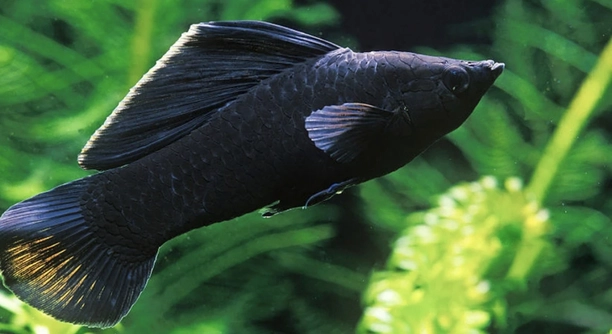
Black Mollies are popular aquarium fish known for their calm nature and striking appearance. Many fishkeepers enjoy their presence but often wonder how much space they need and how they move in their tanks.
Black Mollies generally prefer horizontal space over vertical space. They are active swimmers that navigate side to side and benefit from wide tanks that allow them to explore. Vertical space is less critical but can support occasional surface activity.
Providing the right tank layout helps maintain their health and encourages natural behaviors, ensuring your Black Mollies feel comfortable and active in their environment.
Understanding Black Molly Swimming Behavior
Black Mollies are naturally active fish that spend most of their time swimming horizontally near the middle or top layers of the tank. They are not strong vertical swimmers, so tall tanks alone do not satisfy their need for movement. Providing wide open spaces allows them to glide and explore freely, reducing stress and promoting healthy activity. These fish often swim in groups, and tight or crowded tanks can lead to aggressive behavior or constant hiding. They also enjoy plants and decorations that do not block their horizontal paths, offering resting spots and areas to explore without restricting movement. Observing their patterns can help you determine the best tank setup. Adjusting water flow and avoiding clutter ensures they swim comfortably and interact naturally. Monitoring their behavior daily helps maintain both their health and the aesthetics of your aquarium.
Horizontally spacious tanks help Black Mollies feel secure while encouraging swimming and social interaction.
Designing a tank with enough width improves water circulation and allows the fish to exercise naturally. It also supports social behaviors like schooling and reduces territorial disputes. Decorations should enhance horizontal movement rather than block it. Plants, rocks, or ornaments can create zones for resting and exploring while leaving open swimming lanes. Using a flat substrate rather than tall structures ensures they do not feel trapped, as Black Mollies rely on side-to-side navigation. Wide tanks also make feeding easier and prevent crowding at the surface. Keeping water conditions stable in a spacious tank helps reduce stress-related illnesses. Observing swimming patterns can reveal preferences for different tank zones, which can guide adjustments. Overall, a horizontally oriented layout ensures a balanced, healthy environment for these lively fish.
Tank Dimensions and Setup
A tank at least 20 inches long provides adequate horizontal space for Black Mollies to swim comfortably.
Choosing the right dimensions balances swimming space, decorations, and social interactions.
Black Mollies do best in tanks that are wider than they are tall. A length of 20 inches or more is ideal for small groups, while larger setups benefit from even more horizontal room. Width matters as much as length because it allows them to move freely without feeling crowded. Vertical height can be moderate, just enough to accommodate surface activity and gentle swimming above plants. Decorations should be low-profile, avoiding tall obstructions that limit their horizontal paths. Adding floating plants or gentle currents can enrich their environment without restricting movement. When planning a tank, consider both the number of fish and their need for personal space. Properly sized tanks reduce stress, prevent aggressive behavior, and encourage healthy swimming and socialization. These adjustments lead to stronger, more active, and visually engaging Black Mollies.
Water Flow and Its Impact
Black Mollies prefer gentle water flow that allows them to swim without struggling. Strong currents can tire them out and make certain areas of the tank less accessible. Moderate circulation helps maintain oxygen levels and encourages natural swimming patterns.
Too strong a current can stress Black Mollies, limiting their activity and causing them to hide. Gentle, consistent water movement simulates natural conditions while keeping the tank clean. Positioning the filter outlet to create mild currents along the horizontal plane encourages them to swim freely without being pushed around. Avoid placing decorations directly in the path of flow, as this can trap fish or create dead spots. By adjusting water flow, you maintain a balance between clean water and comfortable swimming, supporting both physical health and natural behavior. Observing how your Black Mollies respond helps you fine-tune the setup.
Moderate flow also prevents stagnant areas that can accumulate debris and waste. It allows food to disperse more evenly, reducing competition and stress during feeding. When designing the tank, consider how water moves around plants and ornaments. Flow that follows a horizontal path complements their swimming habits and encourages exploration. Proper water movement also supports oxygenation, which is crucial for their metabolism. In a well-flowing tank, Black Mollies exhibit brighter colors, more active swimming, and natural social behavior. Adjusting the flow gradually allows them to adapt without sudden stress, keeping the environment stable.
Decorations and Swimming Space
Overcrowding a tank with tall or bulky decorations limits horizontal swimming space. Low-profile decorations maintain open lanes for movement while still offering hiding spots and resting areas.
Decorations should not obstruct the main swimming paths of Black Mollies. Horizontal space is critical for their health, so choose plants, rocks, and ornaments that are low or spread out. Floating plants can provide cover without blocking movement, and scattered small hiding spots satisfy their need for security. Avoid tall towers or closely packed structures that force fish to swim vertically or squeeze through tight gaps. Maintaining open areas encourages natural schooling behavior and reduces stress. Observing their interaction with the environment helps adjust decoration placement.
Arranging decorations to maximize horizontal space also improves aesthetics and water circulation. Spread ornaments along the tank’s length rather than stacking them vertically, leaving clear swimming lanes. Position plants and rocks in clusters but keep spaces between them to allow unobstructed movement. Floating plants add visual interest and surface coverage without blocking the mid or lower sections. This arrangement lets Black Mollies explore freely, promoting exercise and natural behavior. Low-profile hiding areas allow retreat when needed, balancing security with open swimming. Adjusting decorations gradually ensures fish adapt comfortably while maintaining optimal tank space. Proper layout supports both their physical health and active lifestyle.
Feeding and Space Considerations
Feeding Black Mollies requires attention to their swimming habits. They spread out to eat, so horizontal space helps prevent overcrowding at the surface. Proper spacing reduces competition and ensures all fish get adequate nutrition.
Small, frequent feedings work best. Horizontal swimming areas allow them to reach food easily without fighting or stressing each other.
Tank Mates and Horizontal Space
Choosing compatible tank mates depends on the horizontal swimming area. Fast or territorial fish can stress Black Mollies in narrow tanks. Wide tanks allow each species to maintain personal space, reducing conflict and promoting peaceful coexistence.
Breeding Behavior
Black Mollies use horizontal space for courtship displays and chasing. Limited width can restrict these natural behaviors, affecting breeding success.
Observation and Adjustment
Regular observation helps identify if the tank’s horizontal layout meets their needs. Adjustments can improve activity and reduce stress.
FAQ
Do Black Mollies need a tall tank?
Black Mollies do not require tall tanks. They are horizontal swimmers that spend most of their time in the middle or upper levels of the tank, so width is more important than height. A moderate height can accommodate surface activity, but tall structures do not significantly benefit them.
How much horizontal space is ideal for Black Mollies?
A minimum of 20 inches in length is recommended for small groups, with additional width improving swimming freedom. Horizontal space allows them to swim side to side, interact naturally, and maintain proper social behaviors without overcrowding. More space helps reduce stress and aggressive interactions.
Can decorations affect their swimming habits?
Yes, decorations can restrict movement if they are tall or closely packed. Low-profile ornaments, scattered rocks, and strategically placed plants maintain open lanes for swimming. Floating plants provide cover without blocking horizontal space, letting Black Mollies explore freely while having resting areas.
Do Black Mollies need a strong water current?
No, strong currents can tire them out and make parts of the tank inaccessible. Gentle, consistent water flow helps maintain oxygen levels and encourages natural swimming patterns. Position filter outlets to create mild horizontal movement rather than vertical surges.
Can overcrowding affect their health?
Overcrowding reduces horizontal swimming space, leading to stress, aggression, and health problems. Wide tanks allow each fish to have personal space, supporting physical activity, feeding, and social behavior. Crowded tanks can result in weaker immune systems and stunted growth.
How do Black Mollies interact with tank mates?
They prefer peaceful, similarly sized fish. Fast or territorial species in narrow tanks can stress them. Sufficient horizontal space allows each species to maintain distance, reducing conflicts. Observing interactions helps determine if tank mates are compatible.
Do they need horizontal space for breeding?
Yes, breeding behavior involves chasing and courtship displays. Limited horizontal space restricts these natural behaviors, affecting reproduction success. Proper tank length allows males and females to interact without constant stress or territorial disputes.
How should I arrange plants and ornaments?
Keep tall or dense decorations away from main swimming lanes. Cluster low plants and small rocks along tank edges, leaving clear horizontal paths. Floating plants add cover without blocking movement. Adjust decorations gradually so fish adapt comfortably.
Does tank width affect feeding?
Yes, wide tanks reduce competition at the surface. Horizontal space allows Black Mollies to reach food easily without stress or fighting. Frequent small feedings work best in spacious tanks, ensuring all fish receive nutrition.
How can I tell if they need more space?
Signs include constant hiding, aggression, or sluggish swimming. Observing their patterns shows whether horizontal lanes are sufficient. Adjusting tank layout, decorations, or tank size improves activity, reduces stress, and encourages natural behavior.
Can I keep Black Mollies in a vertical tank?
Vertical tanks are not ideal. They limit swimming space and restrict social and breeding behaviors. Moderate height is fine for occasional surface activity, but width and length are essential for their overall health and activity.
Do they enjoy open water areas?
Yes, open areas are essential. They allow exercise, exploration, and schooling. Providing unobstructed horizontal lanes supports natural movement and reduces stress. This improves both physical health and social interactions.
What role does observation play in tank setup?
Regularly observing Black Mollies helps identify if they have enough horizontal space, proper flow, and suitable decorations. Noticing behavior, feeding, and interactions allows adjustments to maintain a balanced and comfortable environment for active, healthy fish.
Is horizontal space more important than tank height?
Yes, horizontal space is far more important. While some vertical room supports surface swimming, most of their activity is side to side. Prioritizing length and width over height ensures better swimming, social interaction, and overall well-being.
How can I optimize space in smaller tanks?
Use low-profile decorations, spread plants, and maintain open swimming lanes. Avoid overcrowding with tank mates, and ensure gentle water flow. Maximizing horizontal space within a smaller tank helps maintain activity and reduces stress, even if total volume is limited.
Do Black Mollies prefer tanks with floating plants?
They appreciate floating plants because these provide cover without blocking horizontal swimming. Floating plants allow them to hide or rest near the surface while leaving plenty of space below for free movement. They create a balanced environment without restricting activity.
How often should I check if space is sufficient?
Observe daily. Watch for aggressive interactions, hiding, sluggish swimming, or crowding during feeding. Adjust tank layout, decorations, or group size if any signs of stress appear. Consistent monitoring ensures long-term health and natural behavior.
Does horizontal space impact their lifespan?
Yes, providing adequate horizontal space reduces stress, prevents injury from collisions, and encourages activity. Fish in spacious tanks tend to be healthier, more active, and live longer, while cramped conditions can contribute to disease and shortened lifespans.
Are there any benefits to vertical swimming areas?
Vertical space supports occasional surface activity and floating plant interaction but does not replace horizontal space. Moderate height allows them to explore the top layers safely, complementing their primary horizontal swimming needs.
Can tank layout influence schooling behavior?
Yes, proper horizontal space encourages schooling, allowing Black Mollies to swim together naturally. Obstructed lanes or crowded tanks disrupt social behaviors, increasing stress and aggression. Open horizontal paths support group cohesion and active movement patterns.
What adjustments can improve small tank conditions?
Reduce tank mates, use low-profile decorations, and optimize open swimming lanes. Adjust gentle water flow to encourage horizontal movement. Feeding small portions more frequently also helps reduce stress and competition, making limited space more manageable.
How do I balance decoration and swimming space?
Decorations should provide cover and enrichment without blocking main lanes. Low plants, small rocks, and floating elements maintain security while preserving horizontal movement. Gradually adjust placement to allow natural exploration and prevent overcrowding in key swimming areas.
Are wider tanks more visually appealing for Black Mollies?
Yes, wide tanks not only support health and activity but also display their natural movement and schooling behavior. Horizontal swimming showcases their colors and patterns better than taller, narrow tanks, making aquariums more engaging to watch.
Does water quality depend on tank space?
Indirectly, yes. Adequate space reduces stress, improves feeding efficiency, and prevents overcrowding, all of which contribute to better water quality. Wide tanks also allow better circulation and reduce stagnant areas where debris can accumulate, supporting a cleaner environment.
How can I make a small tank work temporarily?
Prioritize open horizontal lanes, limit the number of Black Mollies, and use low-profile decorations. Gentle water flow and frequent observation help manage stress. While not ideal long-term, careful adjustments allow temporary housing without severely impacting health.
Can horizontal space affect color intensity?
Yes, active swimming in sufficient horizontal space promotes health, which enhances color. Cramped or stressful conditions can dull pigmentation. Ensuring open lanes and freedom to explore helps Black Mollies display their natural vibrant colors more consistently.
What is the simplest way to check if they have enough space?
Observe swimming patterns. Fish should move freely without crowding or hiding excessively. If they avoid certain areas or show aggression, the tank may be too narrow, indicating the need for additional horizontal space or layout adjustments.
Do they need personal space within the tank?
Yes, personal space prevents stress and aggression. Horizontal space allows each fish to establish areas for resting, feeding, and social interaction, reducing conflict and promoting a healthier, more active environment for all occupants.
How important is tank length versus height?
Tank length is significantly more important than height. Length supports horizontal swimming, social interactions, feeding, and natural behavior. Moderate height is sufficient for occasional vertical movement but cannot replace adequate horizontal room, which directly affects health and activity levels.
Can adjusting tank decorations change their behavior?
Yes, moving or removing tall, crowded decorations opens swimming lanes and encourages activity. Low-profile adjustments allow exploration while maintaining hiding spots, helping Black Mollies feel secure and reducing signs of stress or aggression.
Is horizontal space important for juveniles and adults alike?
Yes, all life stages benefit from open horizontal lanes. Juveniles need room to grow and explore, while adults require space to maintain activity, social behavior, and natural interactions, ensuring healthy development and long-term well-being.
How does tank width impact group dynamics?
Sufficient width allows Black Mollies to school naturally without constant competition. Crowded horizontal space can lead to aggression, chasing, and stress. Proper width ensures peaceful interactions, exercise, and balanced social behavior across the group.
Do Black Mollies swim more during the day or night?
They are generally more active during the day. Horizontal swimming space lets them explore, feed, and interact naturally. At night, they may rest among low plants or open areas, emphasizing the importance of unobstructed lanes for both active and resting periods.
What role do floating plants play in stress reduction?
Floating plants provide cover at the surface, giving Black Mollies a sense of security without blocking horizontal swimming paths. This balance allows them to rest or hide when needed while maintaining activity in open areas.
Can adjusting horizontal space prevent aggressive behavior?
Yes, open swimming lanes reduce crowding and territorial disputes. Sufficient horizontal space allows each fish to move freely, lowering stress and aggressive interactions. Layout adjustments often resolve behavior issues without changing tank mates.
How often should tank layout be reviewed?
Regularly, especially when adding fish, changing decorations, or observing stress behaviors. Reviewing the layout ensures horizontal space remains sufficient, supporting health, activity, and social interaction. Small adjustments can have a significant impact.
Do Black Mollies benefit from low or mid-height plants?
Yes, low or mid-height plants provide resting areas and visual interest without blocking horizontal swimming paths. This arrangement supports activity, exploration, and natural hiding behavior while preserving sufficient open lanes.
Is it necessary to increase tank width as the group grows?
Yes, more fish require additional horizontal space to maintain natural swimming, reduce aggression, and prevent overcrowding. Proper scaling of tank size ensures the group remains healthy and active.
Can horizontal space influence feeding hierarchy?
Yes, open space allows equal access to food, reducing competition. Crowded tanks create dominant-submissive dynamics, where some fish may not eat enough. Providing ample swimming lanes ensures all Black Mollies feed comfortably.
Does tank layout affect exercise and health?
Absolutely. Open horizontal lanes encourage swimming, which strengthens muscles, supports metabolism, and reduces stress. Limited space leads to inactivity, potential weight issues, and weakened immune systems. Proper layout is critical for overall health and vitality.
Are Black Mollies comfortable in tanks with uneven layouts?
Uneven layouts with blocked lanes or tall obstructions restrict natural movement. They may hide more or avoid certain areas. Consistent horizontal lanes with scattered low decorations promote comfort, exploration, and active behavior.
How do I know if floating plants are sufficient?
If fish use them for resting or hiding without limiting movement, the coverage is sufficient. Avoid over-planting, which can block horizontal lanes and restrict swimming space, counteracting the benefits of these plants.
Do Black Mollies need separate swimming lanes for each fish?
Not strictly, but adequate horizontal space allows individual movement alongside group swimming. Open lanes reduce stress, support schooling, and prevent aggressive interactions, ensuring a balanced environment.
Can tank width affect reproduction success?
Yes, horizontal space allows natural courtship and chasing behaviors. Cramped tanks limit these interactions, reducing breeding success. Wide tanks support mating rituals and safer egg-laying conditions.
How important is personal space during feeding?
Critical. Crowded areas lead to stress, competition, and uneven nutrition. Open horizontal swimming lanes allow each fish to feed without interference, supporting health and reducing aggressive encounters.
Does rearranging the tank disturb the fish?
Some disturbance is expected, but gradual changes are less stressful. Adjusting decorations slowly maintains open lanes while allowing fish to adapt to new layouts. Sudden major changes can cause temporary hiding or stress.
Are there signs that the tank layout is optimal?
Active swimming, peaceful interactions, consistent feeding, and use of both open lanes and hiding spots indicate a suitable layout. Fish appear vibrant, explore freely, and interact naturally, showing comfort with the environment.
How can I maintain horizontal space with decorations?
Place low-profile ornaments along tank edges, scatter plants without crowding, and leave clear lanes. Floating plants provide surface cover while keeping mid-level swimming paths open. Gradual adjustments help maintain balance between aesthetics and swimming freedom.
Do Black Mollies adapt to limited space over time?
They may adapt behaviorally but often show signs of stress, reduced activity, or aggression. While they survive, optimal horizontal space is necessary for long-term health, natural behavior, and vibrant appearance.
Is tank width more important than water depth for juveniles?
Yes, even young Black Mollies benefit more from horizontal space than additional depth. Side-to-side movement supports growth, exercise, and social behavior, whereas extra height contributes little to overall development.
Can tank mates affect horizontal swimming?
Yes, fast or aggressive species in narrow tanks can force Black Mollies to avoid certain areas, reducing swimming freedom. Proper tank width minimizes these conflicts, allowing coexistence without stress or behavioral suppression.
How do I measure if horizontal space is enough?
Observe schooling, feeding, and exploration. Fish should swim freely without hiding excessively or showing aggression. If movement is restricted or stress behaviors appear, the tank may need more horizontal room or layout adjustments.
Do Black Mollies enjoy open lanes for play?
Yes, they use open horizontal lanes for swimming, chasing, and exploring. Providing unobstructed space encourages natural behavior, improves health, and allows social interactions without stress or overcrowding.
Can horizontal space reduce disease risk?
Yes, adequate swimming lanes reduce stress, prevent injuries, and lower the chance of infections related to overcrowding or aggressive encounters. Healthy movement and less stress support a stronger immune system.
Are wide tanks better for multiple groups?
Absolutely. Multiple groups require separate lanes for peaceful coexistence. Wide tanks reduce overlap, aggression, and competition, ensuring each group has space to swim, feed, and rest comfortably.
Do Black Mollies interact more in horizontal space?
Yes, open horizontal areas encourage social behavior, schooling, and natural chasing. Cramped tanks limit these interactions, increasing stress and aggression while reducing natural activity levels.
How does horizontal space affect color and vitality?
Freedom to swim promotes exercise, reduces stress, and supports overall health. Active, unstressed fish display brighter colors, stronger fins, and better vitality compared to those in cramped, narrow tanks.
Can rearranging plants improve horizontal swimming?
Yes, moving tall or dense plants to tank edges opens lanes and allows freer movement. Gradual adjustments maintain exploration opportunities while reducing stress from blocked pathways.
Does horizontal space matter for winter or low-light periods?
Yes, even during less active periods, open lanes allow movement, resting, and access to feeding areas. Sufficient horizontal room maintains comfort and reduces stress year-round.
How can I maximize horizontal space in limited setups?
Use low-profile ornaments, spread plants, leave clear swimming lanes, and avoid tall or bulky decorations. Regular observation ensures fish remain active and comfortable despite limited tank dimensions.
Do Black Mollies prefer groups in wide tanks?
Yes, spacious horizontal lanes support schooling and social behavior. Groups can swim side by side without crowding, reducing stress and encouraging natural interaction among tank mates.
Is tank length more important than width?
Length supports side-to-side movement and social behavior, but width also matters to reduce competition. Both dimensions work together, but length is the primary factor for swimming freedom.
How can I tell if my tank layout is working?
Healthy activity, peaceful interactions, schooling, and even feeding are indicators. Fish that explore freely and use both open lanes and resting areas show the layout meets their horizontal space needs.
Do Black Mollies need space for exercise?
Yes, horizontal lanes allow regular swimming, which is crucial for muscle development, metabolism, and overall health. Restricted space reduces activity, potentially leading to stress and weakened immune function.
Can horizontal space influence fin health?
Yes, free swimming prevents fins from rubbing against decorations or other fish. Adequate lanes reduce damage and promote proper growth, supporting both health and appearance.
Are longer tanks better for aggressive pairs?
Yes, extra horizontal space allows individuals to establish personal areas, reducing conflict. It prevents constant chasing and gives both fish room to retreat if needed.
Do Black Mollies use the top of the tank frequently?
Occasionally, for surface swimming or feeding. Moderate height supports this behavior, but most activity occurs horizontally. Open lanes at mid-levels are essential for natural movement.
Can tank width affect feeding efficiency?
Yes, open horizontal lanes reduce competition and crowding during feeding, ensuring all fish get access to food without stress or aggressive encounters.
How can I balance decoration aesthetics with horizontal space?
Use low-profile ornaments along edges, scatter small plants, and leave clear lanes. Floating plants add visual interest without blocking movement, maintaining both function and aesthetics.
Do juveniles need more horizontal space than adults?
They need space relative to their size for growth and exercise, but adults require even more absolute horizontal space due to body size and social behavior. Proper scaling ensures health at all stages.
Are horizontal lanes more important than hiding spots?
Both are important, but horizontal lanes take priority for swimming, feeding, and social interactions. Hiding spots can be incorporated without blocking primary movement areas.
Does water current interact with horizontal space?
Yes, gentle flow along horizontal lanes encourages swimming and exploration. Strong currents or vertical surges can reduce effective swimming area and stress the fish.
Can horizontal space influence long-term behavior?
Yes, adequate lanes encourage natural activity, schooling, and social interactions. Cramped tanks can lead to long-term stress, aggression, and behavioral suppression.
Do Black Mollies use bottom areas of the tank?
Occasionally for resting or exploring, but most activity occurs in mid-level horizontal lanes. Open space at this level is more critical than bottom coverage.
Are wider tanks better for mixed species?
Yes, horizontal space allows each species to maintain distance and reduces conflict, supporting peaceful coexistence and natural behavior patterns.
Can tank layout improve color and activity simultaneously?
Yes, maximizing horizontal lanes while maintaining low-profile hiding spots encourages activity, reduces stress, and supports vibrant coloration and overall health.
Does adding tall decorations limit schooling?
Yes, tall or dense structures block horizontal paths, preventing natural side-by-side swimming. Low-profile arrangements maintain schooling opportunities and open swimming lanes.
How can I monitor horizontal space effectiveness?
Observe swimming freedom, feeding patterns, social interactions, and hiding behavior. Adjust layout or tank size if fish appear stressed, inactive, or aggressive, ensuring proper horizontal room.
Do Black Mollies prefer long tanks over square tanks?
Yes, elongated tanks provide uninterrupted horizontal lanes, allowing natural swimming, social interaction, and exploration. Square or
Black Mollies are active, social fish that thrive when their tank supports their natural swimming habits. Horizontal space is the most important factor in keeping them healthy and happy. Tanks that are wide and long allow them to move freely, interact with each other, and explore their environment without feeling stressed or crowded. While vertical space can support occasional surface activity, it does not replace the need for open horizontal lanes. A proper layout with low-profile decorations, scattered plants, and open swimming areas ensures they have room to exercise, feed, and display natural behaviors. Observing their daily activity helps you understand whether your setup meets their needs and if adjustments are necessary.
Providing adequate horizontal space also impacts their social behavior and overall health. Black Mollies often swim in groups, and if space is restricted, they may become aggressive or hide frequently. Wider tanks reduce these conflicts, allowing each fish to establish personal zones while maintaining group cohesion. Decorations, rocks, and plants should be arranged to preserve these open areas without making the tank feel empty. Floating plants can give them cover near the surface while keeping the main swimming lanes clear. Maintaining moderate water flow along horizontal paths encourages movement and keeps the environment clean without tiring them. By considering these elements together, you create a space that supports both their physical health and mental well-being.
Even in smaller tanks, careful planning of horizontal space can make a difference. Low-profile ornaments, proper placement of plants, and mindful arrangement of feeding areas can improve movement and reduce stress. Observing how Black Mollies respond to the layout is key; they will indicate through behavior if they feel comfortable or restricted. Adequate swimming space promotes exercise, vibrant coloration, healthy feeding habits, and social interaction. Taking the time to provide the right environment benefits their overall lifespan and quality of life. Prioritizing horizontal space in tank setup is one of the most effective ways to ensure your Black Mollies are active, content, and thriving.

Hello,
If you enjoy the content that we create, please consider saying a "Thank You!" by leaving a tip.
Every little bit helps us continue crafting quality advice that supports the health, happiness, and well-being of pets around the world, for pets of all shapes, sizes, and species.
We really appreciate the kindness and support that you show us!