
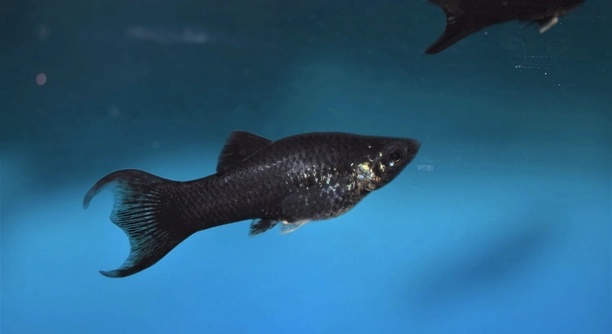
Black mollies are popular freshwater fish known for their shiny black scales and active swimming. Many owners notice their mollies constantly swimming near the glass, which can be puzzling and sometimes worrying for first-time aquarists.
Black mollies often swim at the glass due to a combination of curiosity, social interaction, and environmental factors. They may be responding to reflections, exploring their surroundings, or seeking stimulation in tanks with limited enrichment.
Observing their behavior closely can reveal patterns and help you create a more engaging habitat for your fish. Small adjustments can make a noticeable difference in their comfort and activity.
Understanding Their Natural Instincts
Black mollies are naturally active and curious fish. In the wild, they explore shallow waters, searching for food, shelter, and safe areas to hide. Swimming near surfaces or edges helps them monitor their surroundings. When kept in an aquarium, this instinct often carries over. They may investigate reflections on the glass, mistaking them for other fish, or they could simply be drawn to movement outside the tank. Their constant motion is a sign of healthy energy and alertness. A tank without enough stimulation, such as plants, hiding spots, or open swimming space, can make them fixate on the glass. Providing a varied environment with decorations, floating plants, and gentle currents helps redirect their attention. Observing how they respond to changes in the tank setup can give insights into their preferences. Black mollies benefit from environments that mimic aspects of their natural habitat, which encourages more balanced, relaxed behavior and reduces glass-focused swimming.
Adding plants or driftwood can reduce glass swimming and provide comfort.
A well-decorated tank gives black mollies places to explore, hide, and interact with their environment naturally. By arranging plants at different levels, including both floating and rooted varieties, fish can swim through vertical spaces and feel secure. Driftwood or smooth rocks create visual barriers and resting spots, making the tank less monotonous. Proper lighting and gentle filtration also affect activity levels, as bright, flickering light or strong currents may encourage hiding rather than exploration. Observing how mollies use these structures informs adjustments to improve their habitat.
Feeding and Attention Factors
Regular feeding routines can influence swimming patterns.
Black mollies often swim at the glass if they associate people with food. Inconsistent feeding schedules or long gaps can increase anticipation and excitement whenever someone approaches the tank. They may also respond to shadows or movements outside the aquarium. Overfeeding or giving them the wrong type of food can lead to lethargy or health issues, which may change swimming behavior. Ensuring a balanced diet with quality flake food, occasional frozen treats, and vegetables keeps them active and healthy. Watching their reactions at feeding time helps owners understand their behavior patterns. The goal is to meet their nutritional needs without encouraging obsessive glass-focused behavior.
Feeding habits, environmental changes, and tank layout all influence glass swimming. Understanding these elements helps create a calmer, more engaging space for your fish. Proper routines, combined with a stimulating tank setup, can reduce restless activity and promote more natural swimming behaviors. Simple changes, like introducing new decorations, rotating plants, or offering occasional live foods, can keep black mollies entertained and less focused on the glass. Monitoring water quality, temperature, and compatibility with other fish also plays a role, as stress from poor conditions often manifests as repetitive swimming along the glass. Providing predictable feeding times and varied enrichment ensures mollies remain healthy, content, and active throughout the day, making their aquarium a more pleasant place for both the fish and the owner.
Tank Size and Space
Small tanks limit movement and can make black mollies fixate on the glass. They need enough room to swim freely and explore, otherwise, repetitive behaviors become more noticeable.
A properly sized tank reduces stress and supports natural activity. Black mollies require at least 20 gallons for a small group. Overcrowding can lead to aggression, limited swimming space, and increased competition for resources. Adding vertical space with plants or decorations allows them to use different swimming levels. Adequate room also improves water quality, as overcrowded tanks accumulate waste faster, impacting fish health and behavior. Observing how mollies interact in a spacious environment often shows reduced glass swimming and more balanced activity.
Tank layout and space influence comfort and activity levels. Uneven decorations, hiding spots, and open swimming areas encourage exploration. When mollies have enough space, they are less likely to fixate on the glass, instead using the tank fully. Regularly adjusting or adding new elements keeps their environment dynamic.
Water Quality and Maintenance
Poor water conditions can stress black mollies, making them swim at the glass more frequently.
Maintaining clean water is crucial for their health and behavior. Ammonia, nitrite, and nitrate levels must be monitored regularly. Sudden changes in temperature or pH can cause discomfort, prompting fish to seek the glass or edges. Frequent partial water changes, proper filtration, and regular testing ensure a stable environment. Black mollies are sensitive to chemical imbalances and fluctuations, which can lead to lethargy, erratic swimming, or even illness. Keeping a consistent routine helps them feel secure and reduces repetitive behaviors.
Regular maintenance promotes healthier fish and calmer swimming patterns. Cleaning the substrate, removing uneaten food, and checking filter function prevents buildup of harmful substances. A stable temperature and pH, along with adequate aeration, support natural behavior. Providing a routine helps mollies anticipate feeding and reduces stress-related glass swimming. Water conditioners and occasional tank inspections keep the environment safe. With consistent care, black mollies display more natural movement, explore decorations, and interact with tank mates instead of constantly hovering near the glass. Observing their response to clean, stable water confirms the importance of maintenance.
Social Behavior
Black mollies are social fish that enjoy interacting with tank mates. Swimming near the glass can be a way of seeking attention or showing interest in movement outside the tank.
They often mirror other fish or respond to reflections. A lack of companions can increase glass-focused swimming and restlessness.
Stress and Environmental Factors
Stress from sudden changes in lighting, temperature, or tank decorations can make black mollies hover near the glass. Maintaining a stable environment with consistent routines, gentle lighting, and minimal sudden disturbances helps them feel secure. Proper acclimation when introducing new items or fish reduces stress and encourages normal swimming patterns. Observing their reactions to minor changes allows adjustments that keep them comfortable and engaged in the tank.
Breeding Instincts
Pregnant female mollies or males displaying courtship behavior may swim near the glass more often, showing heightened activity related to reproduction.
FAQ
Why do black mollies swim at the glass so often?
Black mollies swim at the glass for several reasons, including curiosity, social interaction, and environmental stimulation. They may see their reflection and mistake it for another fish or respond to movement outside the tank. Limited tank decorations or space can also make them focus on the glass more than other areas.
Is swimming at the glass a sign of stress?
Not always, but it can be. Stress from poor water quality, temperature fluctuations, or sudden changes in lighting can lead to repetitive swimming. Observing other signs like clamped fins, rapid breathing, or erratic movements helps determine if stress is the cause.
Can tank size affect this behavior?
Yes. Small or overcrowded tanks restrict natural swimming space. Black mollies need enough room to move freely. A minimum of 20 gallons for a small group allows them to explore and reduces repetitive glass swimming. Adding vertical space and hiding spots also encourages natural activity.
Do reflections cause black mollies to swim at the glass?
Reflections can trigger this behavior. Mollies are curious and may perceive their reflection as another fish. This is common in brightly lit tanks or tanks with plain glass. Adding decorations, plants, or a background can help reduce focus on reflections.
Does feeding routine influence glass swimming?
Yes, black mollies often associate humans with feeding. Inconsistent schedules or long gaps can make them anticipate food and swim near the glass. Regular feeding routines and balanced diets reduce stress and hyperactive behavior, while occasional treats like frozen foods or vegetables keep them engaged.
Can water quality affect glass swimming?
Poor water quality can lead to stress and unusual behaviors, including swimming at the glass. High ammonia, nitrite, or nitrate levels, sudden pH changes, or temperature fluctuations can make mollies uncomfortable. Frequent water changes, proper filtration, and monitoring water parameters create a stable environment.
Does social interaction matter?
Black mollies are social fish. Lack of companions may increase glass-focused swimming as they look for interaction. Keeping a small group of compatible fish provides stimulation and reduces repetitive behavior. Observing their interactions helps determine if social needs are being met.
How do decorations impact this behavior?
Decorations, plants, and hiding spots redirect attention from the glass. Mollies enjoy exploring different levels and structures in the tank. Adding driftwood, smooth rocks, and both floating and rooted plants encourages natural exploration and reduces boredom-driven swimming at the glass.
Do breeding instincts cause glass swimming?
Yes. Pregnant females or males during courtship often become more active, including swimming near the glass. This is a natural part of reproductive behavior and typically temporary. Providing calm areas and sufficient space helps mollies manage this heightened activity.
What other signs indicate a problem?
Look for clamped fins, lethargy, rapid breathing, or changes in appetite. These, combined with constant glass swimming, may indicate stress or illness. Regular monitoring, proper tank maintenance, and adjustments to feeding, space, or social conditions help ensure mollies remain healthy and comfortable.
Can adjusting lighting help?
Bright or flickering lighting can make mollies uncomfortable, prompting glass-focused swimming. Gentle, consistent lighting with areas of shade or floating plants reduces stress. Gradual light changes simulate a natural day-night cycle and support calmer, more balanced behavior.
Are black mollies naturally active fish?
Yes. Black mollies are energetic by nature. They swim constantly in search of food, interaction, and exploration. Providing a large tank, environmental enrichment, and compatible tank mates channels this activity in healthy ways, rather than fixating on the glass.
How long does this behavior usually last?
Glass swimming may persist if the tank lacks stimulation or space. With proper adjustments in environment, feeding, and social conditions, most mollies reduce this behavior and display more natural, varied swimming patterns over time. Regular observation helps track improvements.
Can diet changes reduce glass swimming?
Offering a varied diet keeps mollies engaged and less likely to focus on the glass. High-quality flakes, occasional frozen foods, and fresh vegetables provide nutrition and stimulation. Avoid overfeeding, as excess food can affect water quality and indirectly increase stress-related behaviors.
Is it necessary to consult a veterinarian?
If constant glass swimming is accompanied by other signs of illness, a vet specializing in fish may help. Persistent stress, disease, or unusual behavior can require professional advice to prevent long-term health issues and ensure the tank conditions support well-being.
How do I balance observation and interference?
Watching your mollies helps identify triggers, but avoid tapping the glass or making sudden movements. Gentle adjustments to tank conditions, feeding routines, and decorations are usually sufficient to encourage natural behavior without causing additional stress.
Can introducing new tank mates help?
Yes, when done carefully. Introducing compatible species provides social interaction and stimulation. Avoid overcrowding or aggressive species. Gradual introductions and monitoring behavior ensure mollies adjust well and reduce glass-focused swimming caused by boredom or loneliness.
Does tank background matter?
A background can minimize reflections and reduce glass-focused swimming. Plain or mirrored surfaces often cause mollies to see their reflection repeatedly. Adding a solid-colored or decorative background shifts their attention to the interior of the tank, encouraging more natural exploration.
Are there permanent solutions to glass swimming?
Permanent elimination may not be realistic, as curiosity is natural. However, consistent maintenance, a spacious, enriched environment, stable water quality, social companions, and proper feeding routines significantly reduce excessive glass-focused behavior, keeping mollies healthy, active, and content in their home.
Black mollies are lively and curious fish that naturally explore their surroundings. Swimming near the glass is a behavior that can seem puzzling at first, but it usually has simple explanations. Many black mollies focus on the glass because they are responding to movement, reflections, or environmental factors in their tank. This behavior is often more noticeable in smaller tanks or when the environment is not enriched with plants, hiding spots, or decorations. Mollies are sensitive to their surroundings, and even minor changes in light, temperature, or layout can influence their activity. Understanding this helps create a comfortable space for them and reduces unnecessary worry about their behavior.
Proper tank setup is one of the most effective ways to manage excessive glass swimming. Providing enough space for movement is essential, with at least 20 gallons recommended for a small group of mollies. Vertical space and multiple levels created with plants or decorations allow fish to explore freely and occupy different parts of the tank. A well-decorated aquarium mimics aspects of their natural habitat, encouraging more varied and natural behavior. Social interaction also plays a key role. Black mollies are communal fish, and keeping a small group of compatible tank mates prevents loneliness and reduces glass-focused swimming. Observing how mollies interact with each other and with new additions or changes helps identify what keeps them engaged and content.
Maintaining a stable, clean environment is equally important for their overall well-being. Regular water changes, monitoring temperature and pH, and keeping ammonia, nitrite, and nitrate levels under control ensures a healthy habitat. Feeding routines with balanced diets of high-quality flakes, occasional frozen foods, and vegetables support energy levels and reduce stress. Addressing breeding behavior, stress triggers, and reflections in the tank can also help moderate glass swimming. While curiosity will always be part of a black molly’s nature, thoughtful attention to tank size, environmental enrichment, water quality, and social needs can significantly reduce repetitive glass-focused behavior. With consistent care and observation, black mollies remain active, healthy, and comfortable, allowing owners to enjoy their playful and engaging personalities.

Hello,
If you enjoy the content that we create, please consider saying a "Thank You!" by leaving a tip.
Every little bit helps us continue crafting quality advice that supports the health, happiness, and well-being of pets around the world, for pets of all shapes, sizes, and species.
We really appreciate the kindness and support that you show us!