
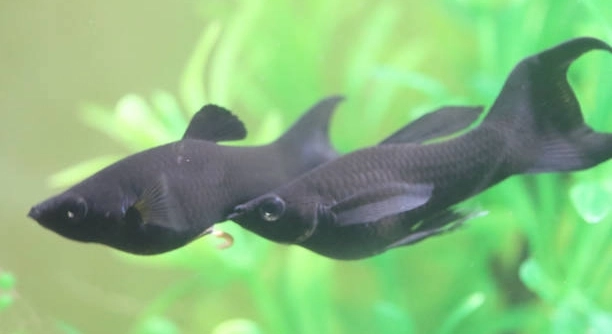
Do you enjoy keeping freshwater aquariums but find yourself worrying when one of your Black Mollies seems unwell? Watching a sick fish can be stressful, especially when you want to help it recover quickly and safely.
The key to helping a sick Black Molly recover is to maintain optimal water conditions, provide a nutritious diet, and address any signs of illness promptly. Regular observation and proper tank hygiene are essential for restoring the fish’s health.
Taking the right steps early can prevent further illness and improve your Molly’s chances of a full recovery. Proper care ensures a healthier, happier aquatic environment.
Identifying Common Illnesses in Black Mollies
Black Mollies can develop several health issues, often showing early signs that are easy to miss. Fin rot is common, appearing as frayed or discolored fins. Ich, a parasitic infection, causes tiny white spots on the body and fins. Velvet disease shows as a gold or rust-colored dust covering the fish. Swim bladder problems may cause the fish to float awkwardly or struggle to maintain balance. Stress, poor water quality, and sudden temperature changes often trigger these illnesses. Observing your Black Molly daily can help catch symptoms early before they worsen. Keeping a log of behavior changes, appetite loss, or unusual swimming patterns provides useful information for treatment. Early intervention greatly improves recovery chances. Treating the water, adjusting diet, and separating affected fish can help prevent spread. Each disease has specific treatments, but proper tank maintenance and observation remain the foundation of fish health. Vigilance and consistent care can prevent many common problems in Black Mollies.
Daily observation is critical, as early signs often appear subtly. Prompt action can prevent severe illness.
Consistently monitoring water parameters like pH, ammonia, and nitrate levels supports overall fish health. Sudden changes in temperature or introducing new fish without quarantine can increase the risk of disease. Maintaining a clean tank with regular water changes helps reduce pathogens and stress. Providing a balanced diet with occasional supplements strengthens the immune system, giving Black Mollies better resistance to infections. If illness is suspected, isolating the sick fish in a separate tank reduces the chance of spreading disease. Proper medication, if required, should be administered according to instructions. Small adjustments, such as improving aeration or adding hiding spots, can reduce stress and aid recovery. Paying attention to each fish’s behavior, appetite, and appearance allows timely action and keeps the tank healthy.
Creating an Ideal Recovery Environment
A stable environment encourages healing and minimizes stress.
Keeping the tank clean, maintaining consistent water temperature, and avoiding overcrowding are essential. Sick Black Mollies recover faster in calm, well-maintained conditions with proper nutrition.
Providing a quiet, stable environment helps your Black Molly regain strength. Remove aggressive tank mates and maintain water quality above standard levels. Using a quarantine tank for treatment ensures the main tank stays safe. Adding gentle filtration and hiding spots reduces stress and allows the fish to rest. Feeding small amounts of high-quality food supports recovery, and avoiding overfeeding prevents water quality issues. Monitor the fish closely for behavior changes or worsening symptoms. Sometimes subtle adjustments, like slightly warmer water within safe limits, can boost immunity. Patience is key; even minor improvements indicate recovery is underway. By maintaining a consistent, supportive environment, you improve the chances of full recovery and prevent relapses. Regular observation and careful adjustments create a safe space where your Black Molly can regain health effectively.
Proper Nutrition for Sick Black Mollies
Providing nutrient-rich food supports recovery and strengthens the immune system. High-quality flakes or pellets, supplemented with occasional live or frozen foods, ensure your Molly gets essential vitamins and minerals for healing. Avoid overfeeding to maintain water quality.
A balanced diet for a sick Black Molly should focus on easily digestible foods that are high in protein and vitamins. Foods such as brine shrimp, daphnia, or finely chopped bloodworms provide extra nutrition without stressing the digestive system. Vitamin-enriched flakes can supplement essential nutrients. Feeding smaller portions several times a day instead of one large meal helps prevent digestive issues and encourages the fish to eat consistently. Monitor appetite and adjust feeding amounts based on consumption to avoid water contamination.
Supplementing food with natural immune boosters like spirulina or garlic can aid recovery. These additions help reduce stress and improve overall vitality. Rotate foods to prevent nutritional deficiencies. Avoid sudden diet changes, as they may upset the fish’s digestive system. Maintaining consistency while offering variety ensures your Black Molly receives both nutrition and stimulation, supporting a stronger immune response and quicker healing. Proper diet management complements environmental care and treatment, making it a critical component of recovery.
Monitoring Health and Behavior
Regular observation is necessary to track improvements or detect worsening symptoms.
Watching swimming patterns, fin condition, and appetite helps identify subtle changes. Record behavior daily to notice trends that indicate recovery or stress.
Observing your Black Molly closely allows timely adjustments to treatment and care. Signs like lethargy, clamped fins, or erratic swimming may suggest the illness is persisting or worsening. Recording daily observations provides valuable information for making decisions on medication, water changes, or diet modifications. Comparing current behavior with baseline activity helps distinguish between normal variations and concerning symptoms. Immediate intervention when negative changes appear reduces the risk of prolonged illness and complications. Proper monitoring also ensures treatments are effective, and adjustments can be made efficiently.
In addition to behavior, monitoring water parameters is crucial. Even minor fluctuations in temperature, pH, or ammonia levels can stress a sick fish and slow recovery. Regular testing allows for corrective action before issues become serious. Combining careful observation with environmental management ensures the fish remains in optimal conditions for healing. Tracking changes over time also helps you anticipate potential problems, allowing proactive adjustments rather than reactive ones. This comprehensive approach promotes faster recovery and reduces the likelihood of relapses. Maintaining both behavioral and environmental awareness creates a stable, supportive setting for a sick Black Molly to regain health.
Quarantine and Isolation
Separating a sick Black Molly from healthy tank mates prevents the spread of disease. Use a small, properly filtered tank to provide a controlled environment for treatment and observation.
Isolation reduces stress and limits exposure to potential pathogens. A quarantine tank allows easier monitoring of behavior, appetite, and response to medication without interference from other fish.
Medications and Treatments
Treating a sick Black Molly often requires specific medications depending on the illness. Fin rot may need antibacterial treatments, while ich requires antiparasitic solutions. Always follow instructions carefully and avoid overdosing. Adjust water parameters if needed to enhance the effectiveness of treatment.
Preventing Future Illness
Maintaining consistent water quality, proper diet, and a stable environment helps prevent future health problems. Regular cleaning and monitoring are key to keeping Black Mollies healthy.
FAQ
How do I know if my Black Molly is sick?
Signs of illness include lethargy, clamped fins, loss of appetite, unusual swimming patterns, and changes in coloration. White spots, frayed fins, or a gold dust appearance may indicate common diseases like ich, fin rot, or velvet disease. Early detection improves recovery chances.
Can water quality affect my Molly’s health?
Yes, poor water conditions are a leading cause of illness. High ammonia, nitrite, or nitrate levels, sudden pH shifts, and inconsistent temperature can stress fish. Regular water testing, partial water changes, and proper filtration keep the environment safe and reduce disease risks.
How often should I feed a sick Black Molly?
Feed small amounts multiple times a day rather than one large portion. This encourages appetite and prevents digestive issues. Offer easily digestible foods like flakes, pellets, or small portions of brine shrimp. Monitor feeding closely and adjust portions if the fish isn’t eating.
Do I need to isolate a sick fish?
Yes, placing a sick Black Molly in a quarantine tank protects other fish from infection. Isolation allows controlled treatment, easier observation, and reduces stress from aggressive or active tank mates. Ensure the quarantine tank is clean, properly filtered, and at the correct temperature.
What treatments work for common Black Molly diseases?
Fin rot responds to antibacterial medications, while ich requires antiparasitic treatments. Velvet disease may need a copper-based solution. Follow dosage instructions carefully, adjust water parameters if necessary, and continue treatment until symptoms fully resolve. Monitor the fish closely throughout the process.
Can diet help recovery?
A nutrient-rich diet supports healing. Offer high-protein foods, vitamin-enriched flakes, and occasional live or frozen foods like daphnia or bloodworms. Supplementing with spirulina or garlic can boost immunity. Feed in small amounts to prevent overfeeding and maintain water quality.
How long does recovery take?
Recovery time varies depending on the illness and severity. Minor issues may resolve in a few days, while more serious infections could take weeks. Consistent care, proper diet, clean water, and stress reduction are critical for a full recovery. Patience and observation are key.
Should I adjust water temperature during illness?
Some illnesses improve slightly with warmer water within safe limits. Maintain stable temperatures suited for Black Mollies, usually 75–82°F (24–28°C). Avoid sudden changes, as fluctuations increase stress and slow healing. Monitor behavior to ensure the temperature is comfortable for recovery.
Is it safe to use medications in a tank with other fish?
It depends on the medication. Many treatments can harm healthy fish, making a quarantine tank preferable. Using medications in the main tank risks overdosing or stressing unaffected fish. Isolation ensures targeted treatment without impacting the rest of the community.
How can I prevent future illness?
Maintain consistent water quality, stable temperature, and proper nutrition. Avoid overcrowding and quarantine new fish before introducing them. Regular observation for early symptoms and timely intervention help reduce the risk of repeated illnesses, keeping your Black Mollies healthy and thriving.
Can stress cause illness in Black Mollies?
Yes, stress weakens the immune system and can trigger disease. Common stressors include poor water quality, sudden environmental changes, aggressive tank mates, or overcrowding. Minimizing stress through stable conditions, hiding spots, and gentle handling supports overall health and speeds recovery.
What should I do if my Black Molly stops eating?
Loss of appetite is a common illness indicator. Offer small portions of high-quality, easily digestible foods. Observe for other symptoms and consider isolating the fish for treatment. Improving water quality and reducing stress often helps restore appetite and encourages recovery.
Are there natural remedies that help recovery?
Certain natural additives like garlic or spirulina can boost immunity and reduce stress. While not a replacement for proper treatment, these supplements support overall health and can complement medication and environmental improvements during recovery.
How often should I check on a sick fish?
Observe the sick Black Molly at least twice daily. Monitor swimming, breathing, appetite, and appearance. Regular checks allow timely adjustments to diet, medication, or water conditions, improving the chance of a full and quick recovery.
Can multiple diseases occur at the same time?
Yes, stressed or weakened fish may develop more than one illness simultaneously. Monitor for overlapping symptoms like white spots with fin deterioration or lethargy combined with abnormal swimming. Timely treatment and environmental adjustments are essential to prevent worsening conditions.
What role does tank maintenance play in recovery?
Consistent cleaning, water changes, and filtration reduce harmful bacteria and parasites. Removing debris, uneaten food, and waste supports a healthy environment. Proper maintenance minimizes stress and complements treatment, creating optimal conditions for the Black Molly to heal fully.
Can adult Black Mollies recover as easily as young ones?
Recovery depends on the severity of illness rather than age alone. Adult fish may have stronger immune systems but could be more sensitive to stress. Consistent care, diet, and a stable environment are important for all ages to ensure successful recovery.
Is it necessary to consult a vet for fish illnesses?
For persistent or severe symptoms, consulting an aquatic veterinarian is advisable. Professional guidance ensures correct diagnosis, effective treatment, and avoids worsening conditions. Vets can recommend specific medications and interventions for complex or resistant cases.
How do I know when my Black Molly has fully recovered?
Full recovery is indicated by normalized swimming, restored appetite, vibrant coloration, and active behavior. Fins and scales should appear healthy, with no visible signs of disease. Continued monitoring ensures the fish remains strong and prevents relapse.
Can environmental enrichment help recovery?
Yes, providing hiding spots, gentle water flow, and low-stress surroundings helps the fish feel secure. Reduced stress allows better immune function and faster healing. Small adjustments like adding plants or rearranging decorations can improve comfort without causing disruption.
Caring for a sick Black Molly requires patience, attention, and consistency. Recovery does not happen overnight, and small daily actions make a significant difference. Observing your fish’s behavior, swimming patterns, and appetite allows you to identify changes early and take the appropriate steps. Even minor symptoms should not be ignored, as early intervention increases the chances of a full recovery. Maintaining clean water, a stable temperature, and proper nutrition forms the foundation of good care. A balanced diet, combined with occasional supplements, supports the fish’s immune system and overall vitality, making it easier for the Black Molly to fight off illness.
Isolation and careful treatment are also important components of the recovery process. Placing a sick fish in a quarantine tank allows for controlled care and prevents the spread of disease to healthy fish. Medications should be used according to instructions, and water conditions in the quarantine tank should be closely monitored to ensure they remain optimal. Observing the fish in isolation can also provide valuable information about how well it is responding to treatment. Adjustments can be made to the water temperature, filtration, or diet as needed. While it may feel tedious, consistent monitoring and gentle care create the conditions necessary for recovery. Avoid rushing the process, as stress or sudden changes can hinder healing.
Prevention is just as important as treatment. Regular water testing, consistent tank maintenance, and a proper diet can help reduce the likelihood of illness in the first place. Stress is a major factor that can weaken the immune system, so keeping the environment stable, providing hiding spaces, and avoiding overcrowding is essential. By observing the fish regularly and responding to changes promptly, you create an environment that promotes long-term health and well-being. Recovery requires commitment, but the reward is a healthy, active, and vibrant Black Molly that thrives in its aquarium. Taking these steps ensures your fish remains strong, reduces the risk of recurring illness, and provides a more enjoyable experience for anyone maintaining the tank.

Hello,
If you enjoy the content that we create, please consider saying a "Thank You!" by leaving a tip.
Every little bit helps us continue crafting quality advice that supports the health, happiness, and well-being of pets around the world, for pets of all shapes, sizes, and species.
We really appreciate the kindness and support that you show us!