
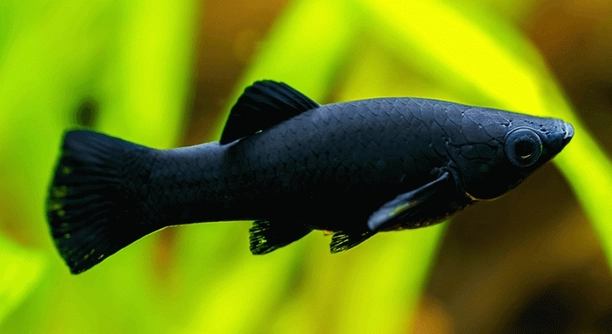
Are your Black Molly fish showing signs of stress after water changes? Maintaining a stable aquatic environment is essential for these peaceful freshwater fish. Proper care ensures they remain healthy, active, and vibrant in your aquarium.
Black Molly fish are sensitive to abrupt water changes. Sudden shifts in temperature, pH, or hardness can cause stress, weaken their immune system, and lead to illness. Gradual adjustments and monitoring water parameters help maintain their health and stability.
Understanding how water changes impact Black Mollies will improve their well-being and longevity. Following careful steps ensures a thriving, balanced environment for these delicate fish.
Why Black Mollies Are Sensitive
Black Mollies are naturally sensitive to changes in their environment. Their bodies have adapted to stable water conditions, so sudden shifts can easily upset their balance. Even minor fluctuations in temperature, pH, or hardness may stress them. When stressed, they may hide, reduce feeding, or show signs of disease. These fish thrive best in consistent water conditions that closely mimic their natural habitat. Frequent, unmonitored water changes can weaken their immune system over time. Even experienced aquarists notice that Black Mollies react more strongly than other community fish. To keep them healthy, it is important to monitor water parameters and maintain stability. Using proper acclimation techniques when introducing them to a new tank or after a water change helps prevent stress. Simple steps like gradually adjusting water temperature or adding conditioned water in stages can make a significant difference. Observation is key to spotting early signs of discomfort before serious problems develop.
Regular monitoring ensures your Black Mollies stay healthy and active, reducing the risk of illness.
Gradual water changes are the most effective way to maintain stability. Instead of replacing large portions of water at once, small, frequent adjustments prevent sudden stress. Using a thermometer, testing pH, and checking hardness ensures changes stay within safe ranges. Conditioned water helps remove chlorine and harmful chemicals. Observing fish behavior during and after changes provides feedback on their comfort level. Consistent care reduces the risk of disease and promotes natural activity. Feeding routines should also remain steady to avoid compounding stress. By paying attention to these details, you create an environment where Black Mollies can thrive, display vibrant colors, and interact normally with tank mates. These steps may seem small, but they have a large impact on their long-term health and overall well-being.
Tips for Successful Water Changes
Always introduce water gradually to avoid shocking your fish.
Planning water changes carefully ensures a stable habitat. Test water parameters before and after changes to match temperature, pH, and hardness. Remove only a small portion at a time, around 10–20 percent, to prevent sudden fluctuations. Use a dechlorinator or conditioner to remove harmful chemicals. Pour new water slowly along the tank wall to minimize disturbance. Observe your Black Mollies’ reactions, looking for signs of stress like hiding or erratic swimming. Maintain a regular schedule for water testing and changes to keep conditions consistent. Small, thoughtful adjustments reduce stress and support healthy growth. Consistency in routine and careful observation helps your fish adjust smoothly to changes without compromising their health or comfort. Over time, these practices build a strong foundation for a vibrant and stable aquarium environment that allows Black Mollies to thrive alongside their tank mates.
Common Signs of Stress in Black Mollies
Hiding frequently, loss of appetite, and clamped fins are clear signs of stress in Black Mollies. Erratic swimming or rapid gill movement also indicates discomfort. Recognizing these behaviors early helps prevent serious health issues and allows for quick adjustments in their environment.
Stress in Black Mollies often results from abrupt water changes or inconsistent tank conditions. When stressed, their immune system weakens, making them more prone to infections and disease. Maintaining stable water parameters, including temperature, pH, and hardness, is essential. Providing hiding spots and gentle filtration can reduce stress levels. Observing behavior closely helps identify subtle changes before they escalate. Small adjustments in care routines, like feeding and lighting, also contribute to a more stable and comfortable environment for these sensitive fish.
Physical signs such as faded coloration, frayed fins, or lethargy are indicators that water conditions may not be ideal. Monitoring tank parameters regularly ensures that any issues are addressed promptly. Overcrowding, aggressive tank mates, or sudden shifts in water quality can intensify stress. By keeping conditions consistent and making gradual changes, you can minimize the risk of long-term health problems. Black Mollies respond positively to stable care routines, and addressing stress early promotes their activity, vibrant appearance, and overall well-being.
Maintaining Ideal Water Conditions
Maintaining consistent water parameters is crucial for Black Mollies. Temperature should remain stable, pH balanced, and hardness appropriate. Regular testing prevents sudden changes that can harm the fish, ensuring they remain healthy and active.
Consistency in water quality reduces stress and supports growth. Black Mollies thrive in slightly alkaline water, with a pH around 7.5 to 8. Temperature should be steady between 75–82°F. Hard water is preferred, reflecting their natural environment. Frequent monitoring allows timely corrections, preventing fluctuations that can cause stress or illness. Filtration and aeration help maintain clean water, while partial water changes ensure necessary nutrients remain balanced. Gradual introduction of new water minimizes shocks, and removing uneaten food prevents ammonia buildup. Stable conditions promote feeding, vibrant colors, and normal social behavior.
Using proper water conditioners, keeping tanks clean, and adjusting slowly after changes is vital. Unstable conditions, even minor, can quickly affect sensitive fish. Gradual water changes, matched temperature, and careful monitoring prevent sudden stress. Tank maintenance routines should include checking pH, hardness, and temperature consistently. Aeration and gentle filtration help maintain oxygen levels. Removing debris and controlling waste reduces toxins. Observing behavior during changes ensures fish are comfortable. Creating an environment with minimal fluctuations helps Black Mollies adapt smoothly and stay healthy. Proper water care supports longevity, activity, and color vibrancy in these delicate fish, keeping them thriving in your aquarium.
Acclimating Black Mollies
Acclimating Black Mollies slowly reduces stress. Introduce them to new water conditions gradually, adding small amounts of tank water over time. Sudden changes can shock their system and affect their health, so patience is essential during this process.
Float the bag in the tank for 15–20 minutes to equalize temperature. Gradually mix tank water into the bag every 5 minutes. Once the water volume doubles, gently release the fish.
Ideal Temperature Range
Black Mollies thrive in water between 75–82°F. Keeping temperature stable avoids stress and supports proper metabolism, growth, and immune function. Sudden drops or spikes can lead to illness or lethargy, making careful monitoring crucial.
Feeding During Water Changes
Minimize feeding right before large water changes. Uneaten food can pollute the water and increase stress levels. Feeding afterward ensures cleaner conditions and helps maintain stable water quality.
FAQ
How often should I change water for Black Mollies?
Partial water changes of about 10–20 percent weekly are ideal for Black Mollies. Frequent large changes can stress them, while infrequent changes can allow toxins to build up. Small, consistent adjustments maintain stable water parameters and a healthy environment.
What is the best way to introduce new water?
Introduce new water gradually. Float the fish bag in the tank to equalize temperature, then slowly add small amounts of tank water to the bag over 15–30 minutes. This method prevents shock from sudden temperature, pH, or hardness changes.
Are Black Mollies sensitive to pH changes?
Yes, they prefer slightly alkaline water with a pH between 7.5 and 8. Sudden drops or rises in pH can stress the fish, reduce appetite, and increase susceptibility to disease. Regular monitoring is important to maintain stable conditions.
Can temperature fluctuations harm Black Mollies?
Yes, they are sensitive to temperature swings. Ideal water temperature is 75–82°F. Rapid changes can cause stress, weaken their immune system, and make them more prone to illness. Using a reliable heater and thermometer ensures stability.
Do Black Mollies react to hard or soft water?
They prefer moderately hard water. Soft water can affect their metabolism and stress them, while very hard water can interfere with breeding and overall health. Regular testing and adjusting hardness ensures optimal living conditions.
How can I reduce stress during water changes?
Perform smaller, more frequent water changes instead of large, infrequent ones. Use conditioned water, match temperature closely, and pour it gently along the tank wall. Observing fish behavior during changes helps identify stress before it becomes serious.
Should I feed Black Mollies before or after water changes?
Feeding after a water change is better. Uneaten food can pollute the water, creating harmful conditions. Feeding afterward ensures cleaner water and helps the fish adjust comfortably to the refreshed environment.
What signs indicate that water changes are affecting my Black Mollies?
Signs include hiding, clamped fins, reduced appetite, rapid gill movement, faded coloration, and lethargy. Observing these behaviors allows timely adjustments to water parameters, preventing stress and health issues.
Can adding plants or decorations help reduce stress?
Yes, plants and hiding spots create a sense of security and reduce stress. They provide shelter during water changes and help maintain water quality by absorbing excess nutrients, contributing to a more stable environment.
Is it safe to change water all at once occasionally?
Occasional large water changes are risky. Even if done carefully, sudden shifts in temperature, pH, or hardness can shock Black Mollies. Gradual, partial changes are always safer and more effective for long-term health.
How do I test water parameters correctly?
Use reliable test kits for pH, hardness, and ammonia levels. Check regularly, especially before and after water changes. Recording readings helps track trends, allowing you to correct minor issues before they stress the fish.
What should I do if Black Mollies show stress signs after a water change?
Check water parameters immediately. Adjust slowly if pH, temperature, or hardness is off. Provide hiding spots and minimize disturbances. Observing them for recovery and avoiding further changes for a few days helps them regain stability.
Can I mix tap water with tank water for changes?
Yes, but tap water must be treated with a dechlorinator or conditioner. Gradually mixing it with tank water prevents shocks in temperature, pH, and chemical composition. This method helps maintain a safe and stable environment.
How important is filtration during water changes?
Filtration is crucial to maintain water quality. A gentle filter prevents debris buildup, stabilizes oxygen levels, and reduces harmful ammonia or nitrites. Proper filtration supports healthier, less stressed Black Mollies, especially during water adjustments.
Do Black Mollies need special care in new tanks?
Yes, new tanks can be unstable. Perform smaller, frequent water changes, monitor parameters closely, and acclimate them gradually. Providing hiding spots and stable feeding routines helps them adapt and reduces stress during the first few weeks.
Can sudden water changes cause long-term health issues?
Repeated sudden changes can lead to chronic stress, weakened immunity, disease susceptibility, and reduced lifespan. Gradual, consistent care ensures better long-term health, color vibrancy, and normal behavior in Black Mollies.
How do I maintain consistency when traveling or away?
Ask someone knowledgeable to perform partial water changes and monitor parameters while you are away. Providing clear instructions on gradual water adjustments and feeding routines ensures the fish remain healthy and stable in your absence.
Are all Black Mollies equally sensitive?
Individual fish may vary slightly, but generally, all Black Mollies are sensitive to sudden changes in water conditions. Younger or weaker fish may show stress faster, while older, healthy fish tolerate minor fluctuations better. Consistent care benefits all individuals.
Can acclimation reduce sensitivity over time?
Yes, careful acclimation helps Black Mollies adjust to small changes more comfortably. Gradual exposure to slight variations in temperature or pH reduces stress responses and strengthens resilience without compromising health.
Is there a way to make water changes easier?
Using a siphon, pre-conditioned water, and maintaining a regular schedule simplifies water changes. Keeping test kits handy and recording parameters ensures safer, less stressful adjustments for the fish. Proper planning reduces risk and maintains a stable environment.
This FAQ section provides practical guidance for maintaining stable conditions and reducing stress in Black Mollies, ensuring they thrive in home aquariums while avoiding common pitfalls.
Black Mollies are delicate fish that rely heavily on stable water conditions to remain healthy. They are sensitive to sudden changes in temperature, pH, and hardness, which can cause stress and weaken their immune systems. Maintaining consistent water parameters is essential to prevent illness and support normal behavior. Even small fluctuations in water quality can affect their appetite, coloration, and activity. Observing your Black Mollies regularly allows you to identify early signs of discomfort, such as hiding, clamped fins, or lethargy. Prompt attention to these signals helps prevent more serious problems and ensures the fish stay healthy and active over the long term.
Water changes are an important part of keeping Black Mollies healthy, but the way they are performed matters. Partial water changes of around 10–20 percent on a regular schedule are much safer than large, infrequent changes. Introducing new water gradually and using conditioned water to remove chlorine or other harmful chemicals reduces stress. Matching the temperature and other water parameters with the existing tank water is key to avoiding shock. Using gentle filtration and providing hiding spots can also help Black Mollies feel secure during water changes. Over time, following these steps creates a stable environment where the fish can thrive, maintain vibrant colors, and interact normally with tank mates.
Acclimation, observation, and consistency are the foundations of proper care for Black Mollies. Gradual adjustments when introducing new fish or making water changes reduce stress and improve long-term health. Feeding routines should remain steady, and uneaten food should be removed promptly to prevent water quality issues. Regular monitoring of pH, hardness, temperature, and ammonia levels ensures the tank remains safe and balanced. Small, thoughtful steps in daily care make a significant difference for these sensitive fish. By maintaining stable conditions, observing their behavior, and adjusting care as needed, you can support the overall well-being, longevity, and natural vitality of Black Mollies in your aquarium.

Hello,
If you enjoy the content that we create, please consider saying a "Thank You!" by leaving a tip.
Every little bit helps us continue crafting quality advice that supports the health, happiness, and well-being of pets around the world, for pets of all shapes, sizes, and species.
We really appreciate the kindness and support that you show us!