
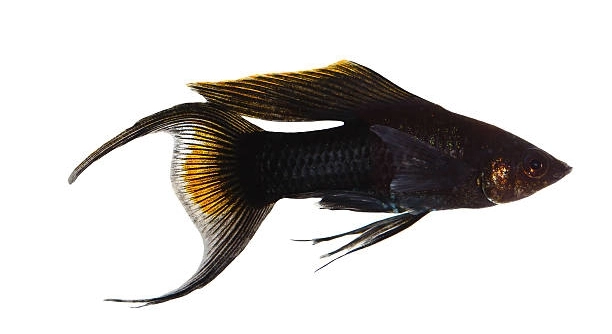
Are your black mollies swimming sluggishly or showing signs of stress in your aquarium? Maintaining proper water conditions is essential for their health. One key factor is the right filter flow rate for their tank environment.
The optimal filter flow rate for black mollies is generally two to three times the tank’s volume per hour. This ensures proper water circulation, oxygenation, and waste removal without causing excessive current that could stress the fish or disrupt their natural swimming patterns.
Understanding the ideal flow rate will help maintain a healthy and thriving environment for your mollies. Proper filtration supports their activity, coloration, and overall well-being in the aquarium.
Understanding Black Molly Behavior
Black mollies are active swimmers that prefer gentle to moderate water currents. Too strong a flow can tire them out and cause hiding or stress behaviors. Observing their swimming patterns gives a good indication of whether your filter is suitable. Black mollies thrive in stable conditions with clean water and balanced temperature, which prevents illnesses and promotes consistent activity. Tank decorations, plants, and open swimming areas help mollies feel secure while maintaining exercise. Adjusting flow and observing fish responses allows you to find a balance that supports their comfort without compromising filtration. These small fish benefit from consistent maintenance, including partial water changes, proper feeding, and monitoring water parameters. A calm but filtered environment keeps them healthy, vibrant, and social within their group. Over time, you will notice increased coloration and natural behaviors, showing that the conditions meet their needs. Flow rate directly affects oxygen distribution, debris removal, and overall water quality.
Observing mollies frequently helps you spot early signs of stress or discomfort caused by improper flow.
Careful attention to water movement can prevent long-term health issues. Proper flow encourages regular activity, reduces aggression, and supports a stable tank ecosystem.
Choosing the Right Filter
Selecting a filter requires matching its flow rate to your tank size and mollies’ needs. A filter that cycles two to three times the tank volume per hour is ideal.
A high-quality filter ensures water remains clear and oxygenated. Mechanical filtration removes debris, biological filtration supports beneficial bacteria, and chemical filtration addresses toxins. When setting up a new tank, installing a sponge pre-filter can protect fry and prevent small fish from being pulled into the system. Placement also matters: filters near the center provide uniform circulation, while positioning near plants or decorations avoids excessive current in certain areas. Regular maintenance, including rinsing media in tank water, prevents clogs and keeps efficiency high. Over-filtering may create strong currents, stressing mollies, while under-filtering allows waste buildup, impacting health. Testing water parameters and observing fish response after adjustments ensures the filter is performing correctly. Investing in a reliable system reduces long-term issues and provides a stable environment where black mollies can swim freely, maintain color, and exhibit natural behaviors consistently.
Adjusting Flow Rate for Comfort
Proper adjustment prevents stress and promotes natural swimming. Observing how black mollies react to water movement helps determine if flow needs modification.
If mollies struggle to swim or constantly hide behind decorations, the flow is likely too strong. Reducing the filter output or redirecting the current can improve comfort. A gentle flow allows them to explore the tank, interact with other fish, and feed normally. Flow should be strong enough to circulate water but not so forceful that it dominates their environment. Minor adjustments over several days help mollies acclimate without sudden changes that might cause stress. Using plants or rocks strategically can naturally slow currents while maintaining filtration efficiency.
Regular monitoring ensures consistent conditions. Even small shifts in flow can affect fish behavior, feeding, and overall health. Fine-tuning keeps the tank balanced and provides a stress-free environment that supports long-term well-being.
Equipment Tips for Black Molly Tanks
Choosing filters with adjustable flow makes maintaining proper conditions easier. Look for units that balance efficiency with gentle currents.
Placement impacts effectiveness. Positioning filters near tank corners or behind decorations prevents strong localized currents while promoting uniform circulation. Using sponge pre-filters or foam attachments protects fry and small fish from suction. Regular maintenance, like rinsing media in tank water, keeps performance optimal. Avoid over-cleaning, which can disrupt beneficial bacteria colonies critical for biological filtration. Monitoring water clarity and oxygen levels confirms proper operation. Combining mechanical, biological, and chemical filtration ensures comprehensive water quality management, reducing ammonia spikes, algae growth, and other potential issues. Selecting a filter suited to tank size and mollies’ activity helps maintain a healthy, stable environment.
Common Flow Rate Mistakes
Too strong a flow can tire black mollies and cause hiding. Conversely, too weak a flow allows debris buildup and poor oxygenation, affecting health.
Ignoring gradual adjustments often leads to stress. Small, consistent changes give mollies time to adapt while maintaining tank stability and water quality.
Observing Fish Response
Pay attention to swimming patterns, feeding behavior, and interaction. Fish that swim easily and explore indicate a suitable flow rate. Monitoring these behaviors helps maintain a healthy and comfortable environment without constant guesswork.
Impact on Water Quality
Proper flow ensures even oxygen distribution, removes waste efficiently, and prevents stagnant areas. Balanced circulation reduces ammonia and nitrate spikes, keeping water clean. Regular testing and observation confirm filtration is effective, supporting mollies’ health and preventing long-term issues in the tank.
Fine-Tuning Over Time
Flow may need small adjustments as the tank matures or stock changes. Gradual changes help maintain stability and comfort for mollies consistently.
FAQ
What is the ideal filter flow rate for black mollies?
The ideal flow rate is generally two to three times the tank volume per hour. This provides enough circulation for oxygenation and waste removal without creating currents that stress the fish. Observing their swimming behavior is the best indicator of proper flow.
Can black mollies handle strong currents?
Black mollies prefer gentle to moderate currents. Strong currents can tire them out, make them hide, or reduce feeding activity. Adjusting the filter output or using decorations to break the current helps create a calmer environment for them.
How do I know if my filter is too strong?
Signs of a strong filter include fish hiding behind decorations, swimming only at the tank’s edges, or struggling to swim. Fry or smaller mollies may get pushed around by the current. Reducing flow gradually helps them adjust.
Is it bad if the flow is too weak?
Weak flow can allow debris to settle and reduce oxygen levels. Poor circulation can lead to ammonia spikes and unhealthy water conditions. Ensuring proper flow prevents buildup of waste and supports a healthy tank ecosystem.
How often should I adjust the flow rate?
Adjustments should be made gradually and only when needed. Frequent or sudden changes can stress mollies. Small tweaks over days or weeks help the fish acclimate without affecting water quality.
Do tank size and stocking affect flow requirements?
Yes. Larger tanks or heavily stocked aquariums require stronger circulation to maintain water quality, while smaller tanks with fewer fish need gentler flows. Matching the filter output to tank size is crucial for mollies’ health.
Can decorations or plants help with flow issues?
Yes. Strategically placing rocks, plants, or driftwood can break strong currents, creating calmer zones for mollies while maintaining overall circulation. This helps balance filtration efficiency with fish comfort.
Should I use a pre-filter or sponge filter?
Sponge pre-filters protect small fry and prevent black mollies from being sucked into the filter. They also reduce water turbulence, making the environment more comfortable. Using these with regular filtration maintains both safety and water quality.
How do I monitor if the flow is working well?
Observe swimming behavior, feeding, and general activity. Clear water and absence of debris indicate effective filtration. Testing ammonia, nitrite, and nitrate levels also confirms proper flow and filtration efficiency.
What maintenance is needed for optimal flow?
Rinse filter media in tank water regularly to avoid clogs. Avoid over-cleaning, which can remove beneficial bacteria. Regular monitoring of water parameters, debris, and filter performance ensures mollies remain in a healthy environment.
Can flow rate affect breeding?
Yes. Strong currents can stress breeding pairs and fry. Moderate flow helps maintain oxygenation while protecting eggs and fry. Using gentle filtration or sponge filters is recommended during breeding periods.
Is it better to have adjustable flow filters?
Adjustable filters provide flexibility to match mollies’ needs. Being able to fine-tune the flow ensures the tank remains comfortable as stocking levels, decorations, or water conditions change. Gradual adjustments improve both fish behavior and tank stability.
How do I balance water quality and comfort?
Properly sized filters, gradual flow adjustments, and careful placement of decorations balance circulation and comfort. Observing fish behavior alongside water testing ensures both clean water and a stress-free environment for black mollies.
Can I use multiple filters?
Multiple filters can improve circulation in larger tanks. Positioning them to avoid strong localized currents prevents stress while maintaining oxygenation and debris removal. It also adds redundancy in case one filter underperforms.
What happens if I ignore flow rate issues?
Ignoring improper flow can lead to stress, poor growth, reduced coloration, and increased disease risk. Fry may struggle, and waste buildup can compromise water quality. Proper attention maintains mollies’ health, activity, and long-term well-being.
How long does it take for mollies to adapt to new flow settings?
Adaptation usually takes several days. Gradual changes minimize stress, allowing mollies to adjust swimming patterns, feeding habits, and interaction with the environment. Observing them ensures they are responding positively.
Are there specific brands or types recommended for mollies?
Filters with adjustable output and sponge pre-filters are ideal. Canister filters, hang-on-back filters, and sponge filters all work if properly sized and positioned. Focus on efficiency, gentle flow, and ease of maintenance rather than brand alone.
How do temperature and water parameters affect flow needs?
Stable temperature and proper water chemistry reduce stress, complementing correct flow rates. Cold or low-oxygen water may require increased circulation, while warm, well-oxygenated tanks can manage with moderate flow. Both factors together ensure mollies remain healthy and active.
Can flow changes improve overall tank health?
Yes. Proper flow improves oxygen distribution, reduces dead zones, prevents waste buildup, and supports beneficial bacteria. Balanced flow contributes to clearer water, healthier fish, and fewer maintenance issues over time.
Is it necessary to test different flow rates?
Testing different settings helps determine the optimal rate. Observing fish response and monitoring water quality confirms the best balance between comfort and filtration efficiency. Small, incremental adjustments are recommended for long-term stability.
How do I handle flow during feeding times?
Slower currents near feeding areas allow mollies to access food easily. Strong flows can disperse flakes or pellets, reducing feeding efficiency. Adjusting flow or using calm zones ensures proper nutrition without compromising water circulation.
Can seasonal changes affect flow needs?
Yes. Warmer water holds less oxygen, which may require slightly stronger circulation. Cooler water retains more oxygen, allowing gentler flow. Monitoring behavior and oxygen levels during seasonal shifts ensures mollies remain comfortable and healthy.
What signs indicate optimal flow?
Fish swimming actively, exploring the tank, feeding normally, and showing bright coloration indicate proper flow. Clear water with minimal debris and stable water parameters confirms filtration efficiency and a suitable environment.
How important is flow compared to other tank factors?
Flow is critical but works alongside temperature, water chemistry, feeding, and tank setup. Proper circulation ensures oxygenation, waste removal, and comfort, making it a foundational aspect of black mollies’ care.
Can I use decorative elements to adjust flow instead of changing the filter?
Yes. Rocks, driftwood, and plants can redirect currents and create calmer zones while maintaining overall filtration. This method allows fine-tuning without altering filter settings drastically, keeping fish comfortable and the tank healthy.
How often should I observe mollies after adjusting flow?
Daily observation for the first week after changes is ideal. Watch for swimming patterns, hiding, or feeding issues. Minor adjustments can then be made gradually until behavior and water quality indicate stability.
Does flow affect other fish in the tank?
Yes. Other species may have different preferences, so adjusting flow must consider all tank inhabitants. Gentle currents generally accommodate most community fish while supporting black mollies’ needs.
Are there any tools to measure flow rate precisely?
Flow meters or observing water movement against a floating object can provide estimates. While precise measurement helps, observing fish behavior is usually the most reliable indicator of suitable flow for black mollies.
How do I balance multiple factors while adjusting flow?
Consider tank size, fish behavior, stocking density, decorations, and water quality together. Adjust gradually, observe, and test parameters to achieve an environment that supports both fish comfort and filtration efficiency.
Can poor flow lead to long-term health issues?
Yes. Stress, weakened immune systems, poor growth, and increased disease risk can result from improper flow. Maintaining proper circulation supports overall health, vibrant coloration, and consistent activity levels for black mollies.
Is it safe to run filters at maximum capacity?
Running at maximum can create strong currents that stress fish. It may improve filtration but negatively affects mollies. Adjustable output or flow-reducing accessories help maintain a balance between efficiency and comfort.
Can I combine mechanical and biological filtration to optimize flow?
Yes. Mechanical filtration removes debris, while biological filtration supports beneficial bacteria. Combining these ensures clear water, proper nutrient cycling, and a healthy environment without overwhelming mollies with strong currents.
Do black mollies prefer surface or bottom currents?
They generally swim in mid to upper water levels. Gentle currents near the surface improve oxygenation, while calm zones near plants or decorations provide resting areas. Balanced flow accommodates their natural swimming patterns.
How often should filter maintenance be done to keep flow consistent?
Rinse media every few weeks in tank water to prevent clogs. Over-cleaning can disrupt bacteria. Regular checks ensure consistent flow, clean water, and a stable environment for mollies.
Can overstocking affect flow needs?
Yes. More fish produce more waste, requiring stronger circulation to maintain water quality. Adjusting flow and filter capacity according to stocking levels prevents health issues and maintains a comfortable environment.
Do flow changes affect fish coloration?
Yes. Stress from inappropriate flow can dull colors, while proper circulation supports oxygenation, reducing stress and promoting vibrant coloration in black mollies.
Is it necessary to replace filters frequently?
Filters do not need frequent replacement if maintained properly. Cleaning, media replacement as recommended, and monitoring flow ensures longevity and consistent performance without compromising water quality.
Can black mollies adapt to higher flows over time?
Some adaptation is possible, but gradual changes are essential. Sudden strong currents cause stress, while small adjustments allow them to acclimate without affecting health or behavior.
What is the role of aeration in flow management?
Aeration complements flow by increasing oxygen levels, particularly in densely stocked or warmer tanks. Combined with proper circulation, it ensures black mollies remain active and healthy.
Should I adjust flow when adding new fish?
Yes. New fish may require calmer areas initially. Gradual adjustments help them acclimate without stress while maintaining water quality and proper filtration for all tank inhabitants.
Can improper flow lead to disease outbreaks?
Yes. Poor circulation can cause waste buildup, low oxygen, and stress, increasing susceptibility to infections and parasites. Maintaining proper flow reduces these risks and supports overall health.
Is it necessary to measure flow after every maintenance?
Not always. Observing fish behavior and water clarity usually suffices. Measurement is helpful for fine-tuning or when changing tank size, stock, or filter type to ensure optimal conditions.
How do I adjust flow for fry or small mollies?
Use sponge pre-filters, redirect output, or reduce flow. Gentle currents protect young fish while maintaining water quality, supporting their growth and survival without compromising filtration efficiency.
Can seasonal temperature changes require flow adjustments?
Yes. Warmer water may hold less oxygen, needing slightly stronger circulation, while cooler water allows gentler flow. Observing behavior and oxygenation ensures mollies remain comfortable year-round.
Does flow affect feeding efficiency?
Yes. Strong currents can disperse food quickly, making it harder for mollies to feed. Calmer zones or reduced flow during feeding ensures adequate nutrition and minimal waste.
Are there any risks in using too many flow-reducing accessories?
Overusing rocks or foam to reduce flow can create stagnant areas, leading to waste buildup and low oxygen. Balance is key to maintain both comfort and water quality.
How long should I observe after installing a new filter?
Several days of close observation are recommended. Check swimming, feeding, hiding, and water clarity to ensure flow is suitable before making additional adjustments.
Can flow impact aggression among fish?
Yes. Strong currents can stress dominant or territorial fish, increasing aggression. Balanced flow helps maintain calm interactions and reduces conflict in a community tank with black mollies.
Is filter noise related to flow rate?
Sometimes. Higher flow can create more turbulence and noise. Reducing output or repositioning the filter may decrease sound without compromising filtration, keeping both fish and tank surroundings comfortable.
Can I rely solely on visual observation for flow?
Yes. While measuring flow can help, fish behavior is often the most reliable indicator. Calm, active, and feeding fish suggest proper circulation and a healthy environment.
What is the best way to introduce gradual flow changes?
Adjust the filter incrementally over several days. Observe fish response and water quality, making small tweaks until behavior and conditions indicate a stable, comfortable environment for black mollies.
Does tank shape influence flow requirements?
Yes. Long, narrow tanks may require stronger flow to circulate water evenly, while square or taller tanks can achieve proper circulation with gentler currents. Adjust filter placement to optimize coverage.
How does flow affect algae growth?
Proper circulation reduces stagnant areas where algae thrive. Balanced flow distributes nutrients and light exposure evenly, helping prevent excessive algae while maintaining healthy conditions for black mollies.
Can multiple species with different flow preferences coexist?
Yes. Using zones with varying current strength allows species to choose comfortable areas. Careful placement of decorations and adjustable filters ensures both black mollies and other fish remain stress-free.
Is regular observation enough to maintain optimal flow?
Yes. Daily or frequent observation of swimming patterns, feeding, and behavior allows timely adjustments. Combining this with occasional water testing ensures both fish comfort and water quality remain consistent.
How does debris affect perceived flow efficiency?
Clogged filters or trapped debris can reduce flow, creating uneven currents or dead zones. Regular maintenance keeps flow consistent and prevents stress, ensuring a healthy environment for mollies.
What are the main signs of improper flow?
Fish hiding, struggling to swim, reduced feeding, faded coloration, and debris buildup indicate flow issues. Observing these signs early allows corrective action to maintain tank stability and health.
Can improper flow affect long-term growth?
Yes. Constant stress or reduced activity from strong currents can stunt growth. Proper flow promotes natural swimming, feeding efficiency, and overall development in black mollies.
Does the type of filter media impact flow?
Yes. Dense or clogged media can reduce flow, while properly maintained mechanical, biological, and chemical media optimize circulation. Choosing appropriate media ensures consistent performance.
How important is consistency in flow?
Consistency prevents stress and supports stable water quality. Sudden changes can shock fish and disrupt beneficial bacteria. Gradual, measured adjustments maintain a healthy, comfortable environment for black mollies.
Can aeration alone replace proper flow?
No. Aeration increases oxygen but does not remove debris or circulate water effectively. Proper filtration with suitable flow is essential for overall tank health.
Do black mollies prefer uniform or varied currents?
They prefer gentle, mostly uniform currents with occasional calm areas near plants or decorations. This allows exercise and resting zones, supporting natural behavior.
How do I prevent flow-related stress in community tanks?
Provide gentle circulation, calm zones, and monitor all species. Adjust filter output and placement to balance water quality with comfort for every fish.
Can sudden filter failures affect flow drastically?
Yes. A stopped or malfunctioning filter reduces circulation, leading to debris buildup, low oxygen, and stress. Backup systems or monitoring prevent long-term issues for black mollies.
How do I balance filtration efficiency with fish comfort?
Choose adjustable filters, position them strategically, and use decorations to moderate currents. Observing behavior ensures both water quality and comfort are optimized.
Does water hardness or salinity influence flow needs?
Indirectly. Black mollies thrive in slightly brackish, stable water. Proper flow ensures even distribution of salts and minerals, maintaining comfort and tank stability.
What is the best way to combine filtration and flow management?
Use a filter sized for the tank, adjust output gradually, add decorations to moderate currents, and monitor fish behavior. This combination ensures clean water and a stress-free environment.
How long does it take to see improvements after adjusting flow?
Improvements in swimming, feeding, and coloration can appear within days. Long-term health benefits, including reduced stress and disease risk, become evident over weeks.
Can filter noise or vibration affect black mollies?
Excessive noise or vibration can stress fish. Positioning the filter properly, using adjustable output, or adding cushioning reduces disturbances while maintaining flow and filtration efficiency.
Is there a risk of over-oxygenation with strong flow?
Excessive oxygen is rare in typical aquariums. The main concern is stress from strong currents, not oxygen levels. Proper flow balances circulation and comfort.
Should I document flow adjustments and fish behavior?
Yes. Tracking changes helps identify patterns, ensures gradual adaptation, and provides reference for future adjustments, maintaining a stable environment.
How do I manage flow when adding live plants?
Plants can slow currents and create calm zones. Monitor fish behavior and adjust filter output to maintain consistent circulation without creating stagnant areas.
Can flow influence molly lifespan?
Proper flow supports health, reduces stress, and prevents disease, all contributing to longer, healthier lives. Inadequate or excessive flow can shorten lifespan by creating chronic stress or poor water conditions.
Are there any tools to simplify flow monitoring?
Flow meters, floating markers, and observing fish behavior all help. While precise measurement is optional, consistent observation ensures mollies’ comfort and effective filtration.
How do I balance aeration, filtration, and flow?
Aeration complements circulation, filtration removes debris, and proper flow distributes oxygen and nutrients. Together, these factors maintain a stable, comfortable, and healthy environment.
Does water temperature fluctuation impact flow efficiency?
Temperature affects oxygen levels and fish metabolism. Flow may need slight adjustments during seasonal or daily temperature changes to ensure consistent comfort and oxygenation.
Can strong flow dislodge substrate or decorations?
Yes. Excessive flow can move gravel, plants, or ornaments, causing instability and potential harm. Adjust placement and current to protect tank setup while maintaining circulation.
What is the safest way to test different flow rates?
Gradually adjust filter output and observe fish behavior, feeding, and swimming patterns. Avoid sudden changes to prevent stress and ensure smooth adaptation.
Can flow management reduce algae and debris buildup?
Yes. Proper circulation prevents stagnant zones where algae and debris accumulate. Combined with maintenance, this keeps water clear and supports healthy black mollies.
How often should flow be re-evaluated?
Re-evaluate when adding fish, changing tank size, rearranging decorations, or observing behavioral changes. Periodic checks maintain comfort and water quality.
Does tank depth affect flow requirements?
Deeper tanks may require stronger circulation to oxygenate lower levels effectively. Adjusting filter placement ensures even water movement throughout the tank.
Can improper flow lead to uneven water temperature?
Yes. Poor circulation can create warm or cool pockets, stressing fish. Proper flow distributes heat evenly, maintaining a consistent environment.
How do I prevent filter output from disturbing surface feeding?
Use gentle currents, redirect flow, or create calm zones near the surface. This ensures mollies can feed without stress while maintaining overall circulation.
Can flow changes trigger molly aggression?
Strong currents can stress dominant fish, increasing aggression. Balanced flow reduces tension and maintains calmer interactions in community tanks.
Is it better to use one strong filter or multiple weaker filters?
Multiple smaller filters can provide even circulation, reduce stress, and create redundant
Final Thoughts
Proper filter flow rate is one of the most important factors for maintaining a healthy black molly tank. These fish are active swimmers that prefer gentle to moderate currents. Too strong a flow can tire them out, make them hide, or reduce their feeding activity. On the other hand, a weak flow can cause waste buildup and reduce oxygen levels, which negatively affects water quality and fish health. Achieving the right balance ensures that the tank environment supports their natural behaviors, keeps water clean, and provides enough oxygen for all inhabitants. Observing fish behavior is the most reliable way to determine if the flow rate is suitable, as it reflects their comfort and activity in real time.
Selecting the right filter and adjusting the flow rate should take into account tank size, stocking levels, and tank layout. Larger or heavily stocked tanks require more circulation to maintain water quality, while smaller or lightly stocked tanks need gentler currents. Placement of the filter, as well as decorations like plants, rocks, and driftwood, can help direct or reduce flow to create calmer zones for the mollies. Sponge pre-filters are also helpful to protect fry and smaller fish from being pulled into strong currents. Regular maintenance, such as cleaning filter media and monitoring water parameters, ensures the filter continues to operate efficiently without causing unnecessary stress to the fish. Small, consistent adjustments over time allow the mollies to adapt and maintain a healthy and comfortable environment.
Understanding the needs of black mollies goes beyond simply selecting a filter. Flow rate impacts oxygen distribution, waste removal, swimming behavior, feeding efficiency, and even coloration. Keeping a tank with proper flow requires ongoing observation, attention to fish behavior, and occasional adjustments as the tank matures or stock changes. Gradual changes are always preferable to sudden shifts, which can cause stress or disrupt water stability. By combining a well-chosen filter, proper flow management, and regular maintenance, the tank can provide a safe and stable habitat that encourages black mollies to thrive. Over time, these small but consistent efforts lead to healthier, more active, and more vibrant fish, making the aquarium easier to maintain and more enjoyable to watch.

Hello,
If you enjoy the content that we create, please consider saying a "Thank You!" by leaving a tip.
Every little bit helps us continue crafting quality advice that supports the health, happiness, and well-being of pets around the world, for pets of all shapes, sizes, and species.
We really appreciate the kindness and support that you show us!