
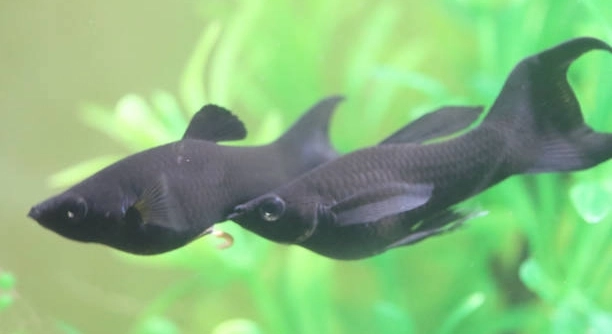
Do you ever find yourself thinking about the needs of your Black Molly fish and whether it can thrive in a tank alone? Many fishkeepers consider the balance between companionship and solitary care. Understanding its behavior is essential.
Black Molly fish can survive without tank mates, but they generally thrive better in a community. Solitary conditions may lead to stress or reduced activity. Providing proper care, including water quality, diet, and enrichment, is essential for their well-being.
Knowing how to care for a single Black Molly is just the beginning. Proper setup and attention to their environment play a key role in keeping them healthy and active.
Why Black Mollies Prefer Company
Black Mollies are naturally social fish that enjoy the presence of others. In the wild, they swim in small groups, sharing space and interacting constantly. Being alone can make them less active, and they may hide more often. Observing a single Black Molly, you might notice it seems anxious or spends time pacing the tank without exploring. While it is possible for them to survive solo, a tank mate can encourage natural behaviors like foraging, swimming, and even playful chasing. Keeping at least two or three mollies together helps them feel more secure, reducing stress and improving their overall health. Tank decorations, plants, and hiding spots can help alleviate loneliness, but they cannot fully replace the stimulation a companion provides. Black Mollies also show subtle social behaviors like nipping at fins or following each other, which strengthens their physical and mental fitness. Community setups create a livelier, more balanced environment.
Social interaction helps Black Mollies remain active and less stressed, improving lifespan and behavior in home aquariums.
Even with a well-maintained tank, a single Black Molly may not display its full range of behaviors. It might ignore toys, avoid exploring decorations, or become sluggish over time. By adding companions, the fish engages more naturally, swimming through plants, investigating corners, and even showing mild social hierarchy behaviors. Observing these interactions can be rewarding, offering insight into their personalities. It also promotes healthier feeding patterns, as mollies often follow each other during mealtime. While solitude is manageable with careful care, it demands extra attention from the keeper to ensure the fish’s mental and physical needs are met. Enriching the tank with plants, hiding spots, and varied foods helps, but the dynamic energy from tank mates is hard to replicate alone. Over time, solitary mollies may seem less vibrant in color or less willing to explore, signaling the subtle stress they experience without social contact. Balancing company and space is key to their well-being.
Setting Up a Tank for a Single Black Molly
A tank for a lone Black Molly should provide ample hiding spots, plants, and swimming room. Proper filtration and regular water changes are essential.
Even if you keep only one Molly, the tank should mimic natural conditions with open swimming areas and gentle water flow.
Carefully arranging decorations, plants, and hiding spots ensures the fish can explore safely and feel secure. Regular water testing and consistent feeding maintain a healthy environment. Solo mollies may need extra attention to behavior and activity, as subtle changes can indicate stress or illness. Temperature, pH, and tank cleanliness are especially important when there are no companions to stimulate natural movement. Providing floating plants or decorations near the surface encourages exploration, while shelters at the bottom reduce stress. A varied diet with high-quality flakes, vegetables, and occasional protein treats keeps them physically fit. Watching the fish adapt to its environment over time can help you fine-tune tank conditions. While a single Black Molly can thrive with careful attention, understanding its social tendencies helps optimize health and prevent behavioral problems. Even a solitary Molly can enjoy a stimulating, balanced habitat with thoughtful setup and routine care.
Feeding and Nutrition
Black Mollies need a balanced diet to stay healthy, even when alone. A mix of flakes, pellets, and fresh vegetables helps maintain energy and vibrant color.
Feeding a single Molly requires attention to portion size and variety. Overfeeding can lead to water quality issues, while underfeeding affects growth and activity. Including blanched spinach, zucchini, or cucumber provides essential vitamins and fiber. Occasional protein treats like brine shrimp or bloodworms support their energy levels. Monitoring the fish during feeding ensures it eats properly and maintains a healthy weight. A consistent feeding schedule helps regulate digestion and reduces stress.
Providing a stimulating feeding environment encourages natural foraging behavior. Using floating or sinking foods allows the Molly to explore different areas of the tank. Rotating food types ensures nutrients are balanced, while offering occasional treats prevents boredom. Even alone, a well-fed Black Molly can remain active and display healthy coloration, showing the benefits of a thoughtful diet. Observing their eating habits also helps detect early signs of illness or dietary deficiencies.
Tank Maintenance and Water Quality
Clean water is essential for a single Black Molly’s health. Regular water changes and proper filtration maintain stable conditions.
Monitoring temperature, pH, and hardness ensures the fish stays comfortable. Small fluctuations can stress a solitary Molly more than one in a group.
Maintaining water quality requires consistent attention. Partial water changes, typically 20–30% weekly, remove toxins and keep nitrate levels low. A reliable filter helps circulate water and removes debris, but it should not create strong currents that exhaust the fish. Testing kits allow accurate measurement of pH, ammonia, nitrite, and nitrate levels. Cleaning decorations and substrate prevents buildup of harmful bacteria. Even without tank mates producing extra waste, a single Molly benefits from routine maintenance to avoid stress-related illness. Regular observation of behavior and swimming patterns can indicate if water conditions need adjusting. Proper care ensures the fish remains healthy, active, and vibrant.
Signs of Stress in a Single Molly
A solitary Black Molly may show stress through hiding, loss of appetite, or sluggish swimming. Watching for these changes helps address issues early and keeps the fish healthy.
Color fading or clamped fins are common indicators of stress. These signs often appear before illness develops, signaling that adjustments to the tank or care routine may be needed.
Choosing Suitable Tank Mates
When deciding to add companions, select peaceful fish that tolerate similar water conditions. Avoid aggressive species that may harass Black Mollies.
Temperature and Environment
Maintaining a stable temperature between 75–82°F is important. Black Mollies are sensitive to sudden changes, which can lead to illness or stress. Proper heating and monitoring support their health and activity levels.
Enrichment and Stimulation
Even alone, a Molly benefits from enrichment like plants, hiding spots, and gentle water movement. These elements mimic natural environments, encouraging exploration and reducing boredom.
FAQ
Can a Black Molly survive completely alone?
Yes, a Black Molly can survive alone, but its well-being depends heavily on proper care. Solitary mollies may be more prone to stress, reduced activity, and hiding behaviors. Ensuring a clean tank, balanced diet, and stimulating environment helps the fish remain healthy even without tank mates.
How many tank mates should I add for a Black Molly?
Black Mollies do best in small groups of at least three to five. A few companions provide social interaction, promote natural behaviors, and reduce stress. Avoid overcrowding, as too many fish can strain filtration systems and increase waste, creating an unhealthy environment.
What are the signs a Molly is lonely?
A lonely Molly may hide frequently, swim less, or appear dull in color. It may ignore food or spend long periods stationary. Observing these changes can help you decide if adding tank mates or environmental enrichment is necessary to improve its quality of life.
Can a Black Molly become aggressive if kept alone?
Aggression is uncommon in solitary Black Mollies. They are generally peaceful, but stress from isolation may make them more reactive to sudden movements or other tank inhabitants. Providing hiding spots and maintaining stable conditions can reduce potential irritability or defensive behavior.
What kind of diet should a single Black Molly have?
A varied diet is essential, including high-quality flakes, pellets, vegetables, and occasional protein sources like brine shrimp or bloodworms. Rotating foods ensures balanced nutrition and supports color, growth, and energy. Feeding small portions multiple times a day helps maintain health and prevents water quality problems.
Is tank size important for a lone Black Molly?
Yes, even a single Molly needs a tank that allows swimming space and exploration. A minimum of 20 gallons is recommended to provide comfort, maintain water quality, and prevent stress. Larger tanks offer room for enrichment and more stable water conditions.
How often should water changes be done for a single Molly?
Regular water changes, about 20–30% weekly, are necessary even for one fish. This keeps nitrate levels low and reduces the risk of illness. Combined with a properly maintained filter, routine water changes ensure a healthy and stable environment.
Can I add other species with a Black Molly?
Yes, peaceful species with similar water requirements work well. Avoid aggressive or fin-nipping fish. Compatible tank mates encourage social behaviors without causing stress or competition. Researching species compatibility is key to a harmonious tank.
What environmental features benefit a solitary Molly?
Plants, hiding spots, gentle water movement, and open swimming areas help stimulate activity and reduce stress. Floating plants or décor near the surface encourage exploration, while shelters at the bottom provide security. Even without companions, these features mimic natural behaviors.
Do solitary Black Mollies live as long as those in groups?
They can live a full lifespan if care is optimal, but stress from isolation may shorten life expectancy. Monitoring health, diet, and environment carefully ensures solitary mollies remain active, healthy, and vibrant throughout their life.
How do I know if my Molly prefers company?
Signs include swimming near glass or decorations as if searching for interaction, increased activity when other fish are added, or decreased interest in surroundings when alone. Careful observation helps you understand its social needs and adjust tank conditions accordingly.
Can enrichment replace tank mates?
Enrichment helps but cannot fully replace social interaction. Plants, décor, and varied feeding can reduce boredom, but mollies naturally thrive with some level of social engagement. Even a well-decorated tank requires careful attention to diet and water quality for a solitary fish.
What is the ideal water temperature for a single Molly?
Maintaining a stable 75–82°F is critical. Sudden changes can cause stress or illness. A reliable heater, thermometer, and routine monitoring help maintain a consistent environment, supporting activity, feeding, and overall health.
How do I encourage activity in a lone Molly?
Provide space to swim, plants, and varied food types. Observing feeding and play behaviors encourages natural movement. Rotating enrichment and using floating or sinking foods stimulate exploration, keeping a solitary Molly active and mentally engaged.
Are there health risks for solitary Black Mollies?
Stress from isolation can weaken the immune system, leading to susceptibility to disease. Water quality issues, poor diet, and lack of stimulation also contribute. Close observation and proactive care help prevent common problems.
Can a single Molly reproduce?
A lone Molly cannot reproduce. Female mollies require male presence to breed. However, even without breeding, solitary mollies can remain healthy if provided with proper care, diet, and environment.
How do I monitor a solitary Molly’s health?
Watch for changes in behavior, swimming patterns, coloration, and appetite. Regular observation, combined with water testing and proper diet, allows early detection of stress or illness, helping maintain a healthy fish in a solo setup.
Can a Molly adapt to being alone over time?
Yes, many mollies adapt if their environment meets physical and mental needs. Enrichment, consistent feeding, and proper water conditions support adaptation, but natural social behaviors may still be limited compared to those in groups.
Is lighting important for a solitary Molly?
Proper lighting supports natural activity and stress reduction. Moderate light encourages swimming and exploration, while darker areas provide resting spots. A balanced day-night cycle helps regulate biological rhythms and overall health.
Do Black Mollies require a specific pH in a solo tank?
Yes, maintaining a pH of 7.5–8.5 is ideal. Stable pH levels prevent stress, support digestion, and reduce the risk of illness. Regular testing and minor adjustments maintain a healthy, consistent environment for solitary fish.
How do I prevent boredom in a single Molly?
Rotate decorations, add plants, and vary feeding locations or types. Observing its behavior allows you to introduce changes that encourage exploration, ensuring physical and mental stimulation even without companions.
Can a solitary Molly coexist with shrimp or snails?
Yes, peaceful invertebrates like snails or shrimp can coexist. They provide subtle activity in the tank without competing aggressively for food, offering gentle stimulation for a solitary Black Molly.
How long can a solitary Molly live with proper care?
With proper diet, water quality, and enrichment, a Black Molly can live 3–5 years or longer. Attention to stress reduction and health monitoring ensures they thrive even when alone.
Is it necessary to add plants for a solitary Molly?
Yes, plants provide hiding spots, reduce stress, and encourage exploration. They also help maintain water quality by absorbing nitrates, making them essential for both health and stimulation in a solo tank.
Can a lone Molly recognize its keeper?
Yes, many Black Mollies respond to regular feeding routines and human presence. They may swim near the glass during feeding, showing recognition and interaction even without other fish in the tank.
What are the risks of keeping a Molly alone long-term?
Stress, boredom, and subtle behavioral changes are the main risks. Over time, isolation can affect activity levels, color vibrancy, and appetite. Proactive care, enrichment, and monitoring are key to preventing these issues.
Do Black Mollies require a specific tank shape when alone?
A rectangular tank with open swimming areas and scattered hiding spots works best. Shape affects swimming patterns and exploration, which helps reduce stress and encourages natural behavior in solitary fish.
Can a solitary Molly thrive without plants?
They can survive, but plants significantly improve mental stimulation, security, and water quality. Even a single Molly benefits from natural hiding spots and vegetation to mimic a comfortable, natural environment.
How do I introduce tank mates to a solitary Molly?
Acclimate new fish slowly to prevent stress. Use a quarantine period if possible, and observe interactions carefully. Gradual introduction ensures peaceful integration and reduces risk of aggression or illness.
Are there signs of depression in a Black Molly?
Reduced activity, dull coloration, loss of appetite, or hiding for long periods can indicate stress or low stimulation. Adjusting the environment, diet, or introducing companions can improve behavior and health.
How can I make a single Molly’s tank more engaging?
Add plants, rocks, driftwood, and varied feeding methods. Floating and sinking foods encourage exploration. Rearranging decorations occasionally creates novelty, stimulating natural behaviors without overcrowding or stressing the fish.
Do solitary mollies interact with reflections in the glass?
Yes, some may swim toward their reflection, mistaking it for another fish. While harmless, excessive interaction can indicate social needs or boredom, suggesting enrichment or companions may help.
Is water flow important for a lone Black Molly?
Moderate flow promotes swimming exercise and oxygenation. Strong currents can exhaust a solitary Molly, so balance is essential. Gentle movement encourages exploration and prevents stagnant areas in the tank.
How often should I check a solitary Molly’s behavior?
Daily observation helps detect changes early. Watching feeding, swimming, and resting patterns allows timely adjustments to diet, environment, or enrichment to maintain health and reduce stress.
Can a solitary Molly enjoy live plants?
Yes, live plants provide hiding spots, grazing opportunities, and water quality benefits. They enhance the tank environment, encouraging exploration and reducing stress even in a solo setup.
Do Black Mollies require hiding spots when alone?
Absolutely. Hiding spots reduce stress and create a sense of security. Even a single Molly benefits from spaces to retreat, rest, or feel safe, mimicking natural habitats.
Can a solitary Molly learn feeding routines?
Yes, they recognize feeding times and may swim toward the source. Consistency strengthens this behavior, providing mental stimulation and reinforcing the fish’s sense of security in the tank.
How important is tank decoration for a lone Molly?
Decorations enhance mental stimulation, exploration, and security. Varied textures, plants, and shelters encourage natural behaviors, keeping a solitary Molly active and healthy.
Can I keep multiple females alone instead of a male?
Yes, multiple females reduce breeding stress and still provide social interaction. This setup allows natural schooling behavior without the risks of aggression or constant mating attempts from males.
Do solitary mollies need more attention than groups?
Yes, without companions, a single Molly relies on the keeper for stimulation, monitoring, and interaction. Extra care ensures they remain active, healthy, and mentally engaged in the tank.
Can a solitary Molly show personality?
Yes, they display curiosity, feeding preferences, and swimming habits. Even alone, their behavior reflects individual traits, providing insight into their activity levels and preferences.
Is regular water testing more important for a single Molly?
Yes, without other fish to indicate problems, testing ensures water quality remains optimal. Monitoring parameters prevents stress, illness, and long-term health issues in a solitary tank.
How can I prevent stress when keeping a Molly alone?
Maintain stable water conditions, provide enrichment, feed a balanced diet, and ensure proper temperature. Gentle handling and consistent routines reduce stress, keeping the fish healthy and active.
Can I mix a solitary Molly with other peaceful species?
Yes, compatible species like tetras, guppies, or snails provide activity without aggression. Observing interactions ensures a harmonious tank, supporting both social stimulation and safety for the Molly.
What should I do if my solitary Molly seems bored?
Rearrange decorations, introduce new hiding spots, vary feeding methods, or add enrichment. Monitoring behavior helps identify effective changes, keeping the fish mentally and physically active.
Do Black Mollies respond to sounds or vibrations?
Yes, they react to movements near the tank, especially feeding signals. This responsiveness shows recognition and engagement, providing subtle interaction for a solitary Molly.
How long can I keep a Molly alone safely?
Indefinitely, if care, enrichment, and monitoring are consistent. Attention to stress, water quality, diet, and activity ensures health and well-being, allowing solitary mollies to thrive.
What is the best way to measure activity levels in a single Molly?
Observe swimming patterns, exploration of tank areas, and feeding responsiveness. Regular observation highlights changes, signaling stress, illness, or boredom early so adjustments can be made.
Are solitary mollies less colorful than those in groups?
Sometimes, stress or lack of social interaction may dull coloration. Proper diet, clean water, and enrichment help maintain vibrancy, even without companions.
How do I balance enrichment without overcrowding the tank?
Use a mix of plants, hiding spots, and open swimming areas. Rotate or rearrange items periodically to provide novelty while maintaining adequate space for comfortable swimming.
Do solitary mollies require the same water parameters as groups?
Yes, stable temperature, pH, hardness, and cleanliness are essential regardless of group size. Proper conditions prevent stress, support immune function, and ensure long-term health.
Can a single Molly interact with other fish visually without harm?
Yes, observing from separate tanks or through glass can provide stimulation. However, physical interaction is necessary for full social behaviors, which may be limited in a solitary setup.
Is it better to keep a Molly alone or with a group if the tank is small?
If space is limited, a solitary Molly may be safer to prevent overcrowding. Ensure enrichment, stable water conditions, and proper care to maintain health and activity in smaller tanks.
Do Black Mollies need more light when alone?
Moderate lighting is sufficient. Proper day-night cycles encourage activity while reducing stress. Overly bright light can cause discomfort, while too little may reduce exploration and energy levels.
Can a solitary Molly coexist with bottom-dwelling fish?
Yes, peaceful bottom dwellers like Corydoras or small loaches generally do not compete for space or food, providing a balanced and safe environment for a solitary Molly.
How do I tell if my Molly is stressed despite normal swimming?
Look for subtle signs: reduced feeding interest, dull coloration, or hiding at unusual times. Even active swimming may mask low-level stress, highlighting the need for careful observation.
Can a single Molly thrive in a planted tank only?
Yes, a well-planted tank provides hiding spots, grazing opportunities, and mental stimulation. Combined with proper water quality and diet, it supports health and activity for a solitary fish.
How important is consistency in tank maintenance for a lone Molly?
Consistency is critical. Regular water changes, feeding, and environmental checks reduce stress and maintain health. Irregular routines can lead to illness or behavioral issues in a solitary fish.
Do Black Mollies need a quarantine period when adding tank mates?
Yes, quarantining new fish prevents the introduction of disease, parasites, or stress. Even a solitary Molly benefits from careful integration practices to maintain a stable, healthy environment.
Can a single Molly adapt to a small tank?
Yes, with careful monitoring of water quality, temperature, and enrichment. Sufficient swimming space, hiding spots, and stimulation ensure health even in limited conditions.
How often should I clean a solitary Molly’s tank?
Partial water changes weekly and occasional substrate cleaning are enough. Maintaining clean conditions prevents stress, promotes health, and ensures a safe environment for a single fish.
Do solitary mollies benefit from live food?
Yes, live food encourages natural foraging behaviors, provides protein, and adds enrichment. Even alone, feeding live food supports activity, health, and mental stimulation.
What is the main challenge of keeping a Molly alone?
The primary challenge is preventing boredom and stress. Without companions, careful attention to enrichment, diet, water quality, and observation is essential to maintain health and natural behaviors.
Can a solitary Molly form bonds with other species?
They may show curiosity or follow movements of compatible species, but true social bonds are limited. Interaction provides mild stimulation, supporting mental engagement even without same-species companions.
How do I track a single Molly’s growth?
Regularly measure size, observe body shape, and monitor weight if possible. Tracking development ensures diet and environment meet growth needs, helping detect potential health issues early.
Can a lone Molly reproduce if a male is added later?
Yes, introducing a male allows breeding, but females may be stressed if suddenly outnumbered. Gradual acclimation and monitoring behavior help ensure successful integration and reproductive health.
Do solitary mollies need more attention during illness?
Yes, illness requires immediate action. Monitoring water quality, diet, and providing medication or isolation support recovery. Solo mollies rely entirely on keeper intervention when unwell.
Is it okay to keep a single Molly in a community tank?
Yes, as long as tank mates are peaceful and conditions suit all species. Observing interactions ensures the solitary Molly remains safe, active, and stress-free.
How can I encourage a solitary Molly to explore?
Move decorations occasionally, add varied feeding locations, and provide plants or shelters. These changes stimulate curiosity and natural behavior, maintaining mental and physical activity.
Can a Molly survive without enrichment?
Yes, it can survive, but lack of stimulation may lead to stress, reduced activity, and dull coloration. Enrichment improves quality of life, even for a single fish.
Are there differences in behavior between solitary and grouped mollies?
Solitary mollies may be less active, show reduced social behaviors, and explore less. Grouped mollies display schooling, chasing, and interaction, which enriches natural behaviors and reduces stress.
Can a solitary Molly learn to interact with feeding tools?
Yes, over time, it may recognize hand-feeding, pellets, or target spots in the tank. Interaction provides stimulation and reinforces positive routines.
How long should I observe a newly isolated Molly?
Monitor daily for at least two weeks to ensure adaptation. Look for signs of stress, feeding patterns, and activity changes to adjust care as needed.
Do solitary mollies respond to tank rearrangements?
Yes, rearranging plants, decorations, or hiding spots encourages exploration. Controlled changes provide mental stimulation and prevent boredom in a solitary fish.
Can a single Molly thrive in a bare tank?
Survival is possible, but bare tanks limit enrichment and increase stress risk. Plants, hiding spots, and exploration areas improve mental and physical health significantly.
Do solitary mollies need a consistent light schedule?
Yes, consistent lighting supports activity, feeding, and rest cycles. Sudden changes can stress the fish and disrupt natural behaviors, even in a single setup.
How do I prevent illness in a lone Molly?
Maintain stable water conditions, feed a balanced diet, provide enrichment, and observe behavior. Early detection of stress or health changes allows prompt intervention to prevent disease.
Are solitary mollies more sensitive to water changes?
Yes, single mollies may react more to abrupt changes. Gradual water changes and stable conditions reduce stress and support adaptation.
Can a lone Molly live with a male of the same species?
Yes, but introduce gradually. Observe interactions to avoid stress or aggression. Two mollies can provide social stimulation without overcrowding.
Do solitary mollies recognize feeding cues?
Yes, they often respond to visual or auditory signals related to feeding, showing anticipation and engagement even without companions.
Is enrichment more important than tank size for a single Molly?
Both are important
Black Mollies are adaptable fish that can survive alone if their environment is properly maintained. A solitary Molly requires careful attention to water quality, temperature, and diet to ensure its health. Even without companions, providing enrichment like plants, hiding spots, and varied decorations helps stimulate natural behaviors. Observing the fish daily allows you to notice subtle changes in activity, appetite, or coloration that might indicate stress or illness. Maintaining a stable and clean tank reduces risks and supports a long, healthy life for a single Molly. While they can survive without tank mates, their natural tendencies toward social interaction mean that extra care is necessary to keep them engaged and comfortable.
Diet plays a key role in the well-being of a solitary Black Molly. Feeding a balanced combination of high-quality flakes, pellets, vegetables, and occasional protein treats supports growth, color, and energy levels. Small, frequent meals help prevent overfeeding and maintain water quality, which is especially important when there are no other fish producing waste. Introducing different feeding methods, such as floating and sinking foods, can encourage exploration and exercise, keeping the fish mentally and physically active. Enrichment through food and tank features allows the Molly to mimic behaviors it would normally perform in a group, such as foraging and exploring, which helps reduce stress. Regular observation ensures that the fish eats well and remains healthy.
Water maintenance and tank setup are essential for a single Molly to thrive. Even without tank mates, routine partial water changes, proper filtration, and monitoring of pH, ammonia, nitrite, and nitrate levels are necessary to keep the environment safe. Providing adequate swimming space while including hiding spots and plants supports both physical and mental health. Temperature stability between 75–82°F is critical, as sudden fluctuations can lead to stress or illness. While a lone Molly may not display the social behaviors seen in groups, careful attention to its environment, diet, and enrichment ensures that it can lead a full and healthy life. Consistency in care and observation is key, allowing the fish to adapt to its solitary conditions without compromising its overall well-being.

Hello,
If you enjoy the content that we create, please consider saying a "Thank You!" by leaving a tip.
Every little bit helps us continue crafting quality advice that supports the health, happiness, and well-being of pets around the world, for pets of all shapes, sizes, and species.
We really appreciate the kindness and support that you show us!