
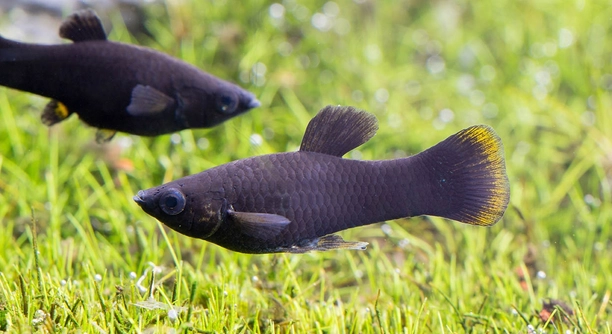
Do you ever enjoy keeping small, colorful fish but worry about which species can peacefully share the same tank? Black Mollies and Guppies are popular choices for home aquariums because of their vibrant colors and easy care.
Black Mollies can generally share a tank with Guppies if the aquarium is spacious and properly maintained. Ensuring compatible water conditions, adequate hiding spots, and balanced feeding routines is essential to prevent stress or aggression among the fish.
Knowing how to set up a harmonious tank will make caring for these fish simpler and more rewarding, while supporting their long-term health and natural behaviors.
Understanding Black Molly and Guppy Temperaments
Black Mollies are generally calm but can show mild aggression if overcrowded or stressed. Guppies are lively and social, often darting around the tank. When these two species share a tank, observing their interactions is important. They usually tolerate each other well, but slight chasing can occur during feeding times or when establishing territory. Providing enough swimming space, plants, and hiding spots helps minimize tension. Tank size is a critical factor; a small aquarium can increase stress and lead to nipping or bullying. Keeping water conditions stable is essential for both species. Mollies prefer slightly salty water, while Guppies thrive in fresh water, so finding a balance is necessary. Monitoring water temperature, pH, and cleanliness reduces disease risk and keeps behavior calmer. A well-maintained tank allows both species to coexist peacefully, providing an enjoyable and vibrant display. Regular observation ensures any minor conflicts are addressed promptly to maintain harmony.
Providing ample hiding spaces will help reduce stress and keep both fish comfortable and healthy.
A proper diet also plays a role in maintaining peace between Black Mollies and Guppies. Mollies enjoy plant-based foods and algae, while Guppies prefer small, protein-rich flakes. Feeding both species according to their needs prevents competition and aggressive behavior. Overfeeding can cause water quality issues, leading to stress and potential health problems. It is helpful to feed in multiple spots to ensure all fish get enough food without crowding each other. Rotating foods and including occasional live or frozen options can improve overall nutrition. Observing fish during feeding provides insights into their social dynamics and whether one species is dominating. Clean, well-aerated water also reduces stress, encouraging calmer behavior. By addressing these factors, you create an environment where Black Mollies and Guppies can thrive together, showcasing their natural colors and playful interactions without unnecessary conflict.
Tank Setup Tips for Coexistence
Adequate space and proper plants are essential for a harmonious tank.
Start with a tank that holds at least 20 gallons to give both species room to swim. Include plants, rocks, and decorations for hiding spots and boundaries. A filtration system that maintains stable water quality reduces stress. Mollies tolerate slightly brackish water, so a pinch of aquarium salt can benefit them without harming Guppies. Keep the temperature around 75–78°F and monitor pH between 7.0 and 8.0. Regular water changes prevent the buildup of waste and maintain clarity. Avoid overcrowding, as too many fish in a small tank increases competition and aggression. Adding floating plants provides cover for Guppies, reducing chasing from Mollies. Lighting should mimic natural cycles, with a balance of bright and shaded areas. Observing fish behavior daily allows you to adjust decorations or feeding routines if conflicts arise. Consistency in care and attentive observation are key to keeping both species healthy and stress-free.
Feeding Practices for Black Mollies and Guppies
Feeding both species properly reduces stress and prevents competition. Separate feeding areas and a mix of plant-based and protein-rich foods help keep both species healthy and active in the tank.
Black Mollies benefit from algae, blanched vegetables, and occasional flakes. Guppies need protein-rich flakes or small live foods. Feeding in multiple spots prevents one species from dominating and ensures all fish get proper nutrition. Overfeeding can cloud the water and cause health problems, so measure portions carefully. Observing fish during feeding helps notice if any fish are being left out or bullied. Rotating foods keeps diets balanced and supports vibrant colors.
Timing and consistency are key. Feed once or twice daily at the same times to create a routine. Avoid leaving uneaten food in the tank, which can affect water quality. Offering variety encourages natural foraging and keeps both species engaged. Watching interactions during feeding shows which areas are preferred and can guide adjustments in tank layout or feeding spots. Clean-up afterward prevents leftover food from causing waste buildup. With proper planning, feeding becomes a simple way to maintain harmony.
Maintaining Water Conditions
Stable water conditions are crucial for both species to thrive. Maintaining temperature, pH, and cleanliness reduces stress and prevents illness.
Regular water changes of 25–30% weekly keep ammonia and nitrate levels low, essential for Black Mollies and Guppies. Temperature should stay between 75–78°F, with pH around 7.0–8.0. Mollies tolerate slight salinity, while Guppies prefer freshwater, so adding a pinch of salt carefully helps balance needs. A reliable filtration system ensures circulation and oxygenation. Avoid sudden changes in water chemistry, which can shock the fish. Regular testing of water parameters allows early detection of problems. Observing fish behavior also indicates water quality issues, as lethargy or unusual swimming patterns can signal stress.
Aeration and plant coverage support healthy water conditions. Live plants absorb excess nutrients and provide hiding spots. Avoid overcrowding, which increases waste and stress. Using a heater or thermometer maintains consistent temperatures. Filters should be cleaned without disturbing beneficial bacteria. Floating plants reduce light intensity, helping sensitive fish. Combining these measures creates a stable environment, allowing Black Mollies and Guppies to live together comfortably while staying healthy and active.
Tank Decorations and Hiding Spots
Providing plenty of hiding spots keeps both species comfortable and reduces stress. Plants, rocks, and caves give Black Mollies and Guppies areas to rest and escape chasing.
Floating plants and dense foliage create shaded areas that help Guppies feel secure. Mollies appreciate open swimming spaces near the surface.
Observing Fish Behavior
Watch interactions closely to catch early signs of stress or aggression. Minor chasing is normal, but consistent bullying requires action.
Signs like hiding, nipping, or fin damage indicate tension. Adjust tank layout or remove aggressive fish if needed to maintain harmony and prevent injury.
Breeding Considerations
Both species breed easily in shared tanks. Guppies reproduce rapidly, while Mollies produce fewer but larger fry.
Careful monitoring prevents overcrowding. Separate breeding areas or tanks may be necessary to protect fry from being eaten. Providing hiding spots for young fish ensures higher survival rates and reduces adult aggression.
Compatible Tank Mates
Other peaceful fish can join without causing stress. Small tetras or corydoras fit well with Black Mollies and Guppies.
FAQ
Can Black Mollies and Guppies live in the same tank long-term?
Yes, they can coexist long-term if the tank is properly maintained. Both species prefer similar water temperatures and clean conditions. Stress is reduced by providing enough space, plants, and hiding spots. Regular monitoring of water parameters and fish behavior ensures a peaceful environment over time.
Do Black Mollies require salt in the water?
Black Mollies tolerate slightly salty water, which can improve their health and coloration. A small pinch of aquarium salt per gallon is usually safe. Guppies can handle this level without harm, but avoid adding too much salt, as it can stress freshwater fish.
How many Guppies and Mollies can I keep together?
Tank size determines how many fish can live comfortably. A 20-gallon tank can hold about 4–5 Mollies and 6–8 Guppies. Overcrowding increases aggression, stress, and disease risk. It is better to add fewer fish initially and monitor interactions before expanding the population.
What do Black Mollies and Guppies eat together?
A balanced diet works best. Mollies eat algae, plant-based foods, and occasional protein flakes, while Guppies prefer protein-rich flakes or small live foods. Feeding in multiple spots ensures all fish receive enough food and reduces competition or chasing during feeding times.
How do I know if the fish are stressed?
Signs of stress include hiding excessively, nipping fins, or swimming erratically. Both species may lose color or become lethargic. Observing daily behavior and maintaining water quality help prevent stress. Adjustments to tank layout or population may be needed if stress persists.
Do Black Mollies and Guppies breed in the same tank?
Yes, both species breed readily in shared tanks. Guppies reproduce quickly, while Mollies produce fewer fry. Overcrowding can occur if fry are not separated. Providing dense plants or breeding boxes helps protect young fish from being eaten and supports higher survival rates.
Can I keep other fish with Mollies and Guppies?
Peaceful, small species like tetras, rasboras, or corydoras work well. Avoid aggressive or much larger fish, which can harm or stress both Mollies and Guppies. Adding compatible tank mates should be done gradually while monitoring interactions closely.
How often should I change the water?
Weekly water changes of 25–30% help maintain stable conditions. Clean water prevents ammonia and nitrate buildup, which can stress or harm fish. Frequent monitoring and partial water changes keep the tank healthy and support long-term coexistence.
What tank decorations work best for these fish?
Live plants, rocks, and small caves create hiding spots and boundaries. Floating plants provide shaded areas, reducing chasing behavior. Open swimming areas are also needed for active Mollies. Regular rearrangement or adding new plants can help maintain interest and reduce territorial disputes.
Can temperature changes affect compatibility?
Yes, both species prefer 75–78°F. Sudden changes or extremes can stress the fish, leading to aggression or illness. Using a heater and thermometer helps maintain a consistent environment. Small temperature adjustments should be gradual to avoid shocking the fish.
How can I prevent aggression between them?
Provide adequate space, hiding spots, and balanced feeding. Monitor fish interactions and separate individuals if chasing or nipping becomes persistent. Avoid overcrowding and keep water conditions stable. Proper care reduces stress and ensures a peaceful coexistence in the tank.
What is the best filtration for a shared tank?
A reliable filter that provides gentle water flow and proper oxygenation works best. Avoid strong currents that may stress Guppies. Regular cleaning of the filter without disrupting beneficial bacteria ensures both species remain healthy and the tank stays stable.
Can I keep male and female Guppies with Mollies?
Yes, but male Guppies may chase females, especially during breeding. Adequate hiding spaces and plants help reduce harassment. Mollies generally remain calm but may assert territory if space is limited. Monitoring behavior ensures a balanced and peaceful tank.
How do I maintain pH for both species?
Both species thrive in slightly alkaline water, around pH 7.0–8.0. Regular testing allows adjustments using safe buffers if necessary. Maintaining stable pH prevents stress, illness, and aggressive behavior, supporting long-term coexistence.
Is tank lighting important for compatibility?
Moderate lighting helps plants grow and provides natural day-night cycles. Floating plants create shaded areas, reducing stress and chasing. Consistent lighting schedules prevent behavioral issues and support healthy activity levels for both Mollies and Guppies.
How do I handle sudden sickness in one species?
Quarantine affected fish immediately to prevent disease spread. Check water quality, adjust temperature if needed, and treat with appropriate medications. Early detection and isolation protect the healthy population and maintain a stable tank environment.
Are there signs that the tank is too small?
Crowding leads to frequent chasing, fin damage, and stress. Fish may hide excessively or show aggression more often. If these signs appear, upgrading to a larger tank or reducing the number of inhabitants is necessary to ensure comfort and health for both species.
Can I keep fry in the same tank?
Small fry are at high risk of being eaten. Using breeding boxes, dense plants, or separate tanks increases survival. Monitoring fry growth and providing appropriate food ensures they develop properly without causing stress to adult fish.
How do I introduce new fish?
Acclimate new fish slowly by floating their bag in the tank and gradually mixing water over 30–60 minutes. This prevents shock from temperature or water differences. Observe behavior closely for the first few days to ensure harmony with existing fish.
What maintenance routines support coexistence?
Daily observation, regular water testing, partial water changes, and proper feeding are key. Maintaining a stable environment with enough space, hiding spots, and compatible tank mates ensures both Black Mollies and Guppies remain healthy, active, and peaceful together.
How do I reduce fin-nipping?
Provide plants and decorations to break lines of sight and multiple feeding areas. Ensuring each fish has enough space and nutrition reduces chasing and fin damage. Monitoring behavior allows early intervention if aggression increases.
Can stress affect coloration?
Yes, stressed fish may lose vibrant colors or appear dull. Stable water conditions, proper diet, and reduced aggression help maintain their natural appearance. Regular observation ensures early correction of stress factors.
What is the safest way to balance salt for both species?
Add a small, controlled amount of aquarium salt slowly, monitoring fish for any signs of stress. Avoid exceeding recommended levels to prevent harm to Guppies while supporting Mollies’ health.
How can I tell if fish are compatible?
Peaceful swimming, minimal chasing, normal feeding, and vibrant coloration indicate compatibility. Frequent hiding, aggression, or disease signals issues that require adjustment to tank setup or population management.
Are there seasonal changes to consider?
Temperature and light cycles should remain consistent regardless of season. Sudden drops in temperature or altered daylight hours can stress fish and affect behavior. Using heaters and timers maintains stability throughout the year.
What is the best way to clean the tank without disturbing fish?
Perform partial water changes, gently clean surfaces, and use a siphon to remove debris. Avoid over-cleaning, which removes beneficial bacteria. Clean decorations carefully while keeping plants intact to minimize stress for both species.
Do Black Mollies and Guppies compete for food?
Competition can occur if feeding spots are limited. Feeding in multiple locations and offering appropriate diets for each species reduces conflict and ensures all fish get enough nutrition.
Can water hardness affect compatibility?
Both species prefer moderately hard water. Sudden changes in hardness can stress fish and encourage aggression. Test water regularly and adjust gradually with safe conditioners if needed.
How do I prevent disease outbreaks?
Maintain clean water, avoid overcrowding, quarantine new fish, and provide balanced diets. Observing fish daily allows early intervention, preventing minor issues from becoming severe health problems.
Is it safe to add decorations gradually?
Yes, adding decorations slowly allows fish to adjust territory and reduces stress. Observe reactions to new additions to prevent fights over newly established hiding spots or swimming areas.
What should I do if aggression escalates?
Separate aggressive individuals, add more hiding spots, or reduce population density. Monitoring behavior and addressing issues quickly helps restore harmony and prevents injuries.
Can I keep snails or shrimp with them?
Peaceful invertebrates like snails and larger shrimp can coexist. Avoid very small shrimp that may be eaten. Adding plants and hiding spaces helps protect invertebrates and maintains tank balance.
How often should I test water parameters?
Test at least once a week for ammonia, nitrite, nitrate, pH, and temperature. Frequent monitoring allows early detection of issues and helps maintain a stable environment for both species.
Are male and female Black Mollies different in behavior?
Males may display territorial behaviors, while females are calmer. Providing plants and open swimming areas reduces tension. Observing interactions ensures that males do not dominate or stress females.
Can changing tank location affect compatibility?
Yes, moving a tank can stress fish due to vibrations, light, or temperature changes. Keep conditions consistent and allow time for fish to adjust after relocation.
Do Black Mollies and Guppies need the same water flow?
Moderate water flow suits both species. Too strong a current can stress Guppies, while too little flow reduces oxygenation for Mollies. Adjust filters to maintain gentle circulation.
How long does it take for them to settle together?
Most fish adjust within a few days to a week, depending on tank size, hiding spots, and previous stress levels. Observing interactions ensures peace is established and maintained.
Can overfeeding cause aggression?
Yes, leftover food can lead to poor water quality and stress, triggering chasing or nipping. Feeding measured portions in multiple spots prevents conflict and supports healthy growth.
Is it normal for Mollies to chase Guppies occasionally?
Yes, minor chasing is typical when establishing territories or during feeding. Ensuring enough space and hiding spots prevents it from becoming aggressive or harmful.
How do I balance plant and open swimming areas?
Dense plants for hiding combined with open areas for swimming support both species’ needs. Adjust decorations to reduce conflicts while maintaining activity and natural behaviors.
What equipment is essential for a shared tank?
Heater, thermometer, filter, and test kits are essential. Optional aeration and plants improve water quality and provide hiding spaces. Proper equipment ensures a stable and safe environment.
How can I encourage natural behaviors?
Provide live plants, varied foods, and shaded areas. Observing fish interactions during feeding and swimming helps maintain their active and playful behaviors while minimizing stress.
Are there signs of illness specific to each species?
Mollies may show bloating or color fading; Guppies may curl fins or swim erratically. Early detection and proper care prevent disease spread and ensure long-term health.
Can I mix different Guppy or Molly varieties?
Yes, but watch for size differences and compatibility. Some varieties may be more aggressive or less tolerant, so monitor behavior carefully when mixing types.
How do I handle tank emergencies?
Have a quarantine tank ready, maintain spare equipment, and know basic treatment methods. Quick action during emergencies reduces stress and prevents long-term problems for both species.
What is the best lighting schedule?
10–12 hours of light per day supports plant growth and fish activity. Maintaining a consistent schedule helps regulate behavior and reduces stress.
Can tank decorations affect water flow?
Yes, large decorations can create dead zones or strong currents. Arrange carefully to provide shelter without disrupting oxygenation or water movement.
Do Black Mollies and Guppies need similar tank mates?
Yes, peaceful, small species work best. Avoid aggressive or large fish that may harm or stress either species. Gradual introduction and observation maintain harmony.
How do I prevent algae overgrowth?
Moderate lighting, live plants, and balanced feeding reduce excess nutrients. Occasional cleaning and algae-eating snails help control buildup without harming fish.
Can water additives affect both species differently?
Yes, some treatments may stress one species. Always check compatibility before adding conditioners, medications, or supplements to a shared tank.
Is it necessary to trim plants regularly?
Yes, trimming prevents overcrowding, maintains hiding spots, and ensures swimming space. Proper plant care contributes to a healthy, balanced tank environment.
How often should I observe the tank?
Daily observation allows early detection of stress, aggression, or illness. Quick action prevents minor issues from escalating and maintains harmony between species.
Can temperature fluctuations trigger aggression?
Yes, sudden drops or spikes can stress fish, causing chasing or fin nipping. Maintaining a stable 75–78°F temperature reduces conflicts and supports overall health.
Are Mollies or Guppies more dominant?
Mollies may assert mild dominance if space is limited. Providing hiding spots and adequate swimming areas balances interactions, ensuring peaceful coexistence.
How do I prevent overcrowding?
Plan population based on tank size, species needs, and growth rates. Remove or relocate excess fish and monitor fry survival to maintain a comfortable environment.
Can sudden lighting changes stress fish?
Yes, abrupt bright lights can startle fish. Gradually adjust lighting during maintenance or tank moves to minimize stress.
Do I need a quarantine tank?
Yes, quarantining new or sick fish prevents disease spread and protects established tank residents. It also allows observation before introducing fish to the main tank.
How can I manage aggressive males?
Separate if chasing becomes persistent, provide extra hiding spots, and monitor interactions. Ensuring space and resources reduces territorial disputes and protects other fish.
Is water hardness important for fry survival?
Moderate hardness supports fry development. Extreme hardness or softness can affect growth and health. Monitor water parameters closely in breeding situations.
Can I use artificial plants?
Yes, but ensure they have smooth edges to avoid fin damage. Combine with live plants for hiding spaces and water quality benefits.
What is the best feeding schedule for mixed tanks?
Feed once or twice daily at consistent times. Use multiple feeding spots and appropriate portions to reduce competition and maintain fish health.
Do both species require similar oxygen levels?
Yes, both need well-oxygenated water. Aeration, live plants, and proper filtration maintain suitable oxygen levels for healthy coexistence.
How do I prevent territorial disputes?
Provide plants, decorations, and open swimming areas. Monitor behavior and separate aggressive individuals if necessary. Balancing space and hiding spots reduces conflicts.
Can water temperature affect breeding?
Yes, slightly warmer water encourages breeding, while sudden changes can reduce fertility or stress fish. Maintain stable temperatures for healthy reproduction.
Are certain tank shapes better?
Long tanks offer more swimming space, reducing aggression. Tall tanks work if sufficient horizontal space exists, but overcrowding should be avoided.
Do I need to clean decorations regularly?
Yes, cleaning prevents algae buildup and maintains water quality. Avoid harsh chemicals that can harm fish or plants.
How can I tell if the filter is adequate?
Check for consistent water flow, clean water, and oxygenation. Fish behavior and plant health also indicate proper filtration.
Can frequent rearranging cause stress?
Yes, excessive changes disrupt territory and hiding spots. Make adjustments gradually and observe fish for signs of stress.
How do I manage fry growth in a shared tank?
Use breeding boxes, dense plants, or separate tanks. Monitor feeding and growth to ensure fry develop safely without being eaten by adults.
Is partial water change enough?
Yes, changing 25–30% weekly maintains water quality without shocking fish. Combine with regular testing and maintenance for best results.
Can decorations block filtration?
Yes, avoid placing large items near filter intake or output. Ensure good circulation and oxygenation throughout the tank.
Do both species need similar lighting?
Yes, moderate light supports plant growth and fish activity. Floating plants can provide shaded areas for comfort and reduced stress.
How do I reduce chasing during feeding?
Feed in multiple locations, provide ample hiding spots, and ensure balanced diets. Observation helps identify problem areas and adjust feeding strategies.
Can tank size affect breeding?
Yes, small tanks can stress adults and reduce fry survival. Larger tanks provide space, hiding areas, and healthier breeding conditions.
What water parameters are ideal for both species?
Temperature: 75–78°F, pH: 7.0–8.0, moderate hardness, clean and well-oxygenated. Stable conditions prevent stress and aggression.
Are both species sensitive to chemicals?
Yes, harsh cleaners, medications, or high salt levels can harm them. Use safe products and monitor reactions closely.
How do I introduce plants safely?
Rinse plants, remove pests, and plant carefully to avoid uprooting. Gradual introduction reduces stress and maintains tank balance.
Is a lid necessary for the tank?
Yes, both species can jump. A secure lid prevents accidents while maintaining proper humidity and temperature.
Can water changes trigger aggression?
Yes, sudden changes can stress fish. Perform partial water changes gradually and monitor behavior afterward.
Do both species prefer similar water flow?
Yes, moderate flow suits both. Adjust filters to avoid strong currents that stress Guppies or reduce oxygen for Mollies.
How do I manage algae growth?
Balance light, plants, and feeding. Occasional cleaning and algae-eating snails help maintain control without harming fish.
Are tank heaters essential?
Yes, heaters maintain stable temperatures, especially in cooler climates, preventing stress and supporting fish health.
Can tank decorations be rearranged safely?
Yes, but gradually to avoid stressing fish. Observe interactions after changes to ensure harmony.
Do I need to trim live plants?
Yes, trimming prevents overcrowding, maintains hiding spots, and keeps swimming areas open. Regular maintenance supports a healthy environment.
Can lighting affect breeding behavior?
Yes, consistent light cycles encourage natural behaviors. Sudden changes may stress fish and reduce breeding activity.
Are there signs of overfeeding?
Leftover food, cloudy water, and fish hiding or chasing excessively indicate overfeeding. Adjust portions and feeding locations.
Can salt help Mollies without harming Guppies?
Yes, a small, controlled amount benefits Mollies while remaining safe for Guppies. Monitor fish for stress after adding.
How do I maintain a peaceful tank long-term?
Consistent feeding, clean water, proper tank setup, monitoring behavior, and addressing aggression promptly ensure Black Mollies and Guppies coexist happily and healthily for years.
Black Mollies and Guppies can live together peacefully if their tank is properly set up and maintained. Both species have similar water and temperature preferences, which makes them compatible in most home aquariums. Providing enough space is essential, as overcrowding can lead to stress and aggression. A tank of at least 20 gallons is ideal when keeping multiple fish of each species. Decorations, plants, and hiding spots help reduce chasing and allow each fish to establish its own space. Floating plants and dense foliage offer shaded areas that make Guppies feel secure, while open swimming areas give Black Mollies room to move freely. Observing interactions between the two species can help you spot early signs of conflict so adjustments can be made before problems escalate.
Feeding practices also play an important role in maintaining harmony. Mollies prefer plant-based foods such as algae and blanched vegetables, while Guppies need protein-rich flakes or small live foods. Feeding in multiple spots ensures that all fish get enough nutrition and reduces competition. Overfeeding should be avoided, as uneaten food can quickly impact water quality and stress the fish. Maintaining a regular feeding schedule helps create a calm routine and keeps both species active and healthy. Watching fish during feeding also gives insight into their behavior and social hierarchy, allowing you to make minor adjustments in placement of food or hiding spaces to reduce stress. Balanced nutrition, combined with a stable environment, supports vibrant colors and normal activity for both Black Mollies and Guppies.
Maintaining clean water and stable conditions is crucial for long-term coexistence. Weekly partial water changes, proper filtration, and regular testing of pH, ammonia, and nitrate levels prevent illness and keep the tank environment safe. Mollies tolerate slightly salty water, and a small pinch of aquarium salt can benefit them without harming Guppies, but care should be taken not to overdo it. Temperature should be kept between 75–78°F, with moderate lighting to encourage plant growth and provide natural day-night cycles for the fish. Introducing new fish gradually, monitoring fry, and separating aggressive individuals when necessary ensures the tank remains peaceful. Following these practices allows both species to thrive together, providing a healthy, balanced, and visually engaging aquarium where Black Mollies and Guppies can coexist for years.

Hello,
If you enjoy the content that we create, please consider saying a "Thank You!" by leaving a tip.
Every little bit helps us continue crafting quality advice that supports the health, happiness, and well-being of pets around the world, for pets of all shapes, sizes, and species.
We really appreciate the kindness and support that you show us!