
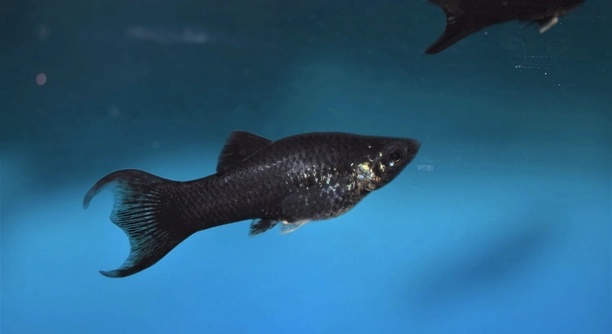
Do you enjoy watching your Black Molly swim gracefully across the tank and sometimes wonder how they interact with other fish in their environment? Observing these little creatures can be both relaxing and fascinating to fish owners.
Black Mollies are capable of recognizing other fish in their tank. They can differentiate between familiar and unfamiliar tank mates, often showing varying behaviors such as curiosity, caution, or social interaction depending on the species and individual temperament.
Learning more about how Black Mollies respond to different fish can help you create a harmonious and healthy aquarium environment for all your aquatic pets.
How Black Mollies Interact with Tank Mates
Black Mollies are naturally social fish that prefer living with others. They often swim in groups, exploring the tank together and establishing a simple hierarchy. Their behavior toward other fish depends on size, temperament, and species. Mollies may chase smaller or more timid fish at first but usually settle once boundaries are clear. They are curious and will often follow new fish around, assessing whether they pose a threat. Mollies also communicate through body movements and subtle color changes, which can indicate mood or stress. Observing their interactions closely can help you identify which tank arrangements keep everyone calm. Over time, Mollies can learn to tolerate certain fish more than others. They show signs of comfort by resting near familiar companions and exploring shared spaces without agitation. Providing plenty of hiding spots and open swimming areas can reduce tension and encourage natural behavior.
Black Mollies generally adjust to other peaceful fish within a few days to weeks of introduction.
Tank setup greatly influences how Mollies behave. A well-planted tank with areas to hide allows them to feel secure. Water quality also impacts mood and social interaction, as Mollies are sensitive to poor conditions. Consistent feeding and a predictable routine reduce stress and aggression. Some Mollies form small groups within a larger school, often preferring fish that are similar in size and temperament. Observing their behavior can help you understand compatibility and prevent long-term stress, which is key to maintaining a healthy aquarium.
Recognizing Individual Fish
Mollies can identify specific fish based on appearance and behavior, showing preferences for familiar companions.
They remember past interactions, reacting differently to fish they know versus new additions. This recognition helps them navigate social dynamics, avoid conflict, and seek comfort in familiar tank mates. By paying attention to these patterns, you can better manage introductions and maintain a peaceful tank environment. Consistency in tankmates, layout, and feeding routines helps reinforce positive social behavior and reduces stress in Black Mollies. Observing subtle signs, like following patterns or spacing, can indicate which fish Mollies are comfortable with and which may require more time to adjust.
Signs That Black Mollies Recognize Other Fish
Black Mollies often swim closer to familiar fish and show less aggression toward them. They may mirror movements or swim in sync, signaling recognition. Unfamiliar fish usually trigger cautious or defensive behaviors until comfort is established.
Recognition affects daily interactions in the tank. Mollies remember which fish are non-threatening and adjust behavior accordingly. They may follow preferred tank mates during feeding or explore areas together. Aggressive behavior decreases toward familiar fish, while new arrivals may be observed from a distance. Over time, this recognition builds a stable social structure, making the aquarium feel safer and reducing stress for all fish involved.
Mollies also use body language and color cues to identify others. Changes in fin position, swimming speed, and even minor color variations signal recognition. Fish that are recognized may receive less chasing and more cooperative behavior during feeding. Stress levels are lower when familiar fish are present, allowing Black Mollies to display natural behavior. They seem to anticipate interactions with certain fish, creating routines and preferred swimming partners. This recognition contributes to a calmer and more balanced tank environment.
Factors Influencing Recognition
Water conditions, tank size, and population density affect recognition. Overcrowding or poor water quality can make fish more aggressive or anxious.
Social habits of Black Mollies are shaped by environment and experience. In spacious tanks with plenty of hiding spots, Mollies have the chance to observe and interact safely with other fish. Limited space can heighten tension, making recognition harder to establish. Age and previous tank experiences also matter; older or previously stressed Mollies may take longer to trust new tank mates. Diet consistency and feeding routines help maintain stable behavior patterns, allowing Mollies to recognize familiar companions reliably. Monitoring these factors ensures smoother social dynamics and overall well-being.
How Black Mollies Remember Other Fish
Black Mollies rely on visual cues and movement patterns to remember other fish. They tend to recognize familiar shapes, sizes, and swimming behaviors. Memory plays a key role in maintaining social harmony and avoiding unnecessary conflict within the tank.
Recognition also depends on repeated interactions. Mollies remember which fish share food peacefully and which may compete aggressively. Over time, these observations shape behavior, allowing them to approach known companions confidently while keeping distance from fish they do not yet trust. Familiarity reduces stress and helps establish a more stable social environment for everyone in the tank.
Influence of Tank Size
Larger tanks provide space for Mollies to recognize and interact without constant stress. Fish can establish territories and choose companions freely.
Behavioral Changes with New Fish
Introducing new fish can temporarily disrupt established recognition patterns. Mollies may become cautious or display brief aggression while assessing newcomers. Observing interactions helps ensure peaceful integration and reduces long-term stress.
Observing Recognition Patterns
Noticing swimming formations and pairing behaviors can reveal recognition. Mollies often follow preferred companions and avoid unfamiliar fish, showing clear social preferences.
FAQ
Do Black Mollies get along with all types of fish?
Black Mollies generally do well with peaceful fish of similar size. Aggressive or very small fish may trigger chasing or stress. Choosing compatible species helps reduce conflict and keeps the tank calm. Tank layout and hiding spots also play a role in social harmony.
How long does it take for Black Mollies to recognize new fish?
Recognition can take a few days to several weeks, depending on tank size, population, and individual fish temperament. Repeated safe interactions speed up the process. Providing space and monitoring behavior ensures smoother adaptation for all fish involved.
Can Black Mollies remember fish they haven’t seen in a while?
Yes, Mollies have a decent memory for familiar fish. They may respond more positively to previously known tank mates, especially if interactions were non-threatening. Long absences might reset recognition slightly, but past experiences still influence behavior.
Do Black Mollies show affection toward recognized fish?
While not affectionate in a human sense, Mollies display comfort around familiar fish by swimming closely, exploring together, or sharing feeding areas. This behavior indicates reduced stress and a sense of security rather than emotional attachment.
Will recognition prevent aggression entirely?
Recognition lowers the risk of aggression but does not guarantee it will disappear. Factors like overcrowding, poor water conditions, or competition for food can still cause disputes. Observation and proper tank management are essential to maintain peace.
How can I tell if my Mollies recognize certain fish?
Watch for following behavior, synchronized swimming, and relaxed body language. Mollies that remember others will approach them confidently, share swimming paths, and show less chasing or defensive behavior. Subtle cues like fin positioning or color intensity can also indicate comfort.
Do young Black Mollies recognize other fish differently than adults?
Juveniles are usually more cautious and may take longer to recognize tank mates. Adults have established social habits and memory, allowing faster recognition. Observing interactions over time helps understand how age affects social behavior in Mollies.
Can changing tank decorations affect recognition?
Yes, rearranging plants or hiding spots can confuse Mollies and temporarily affect recognition. They rely on familiar landmarks to navigate and identify other fish. Gradual changes minimize stress and help maintain social stability.
Do Black Mollies interact differently with fish of different species?
Yes, behavior depends on the species’ size, temperament, and activity level. Mollies may be more cautious around larger or more aggressive fish, while they often pair or swim closely with calm, similarly sized companions. Observation helps identify compatible tank mates.
How does feeding influence recognition?
Shared feeding experiences strengthen recognition. Mollies tend to remember which fish are non-competitive and which display aggressive feeding behavior. Consistent feeding routines reduce stress and encourage peaceful social interactions.
Are there signs Mollies do not recognize a fish?
Yes, unfamiliar fish may trigger chasing, hiding, or cautious swimming. Mollies may keep distance, inspect new arrivals slowly, and show alert body posture. Patience and monitoring help new tank mates integrate safely.
Do Mollies recognize fish individually or just by species?
Mollies recognize individual fish based on appearance and behavior rather than species alone. Even within the same species, they differentiate between familiar and new individuals, adjusting behavior accordingly to maintain social balance.
Can stress affect recognition?
Stress from poor water quality, overcrowding, or illness can reduce recognition and increase aggression. Healthy conditions, proper space, and observation are crucial for Mollies to identify and interact safely with other fish.
Is recognition more important in small tanks?
Yes, limited space makes recognition crucial. Familiarity reduces tension in cramped environments, allowing Mollies to establish territories and interact without constant conflict. Proper tank design and monitoring help maintain social stability even in smaller aquariums.
How do Black Mollies respond to sudden changes in tank population?
Sudden additions or removals can disrupt established recognition patterns. Mollies may become cautious, display aggression, or temporarily avoid other fish. Gradual introductions and observing behavior carefully help minimize stress and restore balance.
Do Black Mollies communicate recognition to other fish?
Recognition is mostly expressed through behavior rather than intentional communication. Swimming patterns, positioning, and body language signal familiarity, helping Mollies navigate social dynamics and maintain harmony within the tank.
Can Mollies forget fish if separated too long?
Extended separation may weaken memory, but familiar traits often remain recognizable. Reintroductions may require adjustment time, but prior experiences usually influence how Mollies interact, helping reduce stress compared to completely unfamiliar fish.
Does tank size impact recognition speed?
Larger tanks allow more observation and exploration, which can speed up recognition. Smaller tanks may slow the process due to limited interaction options and increased stress. Observing behavior and providing adequate space ensures smoother recognition development.
Are there tools to help Mollies recognize fish faster?
Providing visual markers, consistent feeding areas, and stable routines can help. Avoid sudden changes in layout or lighting, as stability encourages familiarity. Monitoring and gradual introductions support faster recognition and reduce aggression in the tank.
How can I maintain long-term recognition?
Consistency in tank mates, layout, feeding, and water quality reinforces memory and social behavior. Regular observation helps identify stress or conflict early. Stable routines and environmental familiarity allow Mollies to maintain recognition and interact peacefully over time.
Do Mollies ever ignore fish they recognize?
Yes, sometimes recognized fish are ignored if there is no need to interact. Mollies may swim independently but still recognize others, approaching only when feeding, exploring, or sharing preferred areas. This selective interaction is normal and shows stable social awareness.
How does age affect recognition ability?
Older Mollies generally have stronger memory and social understanding. Juveniles are slower to recognize and may need repeated safe interactions. Age, experience, and prior exposure to tank mates shape recognition patterns over time.
Can illness affect recognition?
Yes, sick Mollies may become withdrawn or aggressive, temporarily disrupting recognition. Recovery and stable conditions restore normal behavior. Observing subtle behavior changes helps identify health issues that might interfere with social interactions.
Do Mollies show preference for certain fish?
Yes, Mollies often prefer companions with calm behavior and similar size. They may swim together, share hiding spots, and follow one another. These preferences indicate recognition and comfort, contributing to a more peaceful tank dynamic.
Does gender affect recognition?
Males and females may recognize differently due to social roles. Males may display more chasing during breeding, while females may focus on safe companions. Understanding these differences helps manage interactions and maintain harmony.
Can recognition prevent disease spread?
Indirectly, yes. Fish that recognize and avoid aggressive or stressed companions may experience lower stress, which supports immunity. However, recognition alone does not prevent disease; proper hygiene and quarantine are necessary.
How often should I observe recognition patterns?
Regular observation is important, especially after adding new fish or changing the tank. Watching interactions a few times a week ensures social balance and helps spot stress or conflict early, supporting long-term health and harmony.
Do Mollies teach recognition to other fish?
Not directly, but familiar behavior can influence tank mates. Calm, non-aggressive Mollies may encourage others to feel secure and learn boundaries. Observing these interactions helps you understand social structure in the aquarium.
Can recognition fail in overcrowded tanks?
Yes, too many fish reduce space for safe interactions, making recognition harder. Overcrowding increases stress, chasing, and hiding behavior. Maintaining proper population density is crucial for recognition and overall health.
Are certain species easier for Mollies to recognize?
Species with predictable behavior and similar size are easier for Mollies to recognize. Active, calm fish that swim in visible patterns make familiarity easier to establish and reduce stress in the tank.
Do Mollies form permanent social bonds?
They do not form permanent bonds like mammals but show long-term recognition and comfort with familiar fish. This allows repeated peaceful interactions and shared swimming patterns, contributing to a stable tank environment.
Can recognition influence breeding behavior?
Yes, Mollies often prefer familiar tank mates during breeding. Recognizing compatible partners reduces stress and supports reproductive success. Observation of preferred pairings can help manage breeding effectively in community tanks.
How does lighting affect recognition?
Good lighting allows Mollies to see visual cues clearly, aiding recognition. Poor lighting can make identification harder, increase stress, and slow social adaptation. Maintaining proper light levels supports healthy interactions.
Is recognition affected by water temperature?
Extreme temperatures can stress Mollies, reducing recognition ability. Stable, appropriate temperatures promote normal behavior, allowing Mollies to identify and interact with other fish effectively.
Do Mollies react differently to recognized versus new fish during feeding?
Yes, they are calmer and less competitive with recognized fish, while new fish may trigger chasing or guarding behavior. Gradual introductions and consistent feeding routines reduce conflicts and support smooth adaptation.
How can I encourage recognition in a mixed tank?
Provide ample space, hiding spots, consistent routines, and gradual introductions. Observing interactions and adjusting population or layout as needed helps Mollies recognize companions faster and reduces stress. Proper care supports long-term social stability and healthy behavior.
Do Mollies recognize fish outside their tank?
No, recognition is limited to fish they regularly interact with. Introducing a Mollie to a new tank with familiar fish can cause temporary stress until recognition is re-established. Repeated exposure helps rebuild familiarity over time.
Are there visual or behavioral signs of strong recognition?
Following, synchronized swimming, calm body posture, and shared exploration indicate strong recognition. Mollies that consistently approach certain fish without aggression demonstrate comfort and familiarity. These signs help identify preferred companions and support peaceful tank dynamics.
Can recognition influence overall tank health?
Indirectly, yes. Recognized fish experience less stress, which supports feeding, immunity, and natural behavior. Maintaining recognition and peaceful interactions contributes to a healthier, more stable aquarium environment for all species.
Do Mollies react differently to strangers in a familiar tank?
Yes, unfamiliar fish are inspected carefully, and Mollies may display temporary aggression or caution. Over time, repeated safe interactions allow recognition and reduce tension. Monitoring these reactions helps maintain harmony.
How long does recognition last without interaction?
Recognition can fade after weeks without interaction but often resumes faster than initial introductions. Past experience helps Mollies adjust more quickly to returning or familiar fish.
Can recognition reduce bullying in the tank?
Yes, familiarity lowers aggression toward recognized companions. Mollies are more confident and calm, reducing chasing or hiding behavior. Proper tank management enhances these positive interactions.
Do Mollies use smell or only sight to recognize fish?
Sight is the primary method, but smell may play a minor role in detecting familiar or new companions. Visual cues, behavior, and swimming patterns remain the main indicators of recognition.
Can recognition vary between individual Mollies?
Yes, temperament, age, and prior experiences influence how quickly and accurately a Mollie recognizes others. Some are more social, while others are cautious or selective. Individual personality shapes interactions in the tank.
Are there risks if recognition fails?
Failure to recognize familiar fish can lead to stress, chasing, hiding, and disrupted feeding. Monitoring behavior and adjusting tank conditions helps maintain social stability and overall health.
Do Mollies recognize other species more easily than their own?
Recognition is based on individual traits rather than species. Mollies may recognize certain species faster if behavior and size are predictable, but familiarity depends on repeated interaction and observation rather than species alone.
How do Mollies react if a recognized fish becomes sick?
They may avoid or show cautious behavior around sick fish. Recognition allows them to adjust social interactions, but stress levels can rise, so removing or isolating the sick fish helps protect the rest of the tank.
Can recognition be retrained after disruption?
Yes, consistent safe interactions, stable environment, and gradual introductions help Mollies relearn familiarity. Patience and observation ensure smooth reintegration and reduced stress.
Does recognition affect swimming patterns in the tank?
Recognized fish often swim together or in parallel paths, while unfamiliar fish may be approached cautiously or avoided. These patterns indicate social preference and comfort levels within the aquarium.
Do Mollies ever form groups based on recognition?
Yes, Mollies often swim in small groups of familiar companions. These preferred groupings reduce stress, establish social order, and make feeding and exploration calmer for the tank community.
Can recognition influence feeding hierarchy?
Familiar fish tend to feed together without competition, while new or unknown fish may face chasing or guarding behavior. Recognition helps establish predictable feeding behavior and reduces stress for all tank inhabitants.
How can I use recognition to reduce stress in a community tank?
Introduce new fish gradually, provide hiding spots, and maintain consistent routines. Allow Mollies to observe and interact safely, reinforcing familiarity. Stable conditions and observation help recognition develop, promoting calm behavior and reducing stress.
Does recognition affect breeding success?
Yes, Mollies are more likely to engage in breeding behaviors with familiar, compatible tank mates. Reduced stress and established social patterns create a safer environment, improving reproductive outcomes.
Can recognition help prevent fights over territory?
Yes, familiar fish are less likely to chase each other aggressively, reducing territorial disputes. Recognition allows fish to share space more peacefully, especially in well-structured tanks with adequate hiding areas.
Do Mollies recognize each other by size or appearance?
Both play a role. Mollies use size, color, swimming patterns, and movement behavior to differentiate individuals. Recognition relies on multiple cues, allowing Mollies to identify companions and interact accordingly.
Can recognition influence health indirectly?
Yes, less stress from recognized companions supports immune function, feeding, and natural behavior. Social stability promotes overall well-being in the tank.
Is recognition permanent once established?
It is long-lasting but can fade with long separations or stressful conditions. Repeated safe interactions reinforce memory, helping Mollies retain recognition over time.
How do Mollies respond to multiple new fish at once?
Introducing several fish simultaneously can overwhelm recognition ability, causing stress and temporary aggression. Gradual introductions help Mollies adjust and establish familiarity with each new tank mate.
Can recognition vary by species of tank mates?
Yes, predictable, calm species are easier to recognize. Active or aggressive species may require more time for Mollies to establish familiarity, affecting social behavior and tank dynamics.
Do Mollies use recognition to form alliances?
Not consciously, but familiar fish often swim together or follow similar paths, creating a sense of security. These patterns help reduce stress and maintain balance in the tank.
Can recognition improve overall tank harmony?
Yes, familiarity reduces aggression, stress, and hiding behavior. Recognized companions create stable social structures, allowing feeding, exploration, and swimming patterns to proceed more peacefully.
How can I track recognition in my Mollies?
Observe following behavior, synchronized swimming, and approach patterns. Note which fish are approached confidently and which trigger caution. Keeping a simple log can help monitor social dynamics and maintain a harmonious aquarium.
Does recognition affect aggression levels?
Yes, Mollies show less chasing and fin-nipping with recognized fish. Aggression is usually higher toward new or unfamiliar tank mates. Recognition helps establish predictable social interactions, improving overall tank health.
Can recognition be influenced by stress from outside the tank?
Yes, loud noises, vibrations, or handling can temporarily disrupt recognition. Providing a calm, stable environment supports consistent behavior and memory, allowing Mollies to maintain familiarity with tank mates.
Do Mollies form recognition-based hierarchies?
Yes, familiarity helps Mollies establish simple social order. Recognized fish are approached with less caution, while new or less familiar fish are observed carefully. This hierarchy reduces conflict and supports stable interactions.
Can recognition help with selective breeding?
Yes, pairing familiar, compatible fish reduces stress and improves breeding success. Recognition ensures calmer behavior during courtship and egg-laying, supporting healthier offspring.
How often should I introduce new fish for optimal recognition?
Introduce new fish slowly, one at a time if possible. Gradual introductions allow Mollies to observe and establish familiarity, reducing stress and aggression while maintaining stable social interactions.
Do Mollies recognize fish in neighboring tanks?
No, recognition is limited to fish they interact with directly. Visual observation through glass may trigger curiosity, but it does not establish familiarity or affect social behavior.
How can I support recognition in older Mollies?
Maintain consistent tank mates, environment, and feeding routines. Older Mollies rely on memory and routine, so stability ensures they continue to recognize companions and interact calmly.
Does recognition influence territorial behavior?
Yes, Mollies are less likely to defend space aggressively against recognized fish. Familiarity reduces tension and allows coexistence in shared areas.
Can recognition prevent bullying during feeding?
Yes, familiar fish feed together more calmly, reducing chasing and competition. Recognition encourages predictable behavior and supports peaceful meal times.
How does recognition affect overall fish behavior?
Recognition allows Mollies to interact confidently, reduce stress, and establish social routines. Peaceful interactions support swimming, feeding, and exploration, improving overall health and tank harmony.
Can recognition help manage large community tanks?
Yes, understanding recognition patterns allows better population management. Providing space, hiding spots, and gradual introductions ensures compatibility and reduces stress in diverse aquariums.
Do Mollies ever misidentify fish?
Occasionally, Mollies may mistake unfamiliar fish for familiar ones, triggering cautious or aggressive responses. Observing behavior helps ensure proper identification and peaceful interactions.
Can recognition influence schooling behavior?
Yes, Mollies often swim in small groups with recognized companions. These groups reduce stress, improve feeding efficiency, and create a sense of social stability in the tank.
Are there signs recognition is strong?
Following behavior, synchronized swimming, calm posture, and shared exploration indicate strong recognition. Mollies are confident around familiar fish and show reduced stress and aggression.
Do environmental changes affect recognition long-term?
Major changes in tank layout or population can temporarily disrupt recognition, but stability over time helps Mollies readjust and re-establish familiarity with tank mates.
How can I use recognition to improve tank care?
Monitoring social interactions and maintaining stable conditions supports recognition, reduces stress, and encourages natural behavior. This improves overall tank health, feeding routines, and social harmony.
Do Mollies recognize their offspring?
No, Mollies do not display parental recognition. Fry are generally independent, and adult behavior is guided more by social familiarity and tank dynamics than familial bonds.
Does recognition affect hiding behavior?
Recognized fish are less likely to hide from each other. Mollies feel safer with familiar companions, reducing stress-related hiding and allowing more natural swimming and exploration.
Can recognition influence disease management?
Indirectly, yes. Lower stress from recognized companions supports immune health. Observation of interactions also helps identify sick fish early, preventing the spread of illness.
Do Mollies show signs of excitement toward recognized fish?
Yes, they may swim more actively, follow companions, or explore together. These behaviors indicate comfort and social familiarity, contributing to a calmer and more predictable tank environment.
How important is recognition for a healthy tank?
Recognition is essential
Black Mollies are interesting fish that show clear social behavior in the tank. They can recognize other fish and adjust their behavior depending on who is around them. This recognition helps them feel safe, reduce stress, and interact more calmly with their tank mates. Observing Mollies over time shows how they learn to distinguish between familiar companions and new fish, often following familiar fish during feeding or swimming together. Recognition is not about friendship in a human sense, but it does allow them to navigate their environment in a way that keeps them comfortable. By paying attention to these behaviors, you can better understand their needs and ensure that the tank remains a balanced and peaceful place.
Recognition in Mollies is influenced by many factors. Tank size, water quality, and population density all play important roles. In larger tanks with proper hiding spots, Mollies can explore and observe their tank mates safely, which encourages recognition. Consistent feeding routines and a stable environment also help them remember which fish are non-threatening. Introducing new fish gradually and monitoring interactions can make the process smoother. Even small changes in decorations or lighting can affect their behavior temporarily, so maintaining a consistent tank setup is beneficial. Older Mollies tend to recognize fish faster because they have more experience and established memory patterns, while juveniles may need more time to feel comfortable. Recognizing these factors helps create a tank where all fish can coexist without unnecessary stress or aggression.
Maintaining a tank with Black Mollies means paying attention to both individual and group dynamics. Fish that are recognized by their tank mates often display calmer behavior, which improves feeding, exploration, and overall health. Stress is minimized when fish feel secure with familiar companions, which supports their immune system and natural activity. Understanding recognition patterns also helps when introducing new fish, managing breeding, and ensuring a harmonious community. By observing swimming patterns, interactions, and body language, you can learn which fish feel comfortable with each other and which may need more time to adjust. Ultimately, recognition is an important aspect of their behavior that contributes to a stable, peaceful, and healthy aquarium environment. Watching Mollies navigate these relationships provides insight into their social world and can help you maintain a tank that allows all your fish to thrive.

Hello,
If you enjoy the content that we create, please consider saying a "Thank You!" by leaving a tip.
Every little bit helps us continue crafting quality advice that supports the health, happiness, and well-being of pets around the world, for pets of all shapes, sizes, and species.
We really appreciate the kindness and support that you show us!