
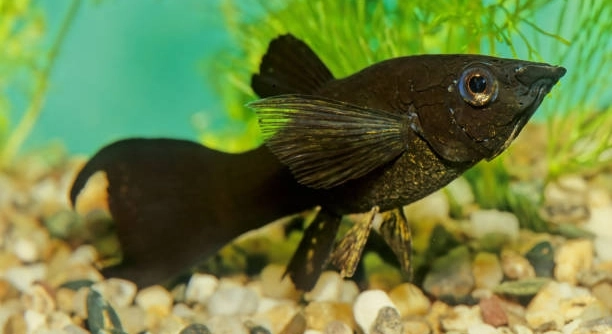
Black mollies are popular aquarium fish known for their deep black color and lively behavior. Sometimes, their dark hue fades, leaving them looking pale and less vibrant in the tank. This can be concerning for many fish owners.
Black mollies appear pale primarily due to stress, poor water quality, or nutritional deficiencies. Other factors include illness, genetics, aging, or environmental changes. Addressing these causes with proper care and adjustments helps restore their natural coloration effectively.
Recognizing the reasons behind paleness is important for keeping your fish healthy and vibrant. Small changes in care can make a noticeable difference in their appearance and wellbeing.
Stress and Its Effects on Black Mollies
Stress is one of the most common reasons black mollies lose their deep color. Changes in their environment, aggressive tank mates, or overcrowding can cause them to feel insecure. Even subtle shifts, like moving decorations or adjusting lighting, can trigger stress responses. Stressed fish often eat less, swim less actively, and display pale or dull colors. Maintaining a calm and stable environment is essential to help your mollies regain confidence. Temperature fluctuations or sudden changes in water chemistry also play a role. Stress weakens the immune system, making fish more prone to illness. Observing behavior daily helps spot early signs before health problems develop. Providing hiding spaces, a consistent feeding routine, and peaceful companions supports overall wellbeing. Regular water testing and gentle handling reduce tension. Over time, your black mollies will likely regain their natural color and lively behavior. A stable, safe habitat encourages strong, healthy fish that thrive over months and years.
Stress can make black mollies appear washed out, lose appetite, and move less, signaling the need for adjustments.
Reducing stress requires careful observation and consistent care. Ensure the tank size is appropriate for the number of fish and that there are no overly aggressive tank mates. Providing plants, caves, or ornaments offers hiding spots, giving fish a sense of security. Avoid sudden temperature or lighting changes, and keep a regular feeding schedule. Even small improvements, like consistent water changes and minimal handling, make a big difference.
Poor Water Quality
Poor water quality quickly affects a black molly’s coloration and overall health. Ammonia, nitrite, or nitrate spikes can leave them pale and lethargic. Regular testing and proper filtration are crucial to prevent toxic buildup.
Keeping water clean involves consistent monitoring and maintenance. Water changes, filter checks, and cleaning debris are key steps in maintaining a healthy tank.
To maintain optimal water quality, start with a reliable test kit and monitor ammonia, nitrite, nitrate, and pH levels weekly. Regular partial water changes, around 20-25% per week, help remove waste and restore mineral balance. Ensure the filter is functioning properly and clean it as needed without removing beneficial bacteria. Avoid overfeeding, as uneaten food decomposes and pollutes water. Using a water conditioner neutralizes harmful chemicals in tap water. Temperature stability also supports water quality, as fluctuations can stress fish and worsen chemical imbalances. With a clean and stable environment, black mollies regain color and energy, making them healthier and more active. Consistency in water care is more important than occasional large efforts, as daily attention prevents issues before they impact fish health.
Nutritional Deficiencies
Black mollies need a balanced diet to maintain their dark coloration. Lack of essential nutrients, like vitamins and minerals, can make them look pale and weak. High-quality flake food, frozen foods, and occasional live foods are important for their health.
Feeding a variety of foods ensures mollies get all necessary nutrients. Relying solely on one type of food can lead to deficiencies, affecting color and energy. Include vegetables like blanched spinach or zucchini for fiber and vitamins. Protein sources, such as brine shrimp or daphnia, support growth and strengthen the immune system. Avoid overfeeding, which can pollute the tank and cause water quality issues, indirectly affecting fish health. Feeding small portions multiple times a day encourages active foraging and keeps your fish vibrant.
Even with the best water conditions, poor nutrition prevents black mollies from displaying their full color potential. Supplementing their diet with occasional treats boosts pigment development and overall health. Observe your fish during feeding; a healthy molly eagerly eats a variety of foods, swims actively, and displays rich coloration. A balanced diet combined with proper care helps restore paleness and keeps them thriving in the aquarium environment.
Illness and Parasites
Illness or parasites can cause black mollies to lose color rapidly, along with lethargy and loss of appetite. Immediate attention is necessary to prevent serious health issues.
Common infections include bacterial, fungal, and parasitic infestations. Signs include white spots, clamped fins, abnormal swimming, or rapid breathing. Quarantining affected fish and treating with appropriate medications stops the spread. Maintaining clean water and a stress-free environment reduces the risk of disease.
Some illnesses develop slowly, making it easy to overlook early signs. Regular observation of behavior, coloration, and feeding habits is essential. Quarantining new fish before introducing them prevents the introduction of parasites or diseases. Treatments vary depending on the issue: antibacterial treatments target bacterial infections, antifungal medications combat fungal growth, and antiparasitic solutions address external or internal parasites. Acting quickly and following instructions carefully can restore your black mollies’ color and health. Preventive measures, like consistent water maintenance and nutritious feeding, keep fish strong and resistant to future illnesses.
Aging and Natural Color Fading
As black mollies age, their color naturally fades. Older fish may appear lighter, even with proper care. This is a normal part of their life cycle and does not always indicate illness.
Faded color in aging mollies can also result from slower metabolism. Older fish may be less active and eat less, which affects pigment retention. Maintaining clean water and a proper diet helps slow further fading.
Environmental Changes
Sudden shifts in tank conditions, like lighting, temperature, or decorations, can stress mollies and make them pale. Gradual adjustments are key to preventing noticeable color loss.
Genetics
Some black mollies carry genes that naturally produce lighter or more silvery shades. Even healthy fish may appear pale due to inherited traits, not environmental or dietary issues.
Incompatible Tank Mates
Aggressive or overly active tank mates can intimidate black mollies. Constant stress from these companions may lead to paleness, hiding behavior, and reduced feeding, impacting overall health and coloration.
Why is my black molly turning pale even though water conditions seem fine?
Even if the water appears fine, subtle changes in temperature, pH, or hardness can stress black mollies. Nutritional deficiencies, aging, or genetics may also cause paleness. Observing behavior, appetite, and swimming patterns helps identify hidden causes, while adjusting diet and environment often restores color.
Can stress alone make black mollies lose color?
Yes. Stress from overcrowding, aggressive tank mates, sudden changes, or lack of hiding spaces can lead to paleness. Stress reduces immune response, appetite, and energy levels, directly affecting pigment retention. Creating a calm environment with proper space and compatible companions helps mollies regain their natural color.
What foods help black mollies regain color?
A varied diet rich in proteins, vitamins, and minerals boosts pigmentation. High-quality flakes, frozen brine shrimp, daphnia, and blanched vegetables like spinach or zucchini are excellent. Occasional live foods increase activity and appetite, helping mollies regain energy and enhance natural coloration over time.
How often should I change the water to prevent paleness?
Partial water changes of 20-25% weekly are ideal. Frequent changes maintain water quality, prevent chemical buildup, and reduce stress. Consistency matters more than occasional large changes. Monitor ammonia, nitrite, nitrate, and pH levels to ensure a stable environment for healthy, vibrant mollies.
Are illnesses reversible if detected early?
Yes, many bacterial, fungal, or parasitic infections are treatable when caught early. Quarantine affected fish and follow proper medication instructions. Clean water, stress reduction, and nutritional support complement treatments. Early intervention prevents further color loss, restores health, and improves energy and appetite.
Can genetics affect how dark my black molly gets?
Absolutely. Some mollies naturally carry genes that lighten pigmentation or produce silvery shades. Even with perfect care, these fish may appear pale. Recognizing genetic limits helps set realistic expectations while maintaining overall health through diet and environment.
Will adding hiding spots improve coloration?
Yes. Providing plants, caves, and decorations reduces stress, giving fish safe areas to retreat. Lower stress levels improve appetite, activity, and immune function, which helps maintain and restore natural black coloration. A visually interesting tank benefits both the fish and the observer.
How long does it take for black mollies to regain color?
Color restoration depends on the cause. With proper nutrition, clean water, and stress reduction, visible improvements may occur within two to four weeks. Illness recovery might take longer. Patience and consistent care are key, as pigment development is gradual and requires a stable environment.
Do older mollies always fade?
Not always, but age often reduces pigment intensity. Older fish may show lighter coloration and slower movement, even with excellent care. Proper diet, water maintenance, and low-stress conditions can slow fading and support overall health, keeping older mollies active and vibrant for longer.
Can incompatible tank mates permanently affect color?
Chronic stress from aggressive or overly active companions can lead to long-term paleness and health decline. Replacing incompatible fish or rearranging the tank to minimize conflicts reduces stress and allows mollies to regain natural coloration gradually.
Black mollies are beautiful fish, but their color can fade for many reasons. Stress, water quality, nutrition, illness, aging, genetics, and incompatible tank mates all play a role. Observing your fish regularly is the first step to noticing changes early. Pale coloration is often a sign that something in their environment or care routine needs attention. By paying attention to small details, you can make adjustments before issues become serious, helping your mollies stay healthy and lively for a long time.
Maintaining a clean and stable tank is one of the most important factors in keeping black mollies vibrant. Regular water testing, partial water changes, and proper filtration reduce harmful chemical buildup. Avoid sudden changes in temperature, pH, or decorations, as these can stress your fish. Providing hiding spots and a calm environment supports their well-being. Even when everything seems fine, consistent care is essential. A well-maintained aquarium prevents common problems like illness and stress, which are major contributors to paleness. Feeding a varied diet rich in vitamins, minerals, and proteins also strengthens their immune system and supports pigment development, helping them display their natural black coloration.
Sometimes, pale coloration is not due to a problem but is a natural part of aging or genetics. Older fish often show lighter shades, and some black mollies carry genes that produce a naturally silvery or faded appearance. Understanding these factors helps set realistic expectations. Combining proper nutrition, a clean tank, and low-stress conditions gives your fish the best chance to maintain their color for as long as possible. While it may take time for improvements to show, patience and careful observation make a noticeable difference. With steady care, attention to environmental conditions, and a balanced diet, your black mollies can regain much of their natural vibrancy and remain active, healthy, and visually striking in your aquarium.

Hello,
If you enjoy the content that we create, please consider saying a "Thank You!" by leaving a tip.
Every little bit helps us continue crafting quality advice that supports the health, happiness, and well-being of pets around the world, for pets of all shapes, sizes, and species.
We really appreciate the kindness and support that you show us!