
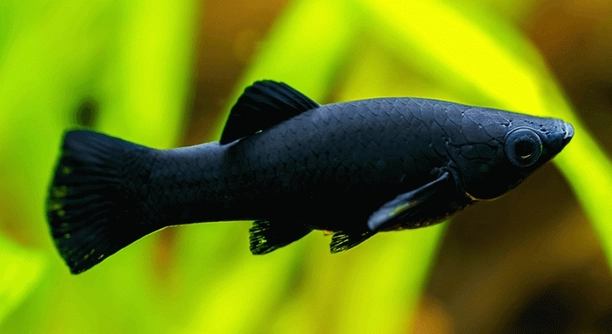
Do you ever find yourself watching your black molly swim around and wondering if she is ready to give birth soon? Observing her behavior closely can help you recognize the signs of labor early.
A black molly in labor shows physical and behavioral changes. She may become more reclusive, display a swollen belly, and exhibit rapid or irregular swimming. These signs indicate the gestation period is ending and delivery is imminent.
Knowing what to look for can help you provide the best care. Recognizing these early signs ensures a safer environment for both mother and fry.
Signs Your Black Molly Is Nearing Labor
As the days pass, you may notice subtle changes in your black molly’s behavior. She may start spending more time in corners or near plants, seeking a quiet and secure space. Her appetite can fluctuate, sometimes eating less or showing sudden bursts of interest in food. Physically, her belly becomes more rounded and firm, and the dark gravid spot near her anal fin becomes more pronounced. Swimming patterns may change, with slower movements or occasional jerky turns. These behaviors are natural and indicate her body is preparing for delivery. By observing closely, you can distinguish normal daily activity from pre-labor signs, ensuring you know when to intervene. Maintaining water quality, providing hiding spots, and keeping other fish from stressing her are essential steps. These adjustments help her feel safe, reducing stress and promoting a smoother labor experience for both mother and fry.
Monitoring her behavior carefully will help you anticipate labor accurately and respond appropriately.
Keeping the tank calm, clean, and quiet makes the molly feel secure. Adjusting lighting slightly and avoiding sudden movements reduces stress.
Preparing for the Birth
Providing a proper environment is key for a successful birth. A separate breeding tank or well-planted section of the main tank can give your molly privacy and protect the fry from other fish. Ensure the water is clean, with stable temperature and gentle filtration. Adding fine-leaved plants or spawning mops creates hiding spaces for newborns. Avoid sudden changes in water or decorations, as these can stress the molly. Feeding small, frequent meals of high-quality food strengthens her for labor. Observation is important; watch for signs of contractions or restlessness without disturbing her. Keep lights dim to mimic natural conditions and reduce agitation. Once labor begins, allow the molly space to deliver without interference. After birth, remove the mother if necessary to prevent accidental predation of the fry. Proper preparation ensures healthier fry and reduces complications for the mother.
Once the fry are born, gentle care and attention help them thrive and grow in the safest conditions possible.
Observing Labor Behavior
Your black molly may become restless, hiding among plants or near decorations. She might swim in short bursts and occasionally pause as if catching her breath.
During labor, molly fish often shift positions frequently, rubbing their bellies against tank surfaces or plants. These movements help ease the fry into position for birth. You may notice her fins slightly clamped and small jerky motions as contractions begin. Sometimes she may flare her gills or appear tense, signaling that delivery is near. Minimizing disturbances and keeping the tank calm supports her through this critical stage.
It’s important to track her activity without interfering. Excess stress can slow labor or cause complications. Provide plenty of cover and maintain stable water conditions. Avoid introducing new fish or sudden changes in lighting. Gentle observation allows you to ensure she remains healthy while preparing for delivery, keeping both mother and fry safe.
Immediate Post-Birth Care
After giving birth, the molly will likely rest and swim slowly around the tank. Remove uneaten food and debris promptly to keep the water clean.
The fry are tiny and vulnerable, so provide dense plant cover or a breeding box to protect them. Feed them infusoria or finely crushed flake food to help them grow. Monitor the mother for signs of stress or aggression toward the fry. Maintain stable water temperature and quality, as sudden changes can be harmful. Regular water changes help prevent buildup of harmful substances and keep the environment safe.
Over the next few days, continue observing both mother and fry closely. The fry will gradually become more active, swimming freely among plants. The mother may recover quickly but avoid overfeeding her. Keeping conditions consistent supports healthy growth and reduces risk of disease. Careful management during this period is crucial for a successful start for the fry while ensuring the mother stays strong and stress-free.
Signs of Stress During Labor
Your black molly may flare her fins, dart suddenly, or press against tank walls. These behaviors indicate stress and require immediate attention.
Keeping the environment calm, with stable water and minimal disturbance, helps reduce stress. Avoid tapping the glass or rearranging decorations during labor.
Protecting the Fry
Dense plants or a breeding box give newborn fry safety from other fish. Ensuring small hiding spaces allows them to feed and grow without danger. Observing them from a distance prevents unnecessary stress, while maintaining clean water and proper filtration supports their early development. Regular monitoring ensures both mother and fry remain healthy.
Feeding After Birth
Feed the molly small, frequent meals of high-quality food to help her regain strength.
Fresh, nutritious meals support recovery and encourage continued care of the fry. Avoid overfeeding to maintain water quality.
How long does it take for a black molly to give birth once labor begins?
Labor in black mollies usually lasts a few hours, but it can vary depending on the fish’s health, age, and stress level. Most molly mothers deliver fry gradually over this time, sometimes with short breaks in between. Being patient and keeping the tank calm ensures the process goes smoothly.
What are the most obvious signs that labor is starting?
A black molly in labor often becomes restless and hides among plants. Her belly appears larger and firmer, and the gravid spot near her anal fin darkens noticeably. You may notice irregular swimming patterns or small jerky movements as contractions begin. Flaring of fins or brief pauses in motion are common indicators that delivery is imminent.
How can I reduce stress for my molly during labor?
Stress can slow labor or create complications. Keep the tank environment stable with clean water, moderate temperature, and gentle filtration. Avoid sudden movements, loud noises, or tapping on the glass. Providing hiding spots with plants or decorations helps the molly feel secure. Minimal interference during the process is the best approach.
Should I separate the mother from other fish?
Yes, separating the mother during labor is often beneficial. Other fish may harass or even eat the fry, and separation reduces stress for the mother. A small, well-planted breeding tank or a secure breeding box within the main tank provides privacy and safety for both mother and fry.
How can I tell if something is wrong during labor?
Signs of complications include prolonged contractions without fry being born, unusual swimming patterns, lethargy, or excessive stress behaviors. If the molly appears weak, stops eating entirely, or has difficulty releasing fry, intervention may be necessary. In severe cases, consulting a veterinarian experienced with fish is recommended.
What should I feed the mother before and after giving birth?
Before birth, provide high-quality, protein-rich foods like brine shrimp or bloodworms to strengthen the molly for labor. After birth, continue feeding small, frequent meals to help her recover. Avoid overfeeding, as leftover food can pollute the tank and stress both mother and fry.
How do I care for the fry immediately after birth?
Fry need protection from other fish, including their mother in some cases. Provide dense plants or a breeding box for hiding. Feed them infusoria, crushed flake food, or specially prepared fry food. Monitor water quality closely and maintain consistent conditions to support growth. Gradually increase feeding as the fry grow stronger.
Can labor cause long-term health problems for the mother?
If labor is stressful or prolonged, it can weaken the mother temporarily. Proper care before, during, and after birth helps prevent issues. Ensuring clean water, a safe environment, and nutritious food minimizes long-term effects, allowing the molly to recover fully and remain healthy for future pregnancies.
How often do black mollies give birth?
Black mollies are livebearers and can give birth roughly every 28 to 35 days under ideal conditions. Monitoring her health, diet, and tank conditions helps maintain a consistent breeding cycle. Overcrowding or poor water quality can disrupt this frequency and increase stress on the mother.
When is it safe to return the mother to the main tank?
Once the fry are strong enough to swim freely among plants and have grown slightly, usually after a few days, the mother can be reintroduced if she was separated. Ensure the main tank is calm and that the mother is healthy. Careful observation is necessary to prevent accidental predation.
What is the best way to maintain water quality during and after birth?
Frequent, small water changes help maintain stability. Avoid sudden large changes that could shock the mother or fry. Using a gentle filter keeps water clean without creating strong currents. Maintaining consistent temperature and avoiding overcrowding ensures a safe, healthy environment for both the mother and fry.
Can stress during labor affect the number of fry?
Yes, stress can reduce the number of fry a molly produces. Maintaining calm water conditions, hiding spots, and minimal disturbance improves the chances of a full, healthy brood. Proper nutrition and stable environmental factors also help maximize the number of fry successfully delivered.
How can I know if the fry are healthy?
Healthy fry are active, swim freely, and show strong responses to food. They should have clear coloration and grow steadily over the first few days. Weak, lethargic, or malformed fry may indicate water quality issues or poor nutrition, requiring careful monitoring and adjustment of conditions.
Is it normal for a molly to eat her fry?
Some molly mothers may eat fry, especially in a crowded or stressful environment. Providing hiding spaces like dense plants or a breeding box reduces this risk. Removing the mother temporarily until the fry are stronger is another effective strategy to protect them during their first few days.
Can I assist the molly during labor?
Direct intervention is rarely needed and can cause more harm than good. Monitoring from a distance, ensuring a safe environment, and providing proper water conditions are usually sufficient. Only in cases of severe complications should intervention, ideally with expert guidance, be considered.
Final Thoughts
Observing your black molly throughout her pregnancy and labor is key to ensuring both her health and the safety of her fry. A calm, stable environment allows the molly to go through labor naturally, minimizing stress and reducing the risk of complications. Paying attention to changes in behavior, such as hiding, irregular swimming, or decreased appetite, can help you anticipate when she is nearing delivery. Physical signs, including a swollen belly and a darkened gravid spot, are reliable indicators that birth is approaching. By recognizing these signs early, you can prepare the tank and provide the necessary support to help her deliver successfully. Simple steps, like maintaining clean water, providing gentle filtration, and offering plants or hiding spaces, make a significant difference in creating a safe and comfortable environment.
After birth, proper care of both the mother and the fry is crucial. The mother needs time to recover, and providing small, frequent meals of high-quality food helps restore her strength. At the same time, the fry are extremely vulnerable in their first few days and require protection from potential threats, including other fish in the tank. Dense plants or a breeding box give the fry a safe place to hide and allow them to begin feeding on suitable food like infusoria or finely crushed flake. Regular observation ensures that both mother and fry remain healthy, while careful maintenance of water quality prevents disease and stress. A calm and controlled environment supports the natural instincts of the molly, allowing her to care for the fry with minimal interference, which increases their chances of survival.
Understanding the process of labor and birth in black mollies also helps you become a more attentive and informed fish keeper. Recognizing signs of stress, knowing when to separate the mother, and providing proper nutrition are all part of ensuring a smooth labor and healthy fry development. Over time, these practices make it easier to manage future pregnancies while maintaining the well-being of your fish. Consistent care and observation help you respond quickly if any issues arise, reducing risks for both mother and fry. Overall, patience, preparation, and careful attention to behavior and environment create the best conditions for a successful birth. By applying these steps, you can support your black molly through labor and help her fry thrive in a safe, healthy environment.

Hello,
If you enjoy the content that we create, please consider saying a "Thank You!" by leaving a tip.
Every little bit helps us continue crafting quality advice that supports the health, happiness, and well-being of pets around the world, for pets of all shapes, sizes, and species.
We really appreciate the kindness and support that you show us!