
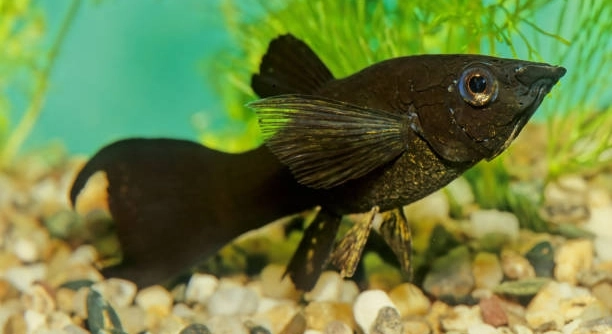
Have you ever raised black molly fry and felt unsure about the right moments to give them more space as they grow in their tank during their early development and ongoing growth within a aquarium.
The ideal times to separate black molly fry occur when size differences become noticeable, territorial behavior increases, crowding limits growth, or specific developmental stages require additional space to ensure proper health, stable social interactions, and balanced environmental conditions for development.
Learning these key moments supports healthier fry growth and offers a path as you guide them through their changing needs.
Recognizing Early Size Differences
Early size differences in black molly fry are one of the first signs that separation may be necessary, and noticing them helps maintain steady growth. When fry grow at uneven rates, larger ones can unintentionally limit the progress of smaller siblings by competing for food and prime spaces. Keeping a close eye on their development allows you to make thoughtful adjustments that support every fry, especially the smaller ones that need more comfort and access to nutrition. By separating fry with noticeable size gaps, you create calmer conditions that help each group thrive without unnecessary stress. This step also helps protect slower growers from accidental nips or intimidation from larger fry, keeping the tank peaceful as they mature. Taking action at the right time gives you better control over their environment, encouraging balanced growth and healthy development as they move through these early stages with steady progress and continued success.
Adding separation during early growth supports smaller fry by ensuring they receive enough food and space to develop properly. This step reduces stress and keeps the group stable as they continue growing, allowing each fry to build strength without unnecessary pressure from larger companions in the shared tank each day.
Size based separation also gives you better management over feeding routines that match the needs of each fry group. Smaller fry benefit from gentler water flow and easier access to food, which helps them grow at a comfortable pace. Larger fry, when kept with others their size, maintain their progress without overshadowing the smallest members. Establishing these organized groups supports overall health and reduces competition, making the tank more predictable to manage. As the fry continue developing, these thoughtful choices create a stable environment that supports consistent growth, calm behavior, conditions that help every fry move forward without unnecessary challenges ahead.
Managing Crowded Conditions
Overcrowding can restrict healthy development in black molly fry by limiting access to oxygen, food, and free swimming space. Separating fry when the tank becomes too busy relieves pressure and supports steadier growth, helping each group settle into conditions that better fit their needs during ongoing development in the aquarium.
Managing crowded conditions is essential for supporting the steady growth of black molly fry, especially as their numbers increase. When too many fry occupy a single space, they compete for food and oxygen, which weakens their development and leads to slower progress overall. Separating fry into organized groups reduces the strain placed on the tank and allows each group to experience more balanced access to important resources. Smaller fry benefit from calmer sections with gentler movement, while larger fry settle into areas that support their increased activity. This approach also reduces the chance of stress related behavior, which can escalate when fry feel pressured by constant movement around them. By rearranging fry based on their size and activity level, you help maintain a clean environment with stable water conditions that support dependable growth. Well managed portions of the tank remain easier to monitor, giving you more control over feeding and filtration. This thoughtful method keeps the fry comfortable and encourages predictable development throughout their early stages. As they reach new milestones, properly spaced groups continue growing with fewer setbacks, creating a stronger, healthier population that responds well to consistent care and adjustments that match their gradual changes within the aquarium.
Responding to Territorial Behavior
Territorial behavior in black molly fry can appear earlier than expected, and separating the more assertive fry helps maintain calmer conditions. This step prevents constant tension, reduces stress, and keeps the smaller or gentler fry from feeling pressured during routine feeding and swimming.
When territorial behavior increases, larger or more assertive fry may begin guarding preferred spots in the tank. This can limit access to food and space for others, slowing their development. Separating the dominant fry helps create a peaceful environment where the remaining group can move freely without feeling blocked or intimidated. This adjustment also supports steadier growth by preventing unnecessary competition that disrupts the tank’s balance.
Taking action when these behaviors appear helps create organized sections that match each group’s needs. Assertive fry can remain active without overwhelming the quieter individuals. Smaller fry benefit from calmer surroundings that protect their growth. By watching for these changes and separating fry at the right time, you keep the tank stable, support fair access to resources, and encourage consistent progress as each group develops at its own pace.
Identifying Slower Growth Patterns
Slower growth patterns can appear even in well maintained tanks, and separating fry that lag behind helps protect their development. Smaller fry benefit from improved access to food and gentler surroundings, allowing them to progress at a healthier pace without constant competition from stronger swimmers.
Creating a separate space for fry that show slower growth allows them to eat without interference and move in an environment suited to their size. These supportive conditions reduce stress, which often affects growth, and encourage a steady increase in strength. Larger fry remain in their original group where their faster pace no longer overwhelms the smaller ones. This structure helps you maintain predictable progress, clearer feeding routines, and more balanced development across all groups. As growth continues, the fry in separate sections often show improved stability, better energy, and a more even rate of development that reflects the calmer environment created for them.
Protecting Fragile Fry
Fragile fry often need additional support, and separating them gives them a safer space with calmer movement and easier access to food. This helps them avoid accidental bumps or pressure from stronger fry that could slow their development during these early stages.
Giving fragile fry their own section keeps them comfortable while reducing stress that affects their growth. With fewer disruptions, they settle into a routine that allows them to build strength gradually. This simple adjustment offers a reliable way to protect their progress.
Supporting Fry Reaching Maturity
As black molly fry continue growing, some begin showing behaviors and needs that signal they are nearing maturity. Separating these fry supports better control over feeding, space, and compatibility. Older fry often become more active and may overwhelm the youngest members when left together. By moving maturing fry to their own area, you allow them to develop without interfering with the early stages of others. This setup also gives you clearer oversight of their growth and behavior, helping maintain stable conditions that suit their changing needs. Organizing fry by developmental stage creates a balanced environment where each group can thrive comfortably.
Preparing for Independent Behavior
As fry gain confidence and independence, separating them supports smoother transitions into their next stages. With more tailored surroundings, they continue growing steadily while avoiding unnecessary pressure from fry that may develop at different speeds within the shared tank.
FAQ
When should I separate black molly fry based on size?
Separating black molly fry when clear size differences appear helps protect the smallest ones from competition during feeding. Larger fry often move faster and take most of the available food. By creating separate groups, each fry size receives appropriate access to nutrition and calmer areas to grow. This reduces stress, supports balanced development, and prevents accidental nipping that can occur in mixed size groups. Moving fry at the right moment keeps the tank peaceful and ensures that slower growers progress safely without unnecessary pressure from their larger siblings.
How do I know if territorial behavior is becoming a problem?
Territorial behavior becomes noticeable when certain fry repeatedly guard specific areas, push others away, or show constant bursts of dominant movement. These patterns can limit access to food and create tension within the group. Separating the more assertive fry helps maintain stability and protects gentler individuals from feeling overwhelmed. Making this adjustment early allows each section of fry to settle into routines that match their behavior levels. This creates better structure in the tank and keeps the developing fry from facing ongoing stress that slows growth.
Why does overcrowding affect fry so much?
Overcrowding leads to reduced oxygen availability, increased waste, and competition for food. Fry feel pressured when too many share the same area, especially during feeding time. Separating them into smaller groups improves water quality and gives each fry enough space to swim comfortably. This helps maintain better energy levels, healthier appetites, and more predictable growth. Managing the population in each section also allows you to monitor changes more easily, creating a controlled environment that supports ongoing development without complications caused by cramped spaces.
What should I do if some fry grow more slowly than others?
Slower growing fry benefit from being placed in a dedicated section where they are not overshadowed by stronger swimmers. This allows them easier access to food and calmer surroundings. Without constant competition, their energy is used for growth rather than stress responses. Over time, this often leads to noticeable improvement in size and activity. Keeping them separate also helps maintain consistency across the tank, allowing each group to develop at an appropriate pace without interfering with one another.
How can I protect fry that seem fragile or sensitive?
Fragile fry need gentle water movement, soft lighting, and steady access to food. Moving them to a separate space gives them a safer setting where they can grow without being jostled by larger or more active fry. This reduces stress and creates stability during their vulnerable stages. By checking their behavior and appetite regularly, you can ensure they remain comfortable. With supportive conditions, fragile fry gain strength gradually and move toward more steady development without unnecessary setbacks.
Why is it helpful to separate fry that are nearing maturity?
Fry approaching maturity often become more active and may accidentally disrupt smaller fry. Moving them into their own space gives them room to explore their increasing energy and changing behavior. This makes feeding easier to control and prevents unwanted pressure on younger groups. As fry mature, they also begin showing early signs of adult behavior, and separating them keeps the environment orderly. This structure supports the ongoing health of the entire population and prevents imbalances that come from mixing fry at very different developmental stages.
How does separation help fry preparing for independence?
Independent fry benefit from spaces that match their growing abilities. Separating them gives them appropriate room to move, explore, and practice behaviors that prepare them for their next stage. With fewer differences in size and energy levels around them, they continue progressing without confusion or stress. This simple step keeps the tank organized and supports steady development for every group.
Final Thoughts
Separating black molly fry at the right moments gives them a stronger chance to grow without unnecessary setbacks. Each stage of their development brings new needs, and meeting those needs keeps the tank balanced and comfortable for every fry. Paying attention to signs like size differences, territorial behavior, slow growth, overcrowding, and fragility helps you make thoughtful adjustments that support their overall stability. These small choices shape their environment in ways that protect them from stress while encouraging steady progress. When you separate fry according to their individual challenges, you reduce tension and promote healthier growth patterns. This approach also keeps the tank easier to manage, since organized groups allow for clearer feeding routines and simpler monitoring. Making changes at the right time helps ensure that each fry receives the space, resources, and safety necessary for dependable development. As they continue growing, they respond well to these supportive conditions, giving you a smoother experience while guiding them through their early stages.
Understanding the moments when separation becomes important helps you avoid common problems that can slow their progress. Fry that grow at different speeds often struggle when kept together, especially when stronger swimmers take food more quickly. By giving each group the right environment, you prevent these imbalances and keep the tank peaceful. Watching their behavior also offers useful cues about when to step in. Territorial fry show clear patterns, and smaller fry often act more reserved when they feel overwhelmed. Noticing these details makes it easier to decide when separation will help them move forward more comfortably. With each adjustment, the tank becomes a safer space where every fry has an opportunity to grow without constant pressure. Supporting fry during these moments also makes it easier to guide them toward maturity with fewer complications. Their progress becomes more predictable, and their energy stays focused on healthy development rather than handling competition or stress. As each group stabilizes, they become stronger, more active, and better prepared for the next steps of their growth.
Keeping the tank organized through proper separation offers long lasting benefits that reflect in the fry’s overall health and behavior. When fry grow in conditions suited to their size and needs, they develop steady patterns that help them gain confidence as they mature. Separating fragile fry protects them during their most vulnerable stages, while separating maturing fry gives them the space they need as their behavior shifts. This structure creates a sense of order that benefits every fry, regardless of their pace. With consistent care, thoughtful adjustments, and attention to the signs they show, your fry adapt well and continue developing with fewer obstacles. These steady improvements make caring for black molly fry more manageable, more predictable, and more rewarding as you watch them grow.

Hello,
If you enjoy the content that we create, please consider saying a "Thank You!" by leaving a tip.
Every little bit helps us continue crafting quality advice that supports the health, happiness, and well-being of pets around the world, for pets of all shapes, sizes, and species.
We really appreciate the kindness and support that you show us!