
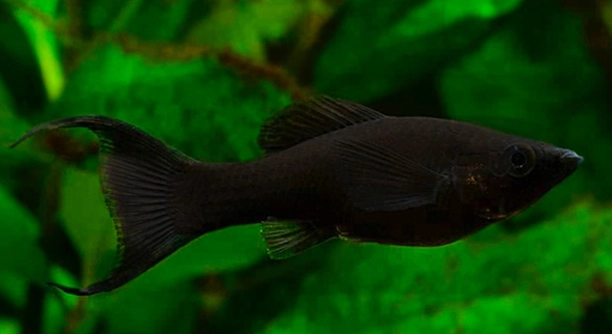
Keeping a Black Molly tank clean can feel like a constant task, especially when algae and debris build up quickly. Regular maintenance is key to maintaining a healthy and comfortable environment for these lively fish.
Proper tank cleaning for Black Molly fish involves a combination of regular water changes, substrate vacuuming, filter maintenance, and careful handling of decorations. Consistent cleaning helps reduce harmful bacteria, prevent algae growth, and maintain water quality essential for fish health.
Learning small adjustments and efficient methods can save time and stress while keeping your Black Molly happy and thriving.
Regular Water Changes
Changing the water regularly is the most effective way to keep your Black Molly tank clean. I usually replace about 20-25% of the water every week, which helps keep ammonia and nitrate levels low. Fresh water improves oxygen levels and prevents buildup of harmful substances. Before adding new water, I always make sure it’s treated to remove chlorine and adjusted to match the tank’s temperature. This step ensures the fish aren’t stressed by sudden changes in their environment. Over time, consistent water changes have noticeably reduced algae growth and kept the fish more active and vibrant. I also keep a schedule written down so I don’t miss a week, which can happen easily when life gets busy. Using a siphon makes the process faster and less messy, allowing me to remove debris from the gravel at the same time. This method keeps the tank healthy with minimal effort.
Regular water changes are essential for healthy fish and clearer water.
Making water changes part of your routine will maintain stability, reduce disease risk, and keep your Black Molly swimming happily in clean conditions.
Substrate Cleaning
Vacuuming the gravel removes leftover food and waste that can pollute the tank.
Using a siphon, I gently clean the substrate without disturbing the fish. I go over corners and under decorations where debris tends to collect. Black Mollies are active swimmers, so I try to clean slowly to avoid stressing them. I usually pair this with water changes, which saves time and ensures that the tank stays consistently clean. It’s easy to overlook the gravel, but it is where most waste settles. Even a small layer of leftover food can lead to water quality issues if ignored. I’ve found that cleaning once a week is enough to prevent buildup. For larger tanks, splitting the cleaning into sections makes it manageable. Gravel vacuuming doesn’t remove all bacteria, but it significantly reduces the substances that promote algae and cloudiness. Over time, this keeps the water clearer and reduces unpleasant odors. Consistency and patience make substrate cleaning far easier than tackling months of accumulated waste.
Filter Maintenance
Cleaning the filter regularly keeps the water clear and safe for Black Mollies. I check it every two weeks to remove trapped debris and rinse the media in old tank water to preserve beneficial bacteria.
Keeping the filter in good condition prevents clogs and maintains steady water flow. I never use tap water directly on the filter media because it can kill helpful bacteria. Instead, I rinse it gently in a bucket with removed tank water during water changes. Over time, this prevents buildup that can stress the fish and reduces the frequency of full filter replacements. Filters vary, but the principle is the same: keep it clean, avoid harsh chemicals, and maintain circulation. Doing this consistently has kept my tank clear and the fish active, without sudden spikes in waste or cloudy water. Proper filter care saves time in the long run and supports a healthy aquatic environment.
Regular filter maintenance improves water quality and minimizes algae growth while keeping Black Mollies healthy. It also makes overall tank cleaning faster and more manageable by reducing debris accumulation and ensuring the system runs efficiently.
Decoration Cleaning
Removing and cleaning decorations prevents algae and bacteria from spreading. I soak ornaments in warm water and scrub gently with a soft brush to avoid damage.
Plastic and ceramic decorations need attention because algae sticks easily. I clean them during water changes, which makes the process faster. Using a brush with soft bristles removes buildup without harming the surface. Avoiding soaps or chemicals is important, as residues can harm the fish. Some decorations have small crevices, so I pay extra attention to those areas. Regular cleaning also keeps the tank visually appealing, as algae can quickly make the water look murky. Over time, cleaning decorations reduces the overall workload because buildup doesn’t become overwhelming, and the fish stay healthier in a well-maintained environment.
Consistent decoration cleaning not only improves the tank’s appearance but also supports water quality and fish well-being. Dirty ornaments can hide waste and bacteria, so keeping them clean prevents potential health issues. Proper cleaning ensures Black Mollies enjoy a safe, comfortable space, making the tank easier to maintain long-term.
Algae Control
Controlling algae keeps the tank cleaner for longer. I use an algae scraper on the glass and remove excess plants that encourage growth.
Limiting light exposure helps too. I keep the tank light on a timer and avoid direct sunlight, which reduces rapid algae buildup naturally.
Feeding Practices
Overfeeding leads to excess waste, which pollutes the tank. I give my Black Mollies small portions that they can finish in a few minutes.
Feeding once or twice a day is enough. Leftover food is removed quickly to prevent decay. Using high-quality flake or pellet food reduces residue in the water. Over time, careful feeding reduces algae, keeps water clear, and helps the fish stay healthy and active, making overall tank maintenance easier.
Observation and Monitoring
Watching the fish regularly helps catch early signs of water or health problems. I keep notes on behavior, activity, and water clarity.
Consistent monitoring prevents small issues from turning into bigger cleaning challenges. It ensures the tank stays balanced and the fish remain healthy.
FAQ
How often should I clean my Black Molly tank?
I clean my tank weekly, doing partial water changes and vacuuming the substrate. Regular cleaning prevents harmful waste buildup and keeps water parameters stable. Over time, weekly maintenance makes the tank easier to manage, and the fish stay healthy and active.
Can I use soap to clean decorations?
No, I never use soap. Even a small amount can harm the fish. Instead, I soak ornaments in warm water and scrub with a soft brush. This removes algae and debris safely while preserving the surfaces of decorations.
What’s the best way to remove algae from glass?
I use an algae scraper or a magnetic cleaner. Scraping gently prevents scratches, and doing it regularly stops algae from forming thick layers. Limiting sunlight and controlling feeding also help reduce algae naturally.
How much water should I change at a time?
Replacing 20-25% of the water each week works best. This keeps nitrate and ammonia levels low without shocking the fish. Gradual water changes maintain stability, unlike larger, infrequent changes, which can stress Black Mollies.
Do I need to clean the filter every week?
Not weekly. I check it every two weeks, rinsing the media in removed tank water. This preserves beneficial bacteria and ensures the filter continues to remove debris effectively, supporting water quality without over-cleaning.
How do I prevent leftover food from polluting the tank?
I feed small portions that the fish finish within a few minutes. Any uneaten food is removed quickly with a siphon or net. Using high-quality pellets or flakes reduces residue, keeping water cleaner longer.
Can I use tap water directly for changes?
I always treat tap water first to remove chlorine and match the temperature. Untreated tap water can harm the fish or kill beneficial bacteria. Conditioning and adjusting water before adding it to the tank ensures a safe environment.
How do I clean gravel without stressing the fish?
I use a siphon to gently vacuum the substrate while leaving some water in the tank. Moving slowly around decorations prevents startling the fish. Regular vacuuming prevents buildup and keeps the water clearer over time.
How often should I check water parameters?
I test ammonia, nitrate, and pH at least once a week. Monitoring parameters helps detect issues early, so corrective action can be taken before it affects the fish. Keeping notes on changes helps track trends and maintain balance.
Is it okay to remove plants for cleaning?
Yes, I remove plants carefully and rinse them in tank water. Dead leaves are trimmed, and algae is gently scrubbed. This helps maintain a healthy environment and prevents decaying plant matter from polluting the water.
How do I prevent the tank from smelling?
Regular water changes, substrate vacuuming, and careful feeding reduce odor. Cleaning decorations and checking the filter also help. Consistency is key; a neglected tank develops smell quickly, but routine maintenance keeps it fresh and the fish healthy.
What should I do if the water becomes cloudy?
Cloudy water often comes from overfeeding, dirty substrate, or filter issues. I reduce feeding, vacuum the gravel, and check the filter. Cloudiness usually clears after a day or two with these steps, keeping the environment safe for Black Mollies.
Can I use chemicals to speed up cleaning?
I avoid chemicals. They can harm fish and disrupt the tank’s balance. Gentle physical cleaning, regular water changes, and monitoring are safer and more effective for long-term tank health.
How do I know if my cleaning routine is effective?
The water remains clear, the fish are active, and algae stays under control. Observing behavior and water quality regularly confirms the routine works. Adjustments can be made if issues appear, but consistent care keeps everything stable.
Is it okay to move fish during cleaning?
I only move fish if necessary for major cleaning. I use a temporary container with water from the tank to reduce stress. Minimal movement and careful handling prevent injuries and keep the fish calm.
What tools are essential for easier cleaning?
I keep a siphon, algae scraper, bucket, soft brushes, and water conditioner ready. These tools make cleaning faster and safer. Having them organized saves time and reduces stress for both the fish and me.
How do I manage decoration corners and crevices?
I clean them with a soft brush or toothbrush. These areas trap debris and algae, so targeting them prevents buildup. Regular attention here avoids difficult cleaning sessions later and keeps the tank hygienic.
Can I automate any cleaning steps?
I use a timer for lights to control algae growth. Some people add automatic water changers or filter alerts, which reduce manual effort. Automation doesn’t replace regular observation but helps maintain a cleaner tank with less daily work.
How important is observation during cleaning?
Watching the fish while cleaning helps spot stress, illness, or water issues early. I notice when activity slows or if fish hide more than usual. Early detection prevents larger problems and keeps maintenance efficient and effective.
What should I do if I see excessive algae growth?
I reduce feeding, limit light exposure, and clean affected areas. Adjusting water changes and checking filter performance also helps. Persistent algae may indicate imbalanced nutrients, which can be corrected with consistent care and monitoring.
How can I make tank cleaning less stressful for me and the fish?
I break tasks into small steps, keep tools ready, and clean at the same time each week. Slow, gentle movements prevent fish stress. Routine makes cleaning predictable, easier, and more manageable, creating a stable environment for Black Mollies and a calmer experience for me.
Are there signs that cleaning is overdue?
Cloudy water, strong odors, excess algae, or sluggish fish usually indicate the tank needs attention. Addressing these signs quickly prevents bigger issues, reduces effort later, and keeps water quality stable. Consistent cleaning avoids reaching this stage.
Can cleaning frequency change with tank size or number of fish?
Yes, larger tanks or heavily stocked tanks may need more frequent maintenance. I adjust water changes and substrate cleaning based on observation, ensuring water parameters remain safe and stable for all fish. A flexible routine works best for long-term care.
Is filter replacement necessary even with regular cleaning?
Eventually, yes. I replace filter media according to manufacturer recommendations, usually every few months. Cleaning prolongs efficiency, but media degrades over time, and replacing it ensures water remains properly filtered and healthy for the fish.
How do I maintain consistency in tank cleaning?
I keep a weekly schedule and notes of tasks completed. This prevents forgetting steps and ensures regular care. Having a routine makes the process easier, reduces stress, and keeps the tank consistently clean and safe for Black Mollies.
What should I do if I notice unusual fish behavior after cleaning?
I check water parameters immediately and observe for signs of stress or illness. Sometimes minor adjustments like temperature correction or partial water changes are enough. Acting quickly keeps the fish safe and helps maintain a healthy, stable tank.
How do I deal with stubborn algae on decorations?
I soak decorations longer in warm water and scrub gently with a soft brush. For tough spots, repeated cleaning during consecutive water changes works best. Patience is key, as forcing it can damage surfaces or stress the fish.
Can I clean the tank alone, or is help needed?
Most tasks can be done alone, but having a second set of hands for large tanks makes water changes easier. I usually manage small to medium tanks solo, but larger setups benefit from teamwork, especially when moving decorations or water safely.
How do seasonal changes affect cleaning?
Temperature changes or sunlight exposure in different seasons can increase algae growth. I adjust water changes and light duration accordingly. Paying attention to seasonal patterns helps maintain a cleaner tank year-round without overhauling the routine.
How long does it take to clean a tank properly?
For a 20-gallon tank, I spend about 30-45 minutes weekly. This includes water changes, substrate vacuuming, decoration cleaning, and filter checks. With practice, the process becomes faster, and regular maintenance keeps everything manageable and less stressful.
Can I use natural methods to reduce algae?
Yes, controlling light, avoiding overfeeding, and introducing live plants that compete for nutrients can help. I rely on these methods alongside regular cleaning to minimize algae naturally, reducing effort and maintaining a healthy environment for the Black Mollies.
Is water temperature important during cleaning?
Absolutely. I make sure replacement water matches tank temperature closely. Sudden changes can stress or shock fish. Using a thermometer ensures safe conditions, keeping the environment stable and the cleaning process safer for the fish.
What if I accidentally remove too many beneficial bacteria?
Rinsing filter media in tank water instead of tap water preserves bacteria. If too many bacteria are lost, I monitor water parameters closely and perform smaller, more frequent water changes until the balance is restored, ensuring the tank remains safe.
How do I handle sudden waste buildup?
I increase the frequency of water changes and substrate cleaning temporarily. Checking feeding habits and filter performance helps prevent recurrence. Quick response keeps water quality high and reduces stress for the fish while maintaining a cleaner tank overall.
Are there any shortcuts that don’t harm the tank?
Setting a light timer, cleaning decorations during water changes, and using a siphon for quick substrate cleaning are safe shortcuts. They save time without compromising water quality or fish health. Consistency remains more important than speed.
How do I ensure long-term success with Black Molly tank cleaning?
I stick to a regular schedule, monitor water parameters, feed carefully, and maintain the filter. Observing the fish and keeping tools ready makes cleaning predictable and effective. Long-term success comes from consistent care, patience, and attention to small details that prevent bigger issues later.
This FAQ covers most concerns I’ve faced while keeping my Black Mollies healthy and the tank manageable. By following these steps, tank maintenance becomes less stressful, water stays clear, and the fish thrive in a stable environment.
Keeping a Black Molly tank clean takes effort, but it becomes much easier with a steady routine. Regular water changes, substrate vacuuming, and filter maintenance are the most important tasks. I’ve found that doing these consistently prevents major problems, keeps the water clear, and makes the tank more enjoyable to watch. Even small steps, like rinsing decorations or controlling light exposure, add up over time. When I started keeping Black Mollies, I didn’t realize how quickly algae and waste could build up. Now, with a weekly schedule, the tank stays in much better condition, and the fish are more active and healthy.
Feeding habits also play a big role in tank cleanliness. Overfeeding leads to leftover food in the substrate, which can pollute the water and encourage algae growth. I give my fish small portions that they can eat in a few minutes and remove any uneaten food promptly. Choosing high-quality flakes or pellets helps reduce waste, which means less work cleaning later. Observing the fish while they eat also helps me notice any changes in behavior or health early. By paying attention to these small details, I’ve made tank maintenance less stressful and more predictable. It feels better knowing that the water is clear, the fish are healthy, and that I can maintain this without spending hours on major cleaning sessions.
Monitoring and observation are just as important as physical cleaning. Checking water parameters, watching fish behavior, and noticing any unusual signs early allows me to address problems before they get serious. I’ve learned that consistent care is the key to long-term success. Even simple practices like keeping tools ready, cleaning decorations carefully, and using a siphon to vacuum the substrate make a big difference. Over time, these habits create a stable environment for Black Mollies, reduce algae buildup, and make the entire tank easier to manage. The overall lesson I’ve learned is that regular, gentle maintenance combined with careful observation keeps the tank in balance. It saves time, reduces stress, and ensures that the fish remain happy and active, which is the most rewarding part of keeping a clean and healthy aquarium.

Hello,
If you enjoy the content that we create, please consider saying a "Thank You!" by leaving a tip.
Every little bit helps us continue crafting quality advice that supports the health, happiness, and well-being of pets around the world, for pets of all shapes, sizes, and species.
We really appreciate the kindness and support that you show us!