
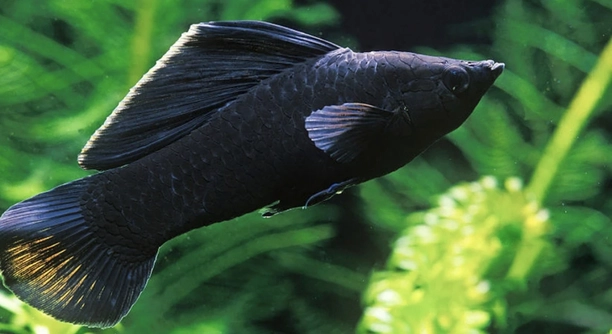
Are your Black Molly fish showing unusual behavior or avoiding certain areas of the tank? These vibrant freshwater fish usually swim confidently, but changes in their habits can indicate discomfort or stress in their environment.
Black Molly may exhibit signs of discomfort due to poor water quality, insufficient space, aggressive tank mates, improper diet, or inadequate hiding spots. Recognizing these indicators early helps maintain their health and ensures a stable, stress-free habitat.
Observing their behavior closely can help you identify issues before they become serious problems for your fish. Proper care improves their comfort and overall well-being in the tank.
Signs of Lethargy or Hiding
Black Molly that are not comfortable often become unusually inactive. They may spend long periods at the bottom of the tank or remain hidden among decorations. This behavior contrasts with their natural tendency to swim actively near the surface. Lethargy can indicate stress caused by poor water conditions, low oxygen levels, or sudden changes in temperature. Observing their daily patterns can help determine if inactivity is temporary or persistent. Consistent hiding or inactivity should prompt an evaluation of water parameters and tank environment. Stress in fish can reduce their appetite and weaken their immune system. Ensuring proper lighting, gentle water flow, and enough space can encourage natural movement. Even small adjustments like adding plants or rearranging tank decorations can make a noticeable difference in their comfort. It is important to monitor all tank inhabitants, as one stressed fish can influence others. Maintaining a stable, clean environment supports both health and activity.
Persistent hiding indicates that the fish may be stressed or uncomfortable in its current environment, requiring immediate attention to improve tank conditions.
Taking steps to reduce stress involves checking water quality regularly, balancing temperature, and ensuring appropriate social groupings. Overcrowding or aggressive tank mates can exacerbate hiding behavior, so providing adequate space and peaceful companions is essential. Environmental enrichment such as plants or tunnels encourages exploration, reduces stress, and helps Black Molly display normal swimming patterns. Feeding routines should be consistent, and diet should meet nutritional needs to prevent further stress. Observing fish carefully allows early intervention before health declines, ensuring a healthier, more comfortable tank experience. Adjustments in lighting, filtration, or decor can also promote activity, making the habitat more suitable for their needs and supporting overall well-being.
Loss of Appetite
A Black Molly that refuses food may be experiencing stress or discomfort. Appetite loss can occur gradually or suddenly.
Loss of appetite often accompanies other signs like hiding or lethargy. It may result from water quality issues, illness, or changes in tank conditions.
When appetite decreases, it is essential to check water parameters, including pH, ammonia, nitrite, and nitrate levels. Poor water quality is a common cause of stress in Black Molly, affecting digestion and overall health. Temperature fluctuations or improper filtration can also impact feeding behavior. Additionally, overcrowding or aggressive tank mates can make fish anxious, reducing interest in food. Observing whether all fish are affected helps determine if the issue is environmental or individual. Providing high-quality, varied food and feeding smaller portions can encourage eating. Gradual reintroduction of foods while maintaining optimal tank conditions often restores appetite. Persistent refusal to eat should be addressed promptly, as extended periods without food can weaken immunity and lead to further health problems. Maintaining stable, stress-free conditions supports proper feeding and overall vitality.
Erratic Swimming
Erratic swimming is a clear sign that Black Molly are uncomfortable. Sudden darting, spinning, or crashing into decorations often points to stress, poor water quality, or illness. Observing these behaviors early allows for corrective measures before serious health issues develop.
Erratic swimming can result from rapid changes in water temperature or chemistry. High ammonia, nitrite, or nitrate levels may irritate gills and impair movement. Overcrowding or aggressive tank mates can also trigger panic responses. Sometimes, parasites or bacterial infections affect motor function, causing unusual swimming patterns. Monitoring water conditions and tank mates helps identify environmental causes. Quarantining sick fish prevents the spread of disease. Providing a calm, stable environment encourages normal swimming and reduces stress-related behaviors.
Adjustments such as improving water filtration, stabilizing temperature, and rearranging decorations can significantly reduce erratic movements. Regular water testing ensures chemical balance, while maintaining appropriate stocking levels prevents overcrowding. Additionally, observing social dynamics among tank mates allows you to identify aggression sources. Reducing sudden disturbances and providing hiding spaces supports a sense of security. For fish showing signs of illness, early treatment is crucial to prevent complications. Ensuring proper nutrition and avoiding overfeeding also contributes to healthier, more predictable swimming behavior. Consistency in care greatly improves overall comfort and well-being.
Clamped Fins
Clamped fins indicate that Black Molly are feeling stressed or unwell. The fins remain tight against the body, reducing mobility and making the fish appear smaller.
This behavior can stem from poor water quality, illness, or sudden environmental changes. Maintaining proper pH, temperature, and cleanliness helps prevent clamped fins. Stress from aggressive tank mates or overcrowding can also trigger this reaction.
Clamped fins often appear alongside other signs of distress such as loss of appetite or hiding. Monitoring water conditions is essential, as imbalanced parameters can cause discomfort and weaken the immune system. Infections, parasites, or injuries may also lead to fin clamping. Providing adequate space, hiding spots, and peaceful tank companions supports recovery. Ensuring a nutrient-rich diet and avoiding sudden changes in lighting or water conditions further reduces stress. Early intervention improves chances of regaining normal fin posture and overall health. Observing the entire tank environment helps identify both behavioral and environmental causes, allowing corrective measures to be implemented promptly.
Gasping at the Surface
Gasping at the surface often signals low oxygen levels or poor water quality. Black Molly may rise frequently to gulp air when conditions in the tank are uncomfortable or insufficient for proper breathing.
This behavior can also result from high ammonia or nitrite levels. Ensuring adequate aeration and filtration helps maintain oxygen balance. Regular water changes are essential to keep the environment healthy and stable.
Faded Coloration
Stress or discomfort can cause Black Molly to lose their vibrant black color. Dull or pale coloration is often a visible sign of an underlying issue.
Faded color may result from poor nutrition, illness, or inappropriate water conditions. Observing other behaviors alongside color changes helps identify the cause. Proper diet and a stable tank environment usually restore natural pigmentation over time.
Rapid Gill Movement
Rapid gill movement indicates that the fish are struggling to breathe efficiently. This is often caused by low oxygen, high toxins, or disease affecting gill function. Monitoring water quality and maintaining clean, oxygen-rich water helps reduce this stress response.
Isolation from Tank Mates
Black Molly that separate themselves from the group may feel stressed or threatened. Isolation can be a protective response to aggressive companions or environmental discomfort, signaling that adjustments are needed.
Why are my Black Molly hiding most of the time?
Hiding is often a sign that your Black Molly feels stressed or unsafe in the tank. This can happen due to aggressive tank mates, overcrowding, or lack of adequate hiding spaces. Providing plants, caves, or decorations allows them to feel secure and encourages normal behavior.
What causes Black Molly to lose their color?
Faded coloration usually results from stress, poor water conditions, or an inadequate diet. Water with high ammonia, nitrites, or sudden temperature changes can affect pigment. Ensuring balanced nutrition and stable, clean water helps restore their natural black hue over time.
Why is my Black Molly swimming erratically?
Erratic swimming can indicate stress, poor water quality, or illness. Rapid darting, spinning, or crashing into tank decorations may result from ammonia or nitrite spikes, parasites, or aggressive tank mates. Stabilizing water parameters and addressing health issues promptly can reduce abnormal swimming.
Why are my Black Molly clamping their fins?
Clamped fins occur when fish feel stressed, unwell, or threatened. Poor water quality, infections, or aggressive companions often trigger this response. Providing a calm environment, proper diet, and adequate space encourages fins to relax and restores normal behavior.
What makes Black Molly gasp at the surface?
Gasping at the surface signals low oxygen or poor water quality. Black Molly may repeatedly rise to get air when oxygen levels drop. Proper aeration, filtration, and regular water changes help maintain oxygen balance and reduce stress.
Why has my Black Molly stopped eating?
Loss of appetite can be caused by stress, illness, or environmental changes. Poor water quality, sudden temperature shifts, or aggressive tank mates may also discourage feeding. Offering high-quality food and maintaining a calm environment often restores interest in eating.
Is it normal for Black Molly to isolate from tank mates?
Isolation is usually a response to stress, aggression, or environmental discomfort. Fish may separate themselves to feel safe or avoid conflict. Ensuring peaceful tank mates, proper space, and hiding spots reduces isolation and promotes natural social behavior.
How can I prevent Black Molly from showing stress signs?
Maintaining stable water conditions, proper temperature, and a clean tank is essential. Adequate space, peaceful companions, and hiding areas reduce stress. Feeding a balanced diet and avoiding sudden changes in lighting or environment support overall comfort and health.
Can water quality problems affect Black Molly behavior?
Yes, poor water quality directly impacts Black Molly behavior. High ammonia, nitrite, or nitrate levels, improper pH, or temperature fluctuations can lead to hiding, lethargy, faded color, and erratic swimming. Regular water testing and maintenance prevent these issues and support long-term well-being.
How do I know if Black Molly stress is due to illness?
Stress from illness often comes with other symptoms like clamped fins, rapid gill movement, or abnormal swimming. Observing multiple signs alongside environmental factors helps identify illness. Quarantining affected fish and treating promptly prevents disease from spreading.
What changes can I make to improve their comfort?
Improving comfort involves ensuring proper water parameters, adding hiding spots, and providing peaceful tank mates. Consistent feeding routines, clean filtration, and avoiding sudden disturbances also promote a calm environment. Observing behavior regularly allows timely intervention when issues arise.
How quickly do Black Molly recover once conditions improve?
Recovery time varies depending on the cause of discomfort. Minor stress may resolve in a few days with stable conditions, while illness or prolonged stress can take weeks. Consistency in care, optimal water quality, and proper nutrition are key to faster recovery.
Are all signs of discomfort reversible?
Most behavioral signs caused by environmental stress, poor water quality, or social issues can be reversed with prompt action. Illness-related symptoms require targeted treatment, but improvement is usually possible when conditions and care are corrected.
What routine checks should I perform to prevent stress?
Regularly testing water for ammonia, nitrite, nitrate, and pH is critical. Checking temperature stability, inspecting filtration, and monitoring fish behavior ensures early detection of problems. Providing proper nutrition and maintaining a peaceful, spacious tank further reduces stress risks.
How important is tank layout for Black Molly comfort?
Tank layout plays a significant role. Plants, rocks, and caves offer hiding spots and reduce aggression, promoting natural exploration. Open swimming areas combined with sheltered spaces help fish feel secure, minimizing stress-related behaviors like hiding or erratic swimming.
Can changing tank mates reduce stress?
Yes, introducing peaceful species and removing aggressive fish can significantly reduce stress. Black Molly thrive in calm environments with compatible companions. Proper stocking levels and observing interactions help prevent fights, allowing fish to swim freely and maintain healthy behaviors.
Does diet impact comfort levels?
A balanced, nutritious diet supports overall health and reduces stress. Poor diet can weaken immunity, affect coloration, and contribute to lethargy. Offering varied foods and avoiding overfeeding ensures that Black Molly stay active, healthy, and comfortable in their environment.
How often should I observe their behavior?
Daily observation is ideal for spotting early signs of discomfort. Watching swimming patterns, appetite, coloration, and social interactions helps identify issues quickly. Prompt adjustments prevent minor stress from turning into serious health problems.
Are stress signs the same for all Black Molly?
While many signs like hiding, clamped fins, or rapid gill movement are common, individual fish may respond differently. Some may isolate, while others show appetite loss. Observing each fish carefully ensures all signs of discomfort are noticed and addressed.
Can environmental enrichment reduce discomfort?
Yes, enrichment like plants, decorations, and tunnels provides stimulation and security. It encourages natural behaviors, reduces stress, and supports healthy social interactions. A varied environment improves overall well-being and helps Black Molly feel more comfortable in their tank.
What immediate actions should I take if I notice stress signs?
Check water parameters, inspect for aggressive tank mates, and ensure adequate hiding spots. Correcting environmental issues, stabilizing water conditions, and offering proper nutrition can quickly reduce stress. Observing behavior closely helps determine if further interventions, such as treatment for illness, are needed.
How long should improvements take to show?
Behavioral improvements often appear within days if stress is environmental. Recovery from illness or prolonged stress may take weeks. Consistent care, optimal water quality, and supportive tank conditions are essential for visible improvement and lasting comfort.
Are some stress signs permanent?
If left untreated, prolonged stress can lead to long-term health problems or weakened immunity. Early intervention usually prevents permanent effects, and most signs are reversible with proper care and environmental adjustments.
How do I balance tank aesthetics with fish comfort?
Arrange plants, rocks, and decorations to provide both hiding spaces and open swimming areas. Avoid overcrowding decorations, which can restrict movement. A balanced layout supports natural behavior while maintaining a visually pleasing tank.
Can seasonal changes affect Black Molly comfort?
Yes, temperature fluctuations during seasonal changes can stress fish. Ensuring stable water temperature with heaters or adjusting room conditions helps prevent discomfort and maintains regular behavior throughout the year.
Is it necessary to quarantine new fish?
Quarantining new fish prevents the introduction of disease and reduces stress for existing tank inhabitants. Observing new arrivals separately allows early detection of illness and ensures smoother integration into the main tank.
How does lighting affect their comfort?
Proper lighting supports normal activity and reduces stress. Too bright or inconsistent light can cause hiding or erratic swimming. Providing a stable day-night cycle and shaded areas promotes a sense of security and natural behavior.
Can I rely solely on water tests to assess comfort?
Water tests are essential but not sufficient alone. Observing fish behavior, appearance, and interactions provides a complete picture of their comfort. Combining environmental monitoring with behavioral observation ensures timely interventions for stressed Black Molly.
What long-term strategies improve comfort?
Maintain stable water parameters, provide a balanced diet, and ensure peaceful tank mates. Include enrichment and hiding spaces, perform regular maintenance, and monitor behavior consistently. Long-term care prevents stress, supports health, and allows Black Molly to thrive in a comfortable environment.
How can I tell if environmental adjustments are effective?
Look for normalized swimming, restored coloration, relaxed fins, regular feeding, and social interactions. Gradual improvements indicate that water quality, diet, or tank layout adjustments are positively affecting their comfort and overall well-being.
Black Molly are beautiful, active fish, but they are sensitive to changes in their environment. Their behavior is a clear indicator of comfort or stress. Observing your fish closely and regularly helps you identify signs that something might be wrong. Common issues like hiding, clamped fins, faded coloration, and erratic swimming all point to discomfort that can usually be corrected with proper care. Stress can result from poor water quality, aggressive tank mates, overcrowding, or sudden environmental changes. By keeping track of these factors and making adjustments when needed, you can provide a stable and healthy home for your Black Molly. Consistent observation is key because small changes in behavior are often the first sign that something needs attention.
Maintaining good water conditions is one of the most important ways to ensure Black Molly remain comfortable. Regular testing for ammonia, nitrite, nitrate, and pH levels is essential. Stable temperature and adequate filtration also play a major role in their well-being. In addition, providing enough space for swimming and adding hiding spots reduces stress. Plants, rocks, and other decorations give fish safe areas to retreat, which encourages natural behavior. A balanced diet is equally important. High-quality food that meets their nutritional needs supports energy, coloration, and overall health. Avoid overfeeding, as excess waste can affect water quality, which may cause further discomfort. Small, consistent actions can make a big difference in creating a tank environment where Black Molly thrive.
Behavioral signs should always be taken seriously because prolonged stress can lead to health problems. Early intervention helps prevent minor issues from becoming serious. Adjustments to water quality, tank mates, diet, and environmental enrichment can often reverse signs of discomfort. Recovery may take days or weeks depending on the severity of the issue, but patience and consistent care are essential. Even after problems are corrected, continuing to monitor your fish is important to prevent recurrence. By paying attention to the subtle cues your Black Molly provide, you can maintain a comfortable and stable environment. Over time, a well-cared-for tank will allow your Black Molly to display their full vitality and natural behavior, creating a healthy and balanced aquatic habitat.

Hello,
If you enjoy the content that we create, please consider saying a "Thank You!" by leaving a tip.
Every little bit helps us continue crafting quality advice that supports the health, happiness, and well-being of pets around the world, for pets of all shapes, sizes, and species.
We really appreciate the kindness and support that you show us!