
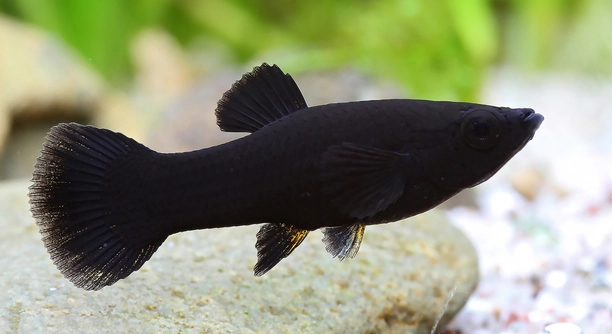
Keeping a variety of fish in a single aquarium can be both rewarding and challenging. Many hobbyists enjoy mixing species for color and activity, yet each fish has unique behaviors that affect compatibility. Proper planning ensures a balanced environment.
Black Mollies and Betta fish can sometimes coexist under careful conditions, but success depends on tank size, hiding spaces, water parameters, and monitoring aggression. Bettas are territorial, and Black Mollies require peaceful interactions to thrive alongside them.
Learning the right setup and precautions can protect both species while maintaining harmony. Proper guidance ensures a safe and enjoyable aquarium for all inhabitants.
Understanding Betta Behavior
Bettas are naturally territorial fish, especially males. They often flare their fins and chase other fish that invade their space. This behavior can cause stress or injury to tank mates. Female Bettas are generally less aggressive, but they still prefer their own space and may react unpredictably in small tanks. Black Mollies, on the other hand, are peaceful, active fish that enjoy swimming in groups. Their calm nature can help reduce tension if the tank is spacious and well-planted. It is important to monitor interactions regularly, as even minor signs of aggression should be addressed immediately. Providing hiding spots and visual barriers can give both species a sense of security. Filtration, temperature, and water quality also play a role in keeping both species healthy and reducing stress. Over time, many aquarists find that careful observation and proper tank management help maintain harmony between Betta fish and Black Mollies.
Keeping an eye on behavior ensures early intervention and prevents serious conflicts.
Even with precautions, some Bettas may remain aggressive regardless of tank conditions. Observing daily routines, feeding times, and interactions helps determine if the current setup is sustainable. Adjusting tank layout, adding plants, or separating fish temporarily can maintain peace. A larger tank with multiple hiding areas encourages both species to coexist without constant confrontation, making the aquarium environment stable and enjoyable for each fish.
Tank Setup and Compatibility
Proper tank size and layout are essential for successful cohabitation.
A minimum of 20 gallons is recommended for keeping a Betta with Black Mollies. The tank should include dense vegetation, floating plants, and open swimming areas. Hiding spots such as caves or decorations allow both species to retreat when stressed. Maintaining stable water temperature between 75-80°F supports their health, while gentle filtration prevents strong currents that may stress the Betta. Regular water changes and monitoring pH levels between 7.0 and 8.0 help Black Mollies thrive. Feeding routines should accommodate both species, offering varied diets of flakes, pellets, and occasional live food. Overcrowding should be avoided, as it increases stress and potential aggression. By carefully designing the tank environment and observing the fish closely, it is possible to create a peaceful setting where Bettas and Black Mollies coexist safely. A thoughtful approach to tank setup directly impacts the long-term well-being of both species, reducing conflicts and promoting natural behaviors.
Feeding and Diet Considerations
Black Mollies are primarily herbivores but enjoy occasional protein. Bettas are carnivores and need protein-rich meals. Separating feeding areas prevents one species from dominating food. Providing a balanced diet ensures both fish receive proper nutrition.
Offering high-quality flakes, pellets, and occasional frozen or live food meets their dietary needs. Black Mollies benefit from spirulina, blanched vegetables, or algae wafers, while Bettas thrive on brine shrimp, daphnia, and specialized Betta pellets. Feeding small amounts multiple times a day helps reduce competition and prevents overeating. Observing their eating habits allows adjustments if one species appears stressed or underfed, ensuring both remain healthy.
It is important to avoid overfeeding, as leftover food can pollute the water and increase aggression. Maintaining a feeding schedule and monitoring portions ensures tank hygiene while keeping both species active. Feeding separately, if necessary, allows each fish to eat at its own pace, reducing stress and supporting growth. Consistent attention to diet creates a stable and balanced environment for cohabitation.
Monitoring Health and Stress
Regular observation can detect early signs of illness or stress.
Changes in behavior, fin condition, or swimming patterns indicate potential health issues. Bettas showing torn fins or aggression may be stressed, while Mollies avoiding activity could signal water quality problems. Immediate intervention is essential to prevent worsening conditions.
Maintaining clean water, consistent temperature, and proper diet helps minimize stress. Isolation of aggressive individuals or those showing illness prevents spread and injury. Watching interactions allows adjustment of tank layout, hiding spots, or feeding routines. Keeping records of water parameters and health observations helps identify patterns, ensuring timely care. Awareness of subtle changes supports long-term compatibility.
Stress management includes providing plants, decorations, and gentle filtration. Proper lighting and avoiding sudden changes in environment reduce anxiety. Ensuring both species have access to preferred areas, such as open swimming zones for Mollies and calm corners for Bettas, prevents constant confrontation. Consistent monitoring and small adjustments maintain harmony, promote natural behavior, and protect overall health of the aquarium community.
Signs of Aggression
Bettas may flare their fins, chase, or nip other fish. Mollies hiding frequently or showing torn fins indicate tension. Early detection helps prevent serious injury.
Frequent tail-biting, chasing, or cornering behavior signals that the tank may be too small or poorly arranged. Adjustments to layout or separation might be necessary to maintain peace.
Water Quality and Maintenance
Consistent water quality is critical for both species. Mollies prefer slightly harder water, while Bettas tolerate soft to moderately hard water. Regular testing, partial water changes, and maintaining temperature between 75-80°F support health and reduce stress. Proper filtration prevents waste buildup.
Tank Size Recommendations
A minimum of 20 gallons is ideal for cohabitation. Larger tanks reduce conflict and provide space for both species to establish territories.
FAQ
Can Black Mollies and Betta fish live together peacefully?
Yes, they can coexist under the right conditions. Peaceful Betta individuals, sufficient tank space, and plenty of hiding spots help minimize stress and reduce aggression. Observing behavior daily is important, as some Bettas may remain territorial despite precautions. Proper water parameters and feeding routines also play a significant role in maintaining harmony.
What tank size is recommended for keeping both species?
A minimum of 20 gallons is recommended. A larger tank allows both species to establish their own spaces and reduces the risk of confrontation. Open swimming areas combined with dense plant coverage or decorations create natural barriers, giving both species places to retreat when stressed.
What kind of water conditions do they need?
Black Mollies prefer slightly harder, alkaline water, while Bettas tolerate softer water with a slightly acidic to neutral pH. Maintaining a stable temperature between 75-80°F and performing regular water changes ensures both species remain healthy. Gentle filtration prevents strong currents that may stress Bettas.
How should I feed them together?
Separate feeding areas work best. Bettas require protein-rich food like pellets, frozen shrimp, or daphnia, while Black Mollies benefit from algae, spirulina, or plant-based flakes. Feeding small portions multiple times daily prevents competition and ensures both species receive proper nutrition without stress.
What are signs of stress in these fish?
Aggressive chasing, flaring fins, hiding, lethargy, torn fins, or loss of appetite indicate stress. Mollies may swim less actively or avoid certain areas, while Bettas may repeatedly flare or chase tank mates. Early detection and corrective measures prevent injuries and maintain a stable environment.
How can I reduce aggression in the tank?
Add hiding spots, plants, and visual barriers. Rearrange decorations to break line-of-sight. Providing separate areas for feeding and maintaining proper tank size helps both species feel secure. Temporary isolation of aggressive individuals may be necessary if conflicts persist.
Are there risks of disease when keeping them together?
Yes, diseases can spread quickly in a mixed tank. Quarantine new fish before adding them to the main tank. Regular water testing, proper diet, and consistent maintenance reduce the likelihood of infections. Observe both species for unusual behavior or physical changes.
Can they breed together?
No, Betta fish and Black Mollies are different species and cannot interbreed. Each has its own breeding requirements. Black Mollies may breed in community tanks if females are present, but Bettas require separate setups to successfully spawn and raise fry.
How often should I monitor the tank?
Daily observation is recommended to catch early signs of stress, aggression, or illness. Weekly water testing and partial water changes help maintain optimal conditions. Adjustments to layout or feeding routines may be necessary based on observed behavior.
What is the best way to introduce them?
Introduce Black Mollies first and allow them to settle before adding a Betta. Monitor interactions closely during the first few days. Provide plenty of plants and hiding spots to give both species space, reducing the chance of aggression and promoting a more peaceful coexistence.
Can Betta fish ever harm Black Mollies?
Yes, aggressive Bettas can nip or chase Black Mollies, causing stress or injury. If aggressive behavior continues despite adjustments, consider separating the fish permanently. Observing early signs and maintaining a well-planned tank environment helps minimize these risks.
Is it necessary to separate them at night?
Generally, no, if the tank is large and well-structured. Both species will often rest in different areas. However, if a Betta shows persistent aggression or territorial behavior, temporarily separating them during nighttime may prevent injuries and stress.
How do I maintain long-term compatibility?
Maintain stable water parameters, provide ample space, observe daily, and address aggression promptly. A balanced diet and consistent maintenance reduce stress. Reorganizing the tank periodically and ensuring each species has access to hiding spots keeps the environment safe and enjoyable for both fish.
Can female Bettas live with Black Mollies more easily than males?
Yes, female Bettas are generally less territorial than males, making cohabitation with Black Mollies easier. However, individual personalities matter, and some females may still show aggression. Monitoring interactions and providing sufficient space remains essential regardless of Betta gender.
What are common mistakes to avoid?
Common mistakes include overcrowding, insufficient hiding spots, ignoring water parameters, overfeeding, and failing to observe behavior. These factors increase stress and aggression. Planning the tank layout, monitoring the fish, and maintaining a proper routine prevent issues and support peaceful coexistence.
How do I know if cohabitation isn’t working?
Persistent aggression, repeated fin damage, stress behaviors, or uneven feeding indicate the setup isn’t working. If interventions like adding plants, rearranging the tank, or temporary isolation fail, it is best to separate the species permanently for their safety and well-being.
Final Thoughts
Keeping Black Mollies with Betta fish can be rewarding if the right conditions are met. These two species have very different temperaments, so understanding their behaviors is essential for a peaceful aquarium. Bettas are territorial by nature and may chase or nip other fish, while Black Mollies are calm and social, preferring to swim in groups. Observing daily interactions and adjusting the tank setup as needed helps prevent stress and injury. Providing sufficient space, hiding spots, and a balanced environment ensures that both species have areas to explore and retreat, making cohabitation more manageable and enjoyable.
Tank size and layout are critical factors in maintaining harmony. A minimum of 20 gallons is recommended, though larger tanks are preferable for active species like Mollies. Open swimming areas combined with dense plants, decorations, and visual barriers allow both fish to establish their own territories. Water quality must be monitored consistently, with partial water changes and stable temperatures between 75-80°F. Filtration should be gentle to avoid stressing the Betta while still supporting the Mollies’ activity level. Feeding routines should cater to both species, providing protein-rich food for the Betta and plant-based nutrition for the Mollies, while avoiding competition by creating separate feeding areas if necessary. Proper attention to these factors reduces conflicts and promotes long-term health.
Even with careful planning, it is important to remain attentive to each fish’s behavior. Aggression or stress can occur at any time, so early detection is key. Signs such as hiding, fin damage, or constant chasing indicate that adjustments are needed, whether by rearranging the tank, adding more hiding spots, or separating the fish temporarily. Cohabitation success depends on ongoing observation, patience, and maintenance. With the right tank conditions, monitoring, and care, Black Mollies and Bettas can share a home safely. Prioritizing the health, comfort, and natural behavior of both species ensures a stable and enjoyable aquarium for everyone involved.

Hello,
If you enjoy the content that we create, please consider saying a "Thank You!" by leaving a tip.
Every little bit helps us continue crafting quality advice that supports the health, happiness, and well-being of pets around the world, for pets of all shapes, sizes, and species.
We really appreciate the kindness and support that you show us!