
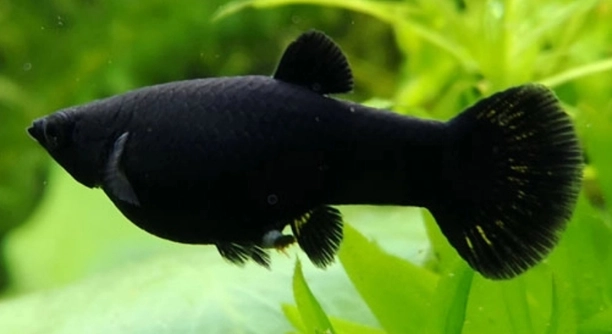
Do you love keeping black mollies but find yourself noticing unusual behavior after feeding them certain foods? Many owners are unaware that some common foods can disrupt their digestive system and overall well-being.
Certain foods can negatively affect black molly digestion by causing bloating, constipation, or diarrhea. High-fat items, processed human foods, and certain vegetables disrupt nutrient absorption and gut health, potentially leading to long-term digestive stress and discomfort for these fish.
Understanding which foods to avoid can protect your mollies’ health and help maintain a balanced, safe diet for your aquatic pets.
Foods High in Fat
Feeding black mollies foods high in fat can cause significant digestive issues. Items such as fried foods, fatty meats, or excessive flakes with added oils can slow digestion and create discomfort. Fat slows the digestive process, which may result in bloating, constipation, or even swim bladder problems. Over time, a high-fat diet can contribute to long-term health concerns and reduce your molly’s energy levels. It is easy to overlook, as these foods may appear appealing, but their impact on digestion is considerable. Instead, choose foods formulated specifically for livebearers or those with a balanced nutrient profile. High-fat ingredients also encourage the growth of harmful bacteria in the gut, making your aquarium more susceptible to digestive disturbances. Moderation is key, but the safest practice is to avoid fatty human foods altogether and rely on properly designed fish diets that support gut health and nutrient absorption.
Feeding high-fat foods too often can cause bloating and reduce your molly’s activity levels.
Providing a diet rich in balanced nutrients ensures healthy digestion. Mollies thrive on plant-based flakes, small live foods, and occasional protein treats. Avoid fatty additives to maintain proper gut function and overall health. A carefully monitored diet supports energy, coloration, and longevity while preventing digestive upset and unnecessary stress in your tank environment.
Certain Vegetables
Some vegetables, though seemingly healthy, can upset black molly digestion. Items like cabbage, spinach, or lettuce contain high fiber levels that can be difficult for mollies to process. Overfeeding these vegetables can lead to gas, bloating, and irregular bowel movements. While vegetables provide vitamins and minerals, moderation is essential to prevent digestive strain. Preparing vegetables by blanching or finely chopping can make them easier to digest and reduce the likelihood of issues. Mollies also need a diet that balances protein and plant matter, as excessive fiber can interfere with nutrient absorption. It is better to rotate a variety of vegetables and supplement with high-quality flakes or pellets designed for livebearers. Paying attention to how your fish respond after feeding can help you adjust portions and prevent discomfort, ensuring a healthy, active aquarium population.
Even healthy vegetables can cause bloating if given in large amounts.
Moderation and preparation are key when offering vegetables. Blanching or chopping helps digestion while keeping your mollies active and healthy. Rotate vegetables with protein-based foods to maintain balance, avoid digestive strain, and ensure your mollies receive essential nutrients without discomfort or stress.
Processed Human Foods
Processed human foods are not suitable for black mollies. Items like bread, chips, and leftovers contain preservatives, salt, and additives that fish cannot digest properly. Regular consumption can lead to bloating, diarrhea, and long-term gut issues, so these foods should be avoided entirely.
These foods often contain ingredients that are toxic or indigestible for mollies. Salt, artificial flavorings, and excess starch can upset their digestive balance, causing gas and discomfort. Mollies fed these foods may display lethargy or reduced appetite. It is crucial to stick to fish-specific flakes, pellets, or occasional live foods to maintain a healthy gut. Processed human snacks lack the proper nutrients needed for energy, growth, and vibrant coloration, further affecting overall health. Consistency in diet helps prevent sudden digestive stress and keeps your mollies active and strong.
Even small amounts of processed foods can accumulate negative effects over time. The safest approach is to completely eliminate human snacks from feeding routines. Feeding only appropriate fish diets ensures proper digestion, nutrient absorption, and reduces the risk of digestive disorders. Mollies respond well to a predictable, balanced diet, showing improved energy, color, and social activity in the aquarium.
Excessive Protein
Excessive protein can overload black molly digestion. Too much meat, live or frozen, can result in bloating and constipation. Feeding protein in moderation is essential for maintaining balance and preventing digestive discomfort in your fish.
Proteins are vital for growth and health, but overfeeding leads to metabolic stress. Black mollies can only process a limited amount at a time. Foods like bloodworms, brine shrimp, or high-protein flakes should be portioned carefully. Too much protein can also alter water quality, increasing ammonia levels that further stress digestion and overall health. Monitoring feeding amounts and frequency ensures mollies receive essential nutrients without overwhelming their systems. Balancing protein with plant matter supports normal gut function and promotes active swimming and feeding behavior, reducing long-term digestive risks.
A proper feeding routine combining plant-based and protein-rich foods prevents bloating and constipation. Maintaining this balance supports healthy digestion, water quality, and overall well-being in your aquarium. Black mollies thrive on controlled portions, showing better growth and vitality while avoiding the negative effects of overfeeding protein.
Citrus Fruits
Citrus fruits like oranges and lemons are too acidic for black mollies. Feeding these fruits can irritate their digestive system, causing discomfort, bloating, or diarrhea. Acidic foods should be avoided to maintain proper gut health and overall well-being.
Even small pieces of citrus can trigger digestive upset. Mollies digest best with neutral or slightly plant-based foods, avoiding high-acid items.
Iceberg Lettuce
Iceberg lettuce has little nutritional value and is mostly water. Feeding it to black mollies can dilute essential nutrients, leading to weak digestion and bloating. It is better to offer nutrient-rich greens in moderation.
Spicy or Seasoned Foods
Spicy or heavily seasoned foods are harmful to mollies. Ingredients like chili, garlic powder, or strong seasonings can irritate their digestive tract and cause stress. Always avoid flavored human foods in their diet to protect gut health.
FAQ
What should I feed black mollies to avoid digestive issues?
Black mollies thrive on a balanced diet that combines high-quality flakes or pellets designed for livebearers with occasional live or frozen foods like brine shrimp or daphnia. Small amounts of blanched vegetables such as zucchini or spinach can be included to provide fiber without overloading their digestive system. Consistent feeding schedules and avoiding high-fat, processed, or acidic human foods are essential to prevent bloating, constipation, or diarrhea. Monitoring how your fish react to different foods helps adjust portions and maintain proper digestion over time.
Can overfeeding cause digestive problems in black mollies?
Yes, overfeeding is a common cause of digestive issues. When mollies consume more food than they can process, it can lead to bloating, gas, and constipation. Uneaten food also decomposes in the tank, affecting water quality and further stressing digestion. Feeding small portions multiple times a day is safer than giving large meals. Carefully measuring daily rations based on tank population helps avoid overfeeding. Observing their activity levels and swimming behavior can indicate whether they are digesting food properly and maintaining overall health.
Are certain vegetables harmful to black mollies?
Yes, some vegetables can upset digestion if fed excessively. High-fiber options like cabbage, spinach, and lettuce may cause gas and bloating. Preparing vegetables by blanching or finely chopping them reduces digestive strain and improves nutrient absorption. It is better to rotate vegetables and limit the amount to small portions. Combining plant-based foods with protein-rich flakes or pellets ensures a balanced diet, providing essential vitamins without overwhelming the digestive system. Moderation is key, as even healthy vegetables can cause discomfort when fed too frequently.
Can black mollies eat fruits safely?
Most fruits, particularly citrus, are not recommended. Acidic fruits like oranges, lemons, or grapefruits can irritate the digestive tract and lead to bloating or diarrhea. While some mild fruits like finely chopped melon or cucumber may be offered occasionally, it is safer to rely on vegetables and formulated fish foods for daily nutrition. Limiting fruit intake ensures mollies maintain proper digestion, avoiding unnecessary stress on their gut. Observing their reaction after introducing a new food helps determine suitability and prevents long-term digestive problems.
How do I know if my molly is experiencing digestive issues?
Signs of digestive problems include bloating, lethargy, irregular swimming, or floating near the surface. Constipation can appear as stringy or hard feces, while diarrhea may leave cloudiness in the water. Changes in appetite or behavior can also indicate discomfort. Regular observation of tank activity and feeding response helps catch issues early. Maintaining clean water conditions, avoiding inappropriate foods, and adjusting portions are critical to support healthy digestion and prevent further complications.
Are protein-rich foods safe for black mollies?
Protein is necessary for growth and health, but excessive protein can strain digestion. Foods like bloodworms, brine shrimp, and high-protein flakes should be portioned carefully. Overfeeding protein can cause constipation and affect water quality, further stressing the digestive system. Balancing protein intake with plant-based foods supports normal gut function and promotes healthy growth, energy, and activity in the tank. Monitoring portions ensures mollies get sufficient nutrients without experiencing digestive discomfort or long-term health issues.
Can processed human foods ever be given to black mollies?
Processed human foods should be avoided entirely. Ingredients like salt, preservatives, spices, and artificial additives are difficult for mollies to digest and can lead to bloating, diarrhea, and stress. Even small amounts can have negative effects over time. Sticking to fish-specific foods ensures proper nutrition, healthy digestion, and reduces the risk of digestive disturbances. Providing appropriate flakes, pellets, or occasional live foods guarantees that your mollies receive the nutrients they need without compromising their gut health.
How can I prevent digestive problems in black mollies?
Maintaining a consistent feeding schedule, offering balanced portions, and avoiding unsuitable foods are key preventive measures. Rotating vegetables and protein sources while avoiding high-fat, processed, or acidic foods helps maintain a healthy digestive system. Observing the fish for changes in behavior, appetite, and fecal appearance allows early intervention. Clean water conditions and careful portioning support overall gut health and prevent digestive stress, ensuring mollies remain active, vibrant, and healthy in their aquarium environment.
Can occasional treats cause long-term issues?
Even occasional inappropriate treats can accumulate negative effects. High-fat, processed, or spicy foods may cause bloating or digestive irritation over time. It is safer to reserve occasional treats for approved live or frozen foods, avoiding human snacks. Keeping treats minimal and suitable ensures mollies remain healthy while still enjoying dietary variety.
What is the safest overall diet for black mollies?
A well-rounded diet consists of high-quality livebearer flakes or pellets, supplemented with occasional live or frozen foods and small portions of blanched vegetables. Avoid processed human foods, high-fat items, acidic fruits, and excessive protein. Maintaining consistency in feeding routines and monitoring the fish ensures proper digestion, vitality, and longevity in the aquarium.
Final Thoughts
Maintaining proper digestion is one of the most important aspects of keeping black mollies healthy. Many common mistakes occur when owners feed foods that seem harmless but are actually difficult for mollies to process. Items such as high-fat foods, processed human snacks, certain vegetables, and acidic fruits can all upset their digestive system. Even small amounts of these foods, if given regularly, can cause bloating, constipation, diarrhea, or reduced activity. Observing your fish after feeding can help you notice early signs of digestive discomfort. Being mindful of the type and amount of food you provide prevents long-term health problems and supports overall well-being. Mollies thrive when their diet is balanced, consistent, and suited to their natural digestive capabilities.
Providing a proper diet for black mollies is not complicated but requires attention to detail. High-quality flakes or pellets formulated for livebearers provide essential nutrients without overloading their digestive system. Occasional live or frozen foods, such as brine shrimp or daphnia, can supplement protein requirements, while small amounts of blanched vegetables provide necessary fiber. It is important to avoid feeding too much protein or high-fat items, as these can slow digestion and create discomfort. Citrus and other acidic fruits should also be excluded from the diet, as they can irritate the gut. Keeping meals moderate in size and feeding on a regular schedule helps mollies process food efficiently. Consistent routines and careful portion control support healthy digestion, energy levels, and vibrant coloration.
Finally, attention to water quality and tank conditions is just as important as diet. Uneaten food and overfeeding can lead to poor water quality, which further stresses mollies’ digestive systems. Regular tank maintenance, including water changes and monitoring ammonia and nitrite levels, ensures a clean environment that supports digestion and overall health. Observing your fish for changes in swimming behavior, appetite, or fecal appearance can alert you to potential problems before they become serious. By feeding appropriate foods, controlling portions, and maintaining a clean tank, you can help your black mollies live longer, healthier lives. A well-balanced diet combined with attentive care ensures their digestive systems function smoothly and keeps your aquarium vibrant and active.

Hello,
If you enjoy the content that we create, please consider saying a "Thank You!" by leaving a tip.
Every little bit helps us continue crafting quality advice that supports the health, happiness, and well-being of pets around the world, for pets of all shapes, sizes, and species.
We really appreciate the kindness and support that you show us!