
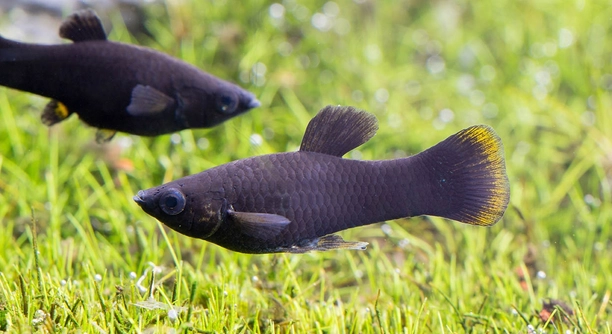
Is your Black Molly struggling to swim normally or floating oddly in your aquarium? Swim bladder issues are common in these fish, affecting their balance and movement. Proper care and attention can help your fish recover effectively.
Swim bladder problems in Black Mollies are often caused by overfeeding, constipation, or bacterial infections. Treating the condition involves adjusting their diet, providing a controlled environment, and sometimes using specialized treatments to restore proper buoyancy and swimming behavior.
Understanding the causes and solutions for swim bladder issues can help your Black Molly regain its health and mobility more quickly. Proper care ensures a stable and safe aquatic environment for your fish.
Causes of Swim Bladder Issues in Black Mollies
Swim bladder problems in Black Mollies usually result from diet, water conditions, or infections. Overfeeding can lead to constipation, which puts pressure on the swim bladder and affects buoyancy. Uneaten food decaying in the tank can also impact water quality, causing stress and further health problems. Sudden changes in temperature or poor water quality can weaken the fish, making it more prone to swim bladder issues. Some bacterial infections may directly impact the swim bladder, resulting in irregular swimming patterns, floating at the surface, or sinking to the bottom. Even minor stress from overcrowding or incompatible tank mates can worsen the condition. Observing your fish closely can help detect early signs, like difficulty maintaining position or floating sideways. Adjusting feeding schedules, improving water quality, and maintaining a stable environment are critical steps. Prevention is always easier than treatment, but recognizing the signs early gives your Black Molly a much better chance to recover fully.
Proper water management and careful feeding are key to preventing swim bladder problems and keeping your Black Molly healthy and active.
Monitoring diet and tank conditions closely will ensure your Black Molly maintains balance and buoyancy, reducing the likelihood of future issues while promoting consistent health and vitality.
How to Treat Swim Bladder Problems
One of the simplest ways to help a Black Molly is to fast it for a day or two, allowing the digestive system to clear.
Feeding cooked, peeled peas can help relieve constipation and reduce pressure on the swim bladder. Ensure water temperature remains stable, ideally around 24–26°C, and maintain clean tank conditions. Adding a few drops of aquarium salt can sometimes aid recovery, but only in small, controlled amounts. Isolate the affected fish in a separate tank if necessary to prevent stress from other fish. Observe swimming behavior closely, and note any changes over several days. If symptoms persist, consulting a veterinarian or aquatic specialist is recommended. Regular monitoring, combined with gradual diet adjustments and tank care, significantly increases the chances of recovery. Treating swim bladder issues promptly and consistently helps your Black Molly regain normal movement while minimizing the risk of recurring problems. Preventive measures, including proper feeding habits and routine tank maintenance, are essential for long-term health.
Adjusting Diet for Recovery
Reducing dry food and feeding high-fiber options like blanched peas can relieve constipation and reduce swim bladder pressure. Small, frequent meals prevent overfeeding, which is critical for proper digestion and buoyancy.
A diet low in fillers and rich in vegetables helps Black Mollies regain balance. Avoid flake overload and switch to easily digestible foods to support the digestive system. Feeding blanched peas, zucchini, or daphnia can stimulate normal digestion and reduce bloating that interferes with swim bladder function. Careful observation ensures the fish responds positively, allowing adjustments in portion size or food type as needed to maintain recovery progress.
Introducing live or frozen foods occasionally encourages natural feeding behavior and proper digestion. A balanced diet ensures the swim bladder is not stressed, promoting consistent buoyancy. Avoid sudden diet changes that could shock the digestive system. Consistency, portion control, and a focus on easily digestible foods help Black Mollies regain normal swimming patterns, supporting overall health and reducing recurrence of issues.
Maintaining Optimal Tank Conditions
Stable water temperature and regular cleaning are essential to support recovery. Poor conditions can stress fish, worsening swim bladder issues.
Black Mollies are sensitive to water quality changes. Maintaining proper filtration, performing partial water changes, and monitoring pH, ammonia, and nitrite levels are critical. Keeping the temperature between 24–26°C helps prevent digestive and swim bladder problems. Removing uneaten food promptly reduces decay and toxins in the water. Proper lighting and a calm environment minimize stress, which can impact recovery. Observation of behavior after adjustments allows for timely interventions if problems persist. Consistent care ensures Black Mollies remain healthy, active, and buoyant.
Isolation for Treatment
Separating the affected Black Molly in a quarantine tank reduces stress and prevents aggression from other fish. It allows closer observation of symptoms and easier control of feeding and water conditions.
A smaller, calm environment helps the fish focus on recovery. This also makes it easier to administer specific treatments and monitor improvement without interference from tank mates.
Observing Behavior Changes
Tracking swimming patterns, buoyancy, and appetite helps determine if treatment is working. Note any signs of improvement or worsening over several days. Observing behavior ensures adjustments in diet, water conditions, or treatment can be made promptly to support recovery.
When to Consult a Specialist
If symptoms persist beyond a few days or worsen despite proper care, consulting a veterinarian or aquatic specialist is necessary. Professional guidance ensures accurate diagnosis and treatment.
FAQ
What are the signs of swim bladder issues in Black Mollies?
Swim bladder problems often show as difficulty swimming, floating sideways, sinking to the bottom, or staying at the surface. The fish may appear bloated or have trouble maintaining balance. Reduced appetite and lethargy are also common signs. Observing your Black Molly daily helps catch these early.
Can diet alone fix swim bladder problems?
Diet plays a major role, especially if constipation is the cause. Feeding high-fiber foods like blanched peas, daphnia, or zucchini can relieve pressure on the swim bladder. Small, frequent meals prevent overfeeding, supporting proper digestion. However, if the issue is bacterial or due to water conditions, diet alone may not fully resolve it.
How often should I feed a Black Molly with swim bladder issues?
Feed small amounts once or twice daily, avoiding overfeeding. Excess food can worsen constipation and stress the swim bladder. Monitoring how much the fish consumes helps adjust portion sizes and prevents uneaten food from polluting the water. Controlled feeding encourages recovery and maintains buoyancy.
Is water temperature important for recovery?
Yes, stable water temperature is crucial. Black Mollies recover best in a tank maintained between 24–26°C. Sudden temperature changes can stress the fish, slow digestion, and exacerbate swim bladder issues. Consistent heating and gradual adjustments help support overall health and buoyancy.
Should I isolate a Black Molly with swim bladder problems?
Isolation in a quarantine tank is recommended. It reduces stress, prevents aggression from other fish, and makes it easier to monitor swimming, appetite, and response to treatment. A calm environment also allows targeted feeding and water adjustments for faster recovery.
Can swim bladder issues be prevented?
Prevention is possible with proper feeding, clean water, and stable tank conditions. Avoid overfeeding, remove uneaten food promptly, and maintain consistent water quality. Regular observation helps catch early signs of digestive or buoyancy problems before they escalate.
When should I seek professional help?
If symptoms persist for several days, worsen, or if the fish shows signs of infection or extreme bloating, contact a veterinarian or aquatic specialist. Professional guidance ensures proper diagnosis and treatment, particularly for bacterial or internal issues that home care cannot address.
Are there home remedies for swim bladder problems?
Some home remedies, like fasting for a day or feeding blanched peas, can help relieve constipation-related issues. Small amounts of aquarium salt may aid recovery in certain cases. These measures work best combined with clean water, controlled feeding, and stable tank conditions.
Can swim bladder problems recur?
Yes, recurrence is possible if the underlying causes are not addressed. Overfeeding, poor water quality, or inconsistent care can trigger repeat issues. Maintaining a balanced diet, monitoring water conditions, and observing behavior regularly reduce the likelihood of future problems.
Does age affect swim bladder recovery?
Younger Black Mollies tend to recover faster from swim bladder issues than older fish. Older fish may require longer recovery periods and closer monitoring due to slower metabolism and reduced ability to handle stress. Adjusting care for age improves chances of full recovery.
How long does it take for a Black Molly to recover?
Recovery time varies depending on the cause and severity. Mild constipation may resolve in a few days with dietary adjustments, while bacterial or chronic issues may take weeks. Consistent care, stable water, and close observation are critical to ensure the fish regains normal swimming patterns.
Can other tank mates affect recovery?
Yes, aggressive or overly active fish can stress a Black Molly with swim bladder problems. Stress can slow digestion, worsen buoyancy, and hinder recovery. Isolating the affected fish or choosing calm tank mates supports faster healing and reduces risk of injury during the recovery period.
Are there specific foods to avoid during recovery?
Avoid dry, low-fiber flakes, overfeeding, or foods high in fillers that can cause constipation. Stick to easily digestible vegetables, live or frozen foods, and small portions. Proper diet supports digestion, reduces pressure on the swim bladder, and promotes normal swimming patterns.
Can water hardness or pH affect swim bladder health?
Yes, extreme pH or very hard water can stress Black Mollies, affecting digestion and buoyancy. Maintaining a stable pH between 7.5–8.5 and moderate hardness supports overall health. Sudden changes in water chemistry should be avoided to prevent flare-ups or complications.
Is it normal for a Black Molly to float at the surface occasionally?
Occasional surface floating can be normal if the fish is feeding or resting. Persistent floating, spinning, or sinking indicates a problem with the swim bladder. Monitoring patterns over several days helps distinguish between normal behavior and a medical issue.
Can overfeeding alone cause swim bladder problems?
Yes, overfeeding can lead to constipation, bloating, and pressure on the swim bladder. Even short-term overfeeding can affect buoyancy. Controlling portion sizes and feeding frequency is essential to prevent digestive issues that interfere with swimming and balance.
Are there long-term effects of untreated swim bladder issues?
Untreated swim bladder problems can lead to chronic buoyancy issues, stress, and reduced activity. The fish may become more susceptible to secondary infections, lose appetite, or experience permanent swimming difficulties. Early care and prevention reduce the risk of long-term complications.
Is fasting always safe for Black Mollies?
Short-term fasting (24–48 hours) is generally safe and can help relieve constipation-related swim bladder issues. It should be combined with close observation and proper water conditions. Prolonged fasting or repeated fasting without addressing diet or water quality can negatively affect health.
Can stress cause swim bladder problems?
Yes, stress from overcrowding, aggressive tank mates, or sudden environmental changes can worsen swim bladder issues. Stress affects digestion and overall health, making recovery slower. Maintaining a calm, stable environment supports healing and prevents flare-ups.
Are live foods helpful in recovery?
Live foods like daphnia encourage natural feeding and aid digestion. They provide fiber and movement that can stimulate proper intestinal activity, relieving constipation. Live or frozen options also help maintain nutrient intake without overloading the digestive system.
Is aquarium salt always recommended?
Aquarium salt can aid recovery in small, controlled amounts, but excessive use can harm freshwater fish. Only use it as directed for mild stress relief or minor swim bladder support. Monitor behavior and water parameters closely if using salt.
How can I tell if my Black Molly is fully recovered?
The fish swims normally, maintains balance, shows regular appetite, and interacts with tank mates without difficulty. Observing these consistent behaviors over several days confirms recovery. Continued attention to diet and water quality helps maintain long-term health and prevents relapse.
Can swim bladder problems affect multiple fish at once?
Yes, if the cause is related to water quality, temperature, or diet, multiple fish may show similar symptoms. Identifying and correcting environmental factors is essential to prevent widespread issues and ensure all fish recover properly.
Are there specific tank setups that reduce swim bladder risk?
Providing enough swimming space, stable temperature, gentle filtration, and a balanced diet reduces risk. Avoid overcrowding and sharp decorations that could injure fish or stress them. A well-maintained tank promotes digestive health and proper buoyancy.
Is it normal for recovery to take several weeks?
Yes, some cases, especially bacterial or chronic swim bladder issues, can require weeks of careful care. Patience, consistent feeding, and water management are critical. Short-term improvement may be seen, but full recovery often takes longer.
Can supplements help with swim bladder recovery?
Certain digestive or probiotic supplements for fish may support intestinal health. These can aid digestion and relieve constipation, indirectly helping swim bladder function. Always follow dosing instructions and monitor the fish closely for any adverse effects.
How do I balance treatment and daily care?
Focus on clean water, controlled feeding, stable temperature, and observation while following treatment steps. Avoid sudden changes, overhandling, or unnecessary stress. Consistency ensures the fish recovers smoothly while maintaining overall tank health.
Can environmental enrichment aid recovery?
Providing hiding spots and gentle flow reduces stress and encourages normal swimming. Avoid strong currents or aggressive tank mates during recovery. A calm environment allows the Black Molly to focus energy on healing and regaining proper buoyancy.
Are there risks in using medications for swim bladder issues?
Medications can help bacterial or parasitic causes, but improper dosing or prolonged use can harm the fish or tank ecosystem. Use only recommended treatments, monitor closely, and combine with proper diet and water management for best results.
Is observation enough to diagnose swim bladder problems?
Observation is key for identifying symptoms, but it cannot determine the exact cause. Swim bladder issues may result from constipation, infections, or environmental factors. Professional consultation ensures accurate diagnosis if home care does not resolve the problem.
Can swimming irregularities persist after recovery?
In some cases, mild irregularities may remain temporarily as the fish readjusts. Consistent care, proper diet, and observation usually restore normal swimming over time. Patience and careful management are important to support long-term health.
How important is gradual diet change in recovery?
Gradual adjustments prevent digestive shock and stress. Switching to high-fiber, easily digestible foods over several days ensures the fish adapts without worsening swim bladder pressure. Sudden changes may trigger relapse or digestive upset.
Are there signs that indicate immediate intervention is needed?
Extreme bloating, gasping at the surface, rapid sinking, or inability to swim indicate urgent care is necessary. These signs may reflect severe constipation, infection, or internal injury. Immediate isolation and professional advice are recommended.
Can young fry develop swim bladder issues?
Yes, fry are particularly sensitive to diet, water quality, and overcrowding. Improper feeding or poor tank conditions can quickly lead to buoyancy problems. Careful monitoring and small, frequent meals are crucial during early development.
Does tank size affect swim bladder health?
Overcrowded or small tanks can increase stress, reduce swimming space, and contribute to digestive issues. Providing sufficient space for free movement and maintaining proper population density supports healthy swim bladder function and overall well-being.
Can swim bladder issues lead to secondary infections?
Yes, impaired swimming or stress can weaken the immune system, making fish more vulnerable to bacterial or fungal infections. Maintaining clean water and observing for early signs reduces the risk of secondary complications.
Is recovery guaranteed with proper care?
Recovery is likely if the underlying cause is addressed early, but severe cases or chronic conditions may require extended treatment or professional intervention. Close observation and consistent management improve the chances of successful recovery.
Are there common mistakes that delay recovery?
Overfeeding, sudden diet changes, poor water quality, and ignoring symptoms are common mistakes. Stress from aggressive tank mates or abrupt environmental shifts can also slow healing. Avoiding these errors ensures faster recovery and reduces the likelihood of recurrence.
Can swim bladder problems be genetic?
Some cases may have a genetic component, making certain fish more prone to buoyancy issues. While care and diet help, these fish may require ongoing monitoring to manage occasional flare-ups.
How long should a fish stay isolated during treatment?
Isolation should continue until the fish swims normally, maintains balance, and shows regular appetite over several days. Premature reintegration may cause stress or injury, delaying recovery. Gradual reintroduction into the main tank ensures safety and continued health.
Can multiple solutions be combined for faster recovery?
Yes, combining dietary adjustments, quarantine, temperature control, and gentle water additives can be more effective than any single method. Coordinated care addresses multiple factors, supporting both short-term recovery and long-term swim bladder health.
Is observation of other fish necessary during treatment?
Yes, monitoring tank mates ensures they do not stress or compete with the affected fish. Observing other fish can also reveal potential environmental issues affecting the entire aquarium, allowing corrective action to support recovery.
How do I prevent swim bladder issues in the future?
Maintain clean water, feed a balanced diet, avoid overfeeding, and observe behavior regularly. Stable temperature, proper tank size, and minimal stress from other fish reduce the likelihood of recurrence. Consistent preventive care is essential for long-term health.
Can stress from transport trigger swim bladder problems?
Yes, moving fish or sudden environmental changes can cause stress that affects digestion and buoyancy. Allow acclimation in a calm, stable environment to reduce risk and support recovery.
Are there alternative foods besides peas for recovery?
Blanched zucchini, spinach, and daphnia are good alternatives. These high-fiber foods help digestion, relieve constipation, and reduce pressure on the swim bladder, supporting proper buoyancy and overall health.
How does water flow affect swim bladder recovery?
Strong currents can stress a recovering fish, making swimming more difficult. Gentle flow encourages natural movement without overexertion. Adjust filtration or create calm areas to support healing and maintain proper buoyancy.
Can prolonged swim bladder problems affect growth?
Chronic issues can reduce feeding efficiency, stress the fish, and slow growth. Early care and proper management ensure normal development, preventing long-term effects on size and overall health.
Are behavioral changes reversible after recovery?
Most behavioral changes caused by swim bladder issues are reversible. Consistent care, proper diet, and reduced stress help fish return to normal swimming, feeding, and interaction patterns.
Can adding live plants help recovery?
Live plants reduce stress, improve water quality, and provide hiding spots. They create a calm environment, supporting digestion and normal swimming behavior, which indirectly aids swim bladder recovery.
Is monitoring water parameters daily necessary?
Daily checks of temperature, pH, ammonia, and nitrite ensure stable conditions. Early detection of fluctuations prevents stress and digestive issues, supporting faster recovery and long-term swim bladder health.
Can swim bladder problems affect reproduction?
Yes, impaired swimming and stress can reduce mating behavior and egg-laying efficiency. Ensuring recovery before breeding attempts supports successful reproduction and overall fish health.
Are all Black Mollies equally prone to swim bladder problems?
Individual fish vary in susceptibility. Diet, genetics, age, and environment influence risk. Regular care and observation reduce the likelihood of problems in both susceptible and resilient fish.
Does tank lighting impact swim bladder health?
Proper lighting maintains a natural day-night cycle, reducing stress. While not a direct cause, inconsistent or harsh lighting can contribute to stress, affecting digestion and buoyancy indirectly.
Can swim bladder issues occur suddenly or gradually?
Both scenarios are possible. Sudden issues may result from acute overfeeding, infection, or temperature shock. Gradual problems often stem from chronic constipation or long-term water quality issues. Observing behavior helps identify the pattern and underlying cause.
Are there specific signs that indicate constipation versus infection?
Constipation often presents as bloating, difficulty swimming, and reduced appetite, while infections may include redness, lethargy, or abnormal growths. Monitoring symptoms helps determine whether dietary adjustments, environmental changes, or medical treatment are necessary.
Can a recovering Black Molly be reintegrated immediately?
Reintegration should only occur after the fish swims normally, maintains buoyancy, and shows appetite consistently. Gradual reintroduction prevents stress, competition, or injury from other tank mates, ensuring continued recovery.
Is partial fasting necessary for all swim bladder cases?
Fasting is helpful mainly for constipation-related issues. Cases caused by infection or environmental factors may not require fasting. Observation and understanding the underlying cause guide the decision effectively.
Can temperature fluctuations trigger relapse?
Yes, sudden temperature changes stress the fish, slow digestion, and can cause swim bladder problems to return. Stable heating and gradual adjustments prevent relapse and support long-term buoyancy.
How important is patience during recovery?
Patience is critical. Recovery may take days or weeks depending on the cause. Consistent care, observation, and gradual adjustments ensure the fish regains normal swimming and digestive health safely.
Are there warning signs that indicate permanent damage?
Persistent inability to swim upright, chronic bloating, or repeated buoyancy issues may suggest lasting damage. Professional assessment is recommended to evaluate the extent and explore supportive care options.
Can diet alone prevent future swim bladder problems?
A balanced, high-fiber diet reduces risk but must be combined with stable water conditions, proper tank size, and minimal stress. Comprehensive care ensures both prevention and overall health.
Is monitoring daily behavior sufficient for early detection?
Daily observation is highly effective for catching early signs of swim bladder issues. Changes in swimming, appetite, or posture indicate problems before they become severe, allowing prompt intervention.
Can environmental stressors override good diet and care?
Yes, overcrowding, aggressive fish, poor water quality, or sudden changes can trigger swim bladder issues even with proper feeding. Reducing stress is as important as diet and water management.
Do all swim bladder treatments require medication?
No, many cases respond to dietary adjustments, fasting, isolation, and environmental stabilization. Medications are reserved for bacterial, parasitic, or persistent cases where home care alone is insufficient.
Can overfeeding still cause relapse after recovery?
Yes, resuming large portions too quickly can cause constipation and pressure on the swim bladder, leading to relapse. Gradual feeding and portion control are essential to maintain balance.
Are there natural behaviors that indicate recovery?
Normal swimming, foraging, and social interaction with tank mates suggest recovery. Consistent buoyancy, upright posture, and appetite confirm improvement. Continued observation ensures the fish remains healthy.
Can multiple fish be treated in the same tank?
If the cause is diet or water quality, multiple fish can recover together under controlled conditions. Careful monitoring ensures each fish receives adequate food and experiences minimal stress.
Does age impact susceptibility to future problems?
Older fish may be more prone due to slower metabolism or weakened systems. Young fish are generally more resilient but still require proper diet, water conditions, and observation to prevent recurrence.
Are there seasonal factors that influence swim bladder health?
Temperature fluctuations or seasonal stress can affect digestion and buoyancy. Maintaining stable tank conditions year-round reduces risk and supports consistent health.
How does stress from tank changes affect recovery?
Moving decorations, adding new fish, or rearranging the tank can stress a recovering Black Molly. Minimize disruptions during recovery to maintain calm and support proper buoyancy.
Can a fish recover fully without intervention?
Mild cases may improve on their own if diet and environment are favorable. However, active intervention with diet adjustments, isolation, and monitoring increases recovery speed and reduces complications.
What long-term care is needed after recovery?
Continue controlled feeding, stable water conditions, and regular observation. Maintain a calm environment, avoid overcrowding, and monitor for recurring symptoms to ensure long-term swim bladder health.
Are there behavioral signs that indicate relapse risk?
Erratic swimming, bloating, or sudden floating patterns may indicate relapse. Early detection allows quick adjustments in diet, tank conditions, or treatment to prevent a full recurrence.
Can swim bladder problems affect multiple generations?
Genetic predisposition may make some lines more prone, but proper care, diet, and environment reduce the likelihood of repeated issues across generations.
Is monitoring during feeding essential?
Yes, watching how much and how
Final Thoughts
Swim bladder issues in Black Mollies are common, but they can be managed effectively with careful attention and consistent care. Observing your fish daily is essential to catch early signs of buoyancy problems. Difficulty swimming, floating sideways, or staying at the surface for long periods are clear indicators that something is wrong. Addressing these issues early increases the chances of recovery. Adjustments in diet, water conditions, and tank environment are often sufficient to help the fish regain balance. Preventive measures, such as maintaining clean water and feeding a balanced diet, can significantly reduce the risk of future swim bladder problems.
Diet plays a central role in both prevention and recovery. Overfeeding or providing low-fiber foods can lead to constipation, which puts pressure on the swim bladder and affects swimming ability. High-fiber foods, such as blanched peas, zucchini, or daphnia, help relieve digestive stress and improve buoyancy. Feeding small, controlled portions multiple times a day prevents overeating and ensures proper digestion. In some cases, fasting for a short period can also help clear the digestive system. Alongside diet, maintaining stable water temperature, proper filtration, and moderate pH levels creates an environment where the swim bladder can function normally. Isolation in a separate tank can further reduce stress, allowing the fish to focus on recovery without interference from other tank mates.
Recovery can take time, especially if the underlying cause is more complex, such as bacterial infection or chronic stress. Patience is important, as results may not be immediate. Monitoring swimming behavior, appetite, and overall activity helps track improvement and ensures any adjustments are made promptly. Combining careful observation, proper feeding, and consistent tank maintenance provides the best opportunity for a Black Molly to return to normal buoyancy. Long-term health is supported by continuing these practices even after recovery, ensuring the fish remains active, balanced, and less susceptible to future issues. By understanding the factors that affect swim bladder health and responding promptly, owners can give their Black Mollies the care needed for a stable and healthy life in the aquarium.

Hello,
If you enjoy the content that we create, please consider saying a "Thank You!" by leaving a tip.
Every little bit helps us continue crafting quality advice that supports the health, happiness, and well-being of pets around the world, for pets of all shapes, sizes, and species.
We really appreciate the kindness and support that you show us!