
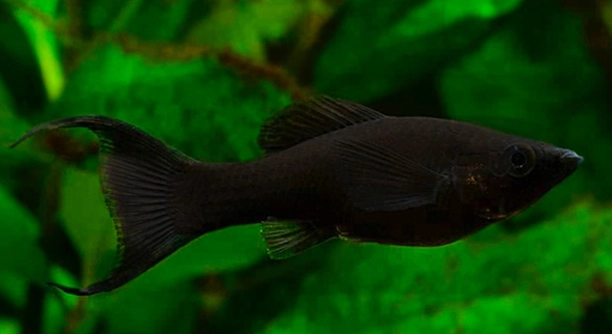
Do you enjoy keeping a variety of tropical fish but sometimes find yourself unsure about the ideal water conditions for them? Black mollies are popular freshwater fish that bring life and movement to home aquariums. Their care requires attention to water flow and quality.
Black mollies prefer still or slow-moving water rather than strong currents. Excessive water flow can stress them, disrupt feeding habits, and affect their overall health. Maintaining gentle circulation ensures they thrive and exhibit natural behaviors in a controlled environment.
Understanding the water preferences of black mollies can improve their wellbeing and make your aquarium a more harmonious space for them. Proper care is key to keeping them active and healthy.
Ideal Water Flow for Black Mollies
Black mollies thrive in aquariums where water movement is gentle and steady. Strong currents can tire them out, making it harder for them to swim and feed properly. Slow-moving water helps maintain their energy while allowing them to explore their tank without stress. Maintaining consistent water conditions, including temperature and pH, supports their health. Black mollies also appreciate areas where they can rest, such as near plants or decorations that break the current. Over time, observing their behavior can help you adjust flow patterns and ensure they are comfortable. Proper filtration is important to keep water clean, but the output should be balanced to avoid creating strong turbulence. A few well-placed plants or ornaments can naturally slow water flow and provide safe spots. By monitoring both water quality and current, you create a supportive environment that encourages natural swimming patterns and reduces stress levels, promoting longevity and activity in your black mollies.
Slow-moving water prevents stress and keeps black mollies healthy while letting them swim naturally and enjoy their tank comfortably.
Balancing water flow involves careful placement of filters and decorations. Adjusting the tank setup can create calm areas for resting while still circulating oxygen efficiently. Observing black mollies’ reactions helps determine if currents are too strong or just right. Plants, rocks, and other ornaments serve as barriers that soften the movement of water. Proper care also involves regular water testing to maintain optimal pH and temperature. By combining these strategies, you provide an environment that supports feeding, swimming, and breeding behaviors. Over time, black mollies become more active and display natural patterns, which indicates their comfort. Consistency in maintenance routines, including gentle water changes, ensures stability in their habitat. Careful monitoring and adjustments make the aquarium a balanced space where black mollies can thrive without unnecessary stress. This approach not only improves their health but also enhances the overall enjoyment of watching them interact with their surroundings.
Signs Black Mollies Are Comfortable
Observing behavior is key to knowing if black mollies are happy in their environment. Calm swimming and regular feeding indicate comfort.
When black mollies are in suitable water conditions, they move confidently and explore their tank without hesitation. They tend to stay near plants and decorations, using these areas to rest and hide when needed. Healthy mollies display vibrant coloration, and their fins remain intact without clamping or fraying. Excessive darting or staying in one corner may suggest stress from strong currents or poor water quality. Regular monitoring allows you to identify subtle changes in behavior and address potential issues before they impact their health. Feeding habits are also telling; mollies that eat consistently and show interest in food are likely thriving. Maintaining gentle water flow, proper temperature, and clean conditions ensures they stay active and healthy. By paying attention to these signs, you can create a stable and enjoyable habitat that supports both the physical and behavioral needs of black mollies, enhancing their overall wellbeing.
Water Temperature and Flow
Black mollies prefer warm water between 75 and 82 degrees Fahrenheit. Stable temperature supports their metabolism and reduces stress. Sudden fluctuations can affect swimming and feeding. Combining proper temperature with gentle water flow creates a calm environment that encourages activity and natural behavior.
Maintaining consistent water temperature is crucial for black mollies’ health. Heaters should be set accurately, and a thermometer can help monitor conditions. Warm water supports digestion, activity, and immune function. Cold or fluctuating temperatures slow metabolism and may weaken their resistance to disease. A steady environment allows them to feed reliably and interact naturally with tank mates. Checking temperature regularly prevents sudden drops that can cause stress or illness, keeping black mollies active and vibrant.
Flow interacts with temperature to impact comfort and health. Gentle circulation ensures oxygen distribution without exhausting fish. By observing their swimming patterns, you can adjust flow and heater placement to maintain a stable, comfortable habitat. Balanced flow supports breeding behavior, reduces aggression, and allows mollies to explore without pressure. Decorations and plants can create microenvironments with slightly varied currents, giving mollies options for resting or playing. This combination of steady warmth and calm water improves feeding efficiency and overall vitality, keeping them lively and visually appealing in your aquarium setup.
Choosing Tank Decorations
Plants and ornaments provide safe spaces and help reduce water flow in certain areas. They enhance comfort for black mollies and create natural hiding spots.
Decorations influence water movement and fish behavior significantly. Black mollies use plants and rocks to rest or escape currents. Floating plants can reduce surface flow, while dense vegetation provides shelter. Carefully arranged ornaments create calm zones that allow mollies to swim with minimal stress. Decorations also encourage exploration, interaction, and natural behaviors like grazing on algae. Selecting smooth surfaces and avoiding sharp edges protects their fins. Observing how mollies interact with the environment helps identify optimal placement for comfort and safety.
Choosing decorations is more than aesthetics; it directly impacts water flow, oxygen levels, and space utilization. Properly positioned plants and ornaments slow currents, allowing black mollies to navigate without fatigue. They provide vertical and horizontal spaces, encouraging exercise and reducing territorial disputes. Dense areas act as refuges during feeding or when currents increase near filters. Some decorations support breeding by offering surfaces for egg-laying. Balancing open swimming zones with shaded, calm areas keeps the tank dynamic yet safe. Thoughtful arrangement of decorations creates a visually pleasing environment that supports natural behavior, reduces stress, and promotes the health and longevity of black mollies.
Filter Placement
Proper filter placement ensures gentle water flow without stressing black mollies. Positioning the outflow away from resting areas helps create calm zones for swimming and feeding.
Adjusting filter strength can prevent strong currents that exhaust mollies. Using a sponge or deflector can soften the water movement while still maintaining cleanliness.
Monitoring Water Quality
Regular testing for pH, ammonia, nitrite, and nitrate is essential. Black mollies thrive in slightly alkaline water with stable parameters. Maintaining cleanliness prevents stress and supports healthy growth.
Tank Size Considerations
A larger tank allows black mollies to swim freely and reduces competition. More space balances water flow and creates multiple zones for activity.
Observing Fish Behavior
Watching how black mollies interact with currents and decorations helps identify stress. Calm, active fish indicate suitable water conditions.
FAQ
Do black mollies need strong water flow?
Black mollies do not need strong currents. They thrive in calm or gently flowing water. Excessive flow can tire them out, making swimming and feeding difficult. Slow-moving water helps them conserve energy while still allowing them to explore and interact naturally with their environment.
Can black mollies live in still water?
Yes, black mollies can live in still water, as long as oxygen levels are adequate. Using an air stone or gentle filter helps maintain oxygenation without creating strong currents. Still water areas combined with slight movement from the filter make an ideal environment for their comfort.
How can I reduce water flow in my tank?
You can reduce water flow by adjusting filter output or using a flow deflector. Adding plants, rocks, or ornaments in strategic spots slows water movement. Creating areas of gentle flow lets black mollies swim freely without getting exhausted. Observation will help you fine-tune the placement.
What water temperature is best for black mollies?
Black mollies do best in temperatures between 75 and 82 degrees Fahrenheit. Stable warmth supports metabolism, digestion, and immune function. Sudden temperature changes can stress them and affect activity. Using a reliable heater and thermometer ensures consistent conditions for their wellbeing.
Do black mollies prefer planted tanks?
Yes, black mollies enjoy planted tanks. Plants provide hiding spots, resting areas, and help slow down water movement in some zones. They also encourage natural behaviors like grazing on algae. Dense vegetation contributes to a calmer and more comfortable environment.
How often should I test water parameters?
Testing water once or twice a week is recommended. Monitoring pH, ammonia, nitrite, and nitrate helps maintain a safe environment. Consistent checks prevent sudden changes that could stress black mollies and allow early intervention when issues arise.
Can strong water flow harm black mollies’ fins?
Yes, strong currents can damage fins. Black mollies may rub against decorations or get caught in turbulent water, leading to fraying or tears. Gentle circulation with calm areas preserves fin health and prevents unnecessary stress or injury.
Are black mollies active swimmers in gentle flow?
Black mollies are active in gentle water flow. Slow currents allow them to move naturally without fatigue. They explore plants, decorations, and open areas comfortably, maintaining energy for feeding, interaction, and occasional social behaviors within their tank.
How do I know if my mollies are stressed by water flow?
Signs of stress include darting excessively, staying in corners, clamped fins, or avoiding feeding. Observing behavior regularly helps identify unsuitable water movement. Adjusting filter output, rearranging decorations, or adding plants can reduce stress and create a more comfortable environment.
Can black mollies breed in gentle water flow?
Yes, black mollies can breed in gentle water flow. Calm areas give females safe spaces to hide and reduce aggression from males. Proper tank setup with slow-moving water supports egg-laying, fry survival, and overall reproductive health, ensuring natural breeding behaviors.
Do black mollies need aeration in calm tanks?
Aeration is beneficial in calm tanks. An air stone or sponge filter provides oxygen without creating strong currents. Proper oxygen levels keep black mollies healthy, active, and reduce stress in areas with minimal water movement.
How important is consistency in water flow for black mollies?
Consistency in flow is very important. Sudden changes or fluctuations can stress black mollies, affect feeding, and reduce activity. Maintaining gentle, steady movement while balancing calm zones ensures a stable environment that promotes natural behavior and long-term health.
Can decorations help manage water flow for black mollies?
Yes, decorations are effective for managing flow. Rocks, plants, and ornaments break currents and create calm areas. They also provide resting zones and hiding spots, supporting natural behaviors while protecting black mollies from fatigue caused by strong water movement.
How do I balance filtration and gentle flow?
Choose a filter that circulates water without producing strong currents. Adjust the output or use a deflector to soften flow. Position plants or ornaments to create zones of calm. Regular observation helps achieve a balance that keeps the water clean while remaining comfortable for black mollies.
Is it normal for black mollies to stay in one spot sometimes?
Yes, staying in one spot is normal if water flow is strong nearby or if they are resting. Calm areas near plants or decorations give them a chance to relax, which is healthy behavior, especially in tanks with varying water movement.
Can juvenile black mollies tolerate stronger flow?
Juvenile black mollies are generally less tolerant of strong currents than adults. Gentle water movement is important to prevent fatigue and allow safe feeding. As they grow, their swimming ability improves, but calm zones should always be available.
How does water flow affect feeding behavior?
Strong currents can make feeding difficult, as food may drift away quickly. Gentle flow allows black mollies to access food easily and feed without stress. Observing feeding patterns helps ensure water movement is suitable and supports healthy growth.
Do black mollies interact differently in slow-moving water?
Yes, in slow-moving water, black mollies are more relaxed and active. They swim confidently, explore decorations, and interact with tank mates naturally. Reduced stress from calm water allows for better health, more vibrant coloration, and natural social behavior.
Can I use multiple filters without creating strong currents?
Yes, multiple filters can be used if output is carefully controlled. Position filters strategically and use flow deflectors or sponge attachments to soften movement. This provides adequate filtration while maintaining gentle water flow for black mollies.
Are floating plants helpful for water flow management?
Floating plants help reduce surface currents, creating calm zones below. They also offer shade and natural cover, allowing black mollies to rest, explore, and swim comfortably in areas where water flow might otherwise be too strong.
How do I adjust flow for breeding pairs?
Provide calm areas with minimal flow for breeding pairs. Use plants or decorations to break currents and offer hiding spots for females. Gentle water movement supports egg-laying, fry survival, and reduces stress during reproductive activities.
What is the ideal flow speed for black mollies?
The ideal flow is slow and steady, enough to circulate water but not so strong that fish must constantly fight the current. Observation and adjustments help maintain a comfortable environment that supports natural swimming and feeding behaviors.
Can water flow impact fin development in young mollies?
Yes, young mollies exposed to strong currents may experience fin stress or slowed development. Gentle, consistent flow ensures healthy fin growth while allowing juveniles to swim, feed, and develop without unnecessary strain.
Do black mollies need different flow in community tanks?
Yes, flow adjustments may be needed in community tanks. Ensure calm zones for black mollies while accommodating other species. Properly arranged decorations and careful filter management prevent stress and maintain harmony among different fish.
How often should I adjust water flow?
Adjust only when necessary. Frequent changes can stress black mollies. Minor tweaks to filters or decorations based on observation are enough to maintain a comfortable, stable environment.
Can black mollies tolerate small variations in flow?
Yes, they can tolerate minor variations, especially if calm zones are available. Observing behavior ensures that adjustments do not create stress, and mollies remain active and healthy.
How does flow interact with oxygen levels?
Flow aids oxygen distribution, but strong currents are unnecessary. Gentle circulation combined with aeration ensures adequate oxygen without stressing black mollies. Proper balance supports health, activity, and growth in the tank.
Is it okay for some areas of the tank to have stronger flow?
Yes, black mollies will use calm zones for resting while occasionally swimming in slightly stronger currents. This creates a natural variation in their environment while ensuring comfort and reducing stress.
Can I create a natural current using decorations?
Yes, strategically placing rocks and plants can create gentle channels that simulate natural flow without overwhelming black mollies. This approach maintains comfort while encouraging exploration and interaction within the tank.
How do I know if my tank has the right flow?
Observe black mollies’ swimming, resting, and feeding behavior. Active fish with healthy fins, normal feeding, and calm resting patterns indicate suitable water flow. Adjust filter output or rearrange decorations if signs of stress appear.
What happens if flow is too weak?
If flow is too weak, oxygen circulation may decrease, affecting fish health. Minimal movement combined with aeration ensures adequate oxygen, preventing sluggish behavior and supporting normal activity levels.
Do black mollies enjoy varied flow zones?
Yes, they enjoy zones with gentle variations. Calm areas for resting and mild currents for exercise create a balanced environment that supports natural behavior and reduces stress in the tank.
Can I rely solely on decorations to manage flow?
Decorations help but cannot replace proper filter management. They soften currents and provide resting zones, but gentle filter output is still necessary for water quality and oxygenation.
How long does it take for mollies to adjust to new flow?
Adjustment can take a few days to a week. Observing behavior ensures they acclimate comfortably. Providing calm areas during this period supports stress-free adaptation to the new environment.
Does water flow affect social behavior?
Yes, gentle flow encourages natural interaction and reduces aggression. Calm water allows black mollies to establish territories, swim freely, and interact safely without unnecessary stress from strong currents.
Are there any tools to measure flow speed?
Yes, small flow meters or observing leaf movement on the surface can help estimate water speed. Adjust filter output or use deflectors to create the optimal gentle flow for black mollies.
Can black mollies live in tanks with other strong-swimming fish?
Yes, but provide calm zones for mollies. Strong-swimming species may increase flow or stress black mollies. Strategic placement of decorations and careful filter adjustments help maintain a balanced environment for all fish.
Do black mollies rest more in calm areas?
Yes, calm areas encourage resting, which is essential for energy conservation. Black mollies use these zones to recuperate while still being able to swim and feed comfortably in the tank.
How do I know if flow is affecting feeding?
If black mollies struggle to reach food, are not eating consistently, or chase drifting flakes, flow may be too strong. Adjust output or create calmer zones near feeding areas for better results.
Can seasonal changes impact flow needs?
Yes, temperature fluctuations and evaporation can slightly change flow dynamics. Monitoring behavior and adjusting filters or decorations ensures consistent conditions year-round.
Does flow affect algae growth?
Flow influences nutrient distribution, which can affect algae. Gentle, consistent water movement helps balance oxygen and nutrient levels, indirectly controlling algae while keeping mollies comfortable.
How can I maintain flow during tank cleaning?
Use temporary dividers or partial flow adjustments while cleaning. Ensure mollies have calm areas to avoid stress during maintenance. Return to normal gentle flow afterward for stability.
Are black mollies sensitive to sudden flow changes?
Yes, sudden changes can stress them. Gradual adjustments with calm zones prevent panic, protect fins, and allow safe adaptation. Observation during transitions ensures comfort and reduces risk of injury.
Can I simulate a natural habitat with flow patterns?
Yes, combining gentle filter output with strategically placed decorations creates varied currents and calm zones. This supports exploration, exercise, and resting areas, mimicking natural conditions for black mollies while keeping them comfortable.
Do fry need different flow than adults?
Yes, fry require very gentle water movement. Strong currents can exhaust or injure them. Calm zones with minimal flow support feeding, growth, and survival during early development stages.
How do I combine aeration and gentle flow?
Use an air stone or sponge filter to provide oxygen without creating strong currents. Position output to circulate water gently while maintaining calm areas for resting and swimming.
Can I monitor flow visually?
Yes, observing leaf movement, bubbles, or fish swimming patterns can indicate flow speed. Adjustments based on these cues help maintain a suitable environment.
Is gentle flow necessary for all mollies or only black mollies?
While all mollies prefer calmer water, black mollies are particularly sensitive to strong currents. Providing gentle flow benefits health, behavior, and longevity. Observation ensures each fish adapts comfortably.
How often should I reassess water flow?
Reassess whenever adding decorations, changing filters, or noticing behavioral changes. Periodic observation ensures continued comfort and prevents stress from altered currents.
Does water chemistry interact with flow?
Yes, flow helps distribute oxygen and nutrients evenly. Maintaining gentle circulation supports stable pH, temperature, and cleanliness, contributing to the overall health of black mollies.
Are slow-moving water areas essential in planted tanks?
Yes, calm zones in planted areas allow resting, feeding, and hiding. Plants naturally slow flow, creating comfortable spaces that support natural behaviors and reduce stress for black mollies.
Can too many decorations create stagnant areas?
Yes, overcrowding can trap debris and reduce oxygen. Balance decorations to create gentle flow while preserving open swimming zones and ensuring water quality remains high.
Do black mollies enjoy swimming against mild currents?
Yes, mild currents provide exercise without fatigue. Black mollies use gentle flows to stay active, explore, and maintain fitness, while calm zones give them a place to rest.
How long should gentle flow be maintained daily?
Gentle flow should be continuous, as it ensures oxygen distribution, circulation, and consistent conditions. Constant but mild movement keeps black mollies comfortable and supports overall tank health.
Can strong filtration harm black mollies in community tanks?
Yes, overly strong filtration can create currents that stress black mollies, especially if other species are active swimmers. Balancing filter output and creating calm zones prevents fatigue and injury.
Do black mollies need different flow in breeding tanks?
Yes, breeding tanks benefit from calm water. Gentle flow reduces stress, protects fry, and allows females to hide, supporting reproductive success and overall health during spawning periods.
How do I prevent flow from disturbing substrate?
Position filter output away from substrate, use flow deflectors, or add plants and rocks to reduce disturbance. This keeps sand or gravel stable and prevents debris from clouding the water, benefiting black mollies.
Are there visual signs of improper flow besides behavior?
Yes, fin fraying, clamped fins, and reduced feeding are signs. Observing these indicators early allows adjustments to improve water movement and comfort for black mollies.
Can black mollies adapt to slightly stronger currents over time?
Yes, they may adapt if calm zones remain available. Gradual exposure allows them to build stamina without causing stress or harm, maintaining overall wellbeing.
Does flow affect breeding behavior directly?
Yes, calm water encourages mating and egg-laying. Excessive currents can prevent females from hiding and reduce fry survival. Controlled flow supports reproductive success naturally.
How can I combine plants, decorations, and flow effectively?
Arrange plants and decorations to break currents, create calm zones, and provide vertical and horizontal spaces. Gentle filter output ensures circulation, oxygenation, and cleanliness without stressing black mollies.
Are black mollies more active in slightly varied flow areas?
Yes, they explore different zones, resting in calm areas and swimming through gentle currents. This variety promotes exercise, natural behavior, and overall health.
What’s the best way to test if flow is suitable?
Observe swimming patterns, feeding behavior, and resting spots. Calm, active, and consistently feeding black mollies indicate proper flow. Adjust filters or decorations if stress signs appear.
Do black mollies ever need temporary stronger flow?
Occasionally, slightly stronger flow may help with water circulation or cleaning, but only for short periods. Always ensure calm zones are available to prevent stress.
Can air stones replace gentle flow entirely?
No, air stones provide oxygen but do not circulate water fully. Combine with gentle filter output to maintain both oxygenation and movement suitable for black mollies.
Does tank size influence flow requirements?
Yes, larger tanks require careful placement of filters and decorations to balance gentle circulation. Properly managed flow ensures all areas have suitable water movement without stressing black mollies.
Are black mollies more comfortable in rectangular or square tanks?
Tank shape affects current patterns. Rectangular tanks often allow more consistent, gentle flow with calm zones. Placement of filters and decorations is still key to creating suitable swimming areas.
Can too many plants reduce necessary water circulation?
Yes, excessive plants can block flow and reduce oxygen distribution. Balance dense planting with open areas to maintain circulation while providing hiding spots for black mollies.
How do I maintain gentle flow during water changes?
Temporarily reduce filter output and ensure calm zones exist. After completing the water change, gradually restore flow to maintain stability and prevent stress in black mollies.
Do black mollies prefer slow flow during nighttime?
Yes, slower movement at night supports resting behavior. Continuous gentle circulation ensures oxygenation while allowing fish to conserve energy and recover from daily activity.
Is gentle flow important for long-term health?
Absolutely. Consistent, gentle water movement supports activity, feeding, breeding, and overall wellbeing. Proper flow reduces stress, protects fins, and encourages natural behavior for healthy black mollies over time.
Can I use a combination of filters and air pumps to manage flow?
Yes, filters provide circulation and cleaning while air pumps enhance oxygenation. Adjust both to maintain calm zones and gentle flow for optimal comfort and health.
Are black mollies sensitive to sudden bursts of water movement?
Yes, sudden bursts can cause panic, fin damage, or exhaustion. Gradual adjustments and calm zones protect them from stress and ensure safe, natural swimming behavior.
Does gentle flow improve feeding efficiency?
Yes, it allows mollies to access food without chasing it or struggling against strong currents. Calm feeding zones promote healthy growth and reduce energy waste.
Can tank mates affect flow needs?
Yes, active or large swimmers may increase overall water movement. Providing calm zones and adjusting filter output ensures black mollies remain comfortable alongside more energetic species.
How do I balance decoration density and flow?
Create open swimming areas while placing plants or ornaments strategically to reduce current in resting zones. This balance allows free movement, exploration, and safe resting spaces for black mollies.
Is gentle flow necessary for all life stages?
Yes, from fry to adults, calm zones are essential. Young fish are especially vulnerable, but adults also benefit from steady, gentle circulation that reduces stress and promotes activity.
Do black mollies prefer certain flow directions?
They often swim along edges or around decorations, avoiding strong direct currents. Observing patterns helps optimize flow direction for comfort, feeding, and activity.
Can seasonal maintenance impact flow?
Yes, cleaning, water changes, or heater adjustments can temporarily alter currents. Gradual changes and calm zones prevent stress and maintain a stable environment for black mollies.
Does water hardness interact with flow?
While hardness mainly affects physiology, flow aids even distribution of minerals and oxygen. Gentle movement ensures consistent water quality throughout the tank.
**Are black mollies more likely to spawn in
Black mollies are sensitive fish that respond well to calm, gently flowing water. Creating an environment with slow, steady movement allows them to swim comfortably without fatigue. Strong currents can cause stress, disrupt feeding, and damage their fins, so maintaining a balanced flow is essential. Observing their behavior regularly provides insight into whether the water movement is suitable. Calm swimming, normal feeding, and resting in safe zones indicate that black mollies are thriving. By focusing on gentle water circulation and providing adequate hiding spots, you can help them maintain healthy energy levels and natural behaviors throughout the day.
Water temperature and quality work hand in hand with flow to support black mollies’ wellbeing. They prefer slightly alkaline water and a stable temperature between 75 and 82 degrees Fahrenheit. Sudden changes in temperature or water chemistry can add stress, even in a tank with ideal flow. Proper filtration is important, but output should be adjusted so that currents remain gentle. Decorations and plants not only enhance the tank visually but also reduce water movement in certain areas, creating calm zones for resting. Regular water testing, careful placement of equipment, and thoughtful tank layout all contribute to creating a safe and supportive environment for black mollies, ensuring they remain active, healthy, and visually vibrant.
Providing the right conditions requires consistent care and attention, but the benefits for black mollies are clear. Gentle flow, stable temperature, and clean water encourage natural behavior, healthy growth, and long-term wellbeing. Using plants and decorations strategically gives them resting areas and breaks up currents, supporting exploration without causing exhaustion. Observing their interactions with the tank environment helps refine conditions over time. By paying attention to these key factors, you ensure black mollies have a habitat that meets their needs, allowing them to swim freely, feed properly, and live healthy, stress-free lives in your aquarium.

Hello,
If you enjoy the content that we create, please consider saying a "Thank You!" by leaving a tip.
Every little bit helps us continue crafting quality advice that supports the health, happiness, and well-being of pets around the world, for pets of all shapes, sizes, and species.
We really appreciate the kindness and support that you show us!