
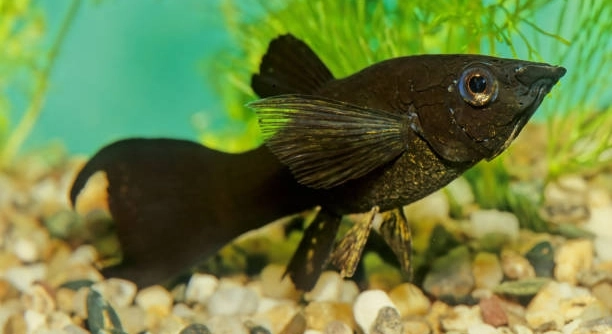
Have you ever noticed your black molly swimming rapidly, gills moving faster than usual, and wondered what might be going on? Observing these small changes can help you ensure your fish stays healthy and comfortable in its tank.
Rapid breathing in black mollies is most often caused by poor water quality, insufficient oxygen levels, or underlying illness. Monitoring water parameters, maintaining proper filtration, and observing behavior are essential steps to address this issue effectively.
Learning to identify the signs early can prevent serious health problems and help your molly thrive in its environment.
Common Causes of Fast Breathing in Black Mollies
Fast breathing in black mollies usually signals stress or environmental issues. Poor water quality is the most frequent reason, including high ammonia, nitrite, or nitrate levels. Temperature fluctuations can also affect their breathing rate, as mollies prefer stable, warm water. Overcrowding in the tank creates competition for oxygen and increases stress, which can make gills work harder. In addition, lack of proper filtration or aeration reduces oxygen availability, causing your molly to breathe rapidly. Sometimes, diseases or parasites can trigger fast breathing. Internal infections, gill flukes, or external parasites irritate their respiratory system. Overfeeding can also contribute, as decomposing food reduces oxygen in the water. Even sudden changes, like introducing new fish or rearranging the tank, can temporarily stress your molly. Observing behavior closely and checking water parameters often helps pinpoint the exact cause. Addressing these factors quickly improves your molly’s comfort and health.
Monitoring water temperature, cleanliness, and oxygen levels consistently prevents most breathing problems and keeps your mollies calm and active.
It’s important to act promptly if your molly shows signs of fast breathing. Test water parameters using reliable kits and correct ammonia or nitrite spikes immediately. Adding an air stone or adjusting filtration can improve oxygen levels quickly. Observe for any unusual marks, swelling, or parasites on the body or gills. If illness is suspected, isolate the affected fish to prevent spreading and consult with an experienced aquarist or veterinarian for treatment. Maintaining a stable, clean environment with moderate stocking density reduces stress and supports healthy breathing. Regular water changes and careful feeding help prevent oxygen depletion. With consistent care and attention, fast breathing often resolves, allowing your black molly to thrive in a peaceful, well-oxygenated tank.
How to Improve Oxygen Levels
Increasing oxygen in the tank helps mollies breathe comfortably and reduces stress. Simple adjustments make a noticeable difference quickly.
Adding an air stone, adjusting filter flow, and performing regular water changes improve oxygen levels efficiently. Introducing live plants can also enhance oxygen naturally while providing hiding spots for your fish. Monitoring temperature and avoiding overcrowding ensures mollies receive enough oxygen consistently.
Ensuring proper tank setup is essential for long-term molly health. Aeration devices, like air pumps or sponges, keep oxygen circulating throughout the water column. Live plants contribute oxygen during the day but should not overcrowd the tank. Maintaining ideal water temperature between 75-82°F allows mollies to breathe easily. Avoid placing too many fish in a single tank, as it reduces available oxygen. Routine water changes prevent waste buildup and sustain water quality. Observing mollies during feeding and activity can indicate oxygen levels, as gasping or rapid gill movement signals low oxygen. Consistent maintenance and careful monitoring provide a comfortable, safe environment, helping mollies remain active, healthy, and free from stress-related breathing issues.
Signs of Illness in Black Mollies
Rapid gill movement, lethargy, and loss of appetite are clear signs your molly might be sick. Visible white spots, frayed fins, or swelling indicate potential infections or parasites.
If you notice your molly isolating itself, swimming erratically, or resting at the surface, it could be struggling with internal issues. Gill parasites or bacterial infections often cause fast breathing. Fin rot, cloudy eyes, or unusual discoloration may appear alongside labored respiration. Illness can progress quickly, so observing subtle changes early is important. Isolating the fish in a quarantine tank helps prevent spreading disease while treatments are applied. Maintaining clean water, consistent temperature, and proper nutrition supports recovery.
Stress from sudden changes, overcrowding, or aggressive tank mates can also weaken the immune system, making mollies more prone to disease. Even minor injuries can become infected, resulting in faster breathing and reduced activity. Regularly checking water parameters and behavior helps detect problems before they escalate. A combination of careful observation, proper tank management, and timely treatment usually restores the molly’s health and normal breathing patterns within days or weeks.
Preventing Breathing Problems in Black Mollies
Regular water maintenance and careful feeding routines are key to preventing breathing issues. Avoid overcrowding and keep oxygen levels steady at all times.
Consistent water changes, proper filtration, and monitoring ammonia, nitrite, and nitrate levels reduce stress and respiratory strain. Avoid overfeeding, as leftover food depletes oxygen and encourages bacteria growth. Providing sufficient swimming space and hiding spots keeps mollies calm. Maintaining a stable temperature and adding plants helps natural oxygenation.
Preventing fast breathing is about maintaining balance in the tank. Overcrowding, poor water quality, and sudden environmental changes are common triggers. Proper feeding habits, including avoiding excess food and ensuring variety, support overall health. Adequate aeration, whether through air stones, filters, or plants, keeps oxygen levels high. Regular observation allows you to spot stress or illness early. Even minor fluctuations in temperature or pH can increase gill activity, so stability is important. With attention to these details, black mollies remain active, healthy, and free from stress-related respiratory problems for longer periods.
Tank Conditions to Watch
Water temperature, pH, and hardness directly affect your molly’s breathing. Keeping these stable helps prevent stress and respiratory issues.
Clean tanks with proper filtration ensure oxygen is evenly distributed. Overcrowding or dirty water can quickly lead to fast gill movement and discomfort for your fish.
Effects of Overfeeding
Excess food decays in the tank, reducing oxygen and increasing waste. This can make mollies breathe faster and appear stressed.
Overfeeding also leads to bloating and digestive issues, which may cause labored breathing. Feeding small amounts two to three times daily is usually sufficient. Regularly removing leftover food keeps the water clean and oxygen levels higher.
Quarantine for New Fish
Introducing new fish without quarantine risks disease spread, which can affect breathing. A separate tank for two weeks helps monitor health.
Monitoring Behavior Daily
Observe your black molly’s swimming patterns, gill movement, and appetite each day. Sudden changes often signal problems that need prompt attention.
FAQ
Why is my black molly breathing fast even in clean water?
Even if the water looks clean, oxygen levels may still be low. High temperatures, strong lighting, or poor water circulation can reduce dissolved oxygen. Stress from tank mates or sudden environmental changes can also make your molly breathe faster. Monitoring temperature and adding an air stone often helps.
Can stress alone cause fast breathing?
Yes, stress from overcrowding, aggressive tank mates, or sudden changes in the tank can make black mollies breathe rapidly. Even moving decorations or introducing new fish can temporarily increase gill activity. Reducing stress through proper tank management usually restores normal breathing.
Are there diseases that affect breathing?
Certain bacterial infections, parasites, and gill flukes directly impact respiration. Illness may also appear alongside lethargy, white spots, frayed fins, or swelling. Quarantining affected fish and consulting a veterinarian or experienced aquarist is important for proper treatment.
How does water temperature affect breathing?
Higher temperatures reduce oxygen solubility, making fish work harder to breathe. Black mollies thrive between 75-82°F. Sudden changes in temperature also stress the fish, increasing gill movement. Maintaining a stable, suitable temperature prevents respiratory strain.
Can overfeeding cause breathing problems?
Yes, leftover food decomposes and uses oxygen, reducing available oxygen in the tank. Overfeeding can also cause bloating or digestive issues, making your molly appear to breathe rapidly. Feeding small amounts and removing uneaten food helps prevent these issues.
How can I tell if my molly is sick or just stressed?
Stress typically causes fast breathing but no physical changes. Illness often comes with visible signs like fin damage, white spots, discoloration, swelling, or erratic swimming. Observing both behavior and appearance helps distinguish between the two causes.
Do live plants help with breathing issues?
Yes, live plants produce oxygen during the day and provide hiding spaces, reducing stress. They help maintain oxygen levels, but overcrowding plants can restrict swimming space, so balance is key. Regular trimming and care support their benefits.
Is tank size important for breathing?
Smaller tanks can lead to low oxygen and higher waste concentrations, stressing your molly. Providing sufficient swimming space and avoiding overcrowding helps keep oxygen levels stable and reduces the risk of respiratory problems.
Should I use an air stone or filter for oxygen?
Both help circulate water and improve oxygenation. An air stone provides constant aeration, while a properly sized filter ensures movement and cleaning. Using them together creates a stable, well-oxygenated environment for your molly.
When should I seek professional help?
If fast breathing persists despite clean water, proper feeding, and stable conditions, or if physical symptoms appear, consult a veterinarian or experienced aquarist. Early intervention prevents serious health issues and helps your molly recover faster.
Can rapid breathing recover naturally?
If the cause is minor stress, temperature fluctuation, or temporary low oxygen, mollies often return to normal once conditions stabilize. However, persistent issues require monitoring and potential corrective actions to prevent long-term problems.
How often should I test water parameters?
Regular testing is essential. Ammonia, nitrite, nitrate, pH, and temperature should be checked at least weekly. Rapid changes in these parameters can lead to fast breathing, stress, or illness, so frequent monitoring ensures early detection.
Can black mollies survive short periods of low oxygen?
They may tolerate brief drops, but prolonged low oxygen stresses their system, increases susceptibility to disease, and can be fatal. Ensuring consistent oxygenation prevents these risks and supports healthy breathing and activity.
Does tank cleaning affect breathing?
Yes, deep cleaning or sudden water changes can temporarily stress mollies and trigger fast breathing. Gradual, partial water changes and careful handling help minimize stress and maintain normal respiratory function.
Are certain tank decorations better for breathing?
Open swimming areas promote better water circulation and oxygen access, while hiding spots reduce stress. Avoid overcrowding decorations, which can trap waste and reduce oxygen flow, leading to faster gill movement.
Can multiple issues cause fast breathing simultaneously?
Yes, poor water quality, stress, disease, overfeeding, and high temperature can all combine, amplifying respiratory strain. Addressing each factor carefully ensures your black molly returns to normal breathing and maintains overall health.
How long does it take for breathing to return to normal?
Recovery depends on the cause. Minor stress may resolve in hours to a day, while illness or persistent environmental issues may take several days or weeks. Consistent care, stable water, and monitoring speed up recovery.
Is fast breathing a sign of aging?
Older mollies may naturally breathe a little faster, but sudden increases usually indicate stress, water issues, or illness. Aging alone rarely causes rapid gill movement unless combined with other factors.
Can I prevent future breathing problems?
Maintaining clean water, proper temperature, adequate oxygenation, balanced feeding, and stress-free conditions significantly reduces the risk. Regular observation and prompt action at early signs ensure long-term health and comfortable breathing for your black molly.
Do different species of mollies react differently?
Yes, some species tolerate temperature and oxygen fluctuations better than others. Black mollies are moderately sensitive, so stable conditions are particularly important for maintaining normal breathing and overall health.
Fast breathing in black mollies is a common concern for many fish owners. It can be caused by several factors, ranging from environmental issues to illness. Observing your fish closely and understanding the signs of stress or disease is the first step toward keeping them healthy. Small changes, like increased gill movement, lethargy, or hiding, can indicate that your molly is struggling with something in its tank. While it may seem minor at first, fast breathing should never be ignored. It is usually a signal that something in the fish’s environment or health needs attention. Ensuring clean water, proper oxygen levels, and a stable temperature often resolves the issue if it is caused by environmental stress.
Maintaining a balanced tank environment is key to preventing breathing problems. Overcrowding, overfeeding, and sudden changes in water conditions can all stress black mollies, making their gills work harder. Water parameters such as ammonia, nitrite, nitrate, pH, and hardness should be monitored regularly to prevent dangerous fluctuations. Using proper filtration, adding an air stone, and providing sufficient swimming space helps oxygen circulate evenly, reducing the risk of respiratory issues. Live plants can also support oxygen levels while offering hiding spaces that lower stress. A routine of regular water changes, careful feeding, and observation ensures that your molly stays healthy and active. Paying attention to these details not only improves breathing but also strengthens your fish’s immune system, making them less prone to disease.
Fast breathing can also indicate illness or parasites, so monitoring your molly for any physical signs is important. White spots, frayed fins, swelling, or changes in swimming patterns may point to infection or disease. Isolating affected fish in a quarantine tank prevents spreading illness to other tank mates. Early detection and treatment often result in a full recovery. Even if your molly is not sick, consistent care and attention to tank conditions prevent future issues. Understanding and responding to your fish’s behavior helps maintain a comfortable and safe environment. With proper care, observation, and maintenance, black mollies can thrive, swim actively, and breathe normally, ensuring long-term health and enjoyment in your aquarium.

Hello,
If you enjoy the content that we create, please consider saying a "Thank You!" by leaving a tip.
Every little bit helps us continue crafting quality advice that supports the health, happiness, and well-being of pets around the world, for pets of all shapes, sizes, and species.
We really appreciate the kindness and support that you show us!