
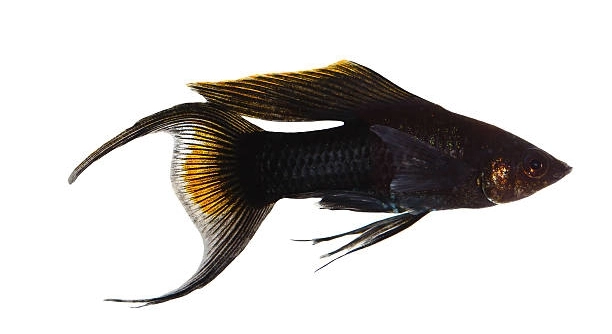
Do you ever find yourself watching your Black Molly swim gracefully and wonder how long it can go without food? Caring for these fish involves understanding their needs and maintaining a balanced environment in your aquarium.
Black Mollies can typically survive without food for up to five to seven days, depending on their age, health, and tank conditions. Prolonged fasting beyond this period can lead to stress, weakened immunity, and potential health complications.
Knowing these details will help you provide better care and maintain the well-being of your Black Molly in its aquatic home.
Understanding Black Molly Fasting
Black Mollies are hardy fish, but skipping meals affects them more than you might think. Their metabolism is relatively high, so even short periods without food can cause stress. Juveniles require more frequent feeding than adults because they are still growing and need consistent nutrition to develop properly. Adult Black Mollies can tolerate short fasting, but prolonged lack of food weakens their immune system and can make them more susceptible to diseases. Observing their behavior during these periods is important. Fish may become lethargic, hide more often, or show reduced activity. Providing a well-maintained tank with stable water temperature and quality helps reduce stress during fasting. Supplemental feeding with high-quality flake food or live food ensures that the fish remain healthy. Overfeeding should also be avoided, as it can lead to water quality issues. Monitoring your Black Molly’s response to temporary fasting gives insight into their resilience and overall health.
Maintaining tank cleanliness is crucial during periods of reduced feeding to prevent additional stress on your fish.
Properly managing fasting periods allows your Black Molly to stay healthy without compromising its immune system or behavior. Observing subtle changes in activity and appetite helps ensure that any health concerns are addressed promptly before they escalate into serious issues. By keeping a consistent routine and adjusting feeding based on age and tank conditions, you can support the fish’s natural metabolism and growth, allowing it to thrive even during brief periods without food.
Signs Your Black Molly Needs Attention
Behavioral changes are often the first indicator of stress or hunger in Black Mollies.
Signs such as decreased activity, loss of color, clamped fins, or hiding frequently may indicate that your Black Molly is underfed or stressed. Prompt observation and action can prevent long-term health issues.
Noticing subtle signs early allows you to adjust care routines immediately. Stress and hunger can affect digestion, immune response, and overall vitality. Providing small, frequent meals and monitoring water conditions minimizes risk. Tank mates’ behavior can also signal feeding issues, as competition or aggression may prevent some fish from eating adequately. Additionally, keeping track of growth rates and appearance helps determine whether nutritional needs are met. Supplementing diet with occasional live or frozen food boosts health and maintains energy levels. Ensuring proper filtration and temperature control reduces environmental stress that could compound fasting effects. Overall, attentive observation combined with consistent care helps maintain a thriving tank and prevents preventable health problems in Black Mollies.
Ideal Feeding Schedule
Feeding Black Mollies consistently supports their health and growth. Adults generally do well with one to two small feedings per day. Juveniles require more frequent, smaller portions to support development and energy levels.
Establishing a routine helps reduce stress and prevents overfeeding. Providing small portions multiple times a day ensures the fish consume food completely and avoids leftover debris that can affect water quality. Live, frozen, or flake foods all provide necessary nutrients, but variety keeps their diet balanced. Observing their behavior after feeding helps determine if adjustments are needed. Maintaining water temperature and cleanliness complements feeding schedules and keeps the fish active.
Adjusting feeding based on activity levels and tank conditions is essential. Mollies in colder water may require less food, while more active fish need slightly higher intake. Overfeeding can lead to bloating, poor water quality, and reduced oxygen levels. Tracking feeding habits ensures you provide enough nutrition without compromising tank health. A careful balance between quantity and frequency supports both growth and long-term vitality.
Water Quality and Its Impact
Poor water quality amplifies the effects of fasting. High nitrate levels, fluctuating pH, or inadequate filtration can stress Black Mollies and weaken their immune systems.
Maintaining clean, stable water conditions is critical for fish health. Regular water changes, proper filtration, and monitoring parameters like pH, ammonia, and nitrate levels reduce stress. Fish in optimal water conditions tolerate brief fasting better. Balanced water chemistry supports digestion, energy, and disease resistance, allowing Black Mollies to maintain normal activity even during short periods without food. Proper tank maintenance also minimizes the risk of illness triggered by sudden changes or bacterial growth, which could otherwise worsen the effects of limited feeding.
Preparing for Short Fasts
Short fasting periods can be managed with proper preparation. Ensuring your Black Molly is healthy before skipping meals reduces stress and maintains vitality.
Gradually adjusting feeding times helps fish adapt. Avoid sudden changes, and monitor their behavior to ensure they remain active and alert during fasting.
Effects of Overfeeding
Overfeeding can harm Black Mollies more than occasional fasting. Excess food decomposes, increasing ammonia and nitrate levels, which stresses the fish and damages water quality. It can also lead to bloating, digestive issues, and slower swimming. Feeding the correct portions maintains both tank cleanliness and fish health, promoting steady growth and vibrant coloration.
Monitoring Health During Fasting
Observing your Black Molly closely during fasting helps detect early signs of weakness or stress. Check activity levels, appetite, and overall appearance to ensure well-being.
How long can Black Mollies go without food?
Black Mollies can typically go without food for five to seven days, depending on age, health, and tank conditions. Juveniles need more frequent feeding, while healthy adults can tolerate short fasting. Prolonged periods without food can lead to stress, weakened immunity, and decreased activity. Maintaining clean, stable water and observing behavior is essential to ensure they remain healthy during this time.
What happens if a Black Molly is not fed for too long?
If Black Mollies go without food beyond their tolerance, several issues may occur. They can become lethargic, lose coloration, and hide more often. Their immune system weakens, making them susceptible to infections and parasites. Digestive issues can develop, and swimming may become sluggish. Early observation and adjusting care routines can prevent these health complications. Environmental factors like water quality, temperature, and tank mates also influence how well a fish can handle fasting.
Can Black Mollies survive without food indefinitely?
No, Black Mollies cannot survive indefinitely without food. While they are hardy and adaptable, their metabolism still requires regular nutrition. Starvation beyond a week significantly risks organ failure, disease, and death. Providing proper care, monitoring tank conditions, and adjusting feeding frequency based on fish activity are crucial. Even temporary fasting should be limited to ensure their health and overall vitality.
How can I tell if my Black Molly is stressed from not eating?
Stress from lack of food can manifest in various ways. Black Mollies may become less active, swim erratically, or hide more than usual. Clamped fins, faded colors, or unusual behavior around tank mates also indicate stress. Observing these signs early allows adjustments in care to prevent health deterioration. Maintaining water quality and a consistent feeding schedule reduces the chances of fasting-induced stress.
Is fasting ever beneficial for Black Mollies?
Short fasting periods can be beneficial for digestion and preventing overfeeding. Giving the fish a day without food occasionally allows their digestive system to process accumulated food fully. It also helps reduce waste buildup in the tank, keeping water cleaner. However, this should only be done occasionally and for adults that are healthy, as juveniles and stressed fish require consistent feeding.
What foods are best for Black Mollies to stay healthy?
A varied diet keeps Black Mollies healthy. High-quality flake food, frozen or live foods like brine shrimp, daphnia, and bloodworms provide essential nutrients. Including vegetables such as blanched spinach or zucchini supports digestion and adds fiber. Feeding smaller portions multiple times a day ensures they consume the food completely and helps maintain water quality. Variety strengthens immunity, supports growth, and keeps fish active.
How does water quality affect Black Mollies during fasting?
Water quality plays a critical role in how well Black Mollies handle fasting. Poor water conditions, such as high ammonia or nitrate levels, fluctuating pH, or improper temperature, increase stress. Fish in optimal water conditions tolerate short fasting better, maintain normal activity, and are less likely to develop illness. Regular water changes, filtration, and monitoring parameters are essential during fasting periods to keep the fish healthy.
Can tank mates affect Black Mollies’ ability to go without food?
Yes, tank mates can influence feeding and stress levels. Aggressive or competitive species may prevent Black Mollies from eating adequately, even if food is available. Observing interactions and ensuring all fish have access to food helps prevent malnutrition. Separating aggressive fish temporarily during feeding or providing multiple feeding spots can reduce competition and stress.
How often should I monitor my Black Molly during fasting?
Daily observation is important when Black Mollies are fasting. Check activity levels, appearance, and behavior around tank mates. Look for signs of stress such as lethargy, clamped fins, or hiding. Monitoring water parameters daily ensures the environment remains stable. Adjust feeding, water changes, or tank conditions immediately if any signs of weakness appear to prevent health decline.
Are there any signs that indicate a Black Molly is recovering well after fasting?
A Black Molly recovering well will return to normal swimming patterns, display vibrant coloration, and interact with tank mates. Appetite should resume when feeding restarts. Energy levels will normalize, and fins will be fully extended. Maintaining proper feeding, clean water, and a consistent schedule ensures a smooth recovery and prevents relapse or long-term health issues.
What precautions should I take before allowing a Black Molly to fast?
Before fasting, ensure the fish is healthy, free from disease, and living in stable water conditions. Avoid fasting stressed or juvenile fish, as they need constant nutrition. Remove excess food from the tank and observe fish behavior for a day to confirm they can handle reduced feeding. Consistent monitoring during the fast is critical to catch any early signs of stress or weakness.
How can I safely reintroduce food after a fasting period?
Reintroduce food gradually to prevent digestive shock. Start with small portions of flake or frozen food and monitor how the fish responds. Increase the quantity slowly over several feedings. Avoid overfeeding immediately, as it can cause bloating or water quality issues. Observing appetite and energy levels helps determine when the fish is fully adjusted to normal feeding again.
Does fasting affect breeding in Black Mollies?
Extended fasting can negatively affect breeding. Nutritional deficits weaken the fish, reducing fertility and energy for mating. Healthy adults tolerate brief fasting without issue, but consistent nutrition is necessary for successful reproduction. Balanced feeding, including protein-rich food and occasional live or frozen options, ensures that Black Mollies maintain reproductive health.
Can environmental changes influence how long a Black Molly can go without food?
Yes, environmental changes like temperature fluctuations, overcrowding, or poor water quality impact their ability to fast. Stable conditions reduce stress and allow fish to conserve energy. Sudden changes increase metabolic demands, making fasting riskier. Maintaining consistent lighting, temperature, and tank conditions helps Black Mollies handle short fasting periods safely.
What should I do if a Black Molly refuses food after fasting?
If a Black Molly refuses food, check water quality, temperature, and tank conditions first. Stress, illness, or environmental changes may be the cause. Offer small, easy-to-digest foods like brine shrimp or finely crushed flakes. Monitor closely, and if refusal persists for more than a day or two, consider consulting an aquatic veterinarian to prevent health decline.
How important is variety in diet when fasting occasionally?
Variety in diet ensures the fish receives all essential nutrients. Occasional fasting is safer when Black Mollies have been fed a balanced mix of flakes, live, frozen, and plant matter. A varied diet strengthens immunity, supports growth, and maintains activity levels, making them better equipped to handle short periods without food.
Can fasting help control algae or water issues in the tank?
Brief fasting reduces uneaten food, which can decompose and increase nitrates, promoting algae growth. By managing feeding amounts and scheduling short fasting periods, tank cleanliness improves naturally. This also reduces filtration strain and helps maintain balanced water chemistry, benefiting the health of Black Mollies and other inhabitants.
Is it normal for Black Mollies to show little interest in food after fasting?
A temporary lack of interest may occur if the fish is stressed, adjusting to new water conditions, or recovering from a previous fasting period. Normal behavior resumes within a day or two if tank conditions are stable. Persistent disinterest requires closer observation and possible adjustments to diet or environment.
How can I make fasting safer for my Black Molly?
Ensure the fish is healthy, the tank is clean, and water parameters are stable. Observe behavior closely and provide a balanced diet before and after fasting. Gradual fasting periods, coupled with proper environmental care, minimize stress and reduce the risk of health problems, keeping the fish active and resilient.
What role does temperature play in fasting tolerance?
Temperature affects metabolism. Cooler water slows digestion and energy use, allowing fish to tolerate fasting slightly better. Warmer water increases metabolic rates, making prolonged fasting riskier. Monitoring and maintaining consistent temperature ensures energy balance and reduces stress during short periods without food.
Are some Black Mollies more tolerant of fasting than others?
Yes, adult fish, healthy individuals, and those in optimal water conditions tolerate fasting better than juveniles or stressed fish. Genetics and previous diet quality also play a role. Observing individual behavior and adjusting care accordingly ensures all fish remain healthy during temporary fasting periods.
Can fasting affect social behavior in a Black Molly tank?
Fasting can influence social interactions. Stressed or hungry fish may hide more, swim less, or avoid tank mates. Maintaining proper feeding schedules and water quality helps prevent social disruption, ensuring fish continue to interact normally, establish territories, and display natural behaviors without added stress from food scarcity.
How can I prevent issues when a Black Molly fasts?
Prevent issues by maintaining clean water, monitoring tank parameters, and feeding a balanced diet before and after fasting. Observe behavior daily, separate aggressive tank mates if necessary, and avoid fasting juveniles or stressed fish. These precautions ensure the fish handle fasting periods safely and recover quickly.
What are the signs of recovery after a fasting period?
Healthy recovery includes resumed swimming activity, vibrant coloration, normal appetite, and interaction with tank mates. Energy levels return, fins are fully extended, and the fish behaves naturally. Gradual refeeding and consistent water conditions support recovery and prevent long-term health problems, allowing the Black Molly to thrive again.
Can fasting be part of a regular care routine?
Yes, occasional short fasting can be part of care if done safely. It helps digestion, reduces overfeeding, and maintains tank cleanliness. Consistent monitoring, proper diet, and stable environmental conditions are necessary to prevent stress or health issues while incorporating fasting into the routine.
Black Mollies are resilient fish that can handle brief periods without food, but understanding their limits is essential for keeping them healthy. Adults can usually go five to seven days without eating, while juveniles need more frequent meals due to their growth needs. Even though these fish are hardy, extended fasting can weaken their immune system, slow metabolism, and increase susceptibility to disease. Observing their behavior and appearance during periods without food is important. Signs like lethargy, faded coloration, clamped fins, or hiding can indicate stress or hunger. Paying attention to these signs helps ensure problems are addressed before they become serious. Maintaining clean water and stable tank conditions also supports Black Mollies during fasting, reducing additional stress.
Proper feeding habits are equally important for their overall health. A balanced diet that includes high-quality flake food, frozen or live options, and occasional vegetables provides the nutrients necessary for growth, energy, and immune function. Feeding smaller portions multiple times a day prevents overfeeding and helps maintain water quality. Overfeeding can be just as harmful as underfeeding, causing bloating, digestive problems, and poor water conditions. By establishing a consistent feeding routine and adjusting portions based on age and activity level, you can help your Black Molly maintain steady growth and energy. Tank mates should also be considered, as competition for food can prevent some fish from eating enough. Observing interactions during feeding ensures that all fish receive adequate nutrition.
Environmental factors play a significant role in how well Black Mollies handle fasting. Stable water temperature, clean conditions, and proper filtration reduce stress and support normal behavior even during brief periods without food. Sudden changes in the tank, poor water quality, or overcrowding can make fasting riskier and lead to health problems. Gradual fasting periods combined with attentive care can allow fish to tolerate short breaks from feeding without harm. Monitoring recovery after fasting is important, as the fish should quickly resume normal activity, appetite, and coloration. Properly managing fasting, feeding, and tank conditions ensures your Black Mollies remain healthy, active, and vibrant in their aquarium environment.

Hello,
If you enjoy the content that we create, please consider saying a "Thank You!" by leaving a tip.
Every little bit helps us continue crafting quality advice that supports the health, happiness, and well-being of pets around the world, for pets of all shapes, sizes, and species.
We really appreciate the kindness and support that you show us!