
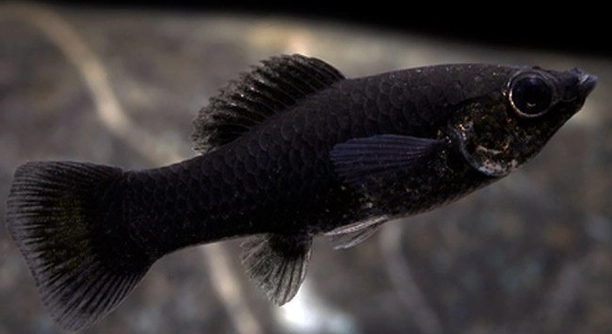
Have you ever noticed your black molly reacting differently around you compared to others, creating a small sense of connection that feels both simple and fascinating in your daily care routine as you observe them.
Black mollies can recognize their owners through consistent visual cues, feeding routines, and environmental familiarity, allowing them to display mild associative behaviors that resemble recognition. Their responses stem from learned patterns rather than emotional attachment, reflecting basic cognitive processing abilities.
These gentle interactions highlight subtle behaviors that add depth to your aquarium experience, encouraging a closer look at their patterns.
Understanding Black Molly Behavior
Black mollies rely on simple patterns to navigate their environment, and their behavior becomes more predictable when they feel secure. When you interact with them regularly, they begin to associate your presence with feeding and safety. Over time, they respond more calmly when you approach the tank, showing small movements that indicate familiarity. These responses are not complex, but they create a gentle rhythm in your daily routine that feels easy to recognize. Consistent handling of their habitat, steady lighting, and reliable feeding schedules all support this familiarity. You may notice them swimming toward the front of the tank when you walk by, reacting to the subtle cues they have learned. This type of behavior reflects basic conditioning shaped by repetition. Although it is not emotional recognition, it still creates a connection that feels meaningful as you observe their simple but steady reactions within your calm and consistent care routine.
Their behavior becomes clearer when you maintain steady routines, allowing them to form simple associations. These small reactions help you understand their comfort level, making it easier to support their needs while keeping your care process consistent and calm, each day shaping a stable pattern for their peaceful behavior daily.
Black mollies learn through repetition, so keeping your environment steady helps them form dependable responses. When you feed them at the same time each day, they begin to anticipate your presence and move more confidently in the tank. Their swimming patterns often shift slightly as they respond to familiar cues, showing subtle signs of recognition shaped by routine. You may notice these behaviors growing stronger over time as they adapt to your consistent habits. Although their reactions are simple, they reflect a basic learning process that supports smoother care and a more relaxed atmosphere within your aquarium, each passing week.
Factors That Influence Recognition
Several conditions shape how well black mollies respond to familiar cues, especially consistency in lighting, feeding, and handling. When these factors remain steady, their reactions become easier to observe, allowing you to maintain a calm routine that supports their simple learning patterns over time in your daily care and attention.
Black mollies respond best in environments that remain predictable, which allows them to develop steady behaviors shaped by routine. Consistent feeding times help them associate your presence with nourishment, making their reactions more focused when you approach the tank. Stable lighting patterns reduce stress, giving them a sense of continuity that encourages smoother movement throughout the day. Water quality also plays a key role, as clear and balanced conditions support calmer behavior that makes recognition cues easier to observe. When these elements work together, your mollies begin forming simple associations that strengthen slowly over time. You may notice them gathering near the surface when you enter the room or approaching the front glass as you prepare their food. These reactions come from repeated exposure to the same stimuli rather than emotional bonding, yet they still create a gentle sense of interaction between you and your fish. The more consistent your care habits are, the more predictable their responses become, offering a comfortable rhythm that enhances your overall aquarium experience. With steady patterns guiding their reactions, black mollies demonstrate how simple conditioning can shape reliable behavior in a peaceful and familiar setting that supports calm interaction in your aquatic care routine.
How Black Mollies Respond to Familiar Faces
Black mollies react to familiar figures through simple learned patterns. When your presence becomes part of their routine, they begin showing small, predictable movements. These reactions are shaped by repetition, allowing them to respond with calm behavior each time you approach the tank in your daily care.
Consistent interaction helps reinforce recognition cues over time. When you feed them at the same hour, adjust their environment regularly, or keep their lighting stable, they begin linking these actions with your presence. Their movements may become more focused, and they often swim closer to the front glass when they notice you nearby. This response is not driven by emotion but by familiarity formed slowly through repetition. Over time, these small behaviors become more noticeable, creating simple patterns that feel steady and easy to interpret in your routine.
As these reactions develop, you may also notice how their comfort level increases when the environment remains predictable. The more stable the setup, the more confident their actions become. Black mollies show smoother swimming patterns, reduced hiding behavior, and a stronger willingness to approach the front of the tank. These responses come from basic conditioning supported by your consistent care. When feeding, lighting, and handling remain dependable, your mollies learn what to expect, allowing them to display clearer signs of recognition that fit naturally into your everyday aquarium maintenance.
What Shapes Their Ability To Recognize You
Environmental stability shapes how clearly black mollies respond to familiar cues, especially when feeding routines and lighting remain consistent. Balanced water conditions help reduce stress, allowing their reactions to appear more focused. These patterns grow stronger when changes are minimal, creating smoother behavior that reflects your reliable care habits each day.
When you maintain predictable routines, black mollies develop stronger associations with your presence. Regular feeding times help them anticipate your arrival, and steady lighting creates a calm environment that supports clear responses. Clean, balanced water keeps them relaxed enough to notice familiar movements outside the tank. Over time, these continued patterns shape their behavior in meaningful ways. You may observe them gathering near the surface or swimming forward when you enter the room. These reactions come from repeated cues rather than emotional attachment, yet they still create a soft sense of interaction. Keeping your routines stable helps your mollies show reliable responses, giving you a clearer understanding of how simple conditioning influences their behavior in your home aquarium.
How Routine Strengthens Their Responses
Repetition helps black mollies form simple associations that guide their reactions. When feeding, lighting, and movement around the tank stay consistent, they begin responding with small but steady behaviors that reflect their growing familiarity with your presence each day.
These learned cues become clearer when the environment stays predictable. Black mollies adapt quickly to patterns, reacting with gentle swimming movements when they recognize familiar routines. Their behavior becomes easier to understand as they settle into a stable setup supported by your calm and consistent care.
How Your Presence Influences Their Comfort
Your steady presence can help black mollies feel more secure in their environment. When you move gently around the tank or approach at regular times, they begin linking these actions with predictable outcomes like feeding or simple interaction. Over time, these familiar cues reduce stress and promote smoother swimming patterns. Their comfort builds slowly through repetition, giving them a sense of stability that shapes their behavior in subtle but noticeable ways. As these patterns strengthen, your mollies may show more confident responses, reflecting the simple conditioning formed through your consistent daily habits.
Subtle Signs of Recognition
Small actions like approaching the front glass or swimming more confidently when you enter the room often reflect simple learned behavior shaped by routine. These responses grow clearer when your care habits remain steady, creating a calm environment that supports predictable and easy-to-read reactions.
FAQ
Can black mollies truly recognize their owners?
Black mollies do not recognize owners in an emotional sense, but they do learn to associate familiar figures with feeding and routine care. When your presence becomes a steady part of their day, they respond with simple, predictable movements shaped by repetition. These reactions come from conditioning rather than emotional attachment, but they still create patterns that feel personal as you observe them. Over time, these associations grow stronger, and you may notice clearer responses when you approach the tank. Their familiarity is based on routine, not memory tied to emotion, but it still feels meaningful in your daily care.
Why do my black mollies swim toward the front of the tank when I walk by?
This behavior comes from consistent reinforcement. When feeding happens at predictable times, or when you often appear before adjusting their environment, they begin linking your presence with something beneficial. Swimming toward the glass becomes a learned response, signaling anticipation. This is a natural result of repetition rather than a sign of emotional recognition. The more stable your routine, the more confident and clear these movements become. Over time, this turns into one of the most common signs of familiarity in home aquariums, shaped entirely by conditioning.
Do black mollies respond differently to unfamiliar people?
They often react with hesitation or remain neutral when someone unfamiliar approaches the tank. These fish rely heavily on predictable cues, so any movement or figure outside their learned routine can leave their responses subdued or slower. While they do not feel fear in a human sense, they do react to changes in their environment. If an unfamiliar person moves differently or approaches at a time outside their usual routine, black mollies may stay near the middle or bottom of the tank. As always, these reactions are based on conditioning rather than recognition tied to emotion.
How long does it take for a black molly to form simple associations?
The timeframe varies depending on consistency. Some mollies respond within a week when feeding patterns remain steady, while others take longer if lighting or water conditions change often. Repetition is the key factor. When your actions around the tank remain predictable, the fish learn to connect certain movements or times of day with specific outcomes. This slow, steady reinforcement helps their responses become more noticeable over time. Even though their learning is simple, it plays a major role in shaping how they interact with you.
Can tank conditions affect their ability to recognize familiar cues?
Yes, stable tank conditions help significantly. When water quality is balanced, lighting is consistent, and stress is low, mollies show clearer and more confident reactions. Stressful or fluctuating conditions can interrupt these learned patterns and make their behavior harder to read. A calm environment supports sharper cues, allowing them to react predictably when you approach. Clean water, steady temperature, and minimal disturbances create the best foundation for reliable responses.
Is my black molly’s reaction a sign of affection?
Their reactions are not affectionate in the emotional sense, but they do reflect learning shaped by repetition. When your presence becomes part of their routine, they respond because they expect something familiar or beneficial. This can feel like a soft connection, even though the behavior is rooted in conditioning. These small signals still make your interactions enjoyable, offering gentle moments that feel personal within your aquarium.
Why do my mollies act more alert when I approach during feeding time?
Feeding time becomes one of their strongest conditioning cues. When you feed them consistently, they learn to anticipate your movements. Approaching the tank during this time triggers a more active response, as they recognize the pattern tied to nourishment. This alertness is a sign that they have formed a reliable association based on routine. Over time, this becomes one of the clearest indicators of how simple conditioning shapes their behavior.
Can black mollies forget familiar cues if routines change?
Yes, changes in feeding times, lighting, or handling can interrupt their learned patterns. When routines shift too often, mollies may stop showing predictable responses. Re-establishing consistency helps them rebuild these associations. Their learning is simple, and steady habits help keep their behavior stable and easy to read.
Final Thoughts
Caring for black mollies becomes easier when you understand how their simple learning patterns shape each interaction. They respond to routine more than anything else, and this creates a steady rhythm that feels calm and predictable. Their behavior adjusts slowly as they begin noticing familiar cues, especially when your habits remain consistent each day. With stable feeding times, steady lighting, and a peaceful environment, they start reacting with smoother swimming patterns that reflect growing familiarity. These reactions are not emotional signs, but they still create a sense of gentle connection as you observe how they move with more confidence. Even small actions like approaching the front glass or gathering near the surface happen because they recognize the patterns you have created through repetition. Their simplicity brings a quiet charm to your care routine, turning each day into an easy flow of movement and subtle responses that feel natural.
Understanding their behavior helps you create a supportive environment that encourages clear, steady reactions. Black mollies thrive when change is minimal, and this stability shapes how they respond to your presence. When you move calmly around the tank or approach at familiar times, they adjust with small but noticeable signals that show they have learned what to expect. These fish rely on predictable cues to guide their actions, so your consistency becomes the foundation of their comfort. Clean water, balanced temperature, and gentle lighting help reduce stress, giving them space to settle into peaceful patterns. Over time, you may notice how their reactions become more defined, showing how simple conditioning shapes their daily movements. This understanding makes your aquarium feel more in tune with your care, transforming each moment into something steady and easy to follow.
As you continue caring for your black mollies, you create an environment where familiarity becomes the core of their reactions. Their recognition is not emotional, yet it still feels meaningful when you see how they respond to your routines. Each day offers a chance to support their calm behavior through consistency, patience, and gentle attention to their needs. Watching them learn through repetition becomes both relaxing and rewarding, giving your aquarium a sense of quiet structure. Their predictable movements, soft changes in swimming patterns, and steady reactions to your presence reflect the simple but comforting nature of their learning. With each consistent action you take, you reinforce the peaceful atmosphere they depend on. Over time, your care shapes their behavior in ways that feel clear and balanced, offering a gentle reminder of how even small routines can create a strong sense of familiarity in your home.

Hello,
If you enjoy the content that we create, please consider saying a "Thank You!" by leaving a tip.
Every little bit helps us continue crafting quality advice that supports the health, happiness, and well-being of pets around the world, for pets of all shapes, sizes, and species.
We really appreciate the kindness and support that you show us!