
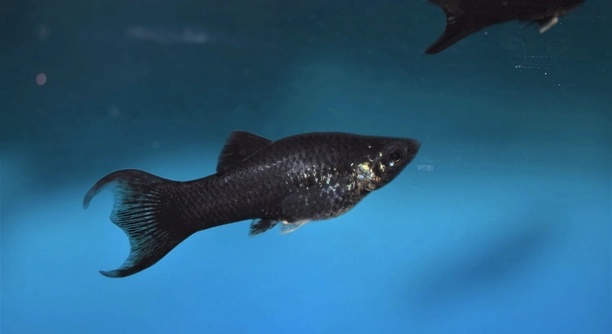
Do you ever find yourself staring at a fish tank, wondering which species will be easy to care for and lively to watch? Black Molly fish might catch your eye with their sleek color and gentle nature.
Black Mollies are suitable for beginners due to their hardy nature, tolerance of various water conditions, and peaceful temperament. They adapt well to community tanks, require moderate maintenance, and can thrive with proper feeding and basic tank care.
Learning how to care for them properly will make your tank a more enjoyable and stress-free environment for both you and your fish.
Tank Setup for Black Mollies
Black Mollies thrive in tanks that are at least 20 gallons. A larger tank helps maintain stable water conditions and reduces stress. They prefer slightly brackish or fresh water with a temperature between 72-82°F. A good filter is essential to keep the water clean, and gentle water movement mimics their natural environment. Using a gravel or sand substrate allows them to explore comfortably. Adding live plants provides hiding spots and encourages natural behavior. Decorations like rocks and driftwood are optional but can help create territories. Regular water testing for pH, ammonia, nitrites, and nitrates ensures the tank remains safe for your fish. Avoid overstocking; Mollies are active swimmers and need space to move freely. Performing partial water changes weekly keeps the water chemistry stable. By providing these conditions, Black Mollies will feel secure and display vibrant colors, making your aquarium more lively. Proper tank setup is the foundation of healthy, happy fish.
A well-maintained tank reduces disease risk and makes daily care easier and more enjoyable.
Regular observation of your Black Mollies helps spot early signs of stress or illness. Watching their swimming patterns, appetite, and interaction with tank mates provides insight into their health. Healthy Mollies are active, curious, and feed eagerly. Uneaten food should be removed promptly to prevent water contamination. Consistency in feeding schedules and water maintenance fosters a stable environment. Using a mix of high-quality flake food and occasional live or frozen options ensures balanced nutrition. Monitoring water parameters regularly prevents sudden changes that could harm your fish. Over time, you will notice your Mollies becoming more comfortable and displaying natural behaviors like exploring the tank and interacting with other fish.
Feeding and Nutrition
Black Mollies eat a variety of foods, including flakes, pellets, and occasional live or frozen treats.
They require a diet rich in plant matter with some protein to support growth and health. Regular feeding promotes vibrant coloration and active behavior.
Offering vegetables like blanched spinach or zucchini alongside standard flake food helps meet their dietary needs. Protein sources such as brine shrimp or daphnia can be given a few times a week. Avoid overfeeding, as uneaten food can pollute the water and stress your fish. Feeding small amounts two to three times daily is ideal. Black Mollies are known to nibble on algae, which can supplement their diet naturally. Observing their eating habits ensures all fish in the tank get proper nutrition. Consistent feeding practices and a balanced diet prevent common health issues like bloating or weakened immunity. By understanding their dietary preferences, you can create a routine that keeps them healthy and active while maintaining water quality in the tank.
Common Health Issues
Black Mollies can develop problems like fin rot, ich, and swim bladder disorder if water quality is poor. Early detection is key. Regular observation of behavior, appetite, and appearance helps prevent serious illness.
Fin rot usually occurs from bacterial infections caused by poor water conditions. Signs include fraying fins and discoloration. Ich appears as small white spots on the body and fins, often due to sudden temperature changes or stress. Swim bladder disorder affects buoyancy, making it hard for fish to swim properly. Maintaining clean water, stable temperature, and a balanced diet significantly reduces the risk of these issues. Quarantining new fish before adding them to the main tank also prevents the spread of disease. Prompt treatment and consistent tank care ensure your Black Mollies stay healthy and active.
Preventing illness relies heavily on routine tank maintenance and observation. Daily checks for behavior and food intake help spot subtle problems early.
Water quality is crucial for Black Mollies’ health. Frequent water testing ensures parameters like pH, ammonia, nitrites, and nitrates remain within safe ranges. Partial water changes of 20-25% weekly help maintain stability. Filtration should be strong enough to handle tank bio-load but gentle to avoid stressing the fish. Avoid overfeeding, as leftover food increases waste and promotes harmful bacteria growth. A clean environment supports strong immunity and natural behavior. By staying consistent with these practices, the fish are less likely to develop common illnesses, and any issues that arise can be addressed quickly.
Breeding Black Mollies
Black Mollies breed readily in home aquariums when conditions are right. Providing dense plants or breeding mops gives fry a safe place to hide.
Females can give birth every 4-6 weeks, producing 20-100 fry per batch depending on size and health. Separate fry in a nursery tank or heavily planted area to prevent adults from eating them. Feeding small live foods or finely crushed flakes encourages growth. Maintaining clean water is essential, as fry are more sensitive than adults. Breeding pairs should be healthy and well-fed to ensure strong offspring. Observing their behavior helps identify when a female is pregnant and ready to give birth.
Managing fry growth requires attention to space and nutrition. Overcrowding can stunt development, while insufficient food slows growth. Rotating water changes and monitoring temperature ensures steady growth.
Tank Mates for Black Mollies
Peaceful community fish are the best companions for Black Mollies. Avoid aggressive species that may nip fins or outcompete them for food. Small tetras, guppies, and corydoras are compatible options.
Introducing new fish gradually helps prevent stress and allows Mollies to adjust. Observe interactions carefully during the first few days to ensure harmony.
Water Conditions
Black Mollies prefer slightly alkaline water with a pH of 7.5 to 8.5. Stable temperature between 72-82°F is ideal. Regular testing prevents sudden changes that can harm fish.
Consistent maintenance and monitoring prevent stress-related illnesses. Adjusting parameters gradually ensures a healthy environment. Mollies thrive in slightly brackish water, which can be achieved by adding a small amount of aquarium salt.
Behavior and Temperament
Black Mollies are active and social. They enjoy swimming in groups and interacting with tank mates.
They are peaceful and rarely aggressive, making them suitable for community tanks. Their curiosity adds life to the aquarium and encourages natural exploration.
How often should I feed my Black Mollies?
Black Mollies should be fed small amounts two to three times daily. Overfeeding can lead to poor water quality and health problems. Offer a mix of high-quality flake food and occasional live or frozen foods like brine shrimp. Remove uneaten food promptly to maintain clean water.
Can Black Mollies live in freshwater only?
Yes, Black Mollies can survive in freshwater, but they thrive in slightly brackish water. Adding a small amount of aquarium salt improves health, strengthens their immune system, and encourages natural coloration. Freshwater-only tanks require careful maintenance to prevent stress and disease.
What tank size is best for Black Mollies?
A minimum tank of 20 gallons is recommended. Larger tanks are better for maintaining stable water parameters and giving them space to swim freely. Overcrowding can cause stress, aggression, and poor health. Providing enough plants and hiding spots enhances their comfort.
Are Black Mollies easy to breed?
Yes, they breed readily in home aquariums. Females give birth to live fry every 4-6 weeks. Dense plants or a breeding mop help protect fry from adult fish. Separate nursery tanks or heavily planted areas improve fry survival rates and allow easy observation of growth.
What are common health problems in Black Mollies?
Fin rot, ich, and swim bladder disorder are common issues. Poor water quality, sudden temperature changes, or stress can trigger illness. Early detection is key. Daily observation of behavior, appetite, and appearance helps identify problems before they worsen. Proper maintenance prevents most health issues.
Can Black Mollies live with other fish?
They are peaceful and can live with small, non-aggressive fish. Tetras, guppies, and corydoras are good options. Avoid fin-nipping or overly aggressive species. Introduce new fish gradually and monitor interactions to maintain a calm, stable community tank.
How do I know if my Black Molly is pregnant?
A pregnant female will have a rounded belly and may appear slower than usual. The gravid spot near her anal fin darkens as birth approaches. Providing hiding spots and plants allows her to give birth safely, protecting the fry from other fish.
What water parameters are ideal for Black Mollies?
They prefer a pH of 7.5-8.5, water hardness between 20-30 dGH, and temperature between 72-82°F. Slightly brackish water can improve health and coloration. Regular testing ensures stability and reduces stress. Gradual adjustments prevent shock.
Do Black Mollies require special lighting or decorations?
No special lighting is needed. Standard aquarium lighting is sufficient. Plants, rocks, and driftwood provide hiding spots and encourage natural exploration. Live plants improve water quality and give fry a safe place. Decorations should not overcrowd swimming space.
How can I prevent disease in Black Mollies?
Maintain clean water with regular testing and partial water changes. Avoid overfeeding and overcrowding. Quarantine new fish before introducing them. Observing fish daily helps catch early signs of illness. A stable, stress-free environment supports strong immunity and long-term health.
What is the lifespan of a Black Molly?
With proper care, Black Mollies can live 3-5 years. Balanced nutrition, stable water conditions, and a clean tank contribute to longevity. Providing adequate space and compatible tank mates also reduces stress, supporting a longer, healthier life.
Can I keep only Black Mollies in a tank?
Yes, a single-species tank works well. They are social and should be kept in groups of at least 4-6 to reduce stress and encourage natural behaviors. A planted tank with hiding spots improves comfort and overall well-being.
How do I care for Black Molly fry?
Feed fry finely crushed flakes, baby brine shrimp, or specialized fry food. Keep water clean with gentle filtration and regular changes. Dense plants or breeding mops provide hiding spots. Monitor growth and remove any uneaten food to prevent water contamination. Gradually acclimate fry to adult conditions.
Is tank maintenance different for Black Mollies than other tropical fish?
Maintenance is similar to other tropical fish but requires attention to slightly higher pH and possible brackish conditions. Regular water testing, partial changes, and careful feeding ensure optimal health. Clean tanks reduce stress and lower the risk of disease.
Can Black Mollies tolerate temperature fluctuations?
They tolerate small fluctuations but sudden changes can stress them and lead to illness. Maintain stable temperatures between 72-82°F using a reliable heater. Avoid placing tanks near windows, vents, or drafts to prevent sudden shifts.
Do Black Mollies eat plants in the tank?
They may nibble on soft plants, but it is minimal. Providing blanched vegetables like zucchini or spinach supplements their diet. Hardy plants like Java fern or Anubias are less likely to be damaged, maintaining a healthy, balanced environment.
Are Black Mollies suitable for beginners?
Yes, their hardy nature, peaceful temperament, and adaptability make them ideal for beginners. Proper care, regular maintenance, and a balanced diet ensure they thrive in a home aquarium. Observing their behavior and adjusting conditions as needed supports long-term health and enjoyment.
Black Mollies are a reliable and appealing choice for many aquarists. They are hardy fish that adapt to a variety of water conditions and thrive in community tanks. Their calm temperament and active swimming behavior make them enjoyable to watch, and their dark, sleek coloration adds visual interest to any aquarium. Providing the right tank size, water conditions, and diet ensures they remain healthy and display natural behaviors. A well-maintained environment reduces stress, supports a strong immune system, and helps prevent common health problems such as fin rot, ich, and swim bladder issues. Even small steps, like regular water testing and partial water changes, make a noticeable difference in the overall well-being of these fish.
Feeding Black Mollies is straightforward but requires consistency and balance. A combination of high-quality flake food and occasional live or frozen foods like brine shrimp or daphnia meets their nutritional needs and encourages vibrant coloration. Including plant matter, such as blanched spinach or zucchini, helps replicate the natural diet of Mollies and supports digestive health. Overfeeding should be avoided, as uneaten food can quickly pollute the tank and stress the fish. Observing how each Molly responds to different foods allows you to adjust feeding routines to ensure all tank inhabitants receive proper nutrition. When fry are present, small, finely crushed foods or specialized fry food should be offered to support healthy growth while maintaining clean water.
Black Mollies also breed readily under the right conditions, which can be rewarding for aquarists willing to manage fry care. Dense plants, breeding mops, or separate nursery tanks provide a safe environment for fry and increase survival rates. Maintaining clean water, consistent feeding, and monitoring the health of both adults and fry ensures the population grows steadily without compromising the health of the main tank. Overall, Black Mollies are low-maintenance but benefit from careful observation, a balanced diet, and stable water conditions. With consistent care, they can live several years, adding life, movement, and color to your aquarium while remaining manageable for beginners and experienced fish keepers alike.

Hello,
If you enjoy the content that we create, please consider saying a "Thank You!" by leaving a tip.
Every little bit helps us continue crafting quality advice that supports the health, happiness, and well-being of pets around the world, for pets of all shapes, sizes, and species.
We really appreciate the kindness and support that you show us!