
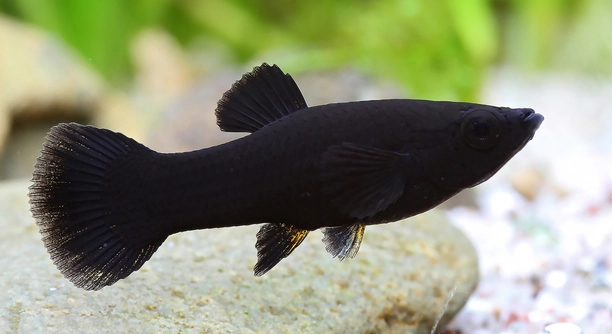
Black Mollies are popular aquarium fish admired for their sleek black color and peaceful nature. Keeping them healthy requires attention to water conditions, diet, and tank mates. Many owners struggle to understand the subtle dangers that threaten them.
Several factors can harm or kill Black Mollies, including poor water quality, sudden temperature changes, overfeeding, incompatible tank mates, inadequate tank size, disease, and stress. Proper care, routine maintenance, and careful observation are essential to prevent these risks effectively.
Learning how to identify and manage these threats ensures a thriving environment. Knowing the causes of harm helps protect your Black Mollies and maintain a balanced aquarium.
Poor Water Quality
Maintaining clean water is essential for Black Mollies. Dirty water leads to stress, disease, and even death. Ammonia, nitrite, and nitrate levels can rise quickly without regular monitoring. It is important to test the water at least once a week. Filtration systems help remove waste and debris. Changing 20–30% of the water weekly keeps conditions stable. Avoid using untreated tap water, as chlorine and heavy metals can harm your fish. Soft or acidic water can also affect their health. Mollies thrive in slightly hard, alkaline water with stable temperature. Observing the water clarity and color can indicate when it needs attention. Regular maintenance prevents sudden spikes in harmful chemicals. Feeding should also be controlled, as uneaten food decomposes and pollutes the tank. Using a water conditioner and checking pH, hardness, and temperature ensures a safe environment. Proper water quality reduces stress and strengthens the immune system, helping Mollies live longer and healthier lives.
Water quality impacts every aspect of a Black Molly’s health. Consistent testing, partial water changes, and proper filtration are key to survival.
Neglecting water quality leads to a chain reaction of health issues. Toxic buildup weakens their immune system and makes disease more likely. Fish may become lethargic, lose appetite, or display abnormal swimming patterns. Stress from poor water conditions can shorten lifespan significantly. Observing behavior and maintaining a routine cleaning schedule minimizes these risks. Simple habits like measuring chemical levels, changing water, and removing waste can prevent serious problems. Even small tanks require attention, as chemicals accumulate faster in limited volumes. Providing a stable environment allows your Mollies to thrive and maintain their natural behavior. By keeping water clean, you protect them from common illnesses like fin rot and ich. Investing time in water management ensures that your fish remain active, vibrant, and healthy, creating a pleasant aquarium experience for both the fish and the caretaker.
Temperature Fluctuations
Sudden changes in temperature can be deadly for Black Mollies. They need a stable environment, ideally between 72–78°F. Avoid placing the tank near drafts or direct sunlight. A heater with a thermostat helps maintain consistency.
Temperature shifts stress Mollies, making them more prone to illness and death.
Cold water slows their metabolism and digestion, while hot water reduces oxygen levels. Rapid changes cause shock, affecting organ function and behavior. Mollies may hide, stop eating, or swim erratically. Even small variations over short periods can trigger stress responses. Monitoring daily and using a reliable thermometer prevents fluctuations. Gradual acclimation is necessary when introducing new water or fish. This involves slowly adjusting temperature differences to avoid shock. Tank placement matters; keep it away from windows, vents, and appliances that emit heat or cold air. Combining a heater, thermometer, and careful monitoring ensures a consistent environment. By stabilizing temperature, Mollies remain healthy, active, and less susceptible to stress-related illnesses, allowing them to grow and display their natural vibrant colors over time.
Overfeeding
Overfeeding is a common issue that harms Black Mollies. Uneaten food pollutes the water, raising ammonia levels. Feeding small portions once or twice a day is enough. Avoid leaving food in the tank for long periods, as it can quickly decay and create toxins.
Feeding too much disrupts digestion and can lead to bloating or swim bladder problems. Mollies naturally eat small amounts throughout the day, so replicating this with measured portions is important. Using a feeding schedule helps control intake. Excess food also promotes algae growth, affecting water quality and oxygen levels. Observing how quickly Mollies consume food allows adjustments to portions. Removing leftovers promptly prevents waste accumulation. Overfeeding stresses their system, making them more vulnerable to illness. Balanced nutrition with controlled portions supports healthy growth and vibrant color. Simple habits like timing feedings and offering appropriate amounts ensure Mollies remain active and healthy.
Controlling food intake is part of proper tank management. Offering only what they can eat within a few minutes prevents overfeeding. Use sinking or floating pellets depending on their swimming behavior. Variety is important—mixing flakes, pellets, and occasional live food provides essential nutrients. Avoid sudden changes in diet, as this can stress the fish. Monitor weight and body shape to detect overfeeding early. By managing food carefully, you maintain water quality, reduce disease risk, and support the natural activity levels of Black Mollies, ensuring a thriving aquarium environment.
Incompatible Tank Mates
Incompatible tank mates can create stress and aggression, harming Black Mollies. Avoid aggressive or larger fish that may nip fins or compete for food. Peaceful, similarly sized fish are ideal companions.
Mollies need calm neighbors to reduce stress. Aggressive fish can chase or injure them, leading to infection or death. Crowded tanks increase tension and competition for resources. Keeping compatible species promotes natural behavior and overall well-being.
Choosing suitable tank mates requires research and observation. Consider temperament, size, and water parameter needs. Avoid mixing mollies with fin-nippers or overly territorial fish. Some livebearers and small tetras work well, while goldfish or cichlids may cause problems. Monitoring interactions during the first days after introduction is essential. Provide hiding spots with plants or decorations to reduce confrontation. Space and layout matter—larger tanks with multiple hiding areas lower aggression. Compatibility ensures Mollies remain active, eat properly, and avoid injuries. Proper selection promotes a peaceful community tank where each species thrives without constant stress or conflict.
Inadequate Tank Size
Black Mollies need space to swim freely. Crowded tanks increase stress and reduce oxygen levels. A minimum of 20 gallons is recommended for a small group. Overcrowding can lead to aggression, weakened immunity, and higher risk of disease, making proper tank size essential.
Small tanks heat up and accumulate waste faster. Limited space restricts movement, causing stress and stunted growth. Adding too many fish overwhelms filtration systems and water quality. Providing sufficient space allows natural behavior and reduces conflict among tank mates. Regular monitoring and adjusting fish numbers keeps the environment healthy.
Disease and Infection
Bacterial, fungal, and parasitic infections can quickly harm Black Mollies. Early detection is key. Watch for unusual spots, frayed fins, or changes in swimming behavior. Quarantining new fish helps prevent introducing illnesses to the main tank.
Stress
Stress weakens immunity and increases vulnerability. Common causes include sudden changes in environment, aggressive tank mates, or poor water conditions. Managing stress improves survival and promotes healthy growth.
FAQ
What is the best water condition for Black Mollies?
Black Mollies thrive in slightly hard, alkaline water with a pH between 7.5 and 8.5. Temperature should be maintained between 72–78°F. Regular water changes of 20–30% weekly help keep ammonia, nitrite, and nitrate levels low. Using a reliable filter and testing water weekly ensures stable conditions. Avoid untreated tap water with chlorine or heavy metals.
How often should I feed my Black Mollies?
Feed small portions once or twice a day. They naturally eat tiny amounts throughout the day, so avoid overfeeding. Only provide what they can consume in 2–3 minutes. Remove leftover food to prevent water pollution. Offering a mix of flakes, pellets, and occasional live or frozen foods ensures proper nutrition.
Can Black Mollies live with other fish?
Yes, but compatibility is important. Peaceful, similarly sized fish work best. Avoid aggressive or fin-nipping species. Livebearers and small tetras are suitable companions, while cichlids or goldfish may cause stress. Provide hiding spots with plants or decorations to reduce conflict. Observing behavior during introduction helps prevent injuries.
How do I prevent disease in my Black Mollies?
Maintain clean water, stable temperature, and proper nutrition. Quarantine new fish before adding them to the tank. Watch for signs like white spots, frayed fins, or abnormal swimming. Avoid overcrowding and ensure good filtration. Early detection and treatment of illness increase survival chances.
What should I do if my Black Molly shows stress?
Stress weakens immunity, making fish more vulnerable to disease. Causes include poor water quality, aggressive tank mates, or sudden changes in environment. Reduce stress by maintaining water parameters, providing hiding spaces, and keeping compatible fish. Observe behavior for changes in activity or appetite.
How large should my tank be?
A minimum of 20 gallons is recommended for a small group. Overcrowding leads to stress, poor water quality, and increased risk of disease. Larger tanks provide space for swimming and reduce aggression. Adjust fish numbers based on tank size to maintain a healthy environment.
Why do Black Mollies die suddenly?
Sudden death often results from poor water quality, rapid temperature changes, overfeeding, incompatible tank mates, or disease. Monitoring water parameters, maintaining consistent temperature, controlling food portions, and choosing suitable tank mates prevents these issues. Early detection of illness is critical for survival.
Can Black Mollies tolerate different temperatures?
They tolerate minor fluctuations but are sensitive to sudden changes. Rapid shifts can shock their system, causing stress or death. Maintain a stable range of 72–78°F using a heater and thermometer. Gradually acclimate them when adjusting water conditions to prevent shock.
How do I maintain water quality easily?
Use a good filter, perform weekly partial water changes, and remove uneaten food promptly. Test water regularly for pH, ammonia, nitrite, and nitrate levels. Adding a water conditioner when using tap water helps eliminate harmful chemicals. Regular maintenance reduces stress and prevents disease.
What is the ideal diet for Black Mollies?
Provide a balanced diet of high-quality flakes or pellets, supplemented with live or frozen foods like brine shrimp or bloodworms. Feed small portions to prevent bloating and maintain water quality. Variety ensures they receive all necessary nutrients for growth, health, and vibrant coloration.
How can I prevent aggression in the tank?
Keep compatible species, avoid overcrowding, and provide hiding spots with plants or decorations. Observing fish behavior during introductions helps reduce fighting. Aggression often occurs when space is limited or dominant fish stress others. Proper management keeps Mollies active and healthy.
Is it necessary to quarantine new fish?
Yes, quarantining new fish for at least two weeks prevents disease from spreading to existing tank members. Monitor for signs of illness before introducing them. Quarantine reduces the risk of bacterial, fungal, or parasitic infections and protects the health of Black Mollies.
What signs indicate a sick Black Molly?
Look for frayed fins, white spots, cloudy eyes, loss of appetite, or unusual swimming patterns. Lethargy or hiding more than usual is also a warning. Early detection allows for prompt treatment and prevents illness from spreading to other tank mates.
How do I reduce stress during tank maintenance?
Perform partial water changes gently, avoid sudden temperature shifts, and minimize disturbances. Provide hiding spots and maintain stable conditions. Stress management supports immunity and overall health, reducing the risk of disease and sudden death in Black Mollies.
Can Black Mollies live in brackish water?
Yes, they tolerate slightly brackish water with some added aquarium salt. Gradually introduce salt to prevent shock. Brackish conditions mimic their natural habitat and can help improve health and reduce certain parasite risks. Monitor fish behavior closely during adjustments.
How long do Black Mollies typically live?
With proper care, they live 3–5 years. Maintaining clean water, stable temperature, proper diet, and low stress extends lifespan. Observing behavior, avoiding overfeeding, and managing tank mates contribute to their long-term health. Regular care ensures they remain active and vibrant throughout their life.
What is the best way to introduce new fish?
Acclimate slowly by floating the bag in the tank for 15–20 minutes to match temperature. Gradually mix tank water into the bag over 30–60 minutes. Release the fish gently to reduce shock and stress. Observing their behavior during the first days helps identify any issues.
How can I tell if the tank is overcrowded?
Fish constantly competing for space, hiding excessively, or showing aggression indicate overcrowding. Overcrowding raises waste levels, reduces oxygen, and stresses the fish. A minimum of 20 gallons for a small group is recommended, with adjustments based on the number and size of fish.
What equipment is essential for Black Mollies?
A reliable filter, heater, thermometer, and water testing kits are essential. Decorations and plants provide hiding spots and reduce stress. Using a water conditioner and performing regular partial water changes ensures a stable and safe environment for healthy Mollies.
How often should I clean the tank?
Partial water changes of 20–30% weekly are ideal. Remove uneaten food, vacuum substrate, and clean the filter as needed. Avoid complete water changes, which can shock fish. Regular maintenance keeps water clean, reduces toxins, and supports long-term health.
What should I do if a fish gets sick?
Isolate the sick fish in a quarantine tank. Identify the disease and provide appropriate treatment, such as medication for bacterial, fungal, or parasitic infections. Maintain clean water and stable conditions. Early intervention prevents spread and improves recovery chances.
How do I maintain oxygen levels?
Ensure proper filtration, avoid overcrowding, and provide surface agitation. Live plants help oxygenate water naturally. Proper aeration prevents stress, keeps fish active, and supports overall health. Monitoring behavior helps detect low oxygen conditions early.
Can stress cause death in Black Mollies?
Yes, chronic stress weakens immunity and increases disease susceptibility. Causes include poor water quality, aggressive tank mates, or sudden environmental changes. Reducing stress through stable conditions, hiding spots, and compatible fish improves survival and long-term health.
How do I prevent algae growth?
Avoid overfeeding, control light exposure, and maintain clean water. Algae competes for oxygen and can affect water quality. Adding live plants or algae-eating fish in moderation helps balance the ecosystem and keeps the tank healthy.
What is the best way to monitor fish health?
Observe swimming patterns, appetite, coloration, and fin condition daily. Regular water testing ensures stable parameters. Early detection of abnormalities allows timely intervention, reducing mortality and promoting long-term health.
Can Black Mollies live with shrimp or snails?
Yes, peaceful invertebrates can coexist if tank size is sufficient. Avoid overcrowding and ensure proper hiding spots. Mollies generally do not harm adult shrimp or snails but may eat very small or baby invertebrates.
How do I acclimate Black Mollies to a new tank?
Float them in the bag for 15–20 minutes to match temperature, then gradually mix tank water over 30–60 minutes. Release gently and monitor for stress. Slow acclimation reduces shock and helps them adjust to the new environment.
What plants are suitable for Black Mollies?
Live plants like java moss, hornwort, and anubias provide hiding spots and oxygenate water. They also help control algae and improve overall tank health. Ensure plants are compatible with tank lighting and water conditions.
How important is regular observation?
Daily monitoring helps detect stress, illness, or environmental issues early. Noticing changes in behavior, appetite, or coloration allows for prompt intervention and reduces the risk of sudden death. Consistent observation is essential for maintaining a healthy aquarium.
What common mistakes should I avoid?
Avoid overfeeding, overcrowding, poor water quality, sudden temperature changes, incompatible tank mates, and skipping quarantine for new fish. Each mistake increases stress, disease risk, and mortality. Following proper care routines ensures Black Mollies remain healthy and vibrant.
How do I maintain a balanced community tank?
Select compatible species, control fish numbers, provide hiding spots, and maintain water quality. Regular feeding and monitoring reduce aggression and stress. A well-managed tank supports healthy interactions and promotes natural behavior among all inhabitants.
Can Black Mollies tolerate tap water?
Only if it is treated with a water conditioner to remove chlorine, chloramine, and heavy metals. Untreated tap water is harmful. Regular testing ensures pH, hardness, and chemical levels remain suitable for Black Mollies.
Caring for Black Mollies requires attention to multiple factors that affect their health and longevity. Water quality is the most important element, as it directly impacts their immune system and behavior. Regular testing for ammonia, nitrite, nitrate, pH, and hardness ensures that the tank remains a safe environment. Partial water changes of 20–30% weekly help prevent toxic buildup, and using a reliable filter maintains cleanliness while removing waste and debris. Temperature stability is equally important, as sudden fluctuations can cause stress or even death. Keeping the water within the recommended range of 72–78°F and avoiding drafts, direct sunlight, or heating devices near the tank helps maintain consistency. Observing fish daily allows you to detect changes in swimming patterns, appetite, or appearance early, which can prevent serious health issues before they become fatal.
Feeding practices play a major role in the overall well-being of Black Mollies. Overfeeding is a common mistake that leads to water pollution, digestive problems, and bloating. Small, measured portions given once or twice daily are sufficient. Offering a balanced diet of high-quality flakes or pellets, supplemented occasionally with live or frozen foods, provides essential nutrients without overloading the tank. Uneaten food should be removed promptly to maintain water quality. Proper feeding also reduces competition among tank mates and prevents aggression. Speaking of companions, choosing compatible species is crucial. Aggressive or larger fish can cause stress or injury, so selecting peaceful, similarly sized fish helps maintain a calm environment. Providing hiding spots with plants or decorations further reduces tension and supports natural behavior.
Stress management and disease prevention are closely linked to the environment and daily care routines. Chronic stress weakens immunity, making fish more susceptible to infections and parasites. Maintaining stable water parameters, providing enough space, and avoiding overcrowding help reduce stress. Quarantining new fish and observing them for signs of illness before introducing them to the main tank protects existing fish. Early detection of disease is key, as bacterial, fungal, and parasitic infections can spread rapidly. Regular maintenance, careful observation, and consistent care are the foundation of a thriving aquarium. Following these guidelines ensures that Black Mollies remain healthy, active, and vibrant, allowing them to live their full lifespan while providing an enjoyable and balanced aquarium environment.

Hello,
If you enjoy the content that we create, please consider saying a "Thank You!" by leaving a tip.
Every little bit helps us continue crafting quality advice that supports the health, happiness, and well-being of pets around the world, for pets of all shapes, sizes, and species.
We really appreciate the kindness and support that you show us!