
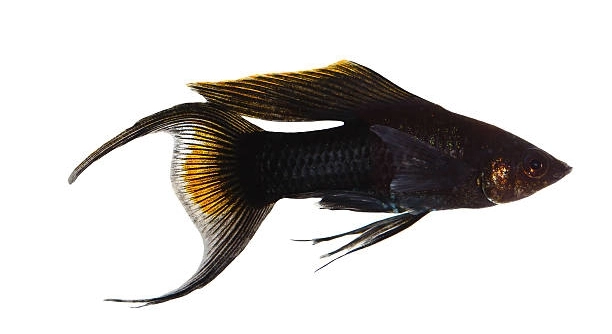
Have you ever observed your black molly swimming energetically near other fish and wondered what it meant? These small, lively fish display unique behaviors that often signal their intentions in the tank. Understanding them can be fascinating.
Black mollies exhibit specific mating behaviors, including chasing, displaying fins, performing S-shaped body curves, and nudging females. Recognizing these patterns allows aquarists to identify readiness for reproduction and better manage breeding within a controlled aquatic environment.
Recognizing these subtle behaviors can make observing your black mollies much more rewarding and help you maintain a balanced, healthy aquarium environment.
Chasing Behavior
Chasing is one of the most noticeable signs of mating behavior in black mollies. Males often swim quickly behind females, nudging or brushing against them gently. This persistent movement is an attempt to gain the female’s attention and show readiness for reproduction. The chase may last several minutes and often occurs near the tank’s middle or top, where the water is more open. Observing the chase helps in distinguishing mating behavior from regular swimming. Males usually become more aggressive during this time, displaying heightened energy levels. It is common for females to either respond positively by slowing down or swim away to avoid the male. Not every chase ends in mating, but repeated patterns over days indicate consistent reproductive behavior. Aquarists often use this observation to identify pairs likely to breed and to ensure the female is not stressed during these interactions. Recognizing this early can prevent unnecessary tension in the tank.
Chasing is an early and clear sign that your black molly male is actively attempting to court a female.
Watching these chases over time provides valuable insight into tank dynamics. It also helps in deciding when to separate pairs for breeding or when to give the female space to reduce stress. Chasing is closely linked to other behaviors such as fin displays and body curves. By noting when and how frequently males chase females, you can anticipate spawning events. Tank conditions, like temperature and water quality, may also influence the intensity of these behaviors. Creating an environment with hiding spots for females ensures that both sexes remain healthy while allowing natural courtship behaviors to occur without harm. This awareness improves breeding success and overall tank harmony.
Fin Display
Fin display is a visual cue that often accompanies chasing behavior. Males spread their dorsal and anal fins, making themselves appear larger and more appealing to females.
A clear fin display signals sexual readiness and dominance, often prompting the female to respond or accept courtship.
Fin displays are part of a series of behaviors aimed at attracting a mate. Males will flare fins while circling or hovering near females, combining movement and color to maximize visibility. This behavior communicates strength and vitality, which are important factors in female selection. Sometimes, males also use fin displays to warn competing males, establishing dominance within the tank. Not all displays lead to mating immediately, but repeated demonstrations usually indicate sustained interest in reproduction. Observing these displays helps aquarists track mating readiness and choose optimal times for breeding. Environmental factors like lighting and tank decorations can influence visibility, making it important to provide clear, open spaces for effective displays. Recording these patterns over time can also assist in monitoring health, as strong, consistent displays indicate a healthy male in good condition.
S-Shaped Body Curves
The S-shaped curve is a common mating signal in black mollies. Males bend their bodies into this shape while approaching females, showing readiness to mate. This posture is often paired with fin displays and gentle nudging, signaling interest without aggression.
Males use the S-shaped body curve as part of their courtship ritual. By bending the body into a distinct S-shape, the male communicates strength and intent to the female. This movement often occurs in close proximity to the female, allowing her to assess the male’s suitability for mating. The behavior is subtle but consistent and usually accompanies chasing, fin spreading, and nudging. Observing these curves over time can indicate when a male is actively attempting to mate, helping aquarists identify compatible pairs.
The S-shaped posture also helps in asserting dominance among males. In tanks with multiple males, those displaying the S-curve more frequently often gain priority over females. It serves as both a mating signal and a territorial display, reducing the need for aggressive fights. Females respond differently depending on their readiness, either slowing down to accept the male’s approach or swimming away to signal non-interest. Recording these interactions helps maintain tank harmony while supporting natural reproductive behavior.
Nudging and Gentle Contact
Nudging is a subtle but important part of black molly mating behavior. Males lightly push or touch females to encourage movement toward spawning areas.
This behavior is often accompanied by chasing and fin displays. Males gently contact females along the sides or near the abdomen to stimulate interest. Nudging is not aggressive; it serves as a tactile signal that guides females and maintains courtship momentum. The frequency and intensity of nudging can indicate male persistence and reproductive readiness.
In addition to courtship, nudging helps males synchronize spawning timing with females. By making gentle contact, the male ensures the female is aware of his presence and encourages her to position herself appropriately. This tactile communication is critical in live-bearing fish like black mollies, where proper alignment affects fertilization success. Observing nudging patterns provides insight into mating readiness and helps aquarists identify the best conditions for breeding. Providing open swimming spaces ensures females can respond naturally without stress, maintaining a balanced environment while supporting reproductive behaviors.
Hovering Near the Female
Males often hover near females, staying close without direct contact. This behavior shows interest and allows the female to become familiar with the male’s presence.
Hovering also signals readiness to mate. It is usually combined with fin displays and gentle nudges, reinforcing courtship intentions.
Color Intensification
During mating behavior, black mollies may darken or intensify their body color. This change makes males more noticeable to females. Color intensification is temporary and usually occurs alongside chasing, fin displays, and S-shaped curves, enhancing the overall courtship display.
Quick Darts and Sudden Movements
Males use rapid darts and sudden movements to attract attention. These quick motions help maintain the female’s focus and indicate high energy levels, which are important in reproductive signaling.
What is the best way to identify mating behavior in black mollies?
Mating behavior in black mollies is most easily identified through a combination of actions. Key signs include chasing, S-shaped body curves, fin displays, nudging, hovering near females, color intensification, and quick darts. Observing these behaviors together provides a clear indication of reproductive activity.
How often do males display these behaviors?
Males can display mating behaviors multiple times a day, especially when females are receptive. Frequency varies based on tank conditions, health, and age. A healthy male may repeatedly chase and display fins throughout daylight hours, pausing only to rest or feed. Recognizing these patterns helps predict potential spawning events.
Do all males show the same intensity of mating behavior?
No, intensity varies among individuals. Some males are persistent and perform continuous chasing and displays, while others show shorter, less frequent behaviors. Age, size, dominance, and tank hierarchy influence how actively a male courts females. Observing multiple males can reveal differences in reproductive strategies.
Can females reject males during mating attempts?
Yes, females can indicate disinterest by swimming away, ignoring the male, or hiding. This behavior prevents unwanted mating and reduces stress. Repeated rejection may signal that the female is not ready to spawn or that the male is not an ideal mate. Females’ responses help maintain balance within the tank.
Does tank setup affect mating behavior?
Tank conditions play a significant role. Clean water, proper temperature, and sufficient space encourage natural behaviors. Hiding spots allow females to retreat and males to exhibit courtship without stress. Overcrowded or poorly maintained tanks can suppress or alter mating displays, making observation less reliable.
How long does mating behavior last?
Mating behavior can last from a few minutes to several hours. Courtship cycles depend on male persistence, female readiness, and environmental conditions. Some males repeat chasing and displays multiple times over several days before spawning occurs, providing ample opportunity for natural selection within the tank.
Do black mollies mate with multiple partners?
Yes, males may court several females if available. This behavior increases reproductive success and ensures genetic diversity. Observing which females respond positively helps determine the most compatible pairings and assists in planning controlled breeding if desired.
Is color change a reliable indicator of readiness?
Color intensification is a strong signal, especially in males. Darker or more vivid coloration often coincides with chasing, fin displays, and body curves. While not the only indicator, color change supports other observed behaviors to confirm reproductive activity.
How can I reduce stress during mating behavior?
Providing open swimming areas, plants for hiding, and stable water conditions minimizes stress. Avoid frequent handling or rearranging tank elements while courtship occurs. Respecting natural behaviors allows males and females to interact comfortably and increases the likelihood of successful spawning.
Are there signs that mating behavior is becoming aggressive?
Occasional chasing is normal, but repeated biting, ramming, or constant harassment indicates aggression rather than courtship. Separating overly aggressive males prevents injury and ensures females remain healthy. Careful observation helps distinguish natural mating activity from harmful behavior, maintaining a balanced tank environment.
Do females show any physical changes during mating?
Females may appear slightly larger in the abdomen if gravid and ready to spawn. Behavioral changes include slowing down in response to male attention or using hiding spaces. These cues, combined with male displays, help identify optimal timing for spawning events.
Can observing mating behavior improve breeding success?
Yes, monitoring all behavioral cues allows aquarists to select compatible pairs, prepare tanks appropriately, and predict spawning timing. Understanding these interactions ensures that both males and females remain healthy while supporting natural reproductive processes. Proper observation enhances both breeding outcomes and overall tank harmony.
What should I do if mating behavior is not occurring?
If behaviors are absent, check water quality, temperature, and tank setup. Ensure the presence of both sexes and that fish are healthy and mature. Adjusting environmental conditions and providing sufficient space often encourages males to begin courtship behaviors naturally.
Are there differences in mating behavior between black mollies and other molly varieties?
While many behaviors are shared, black mollies may exhibit more subtle color changes or specific fin displays compared to other varieties. Observing patterns unique to black mollies helps distinguish their mating rituals from general molly behavior, allowing for more accurate identification and breeding management.
Can these behaviors be observed in community tanks?
Yes, but they may be less obvious if other fish interfere. Males might be distracted, and females may hide more often. Providing dedicated breeding areas or sections within a community tank can improve visibility and reduce stress, ensuring natural behaviors are expressed without disruption.
Do environmental changes affect the timing of mating behavior?
Sudden changes in temperature, light, or water chemistry can delay or suppress mating behavior. Gradual, stable conditions are crucial to encourage natural courtship, allowing males and females to exhibit behaviors in a way that reflects their normal reproductive patterns.
How can I encourage natural courtship behaviors?
Maintain optimal water conditions, ensure enough space for chasing and displays, and provide hiding spots. Feeding a balanced diet supports energy levels necessary for active courtship. Observing and respecting natural interactions increases the likelihood of successful mating and reduces stress in both males and females.
Is it normal for multiple males to compete for one female?
Yes, competition is typical. Males may display, chase, or attempt to dominate others through body postures and fin displays. Female responses often determine which male succeeds, reflecting natural selection and maintaining a balanced social hierarchy in the tank.
Can stress prevent mating behavior entirely?
Stress can suppress all courtship behaviors. Factors like overcrowding, poor water quality, or frequent disturbances may cause males to chase less and females to hide. Reducing stressors restores natural behaviors and allows mating activity to resume, supporting healthier, more active fish.
How long should I observe before determining mating readiness?
Observing for several days provides a reliable picture of behavior patterns. Short-term observation may miss intermittent displays or subtle cues. Tracking interactions over time allows aquarists to distinguish normal courtship from irregular or aggressive activity, ensuring accurate assessment of mating readiness.
What are subtle signs I might miss?
Subtle signs include minor nudges, brief S-shaped curves, and short hovering periods. Color changes may be faint, and chasing may be intermittent. Paying attention to these small behaviors is crucial, as they often indicate readiness before more obvious displays appear.
Can observing mating behavior improve overall tank management?
Yes, understanding natural behaviors aids in arranging tanks, providing hiding spaces, and ensuring water quality. Observing courtship helps identify dominant males, compatible pairs, and potential stress points, creating a healthier and more balanced aquarium environment overall.
Are black mollies seasonal breeders?
Black mollies are not strictly seasonal breeders. With stable water conditions and proper care, they can reproduce year-round. Courtship behaviors will appear whenever conditions are favorable, allowing aquarists to manage breeding cycles at any time.
How do I know if a mating attempt was successful?
Successful mating may be indicated by females showing a slightly rounded abdomen and reduced receptiveness to males afterward. Observing gestation over the following weeks confirms fertilization. Consistent monitoring of post-courtship behavior helps determine reproductive success.
Can mating behavior indicate health issues?
Lack of mating behavior or weak displays can signal poor health, stress, or environmental problems. Strong, consistent courtship usually reflects healthy, well-nourished fish, while absence or lethargy may prompt a review of care practices to improve fish well-being.
Does diet affect mating behavior?
A balanced diet rich in protein supports energy for chasing, displays, and courtship rituals. Poor nutrition can reduce activity, making males less likely to perform mating behaviors. Providing high-quality food encourages natural reproductive activity and helps maintain overall health.
What is the role of observation in breeding black mollies?
Careful observation allows identification of compatible pairs, timing of spawning, and monitoring of stress. Tracking behavioral patterns ensures that males and females interact safely, improving breeding outcomes and maintaining a healthy tank environment. Observation is essential for successful, ethical aquaculture practices.
How do males prioritize females in the tank?
Males often focus on receptive females, chasing those that respond positively and ignoring uninterested individuals. Prioritization reduces wasted energy and increases the likelihood of successful mating, reflecting natural selection in a controlled environment.
Can females influence mating success?
Yes, female responses are critical. Slowing down, accepting nudges, and remaining in proximity to a male increase the chances of successful spawning. Female behavior directly impacts male persistence and ultimately reproductive success in black mollies.
How does social hierarchy affect mating behavior?
Dominant males often have priority access to females, displaying more frequently and successfully than subordinate males. Subordinate males may exhibit less intense behaviors or wait for opportunities, creating a natural balance and reducing conflict within the tank.
Are there long-term benefits to observing these behaviors?
Long-term observation helps track health, compatibility, and breeding success. Recognizing patterns early allows adjustments in tank management, improving reproductive outcomes, reducing stress, and supporting a stable social environment for black mollies.
How can I document mating behavior effectively?
Using notes or videos allows tracking of specific behaviors, frequency, and interactions. Documenting these observations over days or weeks helps identify trends, predict spawning events, and make informed decisions regarding tank management and breeding practices.
Can mating behavior be influenced by other species in the tank?
Yes, the presence of other fish can alter courtship. Non-molly species may distract males, stress females, or interfere with displays. Observing behavior in a semi-isolated section of the tank ensures natural interactions without external interference, preserving reproductive activity.
What is the importance of patience in observing mating behavior?
Patience is essential because behaviors may appear intermittently. Rushing or frequent disturbances can suppress natural activity. Allowing fish to interact on their own timeline ensures accurate observation and supports healthy, stress-free courtship and breeding.
How can I tell if a male is inexperienced?
Inexperienced males may chase less efficiently, show irregular fin displays, or perform weak S-shaped curves. Over time, practice improves courtship skills, allowing these males to better attract females and increase their chances of successful reproduction.
Do environmental changes trigger mating behavior?
Gradual improvements like slightly warmer temperatures or increased lighting can stimulate courtship, mimicking seasonal cues. Sudden changes may have the opposite effect, causing stress and suppressing mating activity. Observing responses helps gauge optimal environmental adjustments for breeding.
Can repeated observation affect fish behavior?
Observing without interference typically does not affect natural behaviors. However, constant tapping on the tank or sudden movements can stress fish and reduce courtship activity. Calm, consistent observation is key to accurate monitoring.
Is it normal for males to display to multiple females simultaneously?
Yes, males often alternate displays among several females. This strategy increases mating opportunities but may lead to competition or conflict if space is limited. Monitoring interactions ensures a healthy balance and prevents excessive stress on any individual female.
Do these behaviors indicate successful mating in wild black mollies?
Yes, the same patterns—chasing, fin displays, S-curves, nudging, and color intensification—are observed in wild populations. These behaviors serve the same purposes: attracting mates, establishing dominance, and coordinating spawning activity. Observing them in captivity reflects natural reproductive instincts.
How can I differentiate mating behavior from aggression?
Mating behavior is usually accompanied by fin displays, nudging, and S-curves without injury. Aggression involves chasing with biting, ramming, or prolonged harassment causing stress. Careful observation of posture, contact type, and female responses helps distinguish between courtship and harmful behavior.
Are there subtle signs that indicate females are ready to spawn?
Females may show a slightly swollen abdomen, reduced swimming activity, and willingness to remain near males. These cues, combined with male displays, indicate optimal conditions for fertilization and successful reproduction within the tank environment.
Can observing mating behavior improve overall fish health?
Yes, monitoring activity levels, interactions, and stress responses provides insight into physical well-being. Active, consistent courtship usually reflects healthy males and receptive females, while irregular or absent behaviors may indicate illness or environmental issues that need attention.
Does tank size affect mating behavior intensity?
Smaller tanks may limit chasing, displays, and hovering, reducing the visibility of behaviors. Larger, well-structured tanks allow natural expression of courtship rituals, providing space for males to chase and females to respond without stress, improving both observation and breeding outcomes.
Can lighting influence mating behavior?
Moderate, consistent lighting enhances visibility of color changes and fin displays. Too dim or overly bright light may reduce courtship activity or stress fish. Adjusting lighting to simulate natural conditions supports healthy mating behaviors and encourages proper interactions.
How important is water quality in mating behavior?
High water quality is critical. Poor conditions can suppress courtship, reduce energy, and stress both sexes. Maintaining clean water, stable parameters, and proper filtration ensures males display naturally and females remain receptive, supporting successful mating.
Do males ever give up chasing females?
Yes, if females consistently reject advances or if energy levels drop, males may pause or redirect attention. Temporary withdrawal is normal and helps prevent exhaustion, allowing courtship to resume later when conditions are more favorable.
Can behavior patterns indicate future spawning success?
Repeated chasing, fin displays, nudging, and S-shaped curves over several days are strong indicators that spawning is likely. Tracking these patterns helps aquarists anticipate reproductive events and prepare the tank to maximize success.
Is it normal for females to hide during courtship?
Yes, females may seek shelter to avoid persistent males. This behavior is natural and reduces stress, ensuring the female remains healthy and capable of spawning when ready. Providing hiding spots supports balanced interaction and prevents conflict in the tank.
Can observation help prevent overbreeding?
Yes, monitoring mating behaviors allows aquarists to separate pairs or manage population growth. Observing when females are ready and males are persistent helps control reproduction and maintain a healthy, balanced aquarium environment.
How can I tell if courtship is proceeding normally?
Normal courtship involves chasing, S-curves, fin displays, nudging, and color changes without injury or extreme stress. Females respond naturally by slowing down or positioning themselves for spawning. Deviations from these behaviors may indicate environmental or health issues that need correction.
Are there differences in behavior between young and mature males?
Younger males may display less consistently and perform weaker fin spreads or shorter chases. Mature males usually exhibit more frequent, vigorous displays, increasing chances of successful mating and dominating in competition with other males.
Can observing mating behavior inform future tank setup?
Yes, noting how males chase, hover, and display helps determine optimal space, hiding areas, and tank layout. Designing the environment to accommodate natural behaviors enhances reproduction, reduces stress, and maintains a harmonious aquarium.
Do these behaviors change after spawning?
After spawning, males often reduce chasing and displays, allowing females to recover. Females may hide more frequently or show decreased receptivity. Observing post-spawning behavior helps track recovery and plan for future breeding cycles.
Is it common for multiple males to display to the same female at the same time?
Yes, simultaneous displays occur in tanks with multiple males. Females respond selectively, and dominant males usually succeed. This competition reflects natural selection and ensures that the most capable males achieve reproduction, maintaining healthy tank dynamics.
Can prolonged observation affect fish stress levels?
Careful, non-intrusive observation typically does not cause stress. Quick movements, tapping, or loud noises may startle fish and suppress behaviors. Calm, patient monitoring ensures accurate observation of courtship without negatively affecting the fish.
Do black mollies display these behaviors differently in smaller versus larger tanks?
In smaller tanks, chasing and hovering may appear compressed, and females have fewer escape options. Larger tanks allow full expression of courtship, more natural spacing, and reduced stress, making behaviors easier to observe and breeding more successful.
Are there environmental cues that trigger mating behavior?
Gradual changes in temperature, lighting, and water quality can stimulate courtship. Stable, favorable conditions encourage males to chase and display, while females become receptive. Sudden changes may suppress activity, making cues important for promoting natural reproductive behavior.
Can females influence which male succeeds?
Yes, female responses guide male success. By slowing down, allowing nudges, or staying near certain males, females indicate preference, helping determine which males achieve successful mating. Female choice is a critical component of natural selection in black mollies.
Does courtship behavior indicate overall fish vitality?
Active courtship usually reflects healthy, well-nourished males and receptive females. Weak, irregular, or absent behaviors may indicate poor health, stress, or unsuitable environmental conditions, making observation a useful tool for monitoring overall vitality.
How can I use observation to improve breeding management?
Tracking behaviors allows identification of compatible pairs, prediction of spawning timing, and assessment of environmental needs. Observation informs tank adjustments, reduces stress, and supports natural reproductive patterns, leading to more successful and healthier breeding outcomes.
Can mating behavior be influenced by the presence of other species?
Yes, other species can distract males or stress females, reducing courtship activity. Providing dedicated areas or partitions helps black mollies interact naturally without interference, ensuring courtship and spawning behaviors occur safely and effectively.
Is it normal for males to show repeated displays to one female over several days?
Yes, repeated displays indicate persistent courtship. Males attempt to gain female acceptance over time, adjusting intensity based on responses. Monitoring these repeated interactions provides insight into readiness for spawning and overall reproductive behavior.
How do I know when to separate fish for breeding purposes?
Separation is considered if aggression escalates, females are stressed, or population control is needed. Observing interactions and responses helps determine when intervention is necessary to maintain a balanced, healthy environment.
Are there behavioral signs that predict successful fry survival?
Consistent, stress-free courtship, proper spacing, and female receptiveness often predict healthy spawning. Providing adequate hiding spots for fry and maintaining water quality post-spawning further ensures higher survival rates. Monitoring behavior helps support successful reproduction from start to finish.
Can observing mating behavior help prevent injury?
Yes, identifying aggressive chasing or persistent harassment allows timely intervention. Separating overly aggressive males or providing additional hiding spaces reduces stress and prevents physical harm to females, maintaining a safe, balanced tank environment.
Do black mollies show variations in mating behavior between individuals?
Yes, individual differences are common. Some males display frequently and intensely, while others are less active. Females may also respond differently depending on preference or stress levels. Recognizing these variations helps manage breeding effectively.
Can stress or illness suppress mating behavior?
Absolutely. Poor health, overcrowding, or unstable water conditions can reduce chasing, fin displays, and S-shaped curves. Ensuring optimal tank conditions and monitoring fish health restores natural reproductive behavior and supports successful mating.
How can I document mating behavior for better breeding outcomes?
Recording observations through notes or videos allows tracking of individual behaviors, frequency, and interactions. This documentation helps predict spawning timing, identify
Observing black mollies and understanding their mating behavior can be a rewarding experience. These fish display a range of actions that signal readiness to breed, such as chasing, fin displays, body curves, nudging, hovering, color changes, and quick movements. Paying attention to these behaviors helps aquarists distinguish natural courtship from aggressive or stressful interactions. Each sign provides useful information about both the male and female fish, their health, and how well they are adapting to the tank environment. Recognizing these behaviors early can prevent misunderstandings about fish interactions and allows for better management of tank dynamics. Even subtle cues, like a gentle nudge or a short hover near the female, can be significant indicators of reproductive activity. Noticing these small actions requires patience and careful observation but provides a clearer picture of how black mollies communicate during courtship. The more time spent observing, the easier it becomes to understand individual personalities and interactions between males and females in the tank.
Proper tank management is essential for supporting natural mating behavior. Water quality, temperature, tank size, and the presence of hiding spots all influence how freely black mollies can display their courtship behaviors. Clean water and stable conditions allow males to chase, perform S-shaped curves, and display fins without excessive stress, while females have the space to respond naturally or retreat if needed. Overcrowded or poorly maintained tanks can reduce activity, suppress mating behaviors, or lead to stress-related issues. Ensuring enough space for movement and providing plants or decorations for shelter creates a comfortable environment where courtship can occur safely. Feeding a balanced diet supports energy levels for males to perform active displays and maintain general health. Observing how environmental changes affect behavior can help aquarists make adjustments, enhancing reproductive success and overall fish well-being. Understanding these environmental factors alongside behavioral patterns gives a comprehensive approach to managing black mollies during mating periods.
Tracking mating behavior over time also helps with breeding management and long-term tank planning. Documenting which males and females respond well to each other, how often behaviors occur, and any signs of stress or aggression provides useful insight. This information can guide decisions about separating aggressive males, introducing additional hiding spaces, or preparing specific breeding areas. Observing repeated behaviors, like consistent chasing or fin displays, indicates readiness for spawning and allows aquarists to plan accordingly. Females’ responses to male courtship are equally important in understanding compatibility and reproductive timing. Consistent observation and careful monitoring improve both the likelihood of successful breeding and the overall harmony of the aquarium. Over time, attention to these details not only enhances reproductive outcomes but also fosters a healthier, more balanced environment for black mollies, ensuring their natural behaviors can be expressed safely and effectively.

Hello,
If you enjoy the content that we create, please consider saying a "Thank You!" by leaving a tip.
Every little bit helps us continue crafting quality advice that supports the health, happiness, and well-being of pets around the world, for pets of all shapes, sizes, and species.
We really appreciate the kindness and support that you show us!