
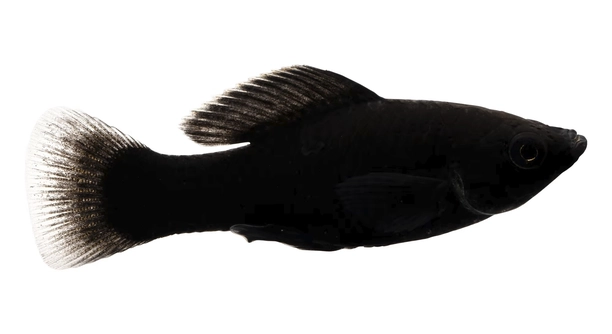
Do your Black Mollies sometimes leap from the tank, leaving you startled and concerned? This behavior can be frustrating, especially when you are trying to maintain a safe and stable environment for your fish in your home aquarium.
Black Mollies jump from tanks primarily due to stress, poor water quality, or insufficient oxygen levels. Sudden environmental changes, high nitrate concentrations, or overcrowding can trigger this instinctive escape response in these freshwater fish species.
Understanding why Black Mollies jump can help you create a safer, healthier tank. Implementing proper care and environmental adjustments can significantly reduce these unexpected leaps.
Common Reasons Black Mollies Jump
Black Mollies are sensitive fish that react strongly to their surroundings. Poor water quality is a major factor. Ammonia, nitrites, or high nitrates can irritate their gills, making them seek escape. Sudden changes in temperature also stress them. In addition, overcrowded tanks limit swimming space and increase aggression among fish, prompting some to leap. Lack of proper oxygen circulation can make them uncomfortable at the surface, increasing the likelihood of jumping. Sometimes, they simply explore and react instinctively to vibrations or shadows outside the tank. Feeding inconsistencies or sudden loud noises can also startle them. Ensuring stable water parameters, maintaining filtration, and keeping the tank covered can reduce jumps. Observing their behavior helps identify triggers, allowing you to make necessary adjustments to create a calm, safe environment that keeps your Mollies healthy and less prone to jumping.
Providing adequate space and stable water conditions greatly minimizes jumping and promotes natural behavior in your Mollies.
Careful attention to tank setup and routine monitoring are essential. Adding plants and hiding spots provides security. Properly spacing fish and maintaining oxygenation reduces stress, keeping Mollies comfortable. Observing daily activity and feeding patterns helps anticipate potential problems before they escalate. Adjusting water temperature gradually and limiting sudden disturbances creates a more stable environment. Even small changes in light or decoration placement can affect them. Covering the tank with a secure lid is a simple step to prevent escapes. Overall, combining careful observation, consistent maintenance, and environmental enhancements supports healthier, calmer fish. Black Mollies thrive when their needs are met, and addressing jumping behavior proactively can prevent injuries and stress-related health issues. Maintaining patience and routine ensures a balanced aquarium environment for your Mollies’ well-being.
Preventing Tank Jumps
Simple adjustments can make a big difference. Ensuring stable water quality, proper oxygenation, and adequate space keeps your Mollies safe.
Adding a tank lid, maintaining gentle filtration, and spacing fish appropriately are key steps. Regular water tests help identify issues early. Gradually acclimating new fish and maintaining consistent feeding schedules reduces stress, while providing plants and hiding areas gives them security. Monitoring water temperature, avoiding sudden changes, and limiting vibrations or sudden noises further protect your Mollies. Combining these practices promotes a stable, calm environment, minimizing jumping incidents and supporting long-term fish health. Creating a safe, structured tank environment encourages natural behavior and reduces risky escapes. Regular attention and maintenance allow you to address small issues before they trigger stress responses. A well-planned aquarium setup ultimately ensures your Black Mollies remain healthy, comfortable, and less prone to jumping, giving you peace of mind.
Adjusting Water Parameters
Stable water conditions are essential. Mollies are sensitive to temperature swings, pH changes, and poor oxygen levels. Keeping these factors steady prevents stress and reduces jumping behavior.
Maintaining water temperature between 24–28°C, pH around 7–8, and low nitrate levels keeps Mollies healthy. Frequent water testing and partial water changes help sustain balance. Using a reliable heater and thermometer ensures consistency. Avoid adding large amounts of water at once, which can shock the fish. Proper aeration and gentle filtration maintain oxygen levels. These steps create a calm environment where Mollies feel secure, lowering the risk of jumps. Attention to detail in water care is key to their wellbeing.
Even minor fluctuations can trigger jumping. Gradual adjustments, consistent monitoring, and attentive care reduce stress. Mollies respond best to stable, predictable conditions. Proper water management supports natural swimming and social behavior while minimizing risks associated with tank escapes.
Enhancing Tank Environment
Providing hiding spots and swimming space is crucial. Plants, decorations, and rocks create security and reduce stress for Mollies.
Mollies benefit from a tank with both open swimming areas and sheltered spaces. Live plants, caves, and floating decorations mimic natural habitats, giving them places to explore or retreat. Overcrowding can increase aggression and stress, so spacing fish carefully is important. Smooth decorations prevent injuries when Mollies jump or swim quickly. A secure tank lid prevents escapes while maintaining ventilation. Lighting should be consistent to avoid sudden disturbances. Properly arranged tanks encourage calm behavior, allowing Mollies to thrive. Creating a balanced environment supports their natural instincts, reduces stress, and minimizes jumping, ensuring a safer, healthier aquarium overall.
Proper Feeding Practices
Overfeeding can stress Mollies and pollute the water. Feeding small, measured portions ensures they get nutrients without harming water quality.
A consistent feeding schedule helps regulate behavior. Avoid dropping large amounts of food at once, as leftover food can decompose and reduce oxygen levels, increasing jumping tendencies.
Monitoring Tank Activity
Observing daily behavior can reveal stress triggers. Active, healthy Mollies swim smoothly and interact with their environment.
Watching how Mollies respond to each other and the tank setup allows early detection of problems. Sudden darting, hiding, or surface gasping may indicate water quality issues, overcrowding, or health concerns. Regular observation helps prevent accidents and reduces stress-related jumps. Adjusting the environment based on these observations ensures a calm, safe habitat.
Choosing Compatible Tankmates
Black Mollies do best with calm, similarly sized fish. Aggressive or overly active species can cause stress and provoke jumps.
Maintaining a peaceful community minimizes conflicts, allows natural behavior, and keeps Mollies comfortable, reducing escape attempts.
FAQ
Why do Black Mollies jump out of tanks even when conditions seem fine?
Even when water parameters appear stable, Mollies can jump due to subtle stressors. Vibrations, reflections, sudden movements, or nearby household activity can startle them. Their natural instinct is to escape perceived threats. Ensuring a secure tank lid and minimizing sudden disturbances helps prevent jumps.
Can poor water quality alone cause jumping?
Yes, poor water quality is a major factor. High levels of ammonia, nitrites, or nitrates irritate gills and cause discomfort. Sudden pH changes or temperature fluctuations also trigger jumping. Regular testing, partial water changes, and careful acclimation maintain stable, comfortable conditions for Mollies.
Do Mollies need specific tank sizes to reduce jumping?
Tank size matters. Overcrowding or insufficient swimming space increases stress. A 20-gallon tank is recommended for a small group of Mollies, with at least 5–6 inches of swimming space per adult fish. More space reduces stress and aggressive interactions, lowering jumping tendencies.
Does oxygen level affect their behavior?
Low oxygen levels make Mollies uncomfortable and more likely to leap. Using aeration devices, proper filtration, and maintaining surface agitation ensures sufficient oxygen. Monitoring dissolved oxygen and avoiding overcrowding keeps the tank safe and reduces escape attempts.
Can lighting or tank setup influence jumping?
Yes. Sudden bright lights or rapid changes in illumination can startle Mollies. Decorations, plants, and hiding spots provide shelter and security. Balanced lighting and carefully arranged plants mimic their natural environment, helping Mollies feel safe and less prone to jumping.
Are certain fish companions better to prevent jumping?
Peaceful, similarly sized tankmates are ideal. Aggressive or overly active fish can stress Mollies, prompting them to jump. Selecting calm species and maintaining proper spacing ensures a harmonious environment that reduces escape behavior.
How often should water be tested?
Testing weekly for ammonia, nitrites, nitrates, pH, and temperature is recommended. Frequent monitoring catches problems early, allowing timely intervention. Consistent checks support a stable environment and reduce stress-induced jumps.
Do feeding habits influence jumping behavior?
Yes. Overfeeding or irregular feeding schedules can cause water pollution or stress. Small, consistent portions keep water clean and fish healthy. Avoid letting leftover food decay, as it can reduce oxygen and trigger jumps.
Will Mollies stop jumping with a tank lid alone?
A lid prevents escapes but does not address stress causes. It is effective as a physical barrier, but stable water parameters, proper tankmates, adequate space, and hiding spots are also necessary to reduce jumping naturally.
How can I identify if a jump was caused by stress or health issues?
Observe behavior before and after the jump. Rapid darting, hiding, loss of appetite, or surface gasping indicate stress or illness. Regular observation, proper care, and attention to water quality help identify triggers and maintain healthy, calm Mollies.
Can environmental changes reduce jumping permanently?
Gradual environmental adjustments, consistent monitoring, and attentive care minimize jumps long-term. Stable water, appropriate tank size, proper oxygenation, and secure decorations all contribute. Creating a predictable, calm habitat ensures Mollies feel safe and reduces the likelihood of sudden leaps.
Are there seasonal factors that affect jumping?
Seasonal temperature shifts or changes in indoor lighting can influence behavior. Maintaining consistent water temperature and light cycles prevents seasonal stress. Using heaters and timers helps Mollies adapt and reduces jumping incidents.
Is jumping more common in young or adult Mollies?
Young Mollies are more agile and curious, sometimes exploring the tank edges. Adults may jump due to stress or overcrowding. Both age groups benefit from proper tank setup, stable water, and secure lids to prevent accidents.
Can jumps cause long-term health problems?
Yes. Frequent jumps risk injuries like torn fins or bruising, and stress weakens their immune system. Addressing causes of jumping and ensuring a safe environment prevents harm and supports overall health.
How can I reduce sudden noises that affect Mollies?
Minimize loud sounds near the tank, such as slamming doors, vacuuming, or banging objects. Placing the aquarium in a quiet, low-traffic area reduces startle responses. Adding plants or decorations can also buffer vibrations, creating a calmer space for the fish.
Do water changes trigger jumping?
Large, sudden water changes can shock Mollies, causing jumps. Partial, gradual water changes maintain stability. Matching temperature and parameters between new and tank water ensures comfort. Regular, careful changes prevent stress and help Mollies adjust smoothly.
Can jumping indicate social stress among Mollies?
Yes. Aggression or competition in overcrowded tanks can provoke leaping. Observing interactions, maintaining proper group sizes, and providing hiding areas reduce social stress, ensuring calmer behavior.
Is there a difference in jumping behavior between male and female Mollies?
Males may display more activity or territorial behavior, sometimes increasing jump frequency. Females are generally calmer but can jump if stressed. Balanced sex ratios and sufficient space help reduce tension and jumping in both sexes.
How do I know if the tank is safe after a jump incident?
Check water parameters, oxygen levels, and inspect for injuries. Review tank setup for hazards, sharp edges, or poor cover. Adjusting the environment and ensuring secure lids prevent future jumps and keep Mollies safe.
Are there any long-term solutions to prevent jumping?
Maintaining stable water conditions, proper tank size, calm companions, adequate hiding spaces, and secure lids provides a long-term solution. Consistent care, observation, and proactive adjustments ensure Mollies remain healthy, calm, and less likely to leap from the tank.
Final Thoughts
Black Mollies are lively and sensitive fish, and their tendency to jump from tanks is often a sign of stress or discomfort rather than misbehavior. They rely heavily on stable water conditions, proper tank setup, and a calm environment to feel secure. Even small changes, like a shift in temperature, sudden movement near the tank, or an increase in tank noise, can prompt a jump. This behavior can seem sudden and frustrating, but it is typically a natural response to perceived threats or an instinctive reaction to an unstable environment. Paying close attention to their surroundings and daily behavior is essential for preventing injuries and keeping them healthy. Creating a stable, predictable habitat allows your Mollies to swim comfortably and interact naturally without unnecessary stress.
Ensuring consistent water quality is one of the most important steps in reducing jumping incidents. Maintaining a proper pH level, monitoring nitrate and nitrite concentrations, and regulating water temperature within recommended ranges are essential. Partial water changes, careful acclimation when adding new water, and using reliable filtration and aeration devices all help create a safe, stable tank environment. Proper tank maintenance also includes avoiding overcrowding, selecting compatible tankmates, and providing enough swimming space. Plants, decorations, and hiding spots are not just for aesthetics—they give Mollies a sense of security and reduce anxiety that can lead to jumps. Regular observation allows you to detect early signs of stress, illness, or environmental issues before they escalate. By combining careful attention to water quality and thoughtful tank design, you reduce the risk of jumping and support overall fish health.
Feeding and routine care also play an important role in preventing jumping behavior. Offering small, measured portions on a consistent schedule keeps the water clean and prevents oxygen depletion caused by decaying food. Observing how your Mollies interact with each other during feeding times can reveal social stress or competition that might contribute to escape attempts. Secure tank lids provide a simple physical barrier, but they work best in combination with stable environmental conditions. Gradual acclimation to changes in lighting, temperature, or decorations further minimizes stress. By addressing the multiple factors that influence Mollies’ behavior—water stability, tank setup, social dynamics, feeding, and observation—you can significantly reduce jumping incidents. With consistent care, attention, and small adjustments over time, your Black Mollies are more likely to remain healthy, comfortable, and content in their home aquarium.

Hello,
If you enjoy the content that we create, please consider saying a "Thank You!" by leaving a tip.
Every little bit helps us continue crafting quality advice that supports the health, happiness, and well-being of pets around the world, for pets of all shapes, sizes, and species.
We really appreciate the kindness and support that you show us!