
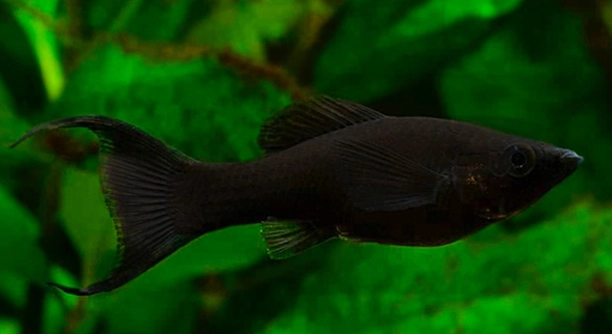
Male and female black mollies can be difficult to tell apart at first glance. Their sleek black bodies and flowing fins make them visually similar, leaving many fishkeepers unsure of which is which in their aquarium.
The most reliable method to distinguish male from female black mollies is by examining the anal fin. Males have a pointed gonopodium used for reproduction, while females possess a fan-shaped anal fin suitable for laying eggs, providing a clear sexual distinction.
Learning these differences ensures proper care and breeding practices for black mollies, helping to maintain a healthy and balanced aquarium environment.
Physical Differences Between Male and Female Black Mollies
Male and female black mollies show subtle but consistent physical differences. Males are typically smaller, slimmer, and more active swimmers than females. Their gonopodium, a pointed anal fin, is easy to spot if you watch closely. Females are larger, rounder, and often more robust in body shape, especially when carrying eggs. Their fan-shaped anal fin is broader and more rounded. Another noticeable difference is the dorsal fin: males often have slightly longer and more pointed dorsal fins, while females have shorter, rounded fins. Color can be similar, though males may appear a bit darker and shinier under bright aquarium light. Observing behavior also helps—males may chase females gently, especially during breeding periods, while females tend to swim in calmer, more deliberate patterns. Identifying these traits early allows for better tank management and reduces accidental breeding in community tanks.
Understanding these differences is key to keeping black mollies healthy and balanced in a shared aquarium environment.
Regular observation of your mollies’ fins, body size, and swimming patterns provides a practical way to identify gender consistently.
Behavioral Differences and Breeding Indicators
Male black mollies are more active in displaying and chasing behavior.
Females show calmer behavior, often staying near plants or mid-tank areas. During breeding, males will approach females frequently, performing subtle displays to gain attention. Females respond differently depending on readiness to mate, sometimes evading or hiding until prepared. Recognizing these patterns prevents stress in the tank, which can affect health and growth. Aggressive or persistent male behavior is normal, but overcrowding may intensify it, so it’s important to monitor tank conditions.
Tracking reproductive cycles helps maintain a stable aquarium. Males may court multiple females, while females may give birth every few weeks. Providing proper nutrition and hiding spots for females ensures they remain healthy and can manage repeated pregnancies. Tank setup also plays a role: adding floating plants and gentle filtration reduces stress. Understanding behavior, combined with physical differences, gives a full picture of gender identification. Regular observation allows timely intervention if conflicts arise and promotes a harmonious environment for all mollies. Breeding practices benefit from accurate gender recognition, ensuring proper pairing and care.
Tank Setup and Environmental Considerations
A well-structured tank helps mollies display natural behaviors. Plants, hiding spots, and gentle water flow allow males and females to coexist without stress. Temperature and pH must remain stable to support their health.
Proper tank conditions prevent aggressive behavior and accidental breeding. Black mollies thrive in temperatures between 72–82°F and a slightly alkaline pH of 7.5–8.0. Floating plants provide cover for females, especially during pregnancy, reducing stress from persistent males. Adequate space prevents overcrowding, as mollies are active swimmers and need room to move freely. Filtration should maintain water quality without creating strong currents that tire the fish. Regular water changes and monitoring help sustain a healthy environment, ensuring both genders maintain proper coloration, activity, and reproductive health.
Mollies respond to environmental changes quickly. Providing a stable habitat with consistent light cycles, plants, and hiding areas ensures calm behavior and supports natural mating patterns. Observing interactions allows adjustments, like adding extra cover or rearranging plants. Gender-specific needs, like protection for pregnant females, are easily managed with thoughtful tank setup. This care promotes longevity and a balanced aquarium where males and females thrive together, displaying natural coloration, activity, and social patterns over time.
Feeding Practices for Male and Female Mollies
Males are more active feeders and may eat slightly faster than females.
Balanced nutrition supports both genders. Black mollies require high-quality flake food, supplemented with live or frozen foods like brine shrimp and daphnia. Protein-rich diets enhance male coloration and vigor while supporting female reproductive health. Overfeeding can lead to water quality issues, so portion control is important. Observing eating behavior helps ensure all fish receive adequate nutrition, especially slower-eating females. Rotating food types maintains variety and prevents deficiencies.
Females need additional nutrients during pregnancy to sustain energy and promote healthy fry. Live plants and occasional vegetable matter, like blanched spinach or zucchini, provide fiber and support digestion. Separating feeding areas can reduce competition, allowing both males and females to eat without stress. Proper feeding practices improve overall health, encourage natural coloration, and reduce aggressive behavior linked to competition. Keeping a consistent feeding schedule benefits growth rates and reproductive success, while attentive monitoring ensures balanced nutrition for a thriving aquarium population.
Health Monitoring and Common Issues
Regular observation helps catch health problems early. Changes in activity, color, or appetite can indicate stress or illness.
Females may appear bloated during pregnancy, but unusual swelling or lethargy should be checked. Males are prone to fin damage from chasing or minor fights, which requires attention to prevent infection.
Water Quality and Maintenance
Stable water conditions are essential for both genders. Weekly water changes of 20–30% keep ammonia and nitrate levels low. Using a reliable test kit helps track pH, hardness, and other key parameters. Consistent temperature, filtration, and aeration prevent stress and support overall health.
Observing Breeding Behavior
Males display constant attention toward females, often swimming alongside and nudging gently.
FAQ
How can I quickly tell a male black molly from a female?
The easiest way to differentiate is by looking at the anal fin. Males have a long, pointed gonopodium used for mating, while females have a broader, fan-shaped anal fin. Body shape also helps—females are rounder, especially when carrying eggs, while males are slimmer and more streamlined.
Do males and females behave differently in the tank?
Yes, behavior is a reliable indicator. Males are often more active and may chase females frequently. Females are calmer and spend more time exploring plants or swimming slowly through the mid-tank. Recognizing these patterns helps manage stress and prevents aggressive interactions.
Is there a size difference between male and female black mollies?
Females are generally larger than males. Their bodies appear more rounded, particularly during pregnancy. Males are smaller, leaner, and display slightly more vibrant coloring, especially when healthy and well-fed. Observing size alongside fins gives a clearer gender identification.
Do males need special care compared to females?
Males are more active and may compete for space, so ensuring enough swimming room is important. They also need a varied diet to maintain bright coloration and energy. Monitoring tank dynamics helps prevent harassment of females.
How can I tell if a female is pregnant?
Pregnant females develop a noticeable rounded belly and may retreat to hiding spots or plants. Their behavior changes slightly, becoming slower or less active. Observing closely ensures proper care during gestation, reducing stress and improving fry survival.
Can black mollies breed in a community tank?
Yes, but managing tank conditions is important. Males may chase multiple females, which can stress them. Providing plants, hiding spots, and adequate space allows females to avoid excessive attention, ensuring healthier breeding and calmer tank dynamics.
How often do females give birth?
Females can give birth every four to six weeks under ideal conditions. Proper nutrition and stable water conditions support regular reproductive cycles. Monitoring for signs of pregnancy allows preparation of hiding areas for fry and protection for the mother.
What should I feed male and female mollies?
A balanced diet is essential. High-quality flake food supplemented with live or frozen foods like brine shrimp and daphnia supports both males and females. Females benefit from occasional vegetable matter to aid digestion, especially during pregnancy. Rotating foods ensures proper nutrition.
How can I prevent aggressive behavior between males and females?
Providing plants, decorations, and sufficient space reduces aggression. Observing interactions and separating overly persistent males temporarily can prevent injury. Proper feeding practices and a well-maintained tank also help maintain peaceful dynamics.
What are signs of stress in black mollies?
Stress indicators include faded color, reduced appetite, clamped fins, and erratic swimming. Both males and females can show stress due to poor water quality, overcrowding, or lack of hiding spaces. Regular observation and tank maintenance help prevent these issues.
Can I keep only males or only females?
Yes, but tank dynamics change. All-male tanks may have minor skirmishes due to territorial behavior, while all-female tanks are generally calmer. Mixed-gender tanks require careful observation to prevent overbreeding and stress. Adjusting population ratios and providing hiding spots helps maintain balance.
Do black mollies need special water conditions?
They prefer slightly alkaline water with a pH around 7.5–8.0 and temperatures between 72–82°F. Stable conditions, regular water changes, and proper filtration are crucial for both male and female health, ensuring proper growth, coloration, and reproductive capability.
How long do black mollies live?
With proper care, black mollies live around three to five years. Maintaining stable water, balanced nutrition, and monitoring health allows both males and females to reach full lifespan while remaining active and vibrant.
Can males harm females during mating?
Males may chase or nudge females, which is normal, but excessive harassment can stress females. Providing plants, hiding spaces, and monitoring interactions minimizes harm and allows females to rest when needed.
Is coloration different between males and females?
Males often appear darker and shinier, particularly under good lighting, while females are slightly lighter. Proper diet, clean water, and low stress help maintain vibrant coloration for both genders.
How do I care for fry from black mollies?
Fry need safe, shallow spaces with fine-leaved plants or breeding boxes to avoid predation. Feeding powdered fry food or baby brine shrimp supports growth. Regular water changes and gentle filtration maintain a healthy environment for young mollies.
Are there any signs of illness specific to males or females?
Males may show fin damage from chasing or fighting, while females can experience bloating unrelated to pregnancy. Monitoring behavior, eating habits, and physical appearance allows early detection and treatment of health issues.
Can black mollies tolerate other fish?
They are generally peaceful but may chase smaller or slower tankmates. Providing adequate space, hiding spots, and monitoring tank interactions ensures male and female mollies coexist comfortably with compatible species.
Do I need to separate males and females outside of breeding?
Separation is not necessary unless males are overly aggressive or females need rest during pregnancy. Providing plants and space usually suffices to maintain balance and reduce stress in a mixed-gender tank.
How often should I monitor the tank for gender-specific issues?
Daily observation is ideal. Checking fins, behavior, and feeding ensures males and females remain healthy. Quick attention to changes prevents minor issues from becoming serious, keeping the tank stable and stress-free.
What is the best way to identify a male quickly in a crowded tank?
Look for the pointed gonopodium on the anal fin and slightly slimmer, darker body. Observing swimming patterns and chasing behavior also helps distinguish males efficiently without handling the fish.
How do females behave after giving birth?
Females may hide more and rest while recovering. They may also eat more to regain strength. Providing plants and maintaining clean water helps the female regain energy and care for her next reproductive cycle.
Can I breed black mollies successfully at home?
Yes, with proper gender identification, tank setup, nutrition, and observation. Ensuring females have hiding spots and a safe environment for fry improves survival and supports healthy breeding practices.
How do I reduce stress in a mixed-gender tank?
Provide plants, decorations, and enough space for movement. Maintain stable water parameters and consistent feeding schedules. Observing interactions allows intervention if males become overly aggressive toward females.
What should I watch for in male black mollies during breeding?
Males display chasing, nudging, and positioning near females. Observing these behaviors helps predict breeding readiness, ensuring the tank environment supports both males and females without causing stress.
How long does it take to distinguish gender confidently?
With careful observation of anal fins, body shape, behavior, and coloration, most owners can reliably identify males and females within a few weeks of consistent monitoring.
Can environmental changes affect gender behavior?
Yes, changes in water temperature, pH, or tank layout can increase male aggression or stress females. Maintaining stable conditions helps both genders behave naturally and prevents health issues.
Is it necessary to count males and females in a community tank?
Yes, a balanced ratio, typically one male per two to three females, reduces stress and excessive chasing. Proper population management maintains harmony and supports successful breeding when desired.
How do I handle fin damage in males?
Minor fin damage usually heals with clean water and minimal stress. Reducing overcrowding, providing hiding spots, and monitoring interactions prevent worsening and promote recovery.
Do females need different care after giving birth?
Yes, females benefit from extra nutrition and stress-free areas post-birth. Hiding spaces and clean water allow recovery while preparing for future reproductive cycles.
How can I prevent overbreeding in a mixed tank?
Monitoring genders, providing hiding areas for females, and maintaining a balanced male-to-female ratio prevents excessive reproduction and reduces stress on the tank’s population.
What is the best way to observe black mollies’ behavior?
Watching during feeding and at different times of the day helps identify natural patterns. Noting interactions between males and females allows proactive adjustments to tank layout or population management.
Can I keep black mollies in a planted tank?
Yes, plants offer cover for females, reduce stress, and allow fry to hide. Dense planting also supports natural behavior for both males and females.
How important is water temperature for breeding?
Stable water temperature between 75–80°F supports healthy reproduction. Sudden fluctuations can stress males and females, reducing fertility and affecting fry survival.
Do males ever stop chasing females?
Males may reduce chasing after females have had time to recover from breeding or if sufficient hiding spots exist. Balanced tank design and monitoring help maintain calm interactions.
How can I make tank life comfortable for females?
Provide space, plants, and gentle water flow. Regular feeding and avoiding overly aggressive males create a low-stress environment that supports natural behavior and reproductive health.
Can black mollies live with other livebearers?
Yes, but monitoring interactions is important. Aggressive males may harass smaller species, and overcrowding can stress females. Providing hiding spots and space mitigates conflicts.
How do I encourage healthy coloration in males?
Balanced diet, clean water, and low stress maintain bright coloration. High-quality protein, occasional live foods, and proper tank conditions keep males looking vibrant while supporting health and activity levels.
Are there differences in lifespan between males and females?
Lifespan is generally similar, around three to five years. Stress, diet, and tank conditions influence longevity. Pregnant females may require extra care to maintain health throughout reproductive cycles.
How can I protect fry in a mixed tank?
Dense plants, breeding boxes, or separate fry tanks keep young safe from adult fish. Feeding small, frequent portions ensures proper growth without exposing fry to predation or competition.
What is the easiest way to manage a male-heavy tank?
Adding hiding spots and increasing the female-to-male ratio reduces chasing and stress. Careful observation and rearranging tank decorations can maintain peace and prevent injuries.
Do black mollies need supplemental lighting for health?
Moderate lighting supports plant growth and natural behavior. Avoid overly intense light that may stress fish, but consistent day-night cycles help regulate activity and feeding patterns.
How often should I trim plants or decorations?
Maintaining clear swimming paths while providing cover ensures both males and females move freely. Occasional trimming prevents overcrowding and allows fry safe spaces.
Can diet affect breeding success?
Yes, high-quality protein and nutrient-rich foods improve male vigor and female reproductive health. Including live or frozen foods supports fry development and overall vitality of adults.
Are males more aggressive during certain times?
Yes, especially when females are ready to mate. Monitoring behavior and providing plants reduces stress on females while allowing males to display natural reproductive behaviors.
What’s the most common mistake in identifying gender?
Mistaking anal fins or body shape leads to incorrect assumptions. Careful observation of fins, size, and behavior together ensures accurate identification for proper care and breeding management.
How long should I wait before introducing new mollies?
Acclimate slowly and ensure enough space to reduce stress. Observing interactions during the first few days prevents aggression and allows smooth integration of males and females.
Can males and females be separated temporarily without stress?
Yes, temporary separation using partitions or breeding boxes allows females rest during pregnancy or recovery, reducing harassment while maintaining stable tank conditions.
How do I know if males are harassing females too much?
Excessive chasing, hiding, or refusal to feed are signs. Adding plants or separating males temporarily protects females and maintains a calm environment.
Do black mollies need supplements for coloration or health?
Occasional supplements like spirulina or vegetable matter support color and overall health. Balanced nutrition and clean water remain the most important factors for both genders.
Can black mollies adapt to different tank sizes?
Yes, but more space allows natural behavior, reduces aggression, and supports breeding. Overcrowded tanks increase stress, affecting both males and females.
How do I prevent diseases in a mixed-gender tank?
Maintain water quality, observe fish daily, and quarantine new arrivals. Clean equipment and regular water changes reduce the risk of illness, ensuring males and females stay healthy.
What is the ideal male-to-female ratio?
One male per two to three females is optimal. This reduces male harassment, supports breeding without stress, and maintains harmony in the tank.
How do I ensure fry survival in a mixed tank?
Provide dense plants, breeding boxes, or a separate nursery tank. Frequent small feedings and gentle water flow protect fry from adults and encourage healthy growth.
Are there seasonal changes affecting breeding?
Stable indoor conditions reduce seasonal impact, but slight temperature and light variations may influence male activity and female readiness to breed. Consistency supports predictable breeding cycles.
What should I do if males fight too often?
Separate aggressive males or increase tank size. Providing hiding spots and rearranging decorations reduces territorial disputes and protects females.
Can I keep mollies with very small fish?
Caution is needed. Active male chasing may stress smaller fish. Tank size, decorations, and monitoring help prevent harm while maintaining peaceful coexistence.
How do I know when a female is ready to give birth?
Her belly becomes noticeably rounded and darkens slightly near the anal fin. She may seek cover or plants for protection during delivery.
What is the best way to introduce a new female to a male-heavy tank?
Add hiding spots, plants, and rearrange decor. Monitor interactions closely for the first few days to prevent harassment and stress.
Can water hardness affect gender behavior?
Yes, slightly alkaline water supports natural activity and breeding. Extreme variations may stress males or females, affecting behavior and health.
How do I maintain balanced coloration in females?
Balanced diet, stable water conditions, and low stress maintain consistent coloration, especially during pregnancy or after giving birth.
Are male displays harmful to females?
Normal chasing and nudging are harmless if females have space and hiding areas. Overcrowding or lack of cover can increase stress.
How can I tell if fry are thriving?
Active swimming, healthy growth, and appetite indicate thriving fry. Dense plants and gentle care promote survival and development.
Do black mollies recognize tank mates?
Yes, they learn behaviors and interactions with other fish, adjusting swimming patterns and social behavior according to tank dynamics.
Can sudden changes in diet affect behavior?
Yes, sudden diet changes may cause stress or reduced feeding. Gradual introduction of new foods helps both males and females adjust without health issues.
How important is routine observation for mixed-gender tanks?
Daily monitoring allows early detection of stress, illness, or aggression. Observing interactions, feeding, and behavior ensures a healthy, balanced environment for males and females.
Do females eat more during pregnancy?
Yes, females require extra nutrition to support gestation. Providing additional food or higher-quality options ensures energy for healthy fry development.
Can males lose color if stressed?
Yes, stress from poor water quality, overcrowding, or illness may fade male coloration. Addressing the cause restores natural vibrancy.
How often should I clean a black molly tank?
Partial weekly water changes and monitoring filtration maintain stable water quality. Regular cleaning prevents disease and supports healthy behavior and coloration.
Do males and females react differently to new tankmates?
Males may display more territorial or mating behaviors, while females may hide or stay calm. Proper space and hiding spots reduce stress during introductions.
Can pregnant females be housed with aggressive species?
It is risky. Aggressive species may stress females or harm fry. Providing safe areas or separate tanks ensures pregnancy safety and fry survival.
How long after birth can a female mate again?
Females may become receptive within a few weeks, depending on recovery and nutrition. Providing rest and hiding areas supports healthy reproduction cycles.
Are there signs of malnutrition in males or females?
Pale coloration, reduced activity, and slow growth indicate insufficient nutrition. Adjusting diet and feeding frequency resolves deficiencies.
How can I manage a tank with multiple males?
Increase hiding spots, rearrange decorations, and maintain a proper male-to-female ratio to prevent constant aggression and stress.
What is the best water temperature for breeding?
Around 75–80°F encourages reproductive activity. Stable conditions reduce stress and promote healthy fry development.
Can I identify gender from juvenile mollies?
It is difficult until they develop anal fin shape and body size. Observing behavior and fin growth over weeks helps determine gender.
How do I prevent females from being overbred?
Limit male access, provide hiding spaces, and monitor interactions. Balanced nutrition and rest periods support female health and reduce stress.
What should I do if a male damages a female’s fins?
Separate temporarily, provide clean water, and monitor healing. Rearranging the tank or adding plants prevents future injuries.
Are there signs of aging in male or female mollies?
Slower swimming, faded coloration, and decreased activity indicate aging. Proper care prolongs health and maintains natural behavior.
How do I handle aggressive interactions during feeding?
Distribute food across multiple areas, monitor competition, and ensure both males and females have access to nutrition. Reduces stress and prevents fighting.
Can diet influence fertility?
Yes, high-quality protein and nutrients support male vigor and female reproductive health, improving fry survival and overall breeding success.
How do I maintain a calm tank environment?
Provide space, hiding spots, proper nutrition, and stable water conditions. Observation ensures males and females coexist without stress or aggression.
What is the safest way to introduce new mollies?
Acclimate slowly, provide hiding areas, and monitor interactions closely. Gradual integration reduces stress and maintains harmony.
How do I know if a male is healthy?
Bright coloration, active swimming, and responsive feeding indicate good health. Fin condition and consistent behavior are also signs of wellness.
Can females refuse males?
Yes, females may hide or evade males if stressed, pregnant, or recovering. Providing plants and space allows natural avoidance.
How do I prevent disease after introducing new fish?
Quarantine new arrivals, monitor behavior, and maintain clean water. Early detection and treatment protect existing males and females.
Can black mollies adapt to community tanks with similar-sized species?
Yes, with careful monitoring. Providing adequate space, hiding spots, and observing interactions prevents stress or aggression between males, females, and other species.
Do males need more attention in a mixed tank?
Observing males helps prevent excessive chasing and ensures they receive proper nutrition. Balanced tank management benefits both genders.
How often should I observe breeding activity?
Daily observation helps track readiness, prevent stress, and ensure both males and females interact without injury.
Can poor water quality affect reproduction?
Yes,
Final Thoughts
Identifying male and female black mollies may seem tricky at first, but paying attention to their physical traits and behavior makes it much easier. Observing the anal fin is the most straightforward method, with males having a pointed gonopodium and females a fan-shaped anal fin. Body shape and size also provide clues—females are generally larger and rounder, especially during pregnancy, while males are slimmer and more streamlined. Even small differences in dorsal fin shape and coloration can help distinguish genders. Taking the time to notice these details will improve tank management and allow for healthier care of both males and females. Watching your fish over days or weeks helps you become familiar with their natural patterns, making gender identification more accurate and stress-free for both you and your mollies.
Behavior is another clear indicator of gender. Males are typically more active and often chase females, displaying mating behavior that is normal but sometimes stressful for the females. Females, on the other hand, tend to be calmer and may spend more time exploring mid-tank areas or hiding among plants. Recognizing these patterns is essential for maintaining a peaceful aquarium environment. Providing adequate hiding spots, balanced nutrition, and stable water conditions supports the health of both genders and reduces aggression. Observing interactions regularly allows you to adjust tank setup or separate individuals when necessary, ensuring that males and females coexist comfortably. Proper care, including attention to feeding practices and water quality, promotes long-term health and natural behavior patterns for your black mollies.
Finally, successful care of black mollies relies on consistent observation, good tank setup, and attentive feeding practices. Maintaining stable water parameters, including temperature and pH, supports both male and female health and encourages natural reproductive behavior. Pregnant females benefit from extra nutrition and hiding areas, while active males require space and proper diet to maintain their vibrant coloration. Understanding the differences between genders allows you to manage breeding, prevent stress, and promote harmonious interactions in the aquarium. Regular monitoring, careful planning, and thoughtful adjustments to the environment ensure that your black mollies remain healthy, active, and visually striking. Taking a patient and methodical approach to gender identification and overall care creates a thriving aquatic environment where both males and females can grow and display their natural behaviors fully.

Hello,
If you enjoy the content that we create, please consider saying a "Thank You!" by leaving a tip.
Every little bit helps us continue crafting quality advice that supports the health, happiness, and well-being of pets around the world, for pets of all shapes, sizes, and species.
We really appreciate the kindness and support that you show us!