
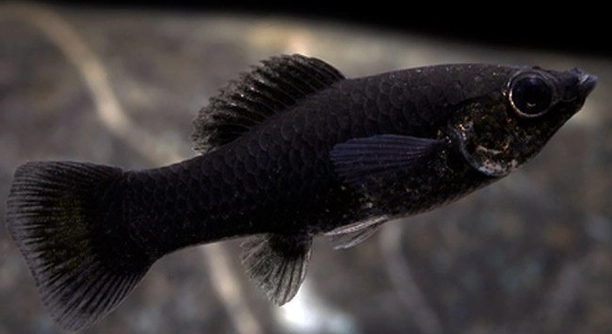
Black Mollies are popular freshwater fish, loved for their dark, shiny appearance and peaceful nature. Many people enjoy keeping them in home aquariums and watching them swim gracefully among plants and decorations.
The average lifespan of a Black Molly is typically three to five years in a well-maintained aquarium environment. Proper care, including stable water conditions, balanced nutrition, and regular tank maintenance, significantly influences their longevity and overall health.
Learning about their lifespan can help you make informed decisions about tank setup, feeding routines, and ensuring a healthy, happy life for your fish.
Factors Affecting Black Molly Lifespan
Black Mollies are sensitive to their environment, and several factors can affect how long they live. Water quality is one of the most important. They need clean, slightly alkaline water with stable temperature and pH levels. Poor water conditions can lead to stress, weakened immunity, and disease. Diet also plays a key role. A mix of high-quality flake food, vegetables, and occasional protein treats helps them stay healthy. Overfeeding or feeding low-quality food can shorten their lifespan. Tank size matters too; small, overcrowded tanks create stress and increase disease risk. Social interactions are another factor. Black Mollies are peaceful but do best with compatible tankmates. Sudden changes in environment, temperature, or water chemistry can shock them, leading to early death. By paying attention to these conditions, you can significantly improve their chances of living a full, healthy life in your aquarium.
Proper care is the most reliable way to maximize a Black Molly’s lifespan.
Stress, poor diet, and unsuitable tank conditions are the main reasons Black Mollies may not live their full lifespan. Monitoring water quality, maintaining stable conditions, and providing balanced nutrition ensures they remain healthy and active. Observing behavior helps detect early signs of illness.
Signs of Aging in Black Mollies
As Black Mollies age, physical changes become noticeable. Their colors may fade slightly, and their fins can appear less sharp or even torn. Growth slows, and older fish may become less active, spending more time near the bottom of the tank or hiding. Appetite can decrease, and they may show sensitivity to water changes that younger fish tolerate easily. Regular observation helps identify these signs early, allowing you to adjust care, such as changing feeding routines or improving water conditions. Aging fish may also become more susceptible to disease, so keeping the tank clean and stress-free is crucial. Paying attention to these changes can improve comfort and prolong life.
Older Black Mollies benefit from gentle care and consistent conditions to stay healthy.
Maintaining an older Black Molly requires attention to both environment and diet. Provide a calm tank with minimal stress, stable temperature, and clean water. Adjust feeding to smaller portions or softer foods if needed. Removing aggressive tankmates helps prevent injury. Regular monitoring of behavior and physical condition allows early detection of illness. Adding plants and hiding spots can give aging fish security and reduce stress. Over time, supplementation with vitamins or specialized foods may support weakened immunity. Consistency is key, as older Mollies struggle with sudden changes. With patient, careful care, Black Mollies can enjoy a comfortable life even in their later years, maintaining activity, color, and vitality for as long as possible.
Tank Setup for Longevity
A spacious tank with at least 20 gallons is ideal for Black Mollies. Provide gentle filtration, stable temperature, and hiding spots. Plants help reduce stress and create a natural environment. Avoid overcrowding to prevent aggression and maintain water quality consistently.
Proper water temperature between 74°F and 78°F is important. Black Mollies prefer slightly alkaline water with a pH around 7.5 to 8.0. Use a reliable heater and test kits to monitor these conditions. Filtration should be gentle to avoid strong currents, as Mollies enjoy calm swimming areas. A combination of live or artificial plants and decorations offers hiding spaces that reduce stress. Regular partial water changes maintain cleanliness and prevent harmful buildup. Choosing the right tankmates ensures compatibility and minimizes conflict, promoting a stable, healthy environment where Black Mollies can thrive for several years.
Substrate and decoration also affect their wellbeing. Smooth gravel or sand prevents injury, and plants provide shelter and comfort. Avoid sharp objects that could tear fins.
Feeding Habits and Nutrition
Black Mollies need a balanced diet of high-quality flake food, supplemented with vegetables and occasional live or frozen protein. Overfeeding leads to water issues and health problems, so small, frequent meals are best.
Vegetables like zucchini, spinach, or peas should be included to support digestion and overall health. Protein sources such as brine shrimp or bloodworms promote growth and vitality. Rotating foods prevents nutritional deficiencies and keeps fish interested in meals. Avoid relying solely on flakes or processed foods, as this can weaken immunity. Feeding once or twice a day in small amounts ensures they eat everything without polluting the tank. Observing their behavior during feeding helps identify health issues early, such as reduced appetite or difficulty swimming. Proper nutrition directly impacts lifespan, coloration, and activity levels.
Hydration and water quality are closely linked to feeding. Uneaten food should be removed promptly to prevent decay. Regular monitoring of water parameters alongside a balanced diet ensures optimal health. Overfeeding or inconsistent feeding schedules can cause bloating, stress, or early mortality. Adjust portions according to tank population and fish size, and consider supplements when needed to maintain vitality. By maintaining these feeding routines, Black Mollies stay active, colorful, and more likely to reach their maximum lifespan.
Common Health Issues
Black Mollies are prone to fin rot, ich, and swim bladder problems. Stress, poor water quality, and overfeeding increase the risk. Early detection through regular observation helps prevent serious complications and improves recovery chances.
Quarantining new fish before adding them to the main tank reduces disease transmission. Keeping water clean and stable supports a strong immune system. Maintaining proper diet and avoiding sudden changes also helps prevent illnesses.
Breeding and Lifespan Considerations
Black Mollies reproduce easily in captivity. Females give birth to live young every four to six weeks. Overbreeding can stress adults and reduce lifespan. Separating fry from adults and maintaining a balanced population helps ensure healthy development and longevity for both parents and offspring.
Behavior Patterns
Black Mollies are social and enjoy swimming in groups. Aggression is rare but can appear in crowded or stressful conditions. Observing their behavior helps identify health issues early and ensures a peaceful tank environment.
FAQ
How long do Black Mollies usually live?
Black Mollies typically live between three and five years in a well-maintained aquarium. Their lifespan depends heavily on water quality, diet, tank size, and overall care. With consistent attention to these factors, some individuals may live slightly longer, but poor conditions can shorten their life significantly.
What is the ideal tank size for Black Mollies?
A minimum of 20 gallons is recommended for a small group of Black Mollies. Larger tanks provide more swimming space, reduce stress, and help maintain stable water conditions. Overcrowding can cause aggression, poor water quality, and increased risk of disease, all of which negatively impact lifespan.
What kind of water conditions do they need?
Black Mollies thrive in slightly alkaline water with a pH of 7.5 to 8.0 and a temperature range of 74°F to 78°F. Stable water parameters are essential, as sudden changes can stress the fish, weaken immunity, and shorten their life. Regular testing and partial water changes maintain a safe environment.
Can Black Mollies live with other fish?
Yes, Black Mollies are generally peaceful and can coexist with other non-aggressive species like guppies, platies, or tetras. Avoid aggressive or fin-nipping fish. Providing hiding spots and plants helps reduce potential stress and territorial disputes, creating a more harmonious aquarium.
How often should I feed Black Mollies?
Feeding once or twice a day in small amounts is ideal. Overfeeding leads to water pollution, obesity, and health issues. Offer a varied diet, including high-quality flakes, vegetables like zucchini or spinach, and occasional protein such as brine shrimp or bloodworms to support growth and longevity.
What signs indicate a Black Molly is aging?
Older Black Mollies may show faded colors, slower swimming, and reduced activity. Fins can become less sharp or slightly torn. Appetite might decrease, and they may react more sensitively to water changes. Observing these changes allows you to adjust care and improve their comfort.
How can I prevent common health problems?
Maintaining clean, stable water and feeding a balanced diet are the best ways to prevent illness. Quarantining new fish, avoiding overcrowding, and removing uneaten food quickly reduce the spread of disease. Regular observation helps detect early signs of fin rot, ich, or swim bladder issues, allowing prompt treatment.
Do Black Mollies need live plants in their tank?
While not mandatory, live plants are beneficial. They provide hiding spots, reduce stress, improve water quality, and encourage natural behaviors. Plants also create a more stable environment, which supports health and can contribute to a longer lifespan.
Can Black Mollies survive in brackish water?
Yes, Black Mollies tolerate slightly brackish water and may benefit from it, especially in community setups with species that prefer mild salinity. Gradually adjusting the salt levels prevents stress, and testing ensures the environment remains safe for all tank inhabitants.
What should I do if my Black Molly looks sick?
Remove the fish to a quarantine tank if possible and assess water conditions first. Treat common illnesses with appropriate medications or natural remedies. Observing behavior and appearance closely helps determine the cause. Early intervention improves recovery chances and prevents spreading illness to other fish.
How does overbreeding affect lifespan?
Frequent breeding can stress female Black Mollies, leading to decreased health and a shorter life. Separating fry from adults, limiting reproduction frequency, and maintaining a balanced population ensures both parents and offspring remain healthy and active.
Can Black Mollies live in cold water?
Black Mollies do not tolerate cold water well. Temperatures below 72°F can slow metabolism, weaken immunity, and increase susceptibility to disease. Maintaining a stable, warm environment is essential for their health and longevity.
What is the best way to introduce new Black Mollies to a tank?
Quarantine new fish for at least two weeks to monitor health. Gradually acclimate them to the tank’s water parameters to reduce stress. Introducing fish slowly and providing hiding spots prevents aggression and helps them adjust to the new environment.
How do I know if my Black Molly is stressed?
Signs of stress include erratic swimming, hiding, clamped fins, or decreased appetite. Poor water quality, overcrowding, aggressive tankmates, or sudden environmental changes are common causes. Addressing these factors promptly improves their wellbeing and extends lifespan.
Is it necessary to supplement their diet?
Supplements are helpful but not always required if the fish receive a balanced diet. Occasional vitamin-enriched foods or plant matter can support health, especially for aging or breeding fish. Supplements help prevent deficiencies that might shorten their life or reduce vitality.
How can I make older Black Mollies more comfortable?
Provide a calm tank, stable temperature, gentle filtration, and ample hiding spots. Adjust feeding with smaller or softer portions. Remove aggressive tankmates and maintain clean water. Consistency and careful attention allow older Mollies to remain active, healthy, and comfortable in their later years.
Do Black Mollies require special lighting?
Standard aquarium lighting is sufficient. Lighting should support plants if present and mimic a natural day-night cycle. Avoid overly bright or constant light, as this can stress the fish. A regular light schedule helps regulate behavior and supports overall health.
How can I prevent fin damage in Black Mollies?
Use smooth gravel or sand as substrate and avoid sharp decorations. Keeping the tank environment calm and limiting aggressive or fin-nipping tankmates reduces the risk of torn fins. Regular observation allows you to catch early signs of damage and treat any issues promptly.
What is the best water change routine?
Partial water changes of 20-30% every week help maintain stable water quality. Frequent testing for ammonia, nitrite, nitrate, and pH ensures safe conditions. Consistent water maintenance prevents stress, disease, and supports long-term health, which is crucial for a full lifespan.
How can I ensure my Black Mollies stay active?
Provide sufficient swimming space, stable water conditions, and regular feeding. Including plants, hiding spots, and compatible tankmates encourages natural behaviors. Avoid overcrowding or sudden changes to reduce stress. Observing activity levels helps detect early health issues. Active fish tend to live longer and remain colorful.
What should I do if a Black Molly stops eating?
Check water quality and tank conditions first. Stress, illness, or poor diet are common causes. Offer varied, high-quality foods in small portions, and observe for other symptoms. Quarantine if illness is suspected. Early action increases recovery chances and protects the rest of the tank.
Can Black Mollies live with shrimp or snails?
Yes, they generally coexist peacefully with snails and most shrimp. Avoid small shrimp that could be seen as food. Adding plenty of plants and hiding places ensures all species can thrive without stress or competition.
Are there signs of overfeeding I should watch for?
Uneaten food on the substrate, cloudy water, bloating, or lethargy are signs of overfeeding. Reducing portions and feeding smaller amounts more frequently prevents these issues. Proper feeding supports health, water quality, and longevity.
Do Black Mollies need frequent tank cleanings?
Yes, regular cleaning is essential. Remove uneaten food, debris, and perform partial water changes weekly. Clean filters as needed. Consistent maintenance prevents buildup of harmful chemicals, reduces stress, and keeps fish healthy throughout their lifespan.
How do I know if my Black Molly is breeding too often?
Frequent births, stressed females, or declining health indicate overbreeding. Limiting reproduction, separating fry, and maintaining balanced tank populations protects both adult fish and offspring. Careful management prevents reduced lifespan caused by repeated reproductive strain.
Can Black Mollies live in a community tank?
Yes, as long as tankmates are peaceful, similar in size, and water requirements match. Avoid aggressive or fin-nipping species. A well-planned community setup allows Black Mollies to thrive, remain active, and live a full lifespan without stress or injury.
What are the signs of a healthy Black Molly?
Bright coloration, active swimming, regular appetite, and clear fins indicate good health. Responsive behavior and smooth breathing are also positive signs. Maintaining stable water, proper diet, and clean conditions helps fish stay healthy and live longer.
Can temperature fluctuations affect lifespan?
Yes, sudden changes in temperature stress Black Mollies, weaken immunity, and increase disease risk. Keeping water consistently within the ideal range supports health, reduces mortality, and ensures longer, more comfortable lives for your fish.
How important is observation in maintaining health?
Regularly watching your Black Mollies helps detect illness, stress, or behavioral changes early. Prompt intervention prevents serious problems and ensures proper care. Observation, combined with proper tank management and diet, is key to supporting a full and healthy lifespan.
Is it necessary to provide hiding spots?
Yes, hiding spots reduce stress and offer security, especially for shy or aging fish. Plants, decorations, or caves create a natural environment that encourages activity, improves wellbeing, and contributes to longevity.
How do I handle a sick Black Molly?
Isolate the fish in a quarantine tank if possible. Identify the problem, adjust water conditions, and provide appropriate treatment. Early action prevents disease spread and increases the chance of recovery, protecting both the sick fish and the rest of the tank.
Can Black Mollies live in tap water?
Yes, if properly treated to remove chlorine, chloramines, and heavy metals. Using a water conditioner and testing parameters ensures the water is safe. Untreated tap water can cause stress, illness, or early death.
Do they need vitamins or supplements?
Supplements can help prevent deficiencies, especially in older or breeding fish. Occasional vitamin-enriched foods support immunity, growth, and overall health. Balanced diet remains the main priority, with supplements as a helpful addition.
How can I encourage natural behavior?
Provide open swimming areas, plants, hiding spots, and compatible tankmates. Proper feeding routines and stable water conditions also promote activity. Observing and adjusting the environment based on behavior encourages healthy, natural movement and interactions.
What is the best way to acclimate new fish?
Float the bag in the tank to equalize temperature, then gradually add small amounts of tank water over one to two hours. This reduces stress and prevents shock, helping new Black Mollies adjust safely.
How do I prevent overcrowding?
Follow tank size guidelines and consider adult size and reproduction rates. Overcrowding stresses fish, increases disease risk, and reduces lifespan. Proper planning and population control maintain a balanced, healthy tank.
Are Black Mollies hardy fish?
They are moderately hardy but require consistent care. Stable water conditions, proper diet, and attention to stress factors are essential. With proper management, they live comfortably for several years.
Do they need aeration?
While not strictly necessary in all setups, aeration improves oxygen levels, especially in heavily stocked tanks. Proper oxygenation supports metabolism, activity, and overall health.
What should I avoid in a Black Molly tank?
Avoid sudden temperature changes, aggressive tankmates, overfeeding, and poor water quality. Sharp decorations or overcrowding can harm fish. Preventing these issues supports longevity and maintains a healthy, peaceful environment.
Can Black Mollies regenerate fins?
Yes, fins can regrow if damage is minor and water conditions are optimal. Stress, infection, or poor water quality can hinder regeneration, so maintaining clean, stable conditions is crucial for recovery.
How can I extend their lifespan?
Consistent care, clean water, stable conditions, a balanced diet, proper tank size, and observing behavior all contribute to longer, healthier lives. Prevent stress and illness, and adjust care as fish age for optimal longevity.
Do Black Mollies need daily observation?
Yes, checking on them daily helps spot illness, stress, or behavior changes. Quick response prevents serious issues and ensures they remain healthy and active. Regular attention supports a full lifespan and overall wellbeing.
Can they live without plants?
Yes, but live or artificial plants provide hiding spots, reduce stress, and mimic natural environments. This supports behavior, comfort, and long-term health, making the tank more suitable for their needs.
How often should I check water parameters?
Weekly testing for pH, ammonia, nitrite, and nitrate is recommended. Consistent monitoring prevents harmful fluctuations and maintains stable, healthy conditions that support a full lifespan.
Are Black Mollies sensitive to light changes?
Yes, sudden or constant light can stress them. A consistent day-night cycle helps regulate activity, feeding behavior, and overall health, promoting longevity in the tank.
What is the best way to remove uneaten food?
Use a net or siphon to remove leftover food promptly. This prevents decay, water contamination, and stress-related illness. Maintaining a clean tank improves health and supports a longer lifespan.
Do they need special care during breeding?
Yes, separating fry from adults prevents stress and predation. Maintaining balanced population levels and monitoring adult health ensures breeding does not reduce lifespan or overall wellbeing.
Can stress shorten their lifespan?
Yes, prolonged stress from poor water, overcrowding, or aggressive tankmates weakens immunity, reduces activity, and increases susceptibility to disease, ultimately shortening life expectancy.
Is it necessary to remove sick fish immediately?
Yes, isolation prevents disease spread and allows targeted treatment. Prompt action improves recovery chances and protects healthy fish in the main tank.
How important is tank maintenance for lifespan?
Consistent cleaning, water changes, and monitoring ensure stable, healthy conditions. Proper maintenance prevents stress, disease, and early death, making it one of the most important factors for Black Molly longevity.
Do they need a specific type of filter?
A gentle filter that maintains water quality without creating strong currents is ideal. This ensures safe swimming conditions and reduces stress, supporting health and a longer lifespan.
Can temperature swings cause illness?
Yes, rapid fluctuations weaken the immune system, making fish prone to disease. Stable water temperature is essential for health and longevity.
How can I tell if they are happy?
Active swimming, regular feeding, bright coloration, and peaceful interaction with tankmates indicate good wellbeing. Maintaining stable conditions and a balanced environment supports these behaviors and a longer life.
Do Black Mollies enjoy tank decorations?
Yes, plants, caves, and gentle ornaments offer hiding spots and exploration opportunities. Decorations reduce stress and improve overall comfort, contributing to health and lifespan.
Is overcrowding the most common cause of stress?
Yes, crowded tanks increase aggression, competition for food, and waste buildup. Providing adequate space and proper population management minimizes stress and supports long-term health.
Can improper diet shorten lifespan?
Yes, lack of variety or low-quality food weakens immunity and slows growth. A balanced diet with vegetables, protein, and flake food ensures vitality and longevity.
Do older fish need special attention?
Yes, older Black Mollies benefit from gentle care, stable conditions, soft or smaller food, and minimal stress. These adjustments support comfort and prolong life in later years.
Can Black Mollies recover from mild illnesses?
Yes, if addressed early. Proper water conditions, medication, and reduced stress support recovery. Delaying treatment increases the risk of complications and early death.
What is the role of hiding spots in reducing stress?
Hiding spots give fish security, reduce exposure to aggression, and allow natural behaviors. This helps maintain overall health, activity levels, and longevity.
Are Black Mollies hardy compared to other freshwater fish?
Moderately hardy, they tolerate minor fluctuations if care is consistent. Stability in water, diet, and environment is key to supporting a healthy lifespan.
How do I manage a large group of Black Mollies?
Provide sufficient space, hiding spots, and maintain stable water parameters. Control reproduction and monitor health regularly. Balanced population management prevents stress and supports long-term health.
Do they need supplements for breeding?
Supplemental foods rich in protein and vitamins improve fertility and fry health. Maintaining a balanced diet remains the main priority, with supplements as additional support.
How can I tell if a fish is stressed or sick?
Erratic swimming, hiding, clamped fins, faded color, and reduced appetite are common signs. Observing behavior daily helps catch issues early for timely care.
Is water hardness important for Black Mollies?
Yes, moderately hard to hard water supports overall health, proper growth, and breeding. Soft water may cause stress and negatively affect longevity if not monitored carefully.
Do Black Mollies require frequent tank rearrangements?
No, stability is more important than constant changes. Occasional adjustments are fine, but frequent rearrangements can stress fish and affect behavior, health, and lifespan.
Can Black Mollies survive in unheated tanks?
They can tolerate cooler water for short periods, but prolonged exposure below 72°F stresses them and reduces immunity. A stable, warm environment is best.
How do I prevent disease in fry?
Keep them in a separate, clean tank with proper water parameters and diet. Avoid overcrowding and monitor closely for early signs of illness. Healthy fry are more likely to survive to adulthood.
Can Black Mollies live with other molly varieties?
Yes, they generally coexist well with other mollies. Ensure compatible water conditions and monitor for overcrowding or competition to maintain a healthy environment.
Do they need live food regularly?
Live food is beneficial but not mandatory. Occasional protein treats like brine shrimp or bloodworms support growth and coloration. Overfeeding live food can lead to water issues.
How do I handle sudden deaths in the tank?
Test water quality immediately, check for signs of disease, and remove any deceased fish. Quarantine new fish and review feeding and maintenance routines to prevent recurrence.
Is it normal for Black Mollies to hide often?
Hiding occasionally is normal, especially during rest or stress. Persistent hiding may indicate illness, poor water conditions, or incompatible tankmates.
How much attention do they need daily?
Daily observation of behavior, feeding, and water conditions is enough. Regular attention ensures early detection of problems and maintains long-term health.
Can Black Mollies live alone?
They can survive alone, but they are social and prefer groups. A small group reduces stress and encourages natural behaviors, contributing to health and longevity.
Are Black Mollies sensitive to chemicals?
Yes, chlorine, heavy metals, and medications can harm them. Always treat tap water and monitor chemical exposure to prevent stress or illness.
Do they need a varied diet for color retention?
Yes, varied foods with vegetables and protein help maintain bright coloration and support overall health. Monotonous diets can dull colors and reduce vitality.
How can I ensure peaceful interactions with tankmates?
Choose compatible, non-aggressive species and provide hiding spots. Monitor behavior and adjust population if needed. A calm environment reduces stress and supports health.
Can water changes be too frequent?
Excessive changes can stress fish. Partial weekly water changes are sufficient. Maintaining stable water parameters is more important than frequent full changes.
**Do Black Mollies require a
Black Mollies are fascinating fish that bring life and color to a home aquarium. Their dark, shiny appearance and gentle behavior make them enjoyable to watch. Understanding their needs and habits is essential for keeping them healthy and helping them live a full lifespan. These fish are sensitive to changes in their environment, so paying attention to water quality, tank size, and temperature is very important. Stable conditions reduce stress, prevent illness, and support overall wellbeing. Proper diet also plays a key role. Providing a mix of high-quality flake food, vegetables, and occasional protein helps them grow strong, maintain vibrant colors, and remain active. Overfeeding or feeding low-quality food can harm their health and shorten their life. With consistent care, Black Mollies can live comfortably for three to five years or longer, giving owners many years of enjoyment and companionship.
Regular observation is another important aspect of care. Watching their behavior, appetite, and physical condition allows you to notice any problems early. Faded colors, clamped fins, or reduced activity can be signs of stress, aging, or illness. Early detection makes it easier to address these issues before they become serious. Maintaining clean water through regular partial water changes, monitoring ammonia and nitrate levels, and keeping a gentle filtration system creates a safe environment for them to thrive. Hiding spots, plants, and gentle tankmates also contribute to their comfort, reducing stress and encouraging natural behavior. Tank maintenance and attention to detail might seem time-consuming, but it directly impacts the quality of life for your fish. Over time, a well-kept aquarium becomes a stable environment where Black Mollies can swim freely, socialize, and remain healthy.
Black Mollies are social fish, and providing proper care can help them maintain activity and comfort throughout their lifespan. Older Mollies require gentle attention, stable conditions, and adjusted feeding routines to stay healthy. Ensuring they are not overcrowded, avoiding aggressive tankmates, and offering soft or small food portions can make a noticeable difference in their later years. Breeding should be monitored carefully to prevent stress on females, and fry should be separated to protect both young and adult fish. By combining proper tank setup, balanced nutrition, observation, and stress prevention, owners can create a comfortable environment that supports longevity. These steps ensure that Black Mollies remain active, colorful, and healthy for years. Taking the time to understand their needs and adjusting care as they grow or age can help create a stable, thriving aquarium, making the experience rewarding for both the fish and the keeper. Proper care allows owners to enjoy watching these peaceful, beautiful fish flourish while knowing they are providing an environment that supports a full and healthy life.

Hello,
If you enjoy the content that we create, please consider saying a "Thank You!" by leaving a tip.
Every little bit helps us continue crafting quality advice that supports the health, happiness, and well-being of pets around the world, for pets of all shapes, sizes, and species.
We really appreciate the kindness and support that you show us!