
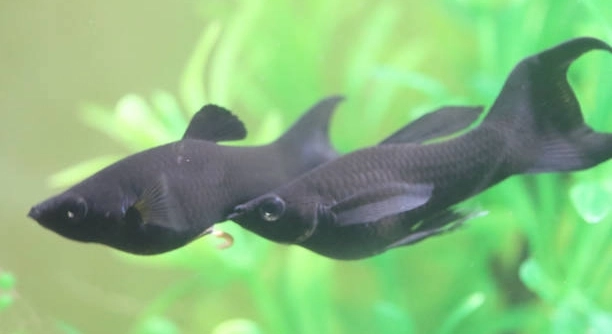
Do you ever find yourself noticing cloudy water or algae building up in your Black Molly tank? Keeping the tank clean is more than just aesthetics; it directly impacts the fish’s health and happiness daily.
Maintaining regular tank cleaning habits is essential for Black Mollies. Consistent water changes, substrate vacuuming, filter maintenance, and careful removal of waste reduce harmful toxins, prevent disease, and create a stable environment that supports the fish’s overall well-being.
Proper cleaning routines not only protect your fish but also make tank maintenance easier and more enjoyable over time.
Regular Water Changes
Changing the water in your Black Molly tank is one of the most important habits you can develop. I try to replace about 20-25% of the water every week. This helps remove waste, uneaten food, and chemicals that naturally build up. Using a dechlorinator is essential to keep the new water safe for the fish. Over time, even small amounts of ammonia and nitrites can stress your Mollies and make them more prone to illness. I always check the water temperature before adding it to the tank, making sure it matches the existing water to avoid shocking the fish. Small, consistent changes are better than waiting too long and doing a large water swap. This routine keeps the tank stable and ensures the fish stay active and healthy. Watching them swim in clean water makes the effort worth it every week.
Maintaining weekly water changes keeps Black Mollies healthier and prevents sudden water chemistry problems.
By consistently performing water changes, you reduce toxins and maintain proper pH and mineral balance. The fish become more active, show brighter colors, and are less likely to get sick. Skipping water changes can lead to stress, stunted growth, or disease outbreaks. Even minor debris or leftover food can cause cloudiness and encourage algae growth if left unchecked. Cleaning and replacing water in small amounts is manageable, and the fish quickly adjust to the routine. Over time, a clean environment supports reproduction and overall vitality.
Cleaning the Filter
A clean filter ensures water circulates efficiently and removes debris effectively.
Filters trap waste and help maintain beneficial bacteria. Regular rinsing prevents clogs and keeps water flowing. A clogged filter can reduce oxygen levels and stress the fish. I rinse the filter parts in tank water, never tap water, to avoid killing bacteria. Checking the filter every two weeks keeps the system running smoothly and prevents sudden breakdowns. Filters also help remove odors, keeping the tank fresh. Proper maintenance extends the filter’s life and supports a stable environment for Black Mollies.
Consistent filter cleaning prevents toxic buildup and ensures water circulation remains strong. Filters are home to helpful bacteria, which break down harmful substances. Ignoring this can quickly affect fish health. I carefully remove the filter media and rinse it in tank water to keep bacteria alive. Reassembling the filter after a gentle rinse keeps the tank safe. A clean filter also reduces cloudy water and slows algae growth. Checking for wear or clogs every few weeks is a simple step that makes a big difference. Healthy water circulation keeps oxygen levels stable and encourages natural fish behavior. Over time, proper filter maintenance prevents the need for emergency cleanups and ensures the fish thrive. Black Mollies are sensitive to changes, so a steady, clean filter helps keep their environment calm and consistent. Small steps in cleaning save a lot of stress later, making tank care feel easier.
Removing Uneaten Food
Uneaten food quickly decomposes and pollutes the water. I always remove leftovers right after feeding to prevent waste buildup.
Leftover food can cloud the water and increase ammonia levels, which is harmful to Black Mollies. I use a small net to scoop out any uneaten flakes or pellets after feeding. Feeding smaller portions helps reduce leftovers and keeps the tank cleaner. Consistent removal of food prevents algae from growing too fast and reduces odor. This habit also helps monitor how much your Mollies are eating, making it easier to notice changes in appetite, which can signal health issues. Over time, less waste makes the tank maintenance routine simpler.
Removing food promptly also protects the filter from clogging. When debris is left behind, filters have to work harder to maintain water quality. I find that cleaning after every meal keeps everything balanced and prevents sudden water chemistry changes. Consistent attention to feeding and waste removal reduces stress on the fish and keeps the tank visually clear. It’s a simple step that significantly improves water conditions and supports healthy behavior in Black Mollies.
Substrate Vacuuming
Vacuuming the substrate removes detritus and prevents harmful bacteria buildup. I do this every other week to keep the tank clean.
Debris often collects in the gravel or sand, hiding uneaten food and waste. I use a siphon to clean the substrate without disturbing the fish too much. This keeps the bottom layer free of rot and reduces the chance of ammonia spikes. Substrate cleaning also prevents cloudiness in the water. Over time, a clean substrate makes the tank smell better and keeps the environment stable.
Regular substrate vacuuming also protects the fish from ingesting harmful particles. Black Mollies often swim near the bottom, and accumulated waste can irritate them or lead to disease. I gently stir and siphon the gravel while keeping water changes consistent. Removing buildup ensures nutrients stay balanced and prevents algae overgrowth. This routine keeps the tank visually appealing and healthy. I notice the fish are more active after substrate cleaning, likely because the environment feels fresher. It takes a little effort, but maintaining clean gravel contributes to the overall long-term health of the tank and makes daily care less stressful.
Checking Water Parameters
I test water regularly to keep pH, ammonia, nitrite, and nitrate levels stable. I log readings to track changes over time.
Consistent monitoring helps catch problems early. Black Mollies thrive in stable water conditions, and testing prevents sudden stress or illness. Adjustments are easier when you notice trends rather than crises.
Cleaning Decorations
Decorations can collect algae and waste. I remove and rinse them in tank water every few weeks. This keeps surfaces free of buildup and prevents harmful bacteria growth.
Trimming Plants
Trimming live plants prevents decay and excess waste in the tank. I cut damaged leaves and thin dense areas regularly to improve water flow and light penetration.
Observing Fish Behavior
Watching the fish daily helps identify health issues early. Changes in swimming patterns, appetite, or social behavior signal potential problems that can be addressed quickly.
How often should I change the water in my Black Molly tank?
I change about 20-25% of the water every week. Weekly water changes prevent harmful toxins from building up and keep the environment stable. Using a dechlorinator ensures the new water is safe. Small, consistent changes are better than occasional large swaps. Over time, this keeps the fish healthy and active.
What is the best way to clean the filter without harming beneficial bacteria?
I rinse the filter media gently in tank water during cleaning. Tap water can kill helpful bacteria, so using water from the tank preserves the ecosystem. I check for clogs and remove debris every two weeks. A clean filter keeps water flowing and oxygen levels stable while supporting a healthy bacterial balance, which is crucial for breaking down waste and keeping ammonia and nitrite levels low.
How do I remove uneaten food effectively?
I use a small net to scoop leftover flakes or pellets right after feeding. Feeding smaller portions helps prevent leftovers. Removing food quickly prevents waste from decomposing, which can cloud the water and increase ammonia. It also slows algae growth and keeps the tank smelling fresh. Watching what the fish eat helps me notice appetite changes, which can indicate health issues. Consistent attention to feeding and cleanup keeps the tank healthier.
How often should I vacuum the substrate?
I vacuum the substrate every other week to remove waste and leftover food trapped in the gravel or sand. This reduces ammonia buildup and prevents harmful bacteria growth. Substrate cleaning also improves water clarity. I stir and siphon gently to avoid stressing the fish. Regular vacuuming keeps the bottom layer clean and helps maintain a balanced environment, supporting overall fish health and making tank maintenance easier over time.
Should I clean decorations and plants regularly?
Yes, I rinse decorations in tank water every few weeks to remove algae and waste buildup. For live plants, I trim damaged leaves and thin dense areas. This improves water flow, light penetration, and reduces decay. Regular maintenance prevents the accumulation of harmful bacteria and keeps the tank visually appealing. Healthy plants also provide hiding spots for Black Mollies and help maintain water quality.
How do I check water parameters at home?
I test pH, ammonia, nitrite, and nitrate using a reliable test kit at least once a week. Logging the readings helps me spot trends and address problems early. Stable water parameters are key for Black Mollies. Small adjustments are easier to manage than sudden large changes. Consistent monitoring prevents stress and keeps the fish active, colorful, and healthy.
What signs show my Black Mollies are stressed or unhealthy?
Changes in swimming patterns, appetite, or social behavior often signal stress. I watch daily for sluggish movement, hiding, or loss of color. Early observation allows me to address issues before they become serious. Stress can come from poor water quality, sudden temperature changes, or overcrowding. By maintaining clean water, stable parameters, and a healthy environment, I reduce these risks. Keeping an eye on behavior is one of the simplest ways to ensure long-term fish health.
Can overfeeding affect water quality?
Yes, overfeeding is a major factor in water pollution. Uneaten food decomposes, raising ammonia and nitrate levels. I measure portions carefully and feed small amounts the fish can eat in a few minutes. Proper feeding habits reduce waste buildup and keep the filter from overworking. Balanced feeding routines improve fish health and prevent cloudy water, foul smells, and algae overgrowth. Observing how quickly the fish consume food helps me adjust portions. Overfeeding is an easy mistake to fix with consistent care.
Is it necessary to maintain a routine for tank cleaning?
Maintaining a routine is essential. I stick to weekly water changes, bi-weekly substrate vacuuming, and regular filter and decoration cleaning. A schedule keeps the tank stable and prevents sudden problems. Black Mollies thrive in a consistent environment. Predictable maintenance also reduces stress on the fish and makes overall care simpler. Following a routine ensures all aspects of the tank, from water quality to plants and decorations, stay healthy, keeping the fish happy and active.
How do I prevent algae growth in my tank?
I control algae by limiting excess food, trimming plants, and keeping up with water changes. Light exposure also matters; I avoid placing the tank in direct sunlight. Regular cleaning of glass, decorations, and filter media keeps algae at bay. Consistency is key, as neglect allows algae to spread quickly. A clean environment improves the tank’s appearance and helps maintain better water quality, which directly benefits the health of my Black Mollies. Algae control is part of overall tank care and prevents additional maintenance problems.
Keeping a Black Molly tank clean is essential for the health and happiness of the fish. Over time, small amounts of waste, uneaten food, and leftover chemicals can build up and create a harmful environment. Regular water changes, substrate cleaning, and filter maintenance help prevent these issues. I have found that when the tank is maintained consistently, the water stays clear, the fish remain active, and the overall tank environment feels more stable. It is easy to overlook small tasks, but consistent effort makes a noticeable difference in the long run. Black Mollies thrive in a clean, balanced habitat, and following simple cleaning habits ensures that they live longer and stay healthy.
Observing the fish daily is another important part of maintaining a healthy tank. Black Mollies give subtle signs when they are stressed or unwell, such as changes in swimming patterns, appetite, or social interactions. By keeping an eye on these behaviors, I can quickly address potential problems before they become serious. Paying attention to their behavior works hand-in-hand with maintaining water quality. A tank that is regularly cleaned and monitored provides a safe and comfortable space for the fish. Consistent care also reduces the chances of algae growth and unpleasant odors. Small routines like removing uneaten food promptly and trimming live plants contribute significantly to the overall health of the tank. Over time, these small actions create a clean, stable environment that supports the fish’s natural behavior.
Developing a regular cleaning routine does not have to be overwhelming. I have found that setting aside a specific day each week for water changes and filter checks makes the process manageable. Substrate vacuuming and decoration cleaning can be spaced out as needed, depending on the tank’s size and the number of fish. Using simple tools like a siphon, a small net, and tank-safe brushes makes the tasks easier and less time-consuming. By maintaining consistent habits, the tank stays visually appealing, the water remains safe, and the fish stay vibrant and healthy. Black Mollies respond well to a stable environment, and investing time in cleaning routines pays off in their activity levels, color, and overall well-being. With regular care and observation, keeping a Black Molly tank clean becomes a simple, manageable part of life, and the benefits for the fish are clear.

Hello,
If you enjoy the content that we create, please consider saying a "Thank You!" by leaving a tip.
Every little bit helps us continue crafting quality advice that supports the health, happiness, and well-being of pets around the world, for pets of all shapes, sizes, and species.
We really appreciate the kindness and support that you show us!