
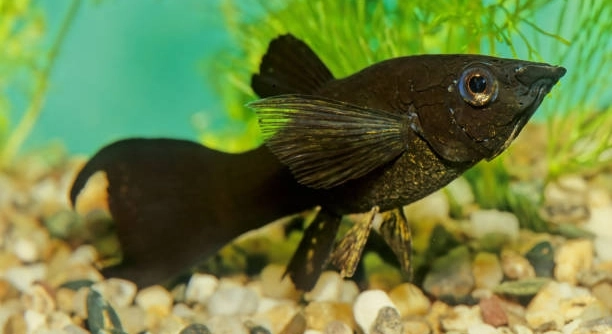
Have you ever noticed your black molly eagerly swimming toward food every time you feed it? Watching them enjoy their meals can be satisfying, but sometimes it is easy to give them more than they actually need.
Yes, black mollies can be overfed. Overfeeding can lead to digestive problems, obesity, poor water quality, and increased risk of disease. Controlling portion sizes and feeding frequency is crucial to maintain the health and well-being of these fish.
Overfeeding might seem harmless at first, but its effects can quickly create bigger problems for your aquarium and your fish.
Signs of Overfeeding in Black Mollies
When I first noticed my black molly gaining weight, I didn’t realize it could be from too much food. Overfed mollies often swim slower and may avoid the top of the tank where food is offered. Their bellies can appear rounder than usual, and sometimes, their scales seem slightly raised. Uneaten food often accumulates at the bottom, clouding the water. This can also lead to algae growth and poor water quality, which stresses the fish further. Watch for frequent bloating or stringy white feces, as these are common digestive signs of overfeeding. Behavioral changes are also noticeable; overfed fish may become less active or more aggressive. Observing your fish regularly helps catch these signs early, preventing long-term health problems. It’s easy to assume fish always need more food, but moderation keeps them healthier and happier. Small, measured portions can prevent overfeeding and maintain a cleaner tank environment.
Overfeeding not only affects individual fish but also impacts the overall tank ecosystem. Uneaten food decomposes quickly.
Balancing feeding routines can feel tricky at first. I learned to split daily portions into two or three small feedings, which keeps my mollies energetic and prevents leftover food from sinking. Using a feeding schedule and observing how quickly the fish eat helps ensure they get enough without going overboard. Avoiding frequent treats and high-fat foods also reduces bloating. Maintaining clean water through regular changes complements proper feeding habits. By watching both behavior and tank cleanliness, it’s easier to notice early signs of overfeeding before serious problems develop. Small adjustments in quantity and timing make a big difference in keeping black mollies healthy and thriving.
How Much to Feed Your Black Molly
A good rule is to feed only what your mollies can finish in about two minutes.
Feeding too much at once leads to leftover food, poor water quality, and increased health risks. Proper portions prevent these problems and support healthy growth.
I measure the food with a small spoon, giving tiny amounts that they eat quickly. Watching them eat ensures no excess remains at the bottom of the tank. I also consider the number of fish and their size when deciding portions. Overfeeding can be avoided by keeping feedings consistent but small. Some days they seem hungrier, but sticking to the measured amount prevents long-term health issues. When I follow this method, my tank stays cleaner, my fish swim actively, and their colors look vibrant. Feeding black mollies properly is as much about consistency as it is about quantity.
Common Health Issues from Overfeeding
Overfeeding can quickly lead to bloating, constipation, and swim bladder problems in black mollies. Their digestion slows, causing discomfort and lethargy. Left unchecked, it can make them more prone to bacterial infections and reduce their lifespan.
I noticed that when my mollies were overfed, they often struggled to swim normally. Bloating was obvious, and some would float awkwardly near the surface. Digestive issues like stringy, white feces appeared more frequently, signaling their bodies were struggling. These health problems often overlap, making it difficult to pinpoint the exact cause without considering feeding habits. Overfeeding also weakens their immune system, making minor infections more severe. Regular observation and adjusting portion sizes helped prevent these issues in my tank.
Behavioral changes are a strong indicator as well. Overfed mollies may hide more or show aggression toward tank mates. Their energy levels drop, and they lose interest in exploring or interacting. Water quality worsens with excess food, adding stress that compounds their health problems. Addressing overfeeding early avoids long-term consequences and ensures black mollies remain active and healthy.
Maintaining a Healthy Feeding Routine
Feeding small amounts twice daily keeps black mollies active and prevents leftover food from polluting the tank. Consistency is key to avoiding health problems and water issues.
I measure the food carefully to match the number and size of my mollies. Splitting the daily portion into two or three feedings ensures all fish eat without leaving excess behind. This routine prevents bloating, constipation, and digestive stress while keeping water clean. I also rotate between flake, pellet, and occasional live food to provide balanced nutrition. Observing how quickly they finish their meals helps me adjust amounts if needed. Regular monitoring and consistent timing make a huge difference in keeping the tank safe and the fish energetic.
Keeping track of tank conditions alongside feeding is essential. Water changes become easier when overfeeding is avoided. Healthy routines reduce stress, maintain vibrant colors, and support proper growth. Over time, my black mollies swim confidently and interact naturally, which reassures me that controlled feeding truly benefits their overall health.
Adjusting Portions Gradually
Reducing food should be done slowly to avoid stressing your mollies. Cutting portions too quickly can cause sudden hunger or digestive problems, so I decreased amounts over a week.
I start by offering slightly smaller portions and observe how they respond. Their activity and waste patterns help guide further adjustments.
Monitoring Behavior and Appetite
Watching your black mollies closely helps detect overfeeding early. Changes in swimming, hiding, or food interest can indicate issues before serious health problems develop. Regular observation ensures their feeding routine remains balanced and safe.
Water Quality and Tank Cleanliness
Overfeeding directly impacts water quality. Uneaten food decomposes, increasing ammonia and nitrite levels, which harms fish. Frequent partial water changes help maintain a healthy environment and reduce stress. Clean tanks make it easier to notice health problems early and prevent complications.
How often should I feed my black mollies?
I feed my black mollies twice a day, once in the morning and once in the evening. Feeding more often tends to lead to leftover food and water problems. Smaller, consistent meals keep them active and prevent bloating or digestive issues. Watching how quickly they finish their food helps me adjust portions without overfeeding.
Can black mollies recover from overfeeding?
Yes, but it takes time and careful monitoring. I gradually reduced their portions and increased water changes to improve tank conditions. Their bloating and digestive problems slowly subsided, and they regained energy. Consistency is key—sudden changes can stress the fish, making recovery slower.
What foods are safest for black mollies?
Flakes and pellets are my main go-to because they are easy to portion. I occasionally add frozen or live foods like brine shrimp for variety. I avoid fatty or overly rich foods because they contribute to bloating. Balancing nutrition with moderation keeps my fish healthy.
How can I tell if my molly is overfed?
Bloating, lethargy, or floating awkwardly are clear signs. I also look for stringy, white feces, which indicate digestion problems. Overfed mollies may avoid swimming to the top or interact less with tank mates. Observing these patterns early helps prevent more serious health issues.
Does overfeeding affect water quality?
Absolutely. Uneaten food decomposes and increases ammonia and nitrite levels. My tank often becomes cloudy when I accidentally overfeed. Regular partial water changes and careful portion control prevent water pollution and protect all tank inhabitants. Clean water is as important as proper feeding.
Can baby mollies be overfed too?
Yes, even fry are sensitive to too much food. I feed them tiny amounts several times a day but only what they can finish in a few minutes. Overfeeding young fish can stunt growth and cause digestive issues. Observing how quickly they eat helps prevent problems.
Should I remove uneaten food immediately?
Yes, I scoop out leftovers to prevent water contamination. Uneaten food decomposes fast, affecting ammonia levels and encouraging algae. Removing it keeps the tank clean and helps monitor actual food consumption. It also reduces the risk of disease linked to poor water quality.
Does overfeeding shorten lifespan?
It can. Overfed mollies are more prone to obesity, digestive problems, and infections. I noticed healthier fish live longer when fed moderate portions consistently. Maintaining a balanced diet and clean environment supports longevity and overall well-being.
Can overfeeding lead to aggression?
Yes, I’ve seen mollies become more competitive over excess food. Overfed fish sometimes chase or nip tank mates, causing stress. Controlling portions reduces this behavior and encourages peaceful interaction, keeping all fish active and comfortable in the same tank.
How do I adjust portions if I have multiple mollies?
I calculate total daily food based on the number and size of my mollies. Dividing into small, even portions ensures each fish gets enough without leaving extra food to decompose. Observing feeding patterns helps me fine-tune the amounts for a balanced, healthy tank.
Is overfeeding worse in smaller tanks?
Yes, smaller tanks accumulate uneaten food faster, affecting water quality. I pay extra attention to portions and water changes in small setups. Even a tiny excess can create toxic conditions, so controlling feeding is especially important in compact tanks.
Can I use automatic feeders safely?
I use them cautiously. Automatic feeders are helpful for consistent portions, but overfeeding can still happen if the settings are too high. Regular observation and occasional manual adjustments are essential to prevent water quality issues and overfed mollies.
How long does it take to correct overfeeding effects?
It depends on severity. Mild overfeeding can improve in a week with proper feeding and water care. Severe bloating or digestive problems may take a few weeks. I make gradual adjustments and track progress to ensure recovery without causing extra stress.
Does stress affect feeding habits?
Yes, stressed mollies may refuse food or overeat when anxious. I maintain a calm tank environment with proper hiding spaces and consistent feeding routines. Reducing stress helps regulate appetite and supports digestive health, preventing overfeeding complications.
Are some mollies more prone to overfeeding than others?
Yes, larger or more aggressive fish often eat more. I monitor which fish finish first and adjust portions accordingly. This prevents dominant mollies from overeating while smaller ones are left hungry. Careful observation keeps all fish healthy and balanced.
Can overfeeding cause reproductive issues?
It can. I’ve noticed that overfed mollies may become sluggish and less interested in mating. Bloating and poor nutrition interfere with reproductive health. Keeping portions moderate ensures they remain active and capable of healthy breeding.
What is the safest way to transition to a lower feeding schedule?
I reduce portions slowly over a week while observing behavior and digestion. Sudden cuts can stress the fish or cause digestive upset. Gradual adjustments paired with clean water and observation make the transition smooth and effective.
Does feeding at the same time each day help?
Yes, consistency improves digestion and prevents overeating. I stick to morning and evening schedules, which keeps my mollies active and reduces waste. Regular timing also helps me monitor their health and adjust portions as needed.
How important is variety in their diet?
Variety prevents nutritional deficiencies without increasing overfeeding risk. I alternate flakes, pellets, and occasional live food. Balanced nutrition supports energy, color, and overall health, while keeping portions controlled ensures no problems with bloating or water quality.
What steps should I take if I notice bloating?
I reduce food immediately, perform partial water changes, and observe their behavior. Avoiding rich foods and keeping portions small helps relieve digestive stress. In severe cases, consulting a vet or fish specialist ensures recovery and prevents complications.
This FAQ addresses the most common concerns I’ve encountered with black mollies and overfeeding, providing practical steps to prevent, observe, and correct feeding issues effectively.
Overfeeding black mollies is a problem that can easily sneak up on you. At first, it might seem harmless to give them a little extra food, especially when they swim quickly to the surface, looking eager. Watching them eat can feel rewarding, and it is tempting to offer more than necessary. However, over time, even small amounts of extra food can create bigger issues. Their digestion can slow down, leading to bloating, constipation, and sometimes more serious problems like swim bladder disorder. Excess food also falls to the bottom of the tank, decomposes, and increases harmful substances like ammonia and nitrites in the water. This can affect not only the overfed fish but also the entire tank ecosystem. Learning to recognize the early signs of overfeeding is crucial. These signs may include lethargy, unusual swimming patterns, rounder bellies, and stringy feces. Observing your fish daily and noticing changes in behavior or appearance can help you catch problems before they become serious.
Creating a proper feeding routine is essential for preventing overfeeding. I’ve found that feeding black mollies small amounts twice a day works well. Splitting the total daily portion into two or three small feedings ensures the fish eat what they need without leaving leftover food in the tank. Measuring the food carefully and adjusting according to the number and size of the fish makes a noticeable difference. Providing a mix of flake, pellet, and occasional live food gives balanced nutrition without overloading their digestive system. I also monitor how quickly the fish finish their meals. If they leave food behind, it’s a signal to reduce portions. Clean water and consistent feeding go hand in hand. Regular partial water changes help maintain water quality and reduce stress on the fish, while proper feeding prevents overfeeding from becoming a recurring issue. Observing tank conditions, fish behavior, and appetite over time allows for small adjustments that keep the fish healthy and the environment stable.
Patience and attention are key to maintaining black mollies’ health. Overfeeding problems do not appear overnight, but they can have lasting consequences if ignored. Gradually reducing portions, keeping a close eye on the fish, and maintaining water quality can reverse many effects of overfeeding. A balanced routine helps them stay active, maintain proper weight, and display vibrant colors. By staying consistent, I have seen my fish thrive, swim confidently, and interact naturally without showing stress or digestive discomfort. Proper feeding is not just about avoiding health issues—it is about creating a stable and supportive environment where black mollies can live long, healthy lives. Small, careful steps in portion control, observation, and water maintenance are all it takes to prevent overfeeding problems and ensure the fish remain happy and energetic in the tank.

Hello,
If you enjoy the content that we create, please consider saying a "Thank You!" by leaving a tip.
Every little bit helps us continue crafting quality advice that supports the health, happiness, and well-being of pets around the world, for pets of all shapes, sizes, and species.
We really appreciate the kindness and support that you show us!