
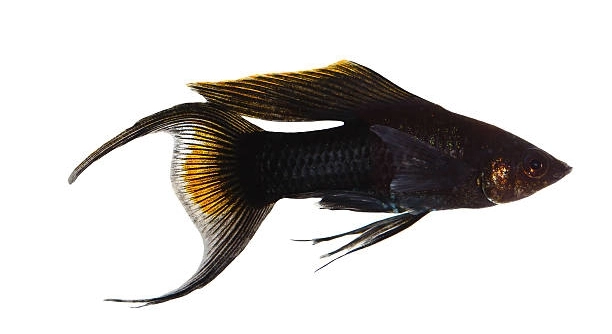
Have you ever noticed your black molly fish suddenly flashing against the sides of the tank or other objects? This behavior can be surprising for many aquarium owners and may leave you wondering what is causing it in your aquarium.
Black molly fish flash against objects primarily due to irritation or stress. Factors such as parasites, poor water quality, or aggressive tank mates can trigger this behavior. It is a common response that signals discomfort and the need for environmental adjustments.
Observing these flashes closely can help you understand your fish’s health and improve their tank conditions for a calmer, healthier environment.
Poor Water Quality
Dirty or poorly maintained water can cause black molly fish to flash against objects. Ammonia, nitrite, and nitrate levels that are too high irritate their skin and gills. Even if the water looks clear, chemical imbalances can stress your fish. Regular water testing and partial water changes are essential to keep your tank safe and healthy. Temperature fluctuations or extreme pH levels can also cause discomfort. Maintaining stable conditions helps your mollies feel secure and reduces flashing behavior. Filtration is another key factor. A filter that is too weak may not remove waste effectively, while a filter that is too strong can create currents that stress your fish. Observing your molly fish daily can help you spot early signs of irritation. By keeping a consistent cleaning schedule and monitoring water parameters, you can prevent many common health issues that lead to flashing against objects.
Consistent testing and cleaning are the easiest ways to ensure your molly fish remain comfortable and healthy.
Taking proactive steps is crucial. Start with weekly water tests and partial water changes, adjusting the filter and temperature as needed. Over time, a stable environment will calm your fish. Watching them adapt and become more relaxed in the tank shows the direct impact of proper care. By controlling water quality, you are not just preventing flashing but promoting overall health, including growth and active swimming. A well-maintained tank also reduces the risk of diseases that can cause flashing. Even minor improvements, like removing uneaten food promptly or checking for hidden waste in substrate, make a difference. Some fish may react strongly at first, but with patience, their flashing behavior decreases. Creating a balanced and stable environment supports both the physical and emotional well-being of your black molly fish, encouraging them to explore the tank safely.
Parasites or Skin Irritation
External parasites can make black molly fish flash against objects to relieve discomfort.
Parasites such as ich or flukes attach to their skin or gills, causing irritation that leads to rubbing or flashing behavior. These infections can spread quickly, so early detection is important. Look for white spots, redness, or tiny moving dots on your fish. Treating the tank with appropriate medications while isolating affected fish often stops the problem. Even minor skin abrasions can trigger this behavior. Proper quarantine procedures for new fish prevent parasites from entering your tank. Maintaining clean water and avoiding overcrowding also reduces the risk. Regular observation helps you notice subtle changes in behavior or appearance, allowing prompt treatment. Some fish may seem fine initially, but continuous flashing can indicate an underlying issue that requires attention. Addressing parasites and irritations not only stops flashing but improves the overall vitality and comfort of your molly fish, ensuring they swim and feed normally without stress.
Aggressive Tank Mates
Aggressive or overly active fish can stress black molly fish, causing them to flash against objects. Constant chasing or nipping makes mollies feel unsafe and prompts them to seek relief by rubbing against surfaces.
Stress from aggressive tank mates can escalate quickly. Mollies are peaceful fish and do best with other calm species. Aggression in the tank often comes from faster or territorial fish that intimidate them during feeding or swimming. Even minor bullying can make a molly fish react by flashing. Providing plenty of hiding spaces like plants or decorations can help mollies feel secure. Overcrowding worsens aggression and increases flashing incidents. Observing interactions closely allows you to identify which fish are causing stress and separate them if needed. Creating a balanced community tank is essential for their comfort.
Frequent stress can weaken mollies’ immune systems. Over time, flashing may lead to injuries or infections if not addressed. Adjusting tank population and arrangement can reduce this behavior, helping your fish feel safe and swim normally.
Overfeeding or Poor Diet
Feeding too much or providing low-quality food can cause digestive discomfort, making black molly fish flash against objects to relieve irritation.
A diet lacking proper nutrients or too high in protein can upset a molly fish’s system. Fluctuating blood sugar or bloating may result, prompting them to rub against objects. Feeding smaller portions multiple times a day instead of one large feeding helps digestion. Using a mix of flake food, frozen foods, and occasional vegetables ensures balanced nutrition. Avoid overfeeding, as leftover food decomposes, worsening water quality and increasing stress. Consistent feeding habits also regulate behavior and reduce flashing caused by discomfort.
Poor diet not only triggers flashing but can impact growth and color vibrancy. Balanced nutrition improves energy levels, strengthens immunity, and stabilizes digestive health. By monitoring portion sizes and feeding schedules, you can prevent unnecessary stress. Observing your mollies after meals helps identify reactions to new foods, and adjustments can be made quickly. Incorporating a variety of foods keeps their diet interesting while providing essential vitamins and minerals. Over time, these simple changes can reduce flashing behavior significantly, leading to healthier, happier fish.
Sharp or Rough Decorations
Sharp or rough surfaces in the tank can injure black molly fish, causing them to flash against objects. Even small scratches can irritate their skin and prompt rubbing behavior.
Smooth decorations and rounded edges reduce the risk of injury. Mollies prefer gentle surfaces they can swim around safely without harming their delicate fins or scales.
Breeding Behavior
During breeding, black molly fish may flash against objects as part of courtship or territorial displays. Males especially can become more active and chase females, resulting in increased rubbing and flashing against tank surfaces.
Stress from Environmental Changes
Sudden changes in temperature, lighting, or water parameters can stress black molly fish. Stress often manifests as flashing, erratic swimming, or hiding. Maintaining a stable, consistent environment is essential for their comfort and long-term health.
FAQ
Why do black molly fish flash against objects only at certain times?
Black molly fish may flash against objects at specific times due to fluctuations in stress, feeding schedules, or water conditions. Often, this behavior occurs after feeding when they are more active or if tank water quality changes slightly. Temperature shifts or sudden lighting changes can also trigger flashing at particular times of day. Observing your tank’s routine and noting when the flashing occurs helps identify patterns and underlying causes. Addressing these environmental or schedule-related triggers reduces the frequency of flashing and keeps your mollies calmer.
Can flashing indicate illness in black molly fish?
Yes, flashing is often a sign of irritation or illness. External parasites, bacterial infections, or fungal issues can cause discomfort, prompting fish to rub against surfaces. White spots, redness, or unusual mucus may accompany the behavior. Early detection is crucial to prevent serious health problems. Quarantining affected fish and treating the tank appropriately can stop the issue. Regular observation and preventive care, including proper water maintenance and balanced nutrition, reduce the risk of illness-related flashing. Paying attention to subtle changes in appearance or activity helps catch problems before they worsen.
Is poor water quality a common reason for flashing?
Absolutely. Ammonia, nitrite, and nitrate spikes irritate fish skin and gills, leading to rubbing behavior. Even small changes in pH or temperature can stress mollies. Consistent water testing, regular partial water changes, and proper filtration are essential to keep conditions stable. Clean water promotes health, reduces flashing, and improves overall behavior. Overfeeding or decaying food can worsen water quality, so monitoring feeding amounts is equally important. Providing a stable, safe environment ensures that flashing caused by poor water conditions is minimized, keeping black molly fish active and comfortable.
Do tank mates affect flashing behavior?
Yes, aggressive or overly active fish can stress black mollies. Constant chasing or nipping triggers flashing as mollies attempt to relieve discomfort. Calm tank companions and sufficient hiding spaces help reduce stress-induced flashing. Observing social interactions allows identification of problematic fish. Separating aggressive individuals or rearranging tank layout can significantly improve your mollies’ comfort. Stress affects not only behavior but also immunity and overall health, so managing tank mates is a critical part of preventing flashing. Creating a balanced community tank supports peaceful swimming and reduces incidents of rubbing against surfaces.
Can diet influence flashing in black molly fish?
Diet plays a role in flashing behavior. Overfeeding or low-quality food can upset digestion, leading to discomfort that makes fish rub against objects. Balanced nutrition with flakes, frozen foods, and vegetables supports digestive health. Feeding smaller portions multiple times a day prevents bloating and reduces flashing. Monitoring reactions to new foods helps identify sensitivities. Consistent feeding habits improve energy levels and reduce stress-related behavior. Providing a varied diet not only keeps your fish healthy but also minimizes irritations that trigger flashing.
How do environmental changes cause flashing?
Sudden shifts in water temperature, lighting, or pH can stress black molly fish. Stress often manifests as flashing, erratic swimming, or hiding. Gradual adjustments in environment and consistent monitoring reduce these stress responses. Ensuring stability in tank conditions is key to calming your fish and preventing repetitive rubbing behavior. Regularly checking water parameters and keeping the tank routine consistent allows mollies to feel safe and minimizes sudden stress-related flashing.
When should I be concerned about flashing?
Flashing is concerning if it is frequent, severe, or accompanied by visible signs of illness such as fin damage, lethargy, or color changes. Persistent flashing indicates irritation, stress, or disease that requires intervention. Immediate steps include testing water quality, isolating affected fish, and treating possible infections. Early action prevents worsening health issues. Observing behavior closely and addressing environmental, dietary, or social factors can stop flashing before it causes lasting harm. Keeping a record of incidents can help identify triggers and improve care strategies.
Can tank setup prevent flashing?
Yes, a well-planned tank helps prevent flashing. Smooth decorations, adequate hiding spots, and appropriate tank size reduce physical injury and stress. Stable water parameters, suitable lighting, and compatible tank mates all contribute to comfort. Proper setup creates a safe environment, allowing black molly fish to swim normally without irritation. Paying attention to layout and environmental consistency minimizes flashing behavior and supports overall health. Consistent maintenance, including cleaning, feeding, and observation, complements tank design to keep fish calm and healthy.
Does breeding increase flashing?
Breeding periods can increase flashing behavior. Male black mollies may chase females or compete for territory, causing more rubbing and flashing against objects. Providing enough space, hiding areas, and separating overly aggressive fish reduces stress. Breeding-related flashing is typically temporary and linked to natural reproductive behavior. Observing interactions and maintaining a safe environment during this period ensures fish remain healthy and minimizes injury.
How can I reduce flashing long-term?
Long-term reduction of flashing involves consistent water care, a balanced diet, appropriate tank mates, and stable environmental conditions. Regular observation, preventive treatments for parasites, and minimizing sudden changes in the tank all help. A thoughtful approach to tank maintenance and fish health ensures black mollies are comfortable, reducing stress-induced flashing over time. Addressing issues early and creating a calm, safe environment supports both behavior and overall vitality.
Black molly fish flashing against objects is a behavior that can be alarming at first, but understanding the reasons behind it makes it easier to manage. This behavior usually signals stress, irritation, or discomfort. Many factors contribute, from poor water quality and parasites to aggressive tank mates or dietary issues. Observing your fish closely and taking note of when and how often they flash can give you important clues about what may be wrong. For example, if the flashing happens after feeding, it could indicate digestive discomfort, while frequent rubbing near tank decorations may point to rough surfaces or injury. Knowing the root cause allows you to take targeted action rather than guessing or making changes randomly, which could worsen the problem. Over time, consistent care and attention help mollies feel more secure and reduce this behavior.
Maintaining a stable and healthy environment is key to preventing flashing in black molly fish. Regular water testing and partial water changes are essential to keep ammonia, nitrite, and nitrate levels low. Keeping temperature and pH stable also plays a big role in reducing stress. Smooth decorations and plenty of hiding spaces help prevent injuries and provide security, especially if you have more active or aggressive tank mates. A balanced diet and appropriate feeding schedule ensure that digestive issues are minimized, which in turn helps reduce flashing caused by discomfort. Quarantining new fish before adding them to your tank can prevent parasites and illnesses from spreading. Small steps, like promptly removing uneaten food and observing interactions, may seem minor, but they make a big difference over time in preventing flashing behavior.
Watching your black molly fish and responding to their needs fosters a calmer and healthier environment. Flashing is often a warning sign, not just a random behavior, so addressing the factors causing it benefits your fish’s long-term health. Taking proactive measures, such as improving water quality, adjusting diet, and ensuring peaceful tank conditions, keeps mollies comfortable and allows them to swim naturally. Over time, these efforts help reduce flashing and support growth, immunity, and general vitality. Consistency in care and attention to detail builds trust between your fish and their environment, creating a space where they can thrive. By staying observant and responsive, you ensure your black molly fish are healthier, more active, and more vibrant, while minimizing stress-related behaviors like flashing.

Hello,
If you enjoy the content that we create, please consider saying a "Thank You!" by leaving a tip.
Every little bit helps us continue crafting quality advice that supports the health, happiness, and well-being of pets around the world, for pets of all shapes, sizes, and species.
We really appreciate the kindness and support that you show us!