
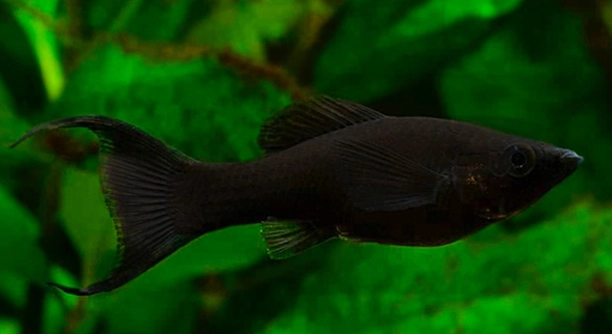
Many fish owners form strong bonds with their black mollies, noticing subtle changes in behavior or appearance over time. These shifts can indicate underlying health problems that may need immediate attention from their caretaker.
Black mollies exhibit several clear signs when nearing the end of life, including lethargy, loss of appetite, clamped fins, irregular swimming patterns, pale or faded coloration, labored breathing, and unusual spots or lesions. Recognizing these indicators allows timely intervention to improve their condition.
Learning to spot these signs early can make a meaningful difference in your fish’s well-being. Paying attention to details often helps prevent irreversible health decline.
Lethargy and Reduced Activity
When a black molly begins spending more time at the bottom of the tank or hides in corners, it is often a sign of illness. These fish are usually active swimmers, exploring plants and decorations. A sudden drop in movement indicates stress or physical discomfort. Ill fish may float listlessly, ignore companions, or respond slowly to feeding. Environmental factors such as poor water quality, improper temperature, or sudden changes in pH can also cause lethargy. Observing these changes early helps prevent worsening conditions. Ensuring clean water, maintaining a stable temperature, and providing a balanced diet can improve their activity levels. Monitoring interactions with other fish is equally important, as bullying or overcrowding can intensify stress. Even subtle signs, like reduced curiosity about their surroundings or hesitancy to swim, deserve attention.
Lethargy in black mollies is often a warning signal of declining health, requiring immediate environmental adjustments and attentive care to reduce stress and promote recovery.
Watching your molly regain its energy can be rewarding. Consistent care often restores natural swimming and behavior patterns over time.
Loss of Appetite
A sudden refusal to eat is a strong indicator of health issues in black mollies. Loss of appetite can stem from internal problems such as digestive blockage, parasites, or infections. Environmental stressors, including overcrowding or abrupt changes in water parameters, may also affect feeding behavior. When fish stop eating, their immune system weakens, making them more vulnerable to secondary infections. Observing feeding times closely allows you to spot gradual changes before they become critical. Offering a variety of foods, from flake to frozen options, can sometimes encourage eating.
Fish refusing food consistently should be evaluated for illness. Checking water quality, adjusting feeding routines, and isolating sick individuals when necessary can help prevent further decline. Regular monitoring and small, frequent feedings may stimulate appetite.
Addressing appetite loss promptly often improves survival chances. Ensuring clean water, stable temperature, and a stress-free environment allows black mollies to regain their interest in food naturally, supporting their overall health and energy levels.
Clamped Fins
Clamped fins occur when a black molly holds its fins close to the body instead of spreading them naturally. This is often a response to stress, illness, or poor water conditions. Persistent clamping signals that the fish may be struggling and needs attention.
Fins are essential for swimming and balance. When a molly keeps them folded, it limits mobility and reduces its ability to explore the tank. Causes can include bacterial or fungal infections, poor nutrition, or sudden changes in temperature. Observing clamped fins alongside other symptoms such as lethargy or faded coloration can help identify the severity of the problem. Correcting water parameters, ensuring proper diet, and isolating affected fish can help recovery.
Even short-term clamping is worth noting, as it may indicate an early-stage health issue. Regular observation of fin condition, combined with clean water and consistent care, allows mollies to regain normal fin posture and swim comfortably again.
Irregular Swimming Patterns
Erratic swimming, such as darting, spinning, or floating at odd angles, often indicates stress or illness in black mollies. These behaviors suggest discomfort or internal problems, and they should not be ignored.
Irregular swimming can result from parasites, infections, or imbalances in water chemistry. Fish may struggle to maintain orientation, bump into decorations, or linger at the water surface. Sometimes, these behaviors appear before other symptoms, making early detection possible. Monitoring tank conditions, testing water regularly, and observing interactions with other fish can reveal the root cause. Isolation of affected fish may prevent further stress and allow for targeted treatment.
Correcting irregular swimming involves addressing both environmental and health-related factors. Stabilizing temperature, ensuring proper oxygen levels, and providing high-quality food supports recovery. Treatments for internal parasites or bacterial infections may be required, depending on the diagnosis. With careful care, most black mollies can regain normal swimming behavior, restoring their balance and comfort within the tank environment.
Pale or Faded Color
A black molly losing its vibrant color is a clear sign of stress or illness. Fading can happen gradually or suddenly and usually signals that the fish is not feeling well or is exposed to poor water conditions.
Color changes can be caused by poor diet, water quality issues, or disease. Mollies rely on their pigmentation for health indicators, so noticeable dullness should prompt careful observation and corrective action.
Labored Breathing
Rapid gill movement or gasping at the surface indicates that your molly is struggling to get enough oxygen. Low oxygen levels or gill infections are common causes that require prompt attention.
Unusual Spots or Lesions
White, red, or dark spots on the body or fins are often signs of bacterial, fungal, or parasitic infections. Prompt identification and treatment can prevent the condition from worsening and affecting other fish in the tank.
What should I do if my black molly shows signs of dying?
The first step is to check water quality. Test for ammonia, nitrite, nitrate, and pH levels. Poor water conditions can quickly worsen a sick fish’s health. Perform a partial water change if needed, keeping temperature and parameters stable. Isolate the affected fish if other tank mates are aggressive or if the illness might be contagious. Providing a quiet, stress-free environment helps the molly focus energy on recovery. Make sure the fish receives appropriate food, and avoid overfeeding, as uneaten food can further degrade water quality.
Can I save a black molly that has stopped eating?
Yes, but immediate action is needed. Try offering a variety of foods, including high-quality flakes, frozen, or live foods to stimulate appetite. Check water parameters, as imbalances can suppress feeding behavior. Sometimes gently warming the tank by a degree or two within safe limits encourages digestion and activity. Monitor for other symptoms, such as clamped fins, lethargy, or discoloration. If the fish refuses food for more than a couple of days, consider consulting a vet or using targeted treatments for possible internal infections or parasites.
Why are my black mollies’ fins clamped together?
Clamped fins usually indicate stress, illness, or poor water conditions. Check for signs of infections like fin rot or parasites. Ensure the tank is clean, the temperature is stable, and that the molly is not being bullied by other fish. Removing stressful elements and maintaining proper care often helps fins return to normal.
What does it mean when my molly swims erratically?
Erratic swimming can point to infections, parasites, or water quality issues. Observe the fish for darting, spinning, or floating at unusual angles. Testing water parameters and ensuring proper oxygenation can prevent worsening. In some cases, isolating the affected fish and providing targeted treatment is necessary to restore normal swimming patterns.
Are faded colors a serious issue for black mollies?
Yes, fading colors often indicate stress, poor diet, or illness. Mollies rely on pigmentation as a health indicator. Improve nutrition by feeding high-quality foods rich in vitamins. Check for environmental stressors like sudden temperature changes, overcrowding, or improper water conditions. Regular care and attention can help restore their natural coloring over time.
How can I tell if my black molly has a gill infection?
Labored breathing, rapid gill movement, or gasping at the surface usually signals gill problems. Look for redness, swelling, or visible damage on the gills. Improving water quality and maintaining proper oxygen levels is critical. Targeted treatments may be needed depending on the type of infection.
What should I do if I notice spots or lesions on my molly?
Spots or lesions are often signs of bacterial, fungal, or parasitic infections. Quarantine the affected fish to prevent spreading. Identify the type of infection for proper treatment. Maintain clean water, monitor the fish closely, and follow recommended medication instructions if needed. Early intervention greatly improves recovery chances.
Is it normal for black mollies to hide frequently?
Hiding can be normal at times, but constant hiding usually indicates stress or illness. Check for aggressive tank mates, overcrowding, or poor water conditions. Ensure the molly has safe spots but also opportunities to swim freely. Adjusting the environment and monitoring health helps reduce excessive hiding behavior.
Can I prevent my black molly from dying in the future?
Yes, prevention is possible with consistent care. Maintain stable water conditions, provide a balanced diet, and avoid overcrowding. Regular observation for early signs of illness allows prompt intervention. Quarantine new fish, perform routine water changes, and keep the tank clean to minimize the risk of infections or stress.
How often should I check on my black molly’s health?
Daily observation is recommended. Watch for changes in behavior, color, fins, swimming patterns, and appetite. Frequent monitoring helps catch problems early, allowing timely treatment. Even small adjustments, like correcting water parameters or adjusting feeding routines, can prevent severe health decline and support long-term well-being.
What is the best way to help a black molly recover from illness?
Provide clean, stable water and a calm environment. Offer nutritious food in small amounts and remove stress factors. Quarantine if necessary. Monitor progress closely, treating symptoms promptly with the correct medication or care method. Patience and consistency are key to supporting recovery and restoring vitality.
Can black mollies recover from severe illness?
Recovery is possible, but depends on timely intervention. Addressing water quality, nutrition, and specific health issues immediately increases survival chances. Some conditions may require medication or isolation. Even severe cases can improve with consistent care, proper treatment, and attentive observation of recovery progress.
What signs indicate it’s too late to save a black molly?
Signs include extreme lethargy, complete refusal to eat, severe discoloration, and unresponsiveness. Persistent labored breathing, floating uncontrollably, or visible organ damage also indicate critical condition. At this stage, comfort care and humane decisions may become necessary, though early detection often prevents reaching this point.
Caring for black mollies can be rewarding, but it requires careful observation and consistent attention. These fish are sensitive to changes in their environment, and even small shifts in water quality, temperature, or tank conditions can affect their health. Over time, owners learn to notice subtle signs of stress or illness, such as reduced activity, clamped fins, or faded coloration. Recognizing these early can make a significant difference in a molly’s chance of recovery. Ensuring a stable and clean environment is the foundation of good care. This includes regular water changes, monitoring parameters like ammonia, nitrite, and pH, and keeping the tank at a suitable temperature. Even if a molly appears healthy, maintaining these routines prevents potential health issues before they start.
Nutrition plays a major role in keeping black mollies strong and vibrant. A varied diet that includes high-quality flakes, frozen foods, and occasional live foods ensures they receive essential vitamins and minerals. Overfeeding can lead to poor water quality, while underfeeding or a limited diet can weaken the immune system and make the fish more vulnerable to illness. Observing eating habits helps identify problems early. If a molly begins refusing food, it is often one of the first visible signs of stress or illness. Prompt action, such as adjusting the environment or offering more appealing foods, can often restore appetite and energy. Paying attention to both quantity and quality of food supports long-term health and encourages natural behavior, keeping your fish active and lively in the tank.
Even with careful care, mollies may sometimes experience health challenges. Illnesses like bacterial infections, parasitic infestations, or organ issues can arise despite maintaining optimal conditions. The key is vigilance and early intervention. Observing swimming patterns, fin position, coloration, and appetite regularly allows you to respond before conditions worsen. Quarantining sick fish, adjusting water parameters, and using targeted treatments can improve outcomes. Providing a calm and stable environment reduces stress, which is often a hidden factor in many health problems. While it is never easy to face the possibility of a fish declining, consistent attention and proper care give black mollies the best chance to live a full, healthy life. Even small daily habits, like checking water quality or offering a varied diet, contribute to their long-term well-being and comfort in the tank.

Hello,
If you enjoy the content that we create, please consider saying a "Thank You!" by leaving a tip.
Every little bit helps us continue crafting quality advice that supports the health, happiness, and well-being of pets around the world, for pets of all shapes, sizes, and species.
We really appreciate the kindness and support that you show us!