
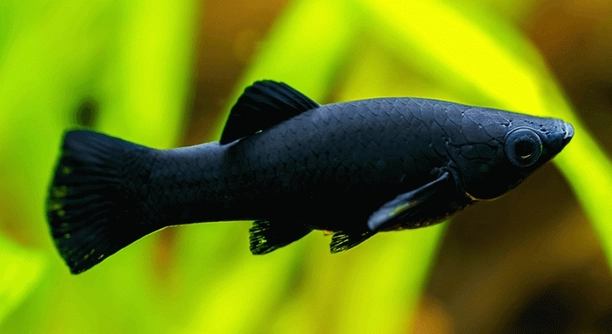
Black Molly fry are small, delicate fish that require careful attention during their early stages of life. Proper care is essential to ensure their growth, health, and survival. Many new aquarists find themselves unsure where to begin with fry care.
Raising Black Molly fry successfully involves maintaining stable water conditions, providing appropriate nutrition, and minimizing stress. Consistent monitoring of temperature, filtration, and feeding schedules ensures optimal growth. Attention to detail and a calm environment are critical for fry development.
Following these tips will help your Black Molly fry thrive and grow into healthy adult fish in your aquarium. Proper care sets the foundation for their long-term well-being.
Preparing the Tank for Black Molly Fry
Creating a safe and stable environment is the first step in raising Black Molly fry. Use a separate breeding tank or a partitioned section of your main tank to prevent adult fish from eating the fry. Maintain a temperature between 78 and 82 degrees Fahrenheit, which supports proper development. Add gentle filtration to keep the water clean without creating strong currents that could harm the fry. Include floating plants or fine-leaved plants to provide hiding spaces. Monitor water quality regularly, checking ammonia, nitrite, and nitrate levels. Frequent small water changes help maintain a healthy environment. Avoid sudden changes in temperature or water chemistry, as fry are sensitive to stress. Soft, aged water is preferable, and a pH around 7.0 supports their growth. Keep lighting moderate to mimic natural conditions. A stable environment promotes healthy development and reduces mortality during these critical early stages.
Proper tank preparation ensures the fry have a safe start, increasing survival rates significantly.
A well-prepared tank creates a calm, consistent environment where fry can feed, grow, and explore without unnecessary stress, promoting long-term health.
Feeding Black Molly Fry
Fry require tiny, frequent meals to support rapid growth. Newly hatched fry can begin with infusoria or commercially available liquid fry food. As they grow, introduce finely crushed flake food or baby brine shrimp. Feed small amounts multiple times a day to avoid overfeeding, which can foul the water. Remove uneaten food promptly to maintain cleanliness. Gradually increase food size as the fry grow, observing how they handle each type. A varied diet ensures proper nutrition and promotes robust coloration. Monitor their growth and adjust feeding schedules accordingly. Avoid sudden diet changes, as fry can be sensitive. Consistent, gentle feeding helps develop strong, healthy fish that mature properly. Nutritional balance directly impacts their immune system and overall vitality, making feeding one of the most important aspects of care. Proper feeding routines establish a strong foundation for adult fish health, ensuring they thrive in your aquarium over time.
Water Quality and Maintenance
Maintaining clean, stable water is essential for Black Molly fry. Frequent small water changes and regular testing help prevent harmful chemical buildup. Avoid sudden changes in temperature or pH, as fry are very sensitive. A stable environment encourages healthy growth and reduces stress.
Proper filtration is critical but must be gentle to avoid sucking in fry. Sponge filters are ideal because they provide adequate filtration without strong currents. Check water parameters daily, focusing on ammonia, nitrite, and nitrate levels. Conduct partial water changes of about 20 percent twice a week to maintain water clarity. Remove uneaten food promptly, as decaying matter can spike ammonia levels. Use a thermometer to ensure consistent temperature, as fluctuations can slow growth or cause stress. Soft, slightly acidic to neutral water supports fry development, helping them grow strong and healthy.
Keeping the tank stable also means monitoring oxygen levels and avoiding overcrowding. A well-maintained environment reduces disease risk and ensures fry are active and feeding properly. Regular observation helps catch issues early, allowing quick corrective action before problems escalate. Simple routines and careful attention make raising fry manageable and effective.
Monitoring Growth and Development
Track fry size and behavior regularly to ensure healthy development. Note differences in growth rates and appearance, adjusting care as needed. Regular observation helps catch early signs of illness or stress.
Fry develop rapidly during the first few weeks, so consistent feeding, water quality, and tank conditions are crucial. Record growth patterns weekly to identify any issues. Observe swimming patterns and activity levels; lethargy or abnormal behavior can indicate water quality problems or nutritional deficiencies. Provide hiding spots to reduce stress and competition among fry. Gradually increase food size and variety to support their changing dietary needs. Separate any weaker fry if necessary to prevent bullying or starvation. Monitoring growth allows timely interventions, ensuring all fry have the best chance of survival.
Consistent care also includes observing coloration and fin development. Healthy fry show vibrant colors and smooth, undamaged fins. Irregular growth, discoloration, or fin issues often signal environmental stress or dietary gaps. Adjust water parameters or diet promptly if problems arise. Attention to detail during these early stages sets the foundation for strong, adult Black Mollies that are more resilient to disease and environmental changes. Regular observation builds confidence in your care routine while promoting fry well-being.
Avoiding Overcrowding
Overcrowding can stress Black Molly fry and slow their growth. Keep fry numbers appropriate for tank size, providing enough space for swimming and hiding. Overcrowded tanks increase competition for food and raise waste levels, which can harm water quality.
Separate fry from adult fish to prevent accidental predation. Providing partitions or a dedicated breeding tank reduces stress and improves survival rates. Adequate space ensures each fry receives enough nutrition and room to grow. Monitoring population density regularly helps maintain a healthy environment and prevents long-term health issues.
Temperature Control
Consistent water temperature is critical for fry development. Keep the tank between 78 and 82 degrees Fahrenheit to support healthy growth. Sudden changes in temperature can weaken their immune system and cause stress. Using a reliable heater and thermometer helps maintain stability.
Light and Plant Coverage
Moderate lighting and adequate plant coverage help fry feel secure. Floating or fine-leaved plants offer hiding spaces and reduce stress, promoting healthy activity and feeding.
FAQ
How often should I feed Black Molly fry?
Feed fry small amounts several times a day, ideally three to five times. They have tiny stomachs, so frequent feedings ensure steady growth. Start with infusoria or liquid fry food, then gradually introduce finely crushed flake food or baby brine shrimp as they grow. Remove uneaten food to prevent water contamination.
What type of water is best for Black Molly fry?
Soft, slightly acidic to neutral water supports fry development. Keep pH around 7.0 and monitor ammonia, nitrite, and nitrate levels closely. Partial water changes of about 20 percent twice a week help maintain clean and stable water conditions without causing stress.
Do fry need hiding spaces?
Yes. Fry feel safer with floating or fine-leaved plants that offer cover. Hiding spaces reduce stress, prevent bullying, and allow weaker fry to grow without competition. Providing enough plants and structure helps fry explore and feed safely while building confidence.
Can I keep fry with adult Mollies?
It is not recommended. Adult Mollies may eat the fry, reducing survival rates. Use a breeding tank or a partition to separate fry from adults. This ensures fry have space to grow safely and reduces stress from constant threats.
How long does it take for fry to grow into adults?
Black Molly fry grow rapidly in the first few weeks. By about three months, they reach juvenile size, with coloration and fin development becoming noticeable. Full adult size and reproductive maturity usually occur around six months, depending on diet, water conditions, and tank environment.
What signs indicate stress or illness in fry?
Lethargy, loss of appetite, erratic swimming, or discoloration are common signs. Damaged fins or stunted growth may indicate poor water quality or nutritional deficiencies. Regular observation and prompt adjustments in care help fry recover and continue developing healthily.
Is a heater necessary for raising fry?
Yes. Consistent water temperature between 78 and 82 degrees Fahrenheit is crucial. Sudden drops or spikes can slow growth, weaken immunity, or cause mortality. A reliable heater combined with a thermometer ensures stability, creating an environment conducive to healthy fry development.
How important is filtration?
Filtration is critical but must be gentle. Sponge filters are ideal because they maintain water cleanliness without creating strong currents that could harm fry. Regular cleaning of the filter prevents waste buildup while keeping water safe and oxygenated for healthy growth.
How do I prevent overfeeding?
Offer small portions that fry can consume within a few minutes. Remove leftover food promptly to avoid ammonia spikes. Observing feeding behavior helps gauge proper amounts. Gradually adjust portions as fry grow, ensuring nutrition without compromising water quality.
Can fry be mixed with other small fish?
It is possible but not always safe. Fry are vulnerable to larger or more aggressive tankmates. Only consider very small, peaceful species that will not compete for food or view fry as prey. Close observation is essential when mixing species to ensure fry safety.
How do I know if fry are getting enough food?
Healthy fry are active, have steady growth, and show normal coloration. Weak, lethargic fry may be underfed or stressed. Observe their behavior during feeding; all fry should be able to reach food. Adjust feeding frequency or portion sizes if necessary.
When should I start feeding larger food?
As fry grow and can handle larger particles, gradually introduce finely crushed flake food or baby brine shrimp. Start this transition around two to three weeks, depending on fry size and development. Monitor their ability to consume new food and adjust accordingly.
What are the most common mistakes in raising Black Molly fry?
Overcrowding, inconsistent water quality, irregular feeding, and mixing with adult fish are common issues. Fry are delicate, and mistakes in environment or care can quickly lead to stunted growth or mortality. Consistency, observation, and patience are key to success.
How can I encourage healthy coloration?
A varied diet with high-quality nutrients supports vibrant colors. Stable water conditions, minimal stress, and proper lighting also contribute. Avoid overcrowding and provide hiding spaces so fry feel secure and develop natural coloration over time.
Is it necessary to track growth?
Tracking growth helps detect early problems. Regularly measure or observe size, behavior, and fin development. Catching issues early allows timely adjustments in feeding, water quality, or tank setup, ensuring healthy development and higher survival rates.
How do I transition fry to adult food?
Gradually mix crushed adult flake food with fry food, increasing the proportion of adult food over several days. Ensure fry can consume it easily. Continue monitoring growth and behavior to ensure they are adapting well and receiving proper nutrition.
Can stress affect fry survival?
Yes. Stress from poor water quality, overcrowding, sudden changes, or lack of hiding spaces can slow growth and weaken immunity. Maintaining stable conditions, adequate space, and gentle care reduces stress, promoting survival and healthy development.
Are water changes necessary during the first weeks?
Yes. Partial water changes of 15–20 percent two to three times a week help maintain cleanliness without shocking fry. Remove uneaten food and debris before changes. Stable water quality is essential to prevent illness and support growth.
How often should I check water parameters?
Daily testing for ammonia, nitrite, nitrate, and temperature is recommended. Fry are sensitive to changes, so monitoring ensures problems are caught early. Adjustments can be made quickly to maintain a healthy environment conducive to proper growth.
What is the best way to observe fry?
Use a gentle approach to avoid stressing them. Look for activity levels, feeding behavior, coloration, and fin development. Observing fry during feeding and free swimming provides insight into health and allows timely adjustments in care routines.
Raising Black Molly fry requires patience, attention, and consistent care. Their early stages are delicate, and small changes in water quality, temperature, or diet can have a significant impact on their survival and growth. Creating a stable environment is the foundation for healthy fry development. Using a dedicated breeding tank or partitioned space helps reduce stress from adult fish and provides the fry with adequate space to explore, feed, and grow. Gentle filtration, moderate lighting, and floating or fine-leaved plants offer both clean water and hiding spaces, allowing fry to develop without unnecessary pressure. Monitoring water parameters like ammonia, nitrite, nitrate, and pH regularly ensures the tank remains safe and suitable for growth. Partial water changes on a consistent schedule help maintain water clarity while preventing sudden changes that could disturb the fry. Attention to these environmental details not only increases survival rates but also promotes strong, healthy fish that are better equipped to handle the challenges of adult life.
Feeding is another critical factor in raising Black Molly fry successfully. Because fry have tiny stomachs, they require small, frequent meals throughout the day. Starting with infusoria or liquid fry food provides easily digestible nutrition, while gradually introducing finely crushed flake food or baby brine shrimp supports growth as they get larger. Overfeeding can lead to water contamination and spikes in ammonia, which are harmful to fry, so it is important to monitor their intake closely and remove any uneaten food promptly. Observing growth patterns, behavior, and activity levels helps identify whether the fry are receiving adequate nutrition. Healthy fry are active, show steady growth, and gradually develop vibrant coloration. A varied and appropriate diet ensures the fry’s immune system is strong and that they reach juvenile and adult stages with minimal health issues. By establishing a reliable feeding routine and adjusting it as the fry grow, you create a supportive environment that fosters long-term well-being.
Monitoring growth, development, and general health is essential for success. Regular observation allows for early detection of stress, illness, or behavioral issues. Lethargy, abnormal swimming, stunted growth, or discoloration may indicate problems with water quality, diet, or environmental conditions. Taking corrective action quickly can prevent these issues from becoming fatal. Overcrowding should be avoided, as it increases competition for food and can raise waste levels, impacting water quality. Maintaining consistent temperature, gentle filtration, and appropriate plant coverage reduces stress and encourages natural behavior. Patience and attention to detail are crucial when raising fry, as their early weeks determine long-term health and survival. By providing consistent care, clean water, proper nutrition, and a safe environment, Black Molly fry are given the best chance to thrive, grow into healthy adult fish, and display their natural beauty in the aquarium over time.

Hello,
If you enjoy the content that we create, please consider saying a "Thank You!" by leaving a tip.
Every little bit helps us continue crafting quality advice that supports the health, happiness, and well-being of pets around the world, for pets of all shapes, sizes, and species.
We really appreciate the kindness and support that you show us!