
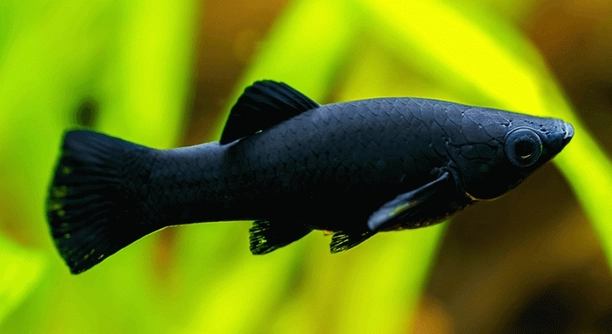
Breeding Black Mollies can be rewarding, yet many beginners make simple mistakes that affect their fish’s health and reproduction. Understanding these common pitfalls helps create a safer, more productive environment for these vibrant, lively fish in home aquariums.
One of the most frequent mistakes in breeding Black Mollies is neglecting water quality and temperature. Maintaining stable conditions, providing proper nutrition, and ensuring adequate space are critical for healthy fry development and overall fish wellbeing in captivity.
Recognizing these errors early can save time and stress. Following careful breeding practices will help your Black Mollies thrive and produce strong, healthy offspring.
Ignoring Water Conditions
Black Mollies thrive in stable water conditions, but many breeders underestimate this need. Sudden changes in temperature, pH, or hardness can stress the fish, reduce fertility, and even lead to illness. Regular water testing is essential. Keeping the aquarium clean, performing partial water changes, and monitoring chemical levels ensures a safer breeding environment. Filtration must be adequate but gentle, avoiding strong currents that can harm fry. Ideal water temperatures for Black Mollies range from 24°C to 28°C, while pH should stay near neutral, around 7.0. Hardness matters too, as mollies prefer slightly hard water. Even small fluctuations can affect reproductive behavior and fry survival. Observing the fish daily helps identify stress signs early. Providing hiding spaces and plants can reduce aggression and make the female more comfortable during birthing. Consistency in water conditions directly impacts breeding success and fry health, so it should always be a top priority.
Monitoring water regularly and maintaining consistency helps prevent unnecessary stress and supports healthy reproduction.
Water conditions are the foundation for successful breeding. Inconsistent parameters can stunt growth, reduce fertility, and even increase mortality rates. A stable environment encourages natural behavior, allows fry to thrive, and reduces disease outbreaks. This requires testing water frequently and adjusting parameters gradually. Using a thermometer, pH strips, and hardness test kits helps maintain optimal conditions. Gentle filtration prevents waste accumulation without harming fry. Adding plants or hiding spots reduces stress, especially for pregnant females. Overfeeding or leaving decaying food can deteriorate water quality, so routine cleaning is vital. Keeping a consistent schedule for water changes, feeding, and tank maintenance supports fish health. Stress-free Black Mollies breed more readily, and fry survival improves when environmental factors are controlled. Even small improvements in water management can significantly enhance overall breeding outcomes and fish longevity.
Overcrowding the Tank
Too many fish in one tank can cause stress, aggression, and competition for food.
Overcrowding reduces oxygen levels and increases waste, directly impacting fry survival. Females may become stressed and delay birthing, while males can harass pregnant females. A properly sized tank allows enough space for swimming, hiding, and healthy interactions. For breeding, it is recommended to separate adults from fry using breeding boxes or tanks. Stocking levels should consider both adult mollies and expected fry numbers. Dense populations make water management harder, increasing the risk of ammonia and nitrite spikes. Even a few extra fish can change the social balance, causing stress or injury. Observing how fish interact can guide adjustments in population density. Separating aggressive individuals or pregnant females can prevent injuries and improve fry survival rates. A balanced environment promotes calm behavior, natural breeding patterns, and higher fry viability. Proper planning and monitoring prevent overcrowding problems before they arise.
Poor Nutrition
Black Mollies require a balanced diet to breed successfully. Feeding only flakes or one type of food can lead to malnourished fry and weak adults.
A varied diet supports both adult health and fry development. Include high-quality flake food, live or frozen brine shrimp, and daphnia. Occasional vegetable matter, like blanched spinach or zucchini, provides essential vitamins and minerals. Overfeeding can pollute the tank, so feed small portions multiple times a day. Observing how fish consume food ensures all get enough nutrition. Healthy adults produce stronger, more viable fry, reducing the risk of deformities and mortality. Consistency in feeding habits also helps maintain water quality, supporting overall tank stability.
Neglecting proper nutrition slows growth, decreases fertility, and increases susceptibility to disease. Even minor deficiencies can lead to long-term health issues, affecting both adult mollies and their offspring. A carefully managed diet strengthens immunity, improves color, and enhances reproductive performance. Paying attention to nutritional needs directly impacts breeding success and the wellbeing of the entire tank population.
Lack of Hiding Spaces
Without hiding spots, female mollies can become stressed from constant male attention.
Stress from a lack of cover reduces breeding success and increases fry mortality. Pregnant females benefit from dense plants, caves, or breeding boxes to retreat and feel secure. Fry also need protection from adults who may eat them. Arranging live or artificial plants in clusters creates shaded areas and reduces aggression. Breeding boxes allow controlled birthing, giving fry a safe start. Providing proper hiding spaces encourages natural behaviors, decreases stress hormones, and improves overall health. A well-structured tank promotes calm interactions and higher survival rates for fry, ensuring the population thrives.
Strategically placed hiding spots improve female comfort, reduce harassment, and create a more balanced social environment. Pregnant mollies remain calmer, males are less aggressive, and fry have better chances of survival. Even a few plants or artificial shelters can make a significant difference, improving breeding outcomes and tank harmony. Proper planning ensures every fish has access to security when needed.
Breeding Without Separation
Failing to separate adults from fry often leads to high fry mortality. Adults, including males, may eat newborns, reducing survival rates and wasting breeding efforts.
Using breeding boxes or separate tanks for pregnant females ensures fry have a safe start. Early separation is crucial for protecting the youngest fish and maintaining a stable population.
Overlooking Tank Maintenance
Neglecting regular cleaning increases waste, toxins, and harmful bacteria. Dirty water stresses adults and fry alike, affecting growth and reproduction. Consistent partial water changes and careful substrate cleaning keep ammonia and nitrite levels low. Filtration must remain functional, and decorations should be cleaned without harsh chemicals.
Stress From Aggression
Constant chasing and nipping from males can stress females, delaying birth or causing injury.
Ignoring Fry Nutrition
Fry require specially sized foods and frequent feeding to grow strong. Infusoria, crushed flakes, or baby brine shrimp are ideal. Ensuring fry have constant access to nutritious food supports survival, accelerates growth, and prepares them for life with adults in the main tank.
FAQ
How often should I change water for breeding Black Mollies?
Frequent partial water changes are essential. Change about 20-25% of the water weekly to maintain stable conditions. Over time, waste accumulates and can harm adults and fry. Always use dechlorinated water and match the temperature to avoid shocking the fish. Consistency helps reduce stress and improves breeding success.
What is the ideal temperature for breeding Black Mollies?
Black Mollies breed best between 24°C and 28°C. Temperatures outside this range can slow breeding or reduce fry survival. Using a reliable heater and thermometer ensures the tank stays within the optimal range. Gradual adjustments are safer than sudden changes.
How many Black Mollies should I keep in a breeding tank?
A small group works best. One male with two or three females prevents overcrowding and reduces stress. Too many males cause aggression, while too many fish create competition for food and hiding spaces. A moderate population keeps adults calm and supports fry survival.
Do I need live plants for breeding?
Live plants are very helpful. They provide hiding spots for females and fry, reduce stress, and improve water quality. While artificial plants can work, live plants encourage natural behavior and give fry shelter, increasing their chances of survival.
When should I separate the fry from adults?
Fry should be separated immediately after birth. Adults may eat newborns if left together. Use breeding boxes or a separate tank for fry. Early separation ensures they have access to food and safe space to grow without threat from adult fish.
What should I feed adult Black Mollies for breeding?
A varied diet is key. Include high-quality flakes, frozen or live brine shrimp, daphnia, and some vegetable matter like blanched spinach. Proper nutrition supports fertility, healthy offspring, and strong adults. Feed small portions multiple times daily to maintain water quality.
What do I do if fry are not surviving?
Check water quality first. Ammonia, nitrite, or pH fluctuations often cause high fry mortality. Ensure proper separation from adults, provide hiding spaces, and feed appropriately sized food. Stress from overcrowding or aggressive adults may also reduce survival, so adjust the tank setup accordingly.
Can I breed Black Mollies in a community tank?
It’s possible but not ideal. Other fish may harass adults or eat fry. If using a community tank, provide plenty of hiding spots and consider a breeding box for the female. Survival rates are lower than in a dedicated breeding setup.
How long does it take for Black Molly fry to grow?
Fry grow quickly under proper care. They can reach half adult size in about two months. Growth depends on water quality, food, and tank conditions. Consistent feeding and regular maintenance speed up development and improve overall health.
How can I tell if a female is pregnant?
Pregnant females develop a rounded belly and a dark gravid spot near the anal fin. Behavior changes, such as hiding or reduced activity, are also common. Observing these signs helps prepare for fry care and timely separation from adults.
Is it necessary to control male behavior?
Yes. Constant harassment stresses females, delaying birth or causing injury. If one male is too aggressive, temporarily separating him or providing more hiding spaces reduces stress and encourages healthy breeding behavior.
How do I prevent deformities in fry?
Maintaining stable water conditions, proper nutrition, and low-stress environments helps reduce deformities. Avoid inbreeding and ensure adults are healthy. Providing adequate hiding spots and separating fry from aggressive adults improves survival and overall development.
What is the best tank setup for breeding?
A small, well-maintained tank with stable water parameters, gentle filtration, hiding spaces, and plants works best. One male with two to three females provides balance. A breeding box for fry ensures they have a safe start while keeping water clean and stress low.
How can I increase fry survival rates?
Feed appropriate-sized food frequently, keep water clean, provide hiding spaces, and separate fry from adults. Reduce stress by maintaining stable temperature, pH, and hardness. Regular observation helps identify issues early and improves overall survival and growth rates.
Are Black Mollies easy to breed?
Yes, with proper care. Avoiding water fluctuations, overcrowding, poor nutrition, and stress from adults ensures successful breeding. Consistency and attention to detail improve the chances of healthy fry and strong adult fish. Breeding becomes manageable once these factors are addressed.
How long is the gestation period?
Black Mollies carry fry for about 4 to 6 weeks. Monitoring the female’s behavior and belly shape helps anticipate birth. Preparing a safe environment with hiding spaces or a breeding box ensures fry survival immediately after birth.
Can fry eat the same food as adults?
Fry need smaller, softer foods. Infusoria, baby brine shrimp, and crushed flakes are suitable. Adult food is too large for fry, so providing appropriately sized food ensures proper growth and survival during early development.
What should I do if water quality drops suddenly?
Perform partial water changes immediately and test parameters. Remove uneaten food and check filtration. Rapid adjustments to pH, ammonia, or nitrite should be done gradually to avoid shocking adults or fry. Maintaining stability is key to preventing stress and death.
How do I reduce aggression among males?
Provide plants, hiding spots, and visual barriers. Keep the male-to-female ratio balanced, ideally one male for every two to three females. If aggression continues, temporarily separate aggressive males or use a divided tank to reduce stress and prevent injury.
Can Black Mollies breed year-round?
Yes, under stable conditions with proper nutrition and care. Maintaining consistent water quality, temperature, and feeding routines encourages continuous breeding. Removing stress factors and providing a secure environment ensures frequent, healthy births.
What common mistakes should I avoid?
Neglecting water quality, overcrowding, poor nutrition, lack of hiding spaces, and leaving fry with adults are the most common mistakes. Addressing these issues improves survival, promotes healthy growth, and supports successful breeding. Consistent care is essential.
How do I know fry are healthy?
Healthy fry are active, feed eagerly, and have clear eyes and proportional bodies. Slow movement, discoloration, or deformities indicate problems with water, nutrition, or stress. Observing them daily allows early intervention and improves overall survival.
Can I use tap water for breeding?
Tap water is fine if properly treated. Use a dechlorinator and check for heavy metals or toxins. Matching temperature and pH to tank conditions prevents shock. Regular testing ensures a safe environment for adults and fry.
How long until fry can join the main tank?
Fry can be moved when they are large enough to avoid being eaten, usually after 6-8 weeks. Ensure they are strong, healthy, and accustomed to adult tank conditions before transferring. Gradual introduction reduces stress and improves survival.
Do Black Mollies need salt for breeding?
A small amount of aquarium salt can help reduce stress and improve health, but it is not strictly necessary. Ensure the dosage is appropriate for freshwater species and monitor fish behavior carefully. Overuse can harm both adults and fry.
How important is monitoring behavior during breeding?
Observing interactions, feeding, and movement is crucial. Stress, aggression, or illness can reduce fry survival. Regular observation allows early adjustments to tank setup, diet, or water parameters, supporting a healthier breeding environment.
Can I breed Black Mollies without a male?
No, male presence is necessary for fertilization. Females can store sperm for a limited time, but ongoing breeding requires access to a male for continuous fry production.
How often can females give birth?
Females can produce fry roughly every 4-6 weeks if conditions are ideal. Overbreeding can stress the female, so monitoring health and providing recovery time is important to maintain long-term reproductive ability.
Is it okay to keep multiple females together?
Yes, multiple females reduce male harassment and balance social dynamics. Grouping females provides support, lowers stress, and helps maintain a calmer breeding environment, especially when hiding spaces are available.
What should I do if fry appear weak or sick?
Check water quality and food quality first. Weak fry may indicate stress, poor nutrition, or disease. Adjust diet, maintain clean water, and separate affected individuals if necessary. Early action improves survival and prevents illness from spreading.
Can Black Mollies breed in any freshwater tank?
They need stable conditions, proper temperature, and enough space. While they tolerate a range of freshwater environments, a dedicated breeding setup improves survival and fry health. Consistent care makes breeding easier and more successful.
How can I tell if fry are getting enough food?
Active feeding, steady growth, and visible energy are signs. If fry are not eating, spread food evenly or provide smaller portions more frequently. Proper feeding ensures strong development and higher survival rates.
Are there signs of stress I should watch for?
Stress shows as hiding, lethargy, loss of appetite, or aggression. Females may hide more, and fry may swim erratically. Correcting water parameters, providing hiding spots, and adjusting tank dynamics reduce stress effectively.
Is filtration important for breeding tanks?
Yes, but it should be gentle. Strong currents can harm fry. Adequate filtration keeps water clean, reduces toxins, and maintains oxygen levels, all essential for healthy adults and fry.
What is the best way to clean a breeding tank?
Perform partial water changes, remove uneaten food, and clean the substrate without harsh chemicals. Maintain decorations and plants carefully. Avoid disturbing fry too much to reduce stress and maintain survival.
How do I handle sick fish during breeding?
Separate sick individuals immediately. Treat with appropriate medication and maintain water quality. Sick adults or fry can spread illness quickly, so isolation and monitoring are critical to protect the rest of the tank.
How can I prevent inbreeding?
Rotate males or bring in new healthy adults. Avoid breeding siblings repeatedly. Genetic diversity reduces deformities, strengthens immunity, and improves overall fry survival and adult health.
Can I breed Black Mollies in cold climates?
Yes, if the tank is heated and temperature is stable. Cold ambient temperatures can lower water temperature, so heaters and monitoring are essential to maintain the optimal breeding range.
How do I know when to remove fry from a breeding box?
Fry can be removed when large enough to avoid predation and eat properly sized food. Usually around 6-8 weeks, they are strong enough to join the main tank with minimal risk.
Can I breed Black Mollies with other molly types?
Yes, but hybrids may result. Mixing types can change coloration, size, or temperament. Keep this in mind if specific traits are desired for your breeding plan.
How long do Black Mollies live?
Typically 3-5 years in well-maintained conditions. Lifespan depends on water quality, diet, and stress levels. Healthy breeding practices support longevity and sustained reproductive ability.
Are there signs of overbreeding in females?
Overly frequent births, weight loss, or lethargy indicate stress. Allow recovery time between pregnancies to maintain female health and ensure strong, healthy fry in future breeding cycles.
Do Black Mollies need special lighting to breed?
Standard aquarium lighting is sufficient. Brightness should mimic natural cycles to maintain normal behavior. Avoid excessive light, which can stress fish and fry.
How can I identify healthy males for breeding?
Look for vibrant color, strong fins, active swimming, and consistent courtship behavior. Healthy males improve fertilization rates and support stronger fry development.
What if fry are eating each other?
Provide ample space, hiding spots, and enough food. Cannibalism often occurs due to stress, overcrowding, or insufficient nutrition. Correcting these factors reduces losses.
Can I breed Black Mollies indoors year-round?
Yes, with proper temperature control, water quality, and feeding. Indoor setups allow consistent conditions, encouraging frequent breeding regardless of seasonal changes.
How do I prevent disease in a breeding tank?
Maintain clean water, avoid overfeeding, provide balanced nutrition, and quarantine new fish. Early detection and intervention are key to protecting adults and fry.
What is the best way to acclimate fry to adult tanks?
Gradually introduce fry by matching water parameters and providing hiding spots. Monitor interactions closely to prevent predation and stress during the transition.
Are Black Mollies easy to breed for beginners?
With attention to water, nutrition, and stress management, yes. They reproduce readily, but consistent care is necessary to ensure fry survival and adult health.
Can I breed Black Mollies without a heater?
It depends on ambient temperature. If the tank naturally stays within 24-28°C, a heater may not be necessary. Otherwise, a heater is crucial for stable breeding conditions.
How do I handle aggression between males?
Provide more females, add plants or visual barriers, or separate overly aggressive males. Reducing male competition lowers stress for females and increases breeding success.
What size tank is best for breeding?
A 20-30 gallon tank works well for a small group. Larger tanks reduce aggression, provide space for fry, and help maintain stable water conditions. Proper space ensures calmer interactions and better survival.
How can I tell if fry are stressed?
Erratic swimming, hiding excessively, or lack of feeding indicates stress. Check water quality, space, and nutrition, and make adjustments to improve survival and growth.
What is the most common mistake in breeding Black Mollies?
Neglecting water quality, overcrowding, poor nutrition, and leaving fry with adults are frequent mistakes. Addressing these issues improves survival and breeding outcomes.
How important is daily observation?
Daily checks allow early detection of stress, illness, or aggression. Prompt adjustments prevent mortality, support healthy growth, and maintain optimal conditions for breeding.
Do Black Mollies require soft or hard water?
They prefer slightly hard water. Maintaining appropriate hardness supports health, reproduction, and fry survival. Extreme softness or hardness can stress fish and affect breeding.
How do I prevent fry from being eaten?
Separate fry in breeding boxes or tanks immediately after birth. Provide hiding spots and ensure adults cannot access them. This simple step greatly improves survival rates.
What is the role of plants in breeding success?
Plants reduce stress, provide hiding spots, improve water quality, and encourage natural behavior. Their presence increases fry survival and supports healthier adults.
Can I breed Black Mollies with tap water alone?
Yes, if treated properly. Use dechlorinator and test for toxins. Matching temperature and pH prevents stress and supports safe breeding conditions.
How do I know when a female is ready to give birth?
A pronounced belly and dark gravid spot indicate readiness. Observing behavior, such as hiding, helps prepare for fry care.
Should I remove uneaten food daily?
Yes, leftover food pollutes water, increasing ammonia and nitrite levels. Removing uneaten food maintains water quality and reduces stress for adults and fry.
Can I use artificial plants for hiding spots?
Yes, artificial plants work, but live plants offer better water quality benefits and encourage natural behavior. A mix can be effective for protection and breeding success.
How do I know if water chemistry is stable?
Regular testing with pH, ammonia, nitrite, and hardness kits ensures stability. Stable chemistry reduces stress, prevents disease, and supports successful breeding.
What type of filtration is best?
Gentle filtration that maintains oxygen and removes waste is ideal. Strong currents can harm fry, so choose filters suited for breeding tanks.
Can I keep multiple breeding pairs together?
It’s better to separate pairs or small groups. Overcrowding and male aggression reduce fry survival and increase stress. Controlled setups improve breeding outcomes.
How long after birth should fry start feeding?
Fry feed within a day or two after birth. Providing infusoria or baby brine shrimp ensures proper nutrition and supports strong growth from the start.
Do Black Mollies need high lighting to breed?
Normal aquarium lighting is sufficient. Light cycles help maintain behavior and feeding routines but are not critical for breeding.
Is tank size more important than water quality?
Both matter, but water quality is critical. Even in large tanks, poor conditions harm adults and fry. Adequate space supports calm behavior, but clean water ensures survival.
Can I breed Black Mollies in a community tank safely?
Yes, with precautions like hiding spaces and breeding boxes. Survival rates are lower, but it’s possible if fry are protected and stress is minimized.
How often should I test water parameters?
Weekly testing is recommended. More frequent checks are needed if problems arise. Consistent monitoring prevents sudden changes that stress fish and fry.
Can I use live food exclusively for breeding?
Live food supports growth and reproduction, but a balanced diet with flakes, vegetables, and live or frozen food provides essential nutrients and prevents deficiencies.
How do I tell if adults are healthy?
Healthy adults are active, feed consistently, show vibrant colors, and have no visible deformities. Observing these traits ensures a strong breeding population.
What is the best way to handle fry during cleaning?
Use gentle nets or breeding boxes to avoid injury. Minimize disturbance and remove waste carefully to maintain safety and water quality.
Can Black Mollies breed without hiding spaces?
They can, but survival rates drop. Stress from lack of cover reduces female comfort and fry protection, impacting overall breeding success.
Do males need special care during breeding?
Males need proper nutrition and a balanced ratio with females. Overcrowding or aggression reduces success and stresses females, affecting fry survival.
How do I prevent water temperature fluctuations?
Use a reliable heater, monitor daily, and avoid placing the tank in drafty areas. Stable temperature improves breeding and fry survival.
Is quarantine necessary for new fish?
Yes, quarantining prevents disease introduction, protecting adults and fry from infection. Observation during quarantine ensures new fish are healthy before joining the breeding tank.
Can I breed Black Mollies in low-light conditions?
Low light is acceptable, but a consistent light cycle is helpful. Sudden darkness or irregular cycles can stress fish and impact behavior.
How do I encourage breeding behavior?
Maintain optimal water conditions, proper nutrition, adequate space, and low-stress environments. Balanced male-to-female ratios and hiding spots promote natural breeding behavior.
Can I breed Black Mollies with minimal experience?
Yes, if attention is paid to water quality, diet, hiding spaces, and separation of fry. Consistent care makes breeding manageable even for beginners.
How important is tank location for breeding?
A quiet, stable location reduces stress. Avoid heavy traffic areas, loud noises, and frequent vibrations to support calm behavior and successful reproduction.
What is the best feeding schedule for fry?
Small portions multiple times a day ensure steady growth. Fry require frequent feeding to develop properly and survive early stages.
**Can adult fish harm fry if left together
Breeding Black Mollies can be a rewarding experience, but it requires careful attention and consistent care. Understanding their basic needs, such as proper water conditions, temperature, and nutrition, is essential for success. Maintaining a stable environment reduces stress on both adults and fry, which directly impacts their health and breeding outcomes. Even small fluctuations in water quality or temperature can affect reproductive behavior, fry survival, and overall fish wellbeing. Providing a balanced diet for adults ensures strong offspring, while offering appropriately sized food for fry promotes healthy growth during their most vulnerable stage. Observing fish behavior regularly allows early detection of potential problems, whether it is aggression, illness, or stress, and taking timely action can prevent unnecessary losses.
Creating a suitable tank setup is equally important. Overcrowding and lack of hiding spaces are common issues that hinder successful breeding. Females require areas to retreat from persistent males, while fry need protection from adults. Using live or artificial plants, breeding boxes, or small shelters helps reduce stress, encourages natural behaviors, and increases survival rates. Consistent maintenance, such as partial water changes and cleaning the substrate, is also necessary to prevent waste buildup, toxins, and harmful bacteria from compromising the health of the fish. A well-organized and properly maintained tank creates a calm environment that allows Black Mollies to breed naturally, producing strong and healthy fry.
Paying attention to these details may seem demanding at first, but it ultimately leads to better results and a more enjoyable experience. Each breeding cycle offers insights into fish behavior and care requirements, helping improve techniques over time. By avoiding common mistakes like neglecting water quality, overfeeding, overcrowding, or leaving fry exposed to adults, breeders can create a safe, productive environment. Consistency, observation, and proactive care are the keys to long-term success. Following these practices ensures not only the survival of the fry but also the health and longevity of adult Black Mollies, creating a thriving aquarium community.

Hello,
If you enjoy the content that we create, please consider saying a "Thank You!" by leaving a tip.
Every little bit helps us continue crafting quality advice that supports the health, happiness, and well-being of pets around the world, for pets of all shapes, sizes, and species.
We really appreciate the kindness and support that you show us!