
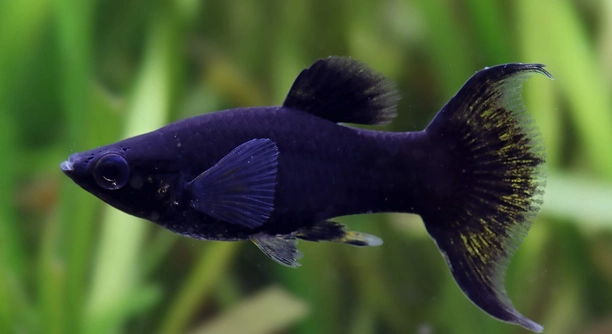
Are your black mollies spending most of their time near the filter, seemingly avoiding the rest of the tank? This behavior can be puzzling for aquarists. Observing them closely helps in understanding their needs and preferences in the aquarium environment.
Black mollies often stay near the filter due to increased water flow, higher oxygen levels, and a sense of security. This location provides optimal conditions for respiration and comfort, especially in tanks with uneven temperature or water quality.
Understanding this behavior can help you create a healthier environment for your fish. Proper tank setup and maintenance play a key role in their well-being.
Reasons Black Mollies Stay Near the Filter
Black mollies are naturally drawn to areas with higher water movement, such as near the filter. The flowing water helps circulate oxygen, making it easier for them to breathe. In some tanks, areas away from the filter may have lower oxygen levels, which can make the fish uncomfortable. Temperature fluctuations also play a role, as mollies often prefer slightly cooler areas with steady water movement. Stress from sudden changes in water chemistry or the presence of other aggressive fish can drive them to seek refuge near the filter. The constant current can also mimic conditions in their natural habitats, giving them a sense of security. Even feeding patterns can influence their position. If they are used to food drifting near the filter, they may spend more time there. Observing their behavior and ensuring the tank is properly maintained will help reduce any unnecessary stress and support their health and activity.
Maintaining clean water and stable temperatures encourages black mollies to explore the entire tank more evenly.
Consistently keeping the tank clean and ensuring proper oxygen levels can prevent over-reliance on the filter area. Adding plants or decorations can give them alternative spots to explore, while gentle water currents in other parts of the tank may encourage movement. Watching how they interact with these changes can help identify stress points and adjust conditions to suit their needs. Over time, mollies may distribute more evenly throughout the aquarium, making them healthier and more active.
Tank Setup Tips for Mollies
Proper tank setup is essential for black mollies to feel comfortable. A balanced environment helps them thrive.
Using a filter that creates gentle flow in multiple areas, along with aeration, can improve oxygen distribution. Providing hiding spots with plants or small decorations helps mollies feel secure. Keeping the water clean and monitoring temperature prevents stress. Feeding a balanced diet near different parts of the tank encourages movement. Consistent maintenance reduces sudden fluctuations that can drive mollies to stay in one area. Adjusting flow levels and observing their reactions ensures they remain healthy and active, enjoying a well-rounded environment without depending solely on the filter.
Common Health Issues
Spending too much time near the filter can indicate stress or illness. Poor water quality, parasites, or internal infections may cause black mollies to seek the most oxygenated areas for comfort. Monitoring behavior helps detect problems early.
Water quality directly impacts mollies’ health. High ammonia or nitrite levels irritate gills and reduce oxygen absorption. Infected or weakened fish often retreat to strong water currents where oxygen is abundant. Parasites like ich or internal worms can make them lethargic, further encouraging them to stay near the filter. Regular testing and water changes are essential.
Diet and nutrition also affect their activity. Deficiencies in essential nutrients weaken their immune system, leading them to conserve energy. Feeding high-quality food and maintaining a balanced diet supports overall health, reducing the need for mollies to cling to the filter for stability or oxygen, helping them remain active throughout the tank.
Behavioral Factors
Black mollies may stay near the filter because of social hierarchy or territorial behavior. Dominant fish control preferred areas, leaving weaker ones to find refuge near the filter.
Stress from tank mates or overcrowding can influence their location. Mollies often seek calm zones when intimidated. Providing hiding spaces and even distribution of territories reduces tension. Water flow patterns also affect behavior, as some prefer constant movement that the filter produces. Consistent feeding schedules, proper lighting, and gentle currents encourage more natural swimming patterns. Observing interactions among mollies helps identify dominant and subordinate individuals, ensuring all fish are comfortable. Adjustments to environment and social structure can reduce prolonged clustering near the filter.
Water Flow Preferences
Black mollies are naturally attracted to areas with steady water flow. Filters provide a continuous current that mimics conditions in their natural habitats. This movement also helps keep them active and supports healthy gill function.
Too strong or turbulent flow can stress mollies. Adjusting the filter to create gentle currents ensures they remain comfortable while still benefiting from increased oxygen levels. Observing their swimming patterns helps determine the right flow strength.
Temperature Sensitivity
Mollies prefer stable temperatures between 75°F and 80°F. Fluctuations can make them seek areas near the filter, where water movement slightly evens out temperature differences. Maintaining a heater and thermometer helps provide a consistent environment and prevents stress-related behaviors.
Oxygen Levels
Black mollies cluster near the filter when oxygen levels are low. Areas with better circulation provide relief and ensure they can breathe easily. Regular aeration and water movement help maintain optimal oxygenation throughout the tank.
Why does my black molly stay near the filter all the time?
Black mollies often stay near the filter because it provides steady water flow, higher oxygen levels, and a sense of security. Filters create gentle currents that mimic natural conditions, which mollies find comforting. If other areas of the tank have lower oxygen or uneven temperatures, the filter becomes a preferred spot for resting and swimming.
Is it a sign of illness if my molly stays near the filter?
Not always, but prolonged clustering near the filter can indicate stress or health problems. Poor water quality, high ammonia, nitrite levels, or parasites may cause mollies to seek the most oxygenated areas. Observing other symptoms, such as lethargy, loss of appetite, or visible spots, can help determine if medical attention is needed.
Can tank size affect this behavior?
Yes, small or overcrowded tanks limit swimming space, making mollies cluster near the filter. Overcrowding increases stress and reduces oxygen availability in less-circulated areas. Ensuring an adequately sized tank with proper filtration allows mollies to explore other regions without constantly relying on the filter.
Does water flow strength matter?
Absolutely. Strong currents can stress mollies, while gentle, consistent flow encourages activity. Mollies naturally enjoy swimming against currents, but excessively strong water can tire them or make them avoid other areas. Adjusting the filter’s flow and observing their response helps maintain comfort.
Can temperature fluctuations influence this behavior?
Yes, mollies are sensitive to temperature changes. If certain parts of the tank are warmer or cooler, they may gather near the filter where water movement slightly stabilizes temperature. Maintaining a consistent range of 75–80°F reduces the need for them to remain near the filter for comfort.
Do tank decorations or plants affect their location?
Yes, mollies often use plants and decorations for hiding and security. If hiding spots are limited away from the filter, they may prefer the filter area. Providing additional decorations and evenly distributed plants encourages them to explore and reduces constant clustering in one spot.
Could diet play a role in their positioning?
It can. Mollies may linger near areas where food frequently drifts, especially if the filter distributes flakes or pellets unevenly. Feeding high-quality food and distributing it throughout the tank encourages movement and exploration away from the filter.
Does social behavior affect this?
Yes, black mollies have social hierarchies. Dominant fish may control central tank areas, forcing others to seek refuge near the filter. Observing interactions helps identify dominant and subordinate fish. Adjustments in tank layout, hiding spots, and gentle currents can reduce social stress and encourage even distribution.
How can I encourage my molly to explore more of the tank?
Provide balanced water flow, consistent temperature, and additional hiding spots. Distribute food throughout the tank to encourage swimming. Maintaining clean water and stable conditions reduces stress, giving mollies the confidence to leave the filter area and engage with the entire tank environment.
When should I consult a veterinarian?
If mollies stay near the filter while showing lethargy, loss of appetite, unusual spots, frayed fins, or rapid gill movement, it is time to seek professional help. Early diagnosis of illness or parasites ensures proper treatment and prevents worsening conditions, supporting long-term health and well-being.
Are there any preventive measures to avoid this behavior?
Yes, regular water changes, proper filtration, consistent temperature, balanced diet, and appropriate tank population all help. Ensuring even oxygen distribution, gentle currents, and safe hiding spots encourages natural swimming patterns. Regular observation helps detect issues before they lead to stress-driven clustering near the filter.
How long is it normal for mollies to stay near the filter?
Short periods near the filter are normal, especially after feeding or during mild stress. Continuous, prolonged clustering may indicate water quality issues, temperature imbalance, or social stress. Monitoring behavior, water parameters, and tank conditions helps identify whether this is normal or requires adjustments.
Does the type of filter matter?
Yes, different filters create varying flow patterns. Sponge filters provide gentle aeration suitable for mollies, while power filters may create stronger currents. Adjusting filter type and positioning ensures mollies benefit from oxygenated water without experiencing stress from excessive flow.
Can lighting affect this behavior?
Indirectly, yes. Harsh or inconsistent lighting can increase stress, causing mollies to seek refuge near the filter. Using evenly distributed, moderate lighting, along with shaded areas from plants or decorations, supports calm behavior and encourages exploration.
Is this behavior more common in new tanks?
Yes, new tanks often have unstable conditions, including fluctuating water chemistry and oxygen levels. Mollies in newly established tanks may cling to the filter for safety. Stabilizing water parameters through testing, gradual cycling, and proper setup helps them adapt and explore more freely.
What is the long-term impact of staying near the filter?
Prolonged dependence on the filter may reduce activity levels and increase stress over time. Limited swimming can affect muscle development and overall health. Ensuring stable conditions, proper tank design, and balanced social interactions promotes a more active and healthier lifestyle for black mollies.
Are there any signs that mollies are happy in their environment?
Active swimming, evenly distributed tank presence, responsive feeding, and interaction with plants or decorations indicate comfort. Mollies that explore all areas of the tank, including spots away from the filter, demonstrate that water quality, temperature, and social dynamics are well balanced, supporting overall health and satisfaction.
Can seasonal changes affect behavior?
Yes, temperature fluctuations in the room or direct sunlight can make certain tank areas more or less comfortable. Mollies may spend more time near the filter during these shifts. Consistent monitoring and environmental adjustments help maintain steady conditions year-round, reducing stress-driven clustering.
Does the number of tank mates influence this?
Yes, overcrowding or aggressive fish can force mollies toward the filter. Proper stocking levels and compatible species reduce stress, allowing mollies to explore freely. Ensuring hiding spaces and calm zones throughout the tank supports balanced social interactions.
What other signs should I watch for?
Monitor breathing rate, coloration, fin condition, and swimming behavior. Any sudden changes may indicate water issues, disease, or stress. Observing these signs in conjunction with filter-clinging behavior helps diagnose problems early and implement corrective measures efficiently.
How often should I check water parameters?
Testing water at least once a week is recommended. Monitoring ammonia, nitrites, nitrates, pH, and temperature ensures a safe and stable environment. Regular observation prevents conditions that drive mollies to stay near the filter and supports long-term health.
Are black mollies naturally more filter-oriented than other fish?
They are somewhat more inclined to seek flowing water due to their natural habitats. However, proper tank setup, oxygen distribution, and enrichment reduce excessive dependence, encouraging more natural and active swimming behavior throughout the aquarium.
Can introducing new fish affect this behavior?
Yes, new fish can disrupt social balance or increase stress. Mollies may retreat to the filter for safety. Gradual introductions, observation, and adequate space help them adjust without over-relying on one area of the tank.
Does water chemistry consistency matter?
Yes, sudden shifts in pH, hardness, or other chemical parameters can make mollies seek stable spots near the filter. Maintaining consistent water chemistry through regular testing and gradual adjustments promotes comfort and even distribution throughout the tank.
Can stress from human activity influence behavior?
Yes, frequent tapping, loud noises, or sudden movements can make mollies seek refuge near the filter. Reducing disturbances and creating calm surroundings helps them remain active and comfortable in all areas of the tank.
Are black mollies more prone to this than other molly types?
Not significantly, but individual temperament varies. Some mollies are more cautious and will spend more time near flowing water. Understanding their personality, observing behavior, and adjusting tank conditions ensures their needs are met without over-reliance on the filter.
Does age affect this behavior?
Younger or weaker mollies may seek the filter for safety and oxygen, while older, healthier fish explore more freely. Supporting growth with proper nutrition, space, and stable conditions encourages balanced activity throughout the tank.
Can frequent tank cleaning disrupt behavior?
Yes, sudden changes during cleaning may stress mollies, making them cling to the filter. Gradual maintenance, partial water changes, and minimizing disruption encourage them to continue normal swimming patterns and reduce stress-related clustering.
Are there ways to make the filter less of a focus?
Yes, redistributing water flow, adding plants or decorations in other areas, and ensuring even oxygenation throughout the tank reduces dependence. Consistent conditions and enrichment help mollies explore and remain active without staying near the filter for extended periods.
How do I know if my efforts are working?
If mollies swim evenly throughout the tank, use multiple hiding spots, and show normal feeding and activity, your adjustments are effective. Regular observation and small changes help maintain a healthy and comfortable environment, reducing prolonged clustering near the filter.
Can different types of filters impact this behavior differently?
Yes, sponge, hang-on-back, and internal filters create distinct flow patterns. Sponge filters provide gentle movement, while hang-on-back or power filters may create stronger currents. Matching filter type to the tank size and fish preferences ensures comfort without forcing mollies to cling to one area.
Is it normal for mollies to return to the filter after feeding?
Yes, they may return to the filter where food particles linger or water movement is higher. Occasional visits are normal, but constant clustering should be monitored for stress, illness, or environmental issues.
Can tank location in a room influence behavior?
Yes, tanks near vents, sunlight, or high-traffic areas may cause mollies to seek refuge near the filter. Placing the tank in a stable, quiet environment supports calm behavior and encourages exploration away from the filter.
Does the size of the filter output affect mollies?
Yes, a filter with strong output can create areas that mollies avoid, while gentle flow attracts them. Adjusting the flow to balance oxygenation and comfort ensures mollies can swim freely without over-relying on one area.
Are there behavioral cues that indicate comfort?
Yes, relaxed swimming, interacting with plants, and exploring multiple areas indicate comfort. Mollies that remain healthy, active, and evenly distributed show that tank conditions and social balance support their natural behavior.
How important is gradual change in tank conditions?
Very important. Sudden changes in water chemistry, temperature, or decorations can stress mollies, causing them to cling to the filter. Gradual adjustments allow them to adapt without altering normal swimming patterns or overall well-being.
Can lighting schedules help?
Yes, consistent lighting with gradual transitions reduces stress and encourages even tank use. Abrupt changes can make mollies seek refuge near the filter. Using timers or dimmers helps maintain predictable lighting patterns and comfort.
Is prolonged filter-clinging ever completely harmless?
Occasional resting near the filter is normal. However, if it becomes a primary location for long periods, it often signals an environmental, health, or social issue. Observing patterns and maintaining stable conditions ensures that time spent near the filter is balanced and healthy.
How do I balance water flow for multiple fish?
Distribute currents evenly with adjustable filters, air stones, or baffles. Ensuring calm zones and gentle flow in various tank areas allows all fish to swim comfortably without forcing mollies to rely on the filter for oxygen or safety.
Can filter maintenance influence behavior?
Yes, dirty filters reduce oxygen flow and water quality, making mollies cling to the strongest current. Regular cleaning maintains performance, improving circulation and encouraging fish to swim freely throughout the tank.
Does plant density affect filter preference?
Yes, sparse plant coverage can push mollies toward the filter for security. Adding more plants evenly provides hiding spots and breaks up open areas, encouraging exploration and reducing clustering near a single point.
Is it normal for mollies to cluster when the tank is newly established?
Yes, during the first few weeks, water parameters fluctuate. Mollies often stay near the filter for stable conditions. Consistent monitoring, gradual acclimation, and stable feeding help them adjust and explore other areas.
Does water hardness play a role?
Yes, mollies prefer moderately hard water. Uneven hardness in the tank can push them toward areas with stable conditions, often near the filter. Testing and adjusting hardness ensures comfort and even distribution throughout the tank.
Can seasonal changes in room temperature influence behavior?
Yes, seasonal fluctuations may create warmer or cooler zones. Mollies often cluster near the filter where water movement slightly moderates temperature. Maintaining stable room and tank conditions helps reduce reliance on one specific area.
Are some mollies naturally more cautious than others?
Yes, individual temperament varies. Some black mollies are more cautious and cling to flowing water, while others explore freely. Observing behavior and adjusting the tank environment ensures comfort for all personalities.
Does tank shape influence filter preference?
Yes, long or narrow tanks may have uneven flow, causing mollies to stay near high-circulation areas. Proper filter placement and water flow adjustments promote exploration and reduce dependence on a single location.
Can filter noise affect behavior?
Yes, loud or vibrating filters may stress mollies, causing them to avoid or cling to areas depending on flow patterns. Choosing quieter filters and ensuring gentle water movement improves comfort and distribution.
Is prolonged clustering near the filter reversible?
Yes, with stable water parameters, balanced social interactions, adequate hiding spots, and gentle flow distribution, mollies can gradually explore the entire tank and reduce over-reliance on the filter.
How important is consistent observation?
Very important. Monitoring swimming patterns, breathing, coloration, and feeding ensures early detection of stress, illness, or environmental issues. Consistent observation allows timely interventions to maintain a healthy, active tank.
Can introducing enrichment reduce filter dependence?
Yes, adding decorations, floating plants, and gentle water currents in other areas encourages exploration. Enrichment reduces stress, promotes natural behavior, and balances activity throughout the tank, decreasing prolonged time near the filter.
Are there signs that mollies are adjusting successfully?
Yes, even distribution, active swimming, frequent feeding, and interaction with plants or decorations indicate successful adjustment. They will still visit the filter occasionally but no longer rely on it as their primary refuge.
Does feeding frequency affect filter preference?
Yes, if food consistently accumulates near the filter, mollies may spend more time there. Distributing food throughout the tank encourages movement and reduces clustering in one spot.
Can multiple filters improve behavior?
Yes, adding secondary filters or adjusting output creates even currents and oxygenation throughout the tank. This encourages mollies to explore freely, reducing reliance on a single high-flow area.
Does filter type influence oxygenation?
Yes, sponge filters provide gentle aeration, while power filters may create stronger flow and uneven oxygen distribution. Matching filter type to tank size and fish preferences ensures optimal conditions without forcing clustering near one area.
Are black mollies sensitive to chemical changes?
Yes, sudden changes in pH, nitrates, or hardness can stress them, driving them toward stable water near the filter. Gradual adjustments maintain comfort and encourage natural movement.
Can tank mates influence filter preference long-term?
Yes, aggressive or territorial fish can cause mollies to rely on the filter for safety. Ensuring compatible species and evenly distributed hiding spots reduces prolonged clustering.
How do I know if environmental adjustments are effective?
Successful adjustments are visible when mollies swim evenly, explore decorations, feed normally, and remain active. Reduced time spent near the filter signals improved comfort and balanced tank conditions.
Is occasional filter-clinging ever a concern?
No, occasional visits for feeding or resting are normal. Only persistent clustering paired with other stress indicators warrants attention. Proper maintenance and balanced conditions prevent long-term issues.
How important is gradual acclimation to changes?
Very important. Mollies respond better to slow adjustments in water flow, temperature, or social environment. Gradual changes reduce stress and encourage natural distribution throughout the tank.
Do black mollies need extra oxygenation?
Yes, even in well-filtered tanks, additional aeration supports health. Air stones or gentle circulation in multiple areas reduce dependence on a single flow source, keeping mollies active and comfortable.
Can adding more plants help?
Yes, plants provide hiding spots, reduce stress, and encourage exploration. Strategically placed plants can balance activity and reduce prolonged time near the filter while supporting water quality and oxygenation.
Is monitoring social behavior critical?
Yes, dominant fish may push others toward the filter. Observing interactions and providing hiding spots or rearranging the tank reduces stress and encourages balanced distribution.
Can adjusting feeding locations reduce filter dependency?
Yes, spreading food throughout the tank encourages swimming and exploration. Mollies will leave the filter area for feeding, promoting more natural behavior and even activity across the aquarium.
Does water clarity affect behavior?
Yes, cloudy or dirty water increases stress, causing mollies to seek high-flow, oxygen-rich areas near the filter. Regular cleaning, partial water changes, and filtration help maintain clarity and reduce prolonged clustering.
Are there any tools to measure oxygen distribution?
Yes, oxygen test kits and water circulation indicators help identify low-oxygen zones. Adjusting flow and aeration ensures mollies have comfortable conditions throughout the tank, reducing over-reliance on the filter.
Does fish age influence filter preference?
Yes, younger or weaker mollies may cling to the filter for security, while healthy adults explore more freely. Supporting growth with proper diet, stable water, and enrichment encourages balanced swimming patterns.
Can seasonal temperature shifts inside the house influence behavior?
Yes, heating or cooling changes can create uneven tank temperatures. Mollies often cluster near the filter where water movement moderates temperature. Maintaining stable indoor conditions helps them explore all areas comfortably.
Is filter maintenance critical for behavior?
Yes, a clogged or poorly maintained filter reduces water flow and oxygenation. Mollies may over-rely on stronger currents or stressed areas. Regular cleaning and proper functioning ensure even conditions and healthy behavior.
Are black mollies naturally more inclined to flowing water?
Yes, their natural habitats include rivers and streams with constant currents. Proper tank setup mimics this without forcing excessive dependence on one area.
Does tank depth influence filter preference?
Yes, shallow tanks may have uneven currents, causing mollies to gather near the filter. Proper filter placement and flow adjustment promote comfortable conditions throughout the aquarium.
How do I know if my adjustments are effective long-term?
Mollies will swim actively, explore multiple areas, feed regularly, and use plants or decorations evenly. Reduced time near the filter indicates improved tank conditions and well-being.
Can lighting intensity cause stress?
Yes, harsh lighting may drive mollies to seek cover near the filter. Moderate, consistent lighting with shaded areas supports comfort and natural swimming patterns.
Does water hardness influence behavior?
Yes, mollies prefer moderate hardness. Uneven hardness can push them to stable zones near the filter. Testing and adjusting water ensures comfort and balanced distribution.
**Are there
Black mollies spending a lot of time near the filter is a behavior that can tell us a lot about their environment and well-being. Often, this behavior is related to comfort, water flow, and oxygen levels. The filter provides steady water movement that mimics their natural habitats, which helps with breathing and creates a sense of security. Fish are naturally drawn to areas that meet their physical and psychological needs, so seeing them near the filter is not always a sign of a problem. Observing their behavior carefully can help distinguish between normal habits and signs of stress or illness.
Water quality plays a significant role in this behavior. Mollies are sensitive to ammonia, nitrite, and nitrate levels, as well as temperature fluctuations. Poor water conditions can make certain parts of the tank uncomfortable, pushing the fish toward areas with better circulation, such as near the filter. Even small changes in pH or hardness can cause them to adjust their location. Ensuring regular water testing, partial water changes, and stable temperatures creates a healthier environment. A balanced diet also supports overall health, giving them more energy to swim around the tank instead of staying in one spot.
Social interactions and tank setup also influence where black mollies spend their time. Dominant or aggressive fish may occupy the central areas of the tank, leaving more timid individuals to seek refuge near the filter. Providing hiding spots, plants, and decorations encourages exploration and reduces stress. Gentle water currents in other parts of the tank can also attract them to swim more evenly. Overall, the key to addressing prolonged filter-staying behavior is a combination of proper maintenance, stable water conditions, balanced social dynamics, and thoughtful tank design. Observing your fish regularly and making small adjustments when needed ensures they remain healthy, active, and comfortable in the aquarium environment.

Hello,
If you enjoy the content that we create, please consider saying a "Thank You!" by leaving a tip.
Every little bit helps us continue crafting quality advice that supports the health, happiness, and well-being of pets around the world, for pets of all shapes, sizes, and species.
We really appreciate the kindness and support that you show us!