
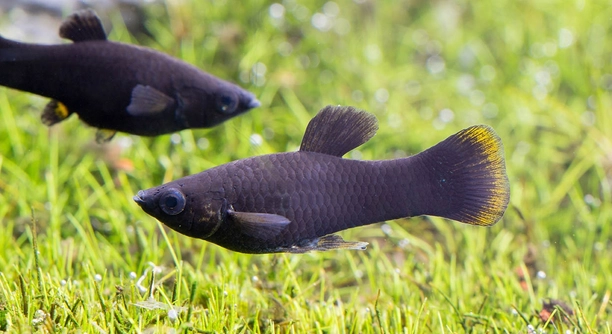
Are your black molly fish suddenly breathing faster than usual in their tank? Rapid gill movement can be concerning for any fish owner, especially when it seems to happen without any obvious cause. Stress and environmental changes often play a role.
Black molly fish may breathe rapidly due to low oxygen levels, poor water quality, high temperature, disease, parasites, overfeeding, or stress. Identifying the underlying cause is crucial to prevent health deterioration and ensure the fish’s long-term survival.
Understanding these factors will help you respond appropriately and maintain a healthier environment for your black molly. The reasons behind their fast breathing are more complex than they appear at first glance.
Low Oxygen Levels
When black mollies are in water with insufficient oxygen, their breathing rate increases noticeably. Oxygen naturally dissolves into water, but warm temperatures, overstocked tanks, or poor water circulation can reduce the amount available. I’ve noticed that even slight changes in water flow can affect how comfortably my mollies breathe. Plants help, but they alone cannot replace proper aeration. Installing an air pump or adjusting the filter can make a significant difference. Fish gasping at the surface is often a clear sign that oxygen is low. Maintaining the right balance of oxygen is vital for their health, as prolonged oxygen deprivation can weaken the fish, making them more prone to disease. Watching your molly’s behavior daily helps you catch these issues early, ensuring they stay active and vibrant.
Low oxygen makes your fish more stressed and vulnerable, which can lead to other health issues over time.
Keeping water well-aerated and regularly checking oxygen levels ensures your black mollies breathe comfortably and remain healthy. Even small adjustments in circulation or aeration can produce immediate improvements. Proper tank maintenance, avoiding overstocking, and monitoring temperature all help maintain oxygen levels. Fish breathing normally will display smooth gill movements and relaxed swimming patterns. I learned that combining plants with mechanical aeration often creates the most stable environment. Monitoring behavior daily allows early detection of oxygen problems, preventing prolonged stress. Regular partial water changes also support oxygen balance and reduce buildup of waste, which can further decrease dissolved oxygen. By paying attention to these details, you can keep your mollies lively and reduce the risk of complications linked to low oxygen.
High Water Temperature
Warm water holds less oxygen, so as temperatures rise, black mollies naturally breathe faster. Even a few degrees above their ideal range can make a noticeable difference. Mollies prefer water between 72 and 78°F, and exceeding this range often leads to heavy breathing.
Sudden temperature shifts can shock your fish, causing rapid gill movement and stress.
Consistently high water temperature affects your molly’s metabolism, increasing oxygen demand while reducing available dissolved oxygen. This combination forces them to work harder to breathe. I noticed that during heat waves or when heaters malfunction, my mollies quickly show signs of strain. Installing a reliable thermometer and checking it regularly prevents these issues. Using fans, adjusting heater settings, or adding floating plants can help stabilize temperatures. Small daily fluctuations are normal, but extreme or sudden rises require immediate action. Even slight overheating over time can weaken their immune system, making them more susceptible to infections and reducing lifespan. Ensuring water temperature stays within the recommended range protects their health, keeps their breathing steady, and helps maintain their energy levels for swimming and feeding.
Poor Water Quality
Dirty water can make black mollies breathe rapidly. Waste buildup, uneaten food, and decaying plants increase ammonia and nitrite levels, irritating their gills and stressing them. I’ve seen mollies start gasping at the surface when the tank is not cleaned regularly.
Regular water testing is essential to monitor ammonia, nitrite, and nitrate levels. Partial water changes every week help maintain a safe environment. Using a quality filter and avoiding overfeeding keeps water cleaner. I found that even minor improvements in water quality noticeably reduce rapid breathing. Removing debris and vacuuming the substrate prevents harmful buildup. Healthy water chemistry supports normal gill function and overall fish vitality.
Changing water gradually avoids shocking the fish while restoring balance. Tracking water parameters helps detect problems early, preventing long-term health issues. A consistent cleaning routine ensures your mollies stay comfortable and active. I also use test kits to double-check everything stays within safe levels.
Disease and Parasites
Infections and parasites can cause rapid breathing. Black mollies may carry bacteria, fungi, or protozoa that attack their gills or respiratory system. I’ve observed how even mild infections can quickly stress them, increasing gill movement.
Symptoms often include lethargy, clamped fins, and rubbing against objects. Early detection is crucial for treatment. Quarantining affected fish and using appropriate medication prevents the spread to healthy tank mates. I treat infections immediately to avoid prolonged suffering. Maintaining clean water and avoiding sudden temperature changes reduces the risk of disease.
Parasitic infections like gill flukes or ich directly impact breathing efficiency. Mollies may scrape themselves or show uneven swimming patterns. I learned that close observation and prompt intervention make a significant difference. Isolating sick fish, adjusting water quality, and administering targeted treatments help restore normal breathing. Consistent monitoring and preventive care, such as avoiding overstocking and maintaining hygiene, minimize the chance of recurring problems. Healthy fish swim actively, eat normally, and display steady gill movements when disease and parasites are under control.
Overfeeding
Overfeeding can make black mollies breathe rapidly. Excess food decomposes in the tank, increasing ammonia and reducing oxygen. I’ve noticed that even a single day of too much food can cause my mollies to gasp at the surface.
Feeding smaller portions multiple times a day keeps them healthy. Uneaten food should be removed promptly to prevent water quality issues and stress.
Stress
Stress raises breathing rates in black mollies. Sudden changes in tank environment, aggressive tank mates, or overcrowding make them uneasy and cause rapid gill movement.
Creating a calm, stable environment with hiding spots and compatible fish reduces stress. I’ve found that regular observation helps me catch early signs and maintain a peaceful tank.
Parasite Infestation
Parasites like gill flukes or external protozoa can lead to rapid breathing. Mollies may scrape against decorations or show unusual swimming patterns. I treat infestations promptly, isolate affected fish, and maintain clean water to prevent spread. Early detection is key to restoring normal breathing and health.
High Carbon Dioxide Levels
Excess carbon dioxide in the tank can make mollies breathe fast. Poor aeration or overstocking often increases CO2. I monitor water flow and ensure adequate surface movement to keep gas exchange balanced and support normal respiration.
FAQ
Why is my black molly breathing fast even though the water looks clean?
Even if water looks clear, harmful substances like ammonia, nitrite, or excess carbon dioxide may still be present. I’ve seen my mollies start breathing rapidly in a crystal-clear tank simply because oxygen levels were low or waste had accumulated in hidden areas. Testing water regularly and using a filter that circulates well is essential.
Can temperature changes really affect their breathing that much?
Yes. Black mollies are sensitive to temperature shifts. Even a few degrees above their ideal range, around 72–78°F, can make them breathe faster. I always check the thermometer daily and adjust heaters or fans if necessary to keep the environment stable.
How often should I change the water to prevent fast breathing?
Partial water changes of 20–30% weekly usually keep oxygen levels and water quality balanced. I also vacuum the substrate to remove leftover food and debris. Regular maintenance reduces stress and keeps gill movement normal.
Do certain tank mates cause stress that leads to rapid breathing?
Aggressive or overly active fish can stress black mollies, causing them to breathe quickly. I’ve noticed this when introducing new fish without proper acclimation. Providing hiding spots and monitoring interactions helps prevent this issue.
Could overfeeding be the reason even if they eat it all?
Yes. Feeding too much, even if consumed quickly, increases waste in the tank. I avoid large portions and feed smaller amounts multiple times a day. Removing any leftovers immediately prevents oxygen depletion and keeps the water healthy.
How do I know if parasites are causing fast breathing?
Look for scraping against decorations, erratic swimming, or visible spots on the gills. I isolate any suspicious fish and treat them with recommended medications. Early detection prevents spreading and helps restore normal breathing.
Is it possible for stress alone to make my molly breathe rapidly?
Absolutely. Changes in lighting, sudden noise, overcrowding, or constant disturbances can elevate stress levels. I make sure the tank remains calm, provide hiding areas, and limit sudden changes. Stress management keeps my mollies’ gill movement steady.
What role does oxygen play, and how can I improve it?
Oxygen is crucial. Warm water, overstocking, or poor filtration can reduce dissolved oxygen. I use air pumps, ensure good surface movement, and avoid overcrowding. Healthy oxygen levels are key for normal breathing and overall molly health.
Can diseases cause this symptom without other obvious signs?
Yes, some infections or gill flukes may only show rapid breathing at first. I always monitor gill movement and overall activity closely. Prompt quarantine and treatment help prevent more severe symptoms and long-term damage.
How fast is too fast for normal molly breathing?
Normal gill movement is steady and rhythmic. I noticed that when it becomes rapid, shallow, or irregular, it signals a problem. Regular observation helps catch issues before they worsen.
Are there preventive steps I can take to avoid fast breathing?
Maintaining stable temperature, proper water quality, clean substrate, compatible tank mates, and balanced feeding all help. I keep a routine, test water parameters weekly, and provide adequate aeration. Prevention keeps mollies healthy and breathing comfortably.
How long does it take for a black molly to recover from stress or minor oxygen issues?
Recovery can be quick, sometimes within hours if the water is adjusted and stressors removed. I monitor them closely during this time, and usually normal breathing returns once the environment stabilizes.
Should I consult a vet if breathing remains fast?
Yes. If rapid breathing persists despite all adjustments, it could indicate infection or another underlying health problem. I’ve found consulting a professional ensures the correct treatment and prevents further complications.
Can tank decorations or plants affect breathing?
Yes. Overcrowded tanks or dense plants can reduce water flow and oxygen distribution. I arrange decorations to allow open swimming areas and proper surface circulation, helping my mollies breathe normally.
Does water hardness or pH influence breathing?
Extreme pH or hardness levels can stress black mollies, affecting gill function. I maintain pH between 7.0–8.0 and moderate hardness to support their comfort. Gradual adjustments avoid sudden shocks that may trigger rapid breathing.
Is it normal for mollies to breathe faster after feeding?
Yes, slightly faster breathing after feeding is normal due to increased metabolism. I noticed it usually returns to normal within a few minutes. Persistent rapid breathing afterward could indicate another issue needing attention.
Can overcrowding alone cause rapid breathing?
Definitely. Too many fish in a tank reduces oxygen and increases stress. I avoid overstocking and provide ample space for swimming to keep gill movement regular.
How do I balance all these factors effectively?
I follow a strict routine: monitor water parameters, control temperature, feed appropriately, maintain tank cleanliness, and observe behavior daily. Consistency prevents most causes of fast breathing. Early action is always better than waiting for symptoms to worsen.
This FAQ addresses common reasons behind rapid breathing in black mollies and offers practical steps for maintaining their health, emphasizing observation, prevention, and timely intervention.
Black mollies are delicate fish that rely on stable and healthy tank conditions to thrive. Rapid breathing is a clear sign that something in their environment or health needs attention. Whether it’s low oxygen levels, poor water quality, high temperatures, stress, overfeeding, or disease, each factor affects their gill movement and overall well-being. I have found that closely monitoring their behavior and environment helps prevent many of these issues before they become serious. Small adjustments, like increasing aeration, checking water parameters, or rearranging tank decorations to reduce stress, often make a noticeable difference in how calmly my mollies breathe. Consistency in tank maintenance and observation is essential for keeping them healthy and active.
It’s important to remember that rapid breathing is rarely caused by a single issue. Often, multiple factors interact, such as warm water combined with overcrowding or poor water quality. I’ve seen cases where mollies seemed fine at first, but once water chemistry was tested, the hidden problems became clear. Regular partial water changes, careful feeding, and monitoring temperature and pH help reduce the likelihood of stress and illness. Observing fish daily provides early warning signs that can prevent minor problems from escalating into severe health issues. By addressing both environmental and biological factors, you create a stable space where your mollies can swim, feed, and breathe comfortably without constant strain.
Ultimately, the health of your black molly depends on proactive care and attention to detail. Even small changes in behavior or breathing patterns should be taken seriously. I learned that prompt action, whether adjusting aeration, treating a minor infection, or modifying tank conditions, often prevents long-term damage. Creating a balanced environment that supports proper oxygen levels, comfortable temperature, and clean water keeps mollies healthy and reduces stress. Maintaining regular observation routines and staying aware of their needs allows you to respond quickly to any issues. In the end, the combination of consistent care, monitoring, and timely intervention ensures your black mollies remain active, vibrant, and breathing normally, allowing you to enjoy their presence without ongoing concern.

Hello,
If you enjoy the content that we create, please consider saying a "Thank You!" by leaving a tip.
Every little bit helps us continue crafting quality advice that supports the health, happiness, and well-being of pets around the world, for pets of all shapes, sizes, and species.
We really appreciate the kindness and support that you show us!