
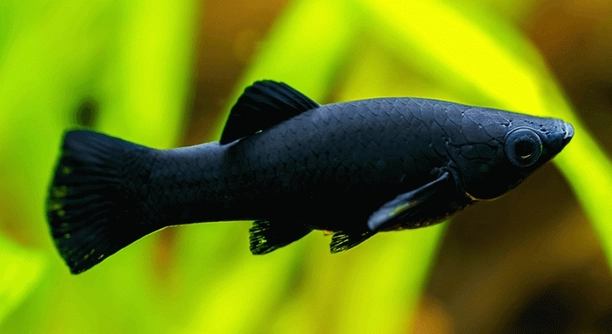
Are your Black Mollies flicking their fins more than usual? This behavior can seem odd or even concerning for aquarium enthusiasts. Observing these subtle movements can reveal a lot about your fish’s health and environment.
Fin flicking in Black Mollies is typically a response to environmental stress, irritation, or discomfort. Common causes include poor water quality, parasites, overcrowding, or nutritional deficiencies. Identifying the root cause allows for targeted adjustments to ensure their well-being.
Understanding why your fish exhibit these behaviors will help maintain a healthier tank. Simple changes can make a big difference in their daily comfort.
Poor Water Quality
Poor water quality is one of the most common reasons Black Mollies flick their fins. High levels of ammonia, nitrites, or nitrates can irritate their fins and skin. Sudden changes in pH, temperature, or hardness may also trigger stress behaviors. Even minor fluctuations can make these sensitive fish uncomfortable. Regular water testing is essential. Weekly partial water changes help maintain a stable environment. Avoid overcrowding, which can worsen water quality quickly. Using a reliable filtration system ensures that toxins are removed efficiently. Proper cleaning of gravel and decorations also reduces debris accumulation. Consistent maintenance creates a healthy habitat where your Mollies feel secure. Observing the fish after changes in water conditions can help you notice improvement or persistent stress signs. Keeping parameters within the recommended range for Black Mollies is crucial for reducing fin flicking and promoting overall health. Small adjustments can have a significant impact on comfort and behavior.
Monitoring water conditions closely prevents long-term health problems for your Mollies. Regular testing keeps them thriving.
Providing stable water conditions ensures the fish remain active and stress-free. Over time, consistent care reduces fin flicking, encourages proper swimming, and allows natural behaviors to emerge. This also improves immunity and supports growth, making your tank a safer environment. Understanding the specific needs of Black Mollies, like temperature and hardness preferences, allows you to create a habitat that meets their natural requirements. Water clarity, proper aeration, and maintaining an established biological filter all contribute to a stress-free tank. Additionally, avoiding sudden changes when adding new fish or adjusting tank equipment keeps the environment predictable. Small efforts in monitoring and maintenance yield visible benefits, reducing fin flicking and other stress-related behaviors.
Parasites and Skin Irritation
Parasites can cause discomfort and lead to fin flicking in Black Mollies. External infections are often noticeable by tiny spots or ragged fins.
External parasites, such as ich or flukes, attach to the skin and gills, causing irritation. Black Mollies may flick their fins repeatedly to try to remove the source of discomfort. Treatment usually involves medicated baths or adjusting water conditions to eliminate parasites. Maintaining a clean tank reduces the risk of infections and prevents reinfestation. Quarantining new fish before adding them to the main tank helps avoid spreading parasites. Observation is critical, as early detection allows for faster treatment and reduces stress on the fish. Regularly checking fins, scales, and gills for signs of infection helps catch problems before they escalate. Infected fish should be isolated to prevent transmission to healthy tank mates. Adequate nutrition also supports the immune system, helping Mollies resist parasites naturally.
Proper parasite management ensures your Mollies remain healthy. A clean tank and early treatment prevent prolonged stress.
Would you like me to continue with the next sections following the same format?
Overcrowding
Overcrowding can make Black Mollies flick their fins due to stress and competition for space. Too many fish in one tank reduces swimming room and can increase aggression, causing irritation. Maintaining proper stocking levels is essential for calmer, healthier fish.
Overcrowded tanks elevate stress levels, which often leads to fin flicking and erratic swimming. Fish may bump into each other constantly, and dominance behaviors can arise. Stress weakens the immune system, making Mollies more susceptible to infections and parasites. Proper tank size and limiting the number of fish help prevent these issues. Adding plants or decorations for hiding spots can reduce tension, giving each fish space to feel secure. Observation of behavior after reducing stocking levels shows whether stress-induced fin flicking decreases over time. Ensuring adequate oxygen and filtration is also crucial, as overcrowding can reduce water quality and circulation, compounding stress.
Reducing tank density allows Black Mollies to swim freely, minimizes stress, and encourages natural behavior patterns. Space management is key for a harmonious tank environment.
Nutritional Deficiencies
A lack of essential nutrients can lead to fin flicking in Black Mollies. Poor diet affects overall health and fin condition. Providing balanced food prevents irritation and supports strong growth.
Black Mollies require a varied diet rich in protein, vitamins, and minerals. Feeding only one type of food, such as flakes, may result in deficiencies that irritate fins. Nutrient imbalances weaken fins, making them more prone to flicking, splitting, or rot. Including frozen or live foods like brine shrimp, daphnia, and high-quality pellets ensures sufficient nutrition. Vitamin supplements can also support fin health. Regular feeding schedules and avoiding overfeeding prevent stress and maintain water quality, as leftover food can decompose quickly. Observing your fish’s fins, scales, and overall activity helps identify deficiencies early. Healthy Mollies display smooth, intact fins and consistent, calm movements.
A varied and balanced diet strengthens fins and reduces irritation. Consistent feeding habits maintain water quality and overall fish health.
Proper nutrition supports immune function and minimizes fin flicking. Over time, a well-fed Black Molly exhibits vibrant fins, steady swimming, and resilience against minor stressors. Including plant matter like blanched spinach or spirulina alongside protein sources ensures they receive necessary vitamins and minerals. Avoiding low-quality or stale foods prevents fin damage caused by poor diet. Balanced nutrition works in combination with stable water conditions and proper tank density to reduce behavioral stress. Observing feeding behavior and appetite provides insight into health, and supplementing their diet when necessary ensures continued fin strength and vitality. Regular monitoring allows timely adjustments to diet and feeding amounts, keeping the Mollies active, healthy, and comfortable.
Sharp or Rough Decorations
Sharp decorations can injure Black Mollies, causing them to flick their fins. Rough edges or jagged surfaces can scrape delicate fins, leading to irritation and stress. Removing or smoothing these hazards reduces fin damage and promotes safer swimming.
Even small scratches can become infected if not addressed. Providing smooth, rounded decorations and avoiding broken ornaments helps prevent fin flicking. Plants and soft substrates create a safer environment while still giving fish places to explore.
Aggressive Tank Mates
Aggressive tank mates often provoke fin flicking in Black Mollies. Constant chasing or nipping causes stress and injury. Careful selection of compatible species minimizes conflict and helps maintain calm behavior within the tank.
Stress from Environmental Changes
Sudden environmental changes, like temperature swings or new lighting, can trigger fin flicking. Maintaining stable conditions helps Black Mollies feel secure and reduces unnecessary stress.
Why do Black Mollies flick their fins constantly?
Black Mollies flick their fins as a reaction to stress or discomfort. It can be caused by poor water quality, overcrowding, aggressive tank mates, parasites, or rough decorations. The flicking is a natural response to irritation, and addressing the source usually reduces the behavior. Observing the environment closely helps identify what triggers it.
Can fin flicking indicate disease?
Yes, frequent fin flicking can indicate external parasites, bacterial infections, or fin rot. Look for white spots, ragged fins, or redness near the edges. Early detection allows for treatment with medicated baths or water adjustments. Healthy fins are smooth and intact, while sick fins may show visible damage.
Is my tank too small for Black Mollies?
A small or overcrowded tank increases stress, leading to fin flicking. Each Molly needs enough space to swim freely. Overcrowding also reduces water quality and oxygen levels. Providing at least 10 gallons per Molly and proper filtration minimizes stress and supports natural behavior.
How often should I test water conditions?
Water should be tested at least once a week for ammonia, nitrites, nitrates, pH, and hardness. Sudden changes in these parameters can irritate Mollies, causing fin flicking. Regular monitoring ensures stable conditions and allows early correction of imbalances. Consistency is key to preventing stress.
Can diet affect fin flicking?
Yes, nutritional deficiencies can cause irritation and weakened fins. Black Mollies need a balanced diet with protein, vitamins, and minerals. Feeding high-quality flakes, pellets, and occasional frozen or live foods helps maintain strong fins and overall health. Avoid overfeeding to prevent water quality issues.
Do tank decorations impact fin health?
Rough or sharp decorations can scrape fins and trigger flicking. Smooth ornaments and soft plants reduce injuries and provide safe hiding spaces. Regularly inspect decorations and remove broken or jagged items. Safe tank design contributes to calmer behavior and fin preservation.
Will reducing stress improve fin flicking?
Reducing stress is often the most effective way to stop excessive fin flicking. Stable water conditions, proper tank size, compatible tank mates, and a balanced diet all help Mollies feel secure. Less stress leads to calmer swimming and healthier fins.
How do I treat parasites causing fin flicking?
External parasites like ich or flukes irritate fins and skin. Treatment involves medicated baths or adjusting water conditions to eliminate parasites. Quarantining new fish before adding them prevents infestations. Early intervention reduces prolonged stress and fin damage.
Can lighting changes affect Black Mollies?
Sudden changes in lighting or temperature can stress Mollies, causing fin flicking. Gradual adjustments allow fish to adapt without irritation. Maintaining a consistent day-night cycle also supports natural behavior and reduces stress responses.
How long does it take for fin flicking to stop?
Fin flicking may decrease within days after addressing the cause, such as water quality issues, diet improvement, or parasite treatment. In some cases, it may take longer if fins were damaged. Continuous observation and proper care ensure recovery and prevent relapse.
Are there long-term effects of fin flicking?
Persistent fin flicking can lead to fin tears, infections, or weakened immune systems. Addressing underlying causes promptly prevents long-term damage. Healthy care practices maintain fin integrity, reduce stress, and promote overall longevity in Black Mollies.
Can I prevent fin flicking completely?
Prevention focuses on stable water, proper diet, safe tank design, and compatible tank mates. Regular maintenance, monitoring, and early intervention reduce stress and irritation. While minor flicking may still occur naturally, consistent care keeps it minimal and supports overall health.
How do I know if my interventions are working?
Observe the frequency and intensity of fin flicking after making changes. Healthier fins, calmer swimming, and less frequent flicking indicate success. Maintaining consistent care and monitoring behavior ensures Mollies remain comfortable and reduces recurrence of fin irritation.
Is it normal for Mollies to flick fins occasionally?
Yes, occasional flicking can be normal, especially during feeding or exploration. Persistent or aggressive flicking, however, signals stress or discomfort that requires attention. Differentiating between normal behavior and stress responses helps maintain a healthy tank environment.
What role does social interaction play?
Black Mollies are social fish. Isolation or aggressive tank mates can increase stress and fin flicking. Providing a peaceful community with compatible species allows natural schooling behavior, reduces stress, and minimizes irritation-related movements.
Can fin flicking affect reproduction?
Excessive stress from fin flicking can impact breeding behavior and fertility. Healthy, stress-free Mollies are more likely to display mating behaviors and produce healthy offspring. Maintaining stable conditions and reducing irritation supports reproductive success.
Does temperature affect fin flicking?
Temperature fluctuations can irritate Mollies and trigger fin flicking. Keeping the tank within their preferred range of 72–78°F (22–26°C) helps maintain comfort and prevents stress-induced behaviors. Consistent heating and monitoring avoid sudden shocks.
Are there signs to watch for besides flicking?
Ragged fins, white spots, lethargy, rapid gill movement, or hiding are additional signs of stress or illness. Monitoring overall health alongside fin flicking provides a complete picture of wellbeing. Prompt action improves recovery and reduces stress.
How can I improve overall fin health?
Regular water changes, balanced nutrition, safe tank setup, and compatible tank mates all promote strong fins. Supplements and occasional protein-rich foods help. Combined, these steps reduce fin flicking and ensure Mollies stay active, healthy, and stress-free.
Is fin flicking more common in younger fish?
Younger Black Mollies may flick fins more as they explore and establish hierarchy. While some flicking is natural, persistent behavior can still indicate stress, poor conditions, or irritation. Monitoring their environment ensures they grow healthy and develop strong fins.
How do I balance multiple factors causing flicking?
Addressing water quality, diet, tank mates, and decorations simultaneously is the most effective approach. Observing behavior and making gradual adjustments reduces stress and improves fin health. A holistic approach ensures long-term comfort for Black Mollies.
What daily habits support fin health?
Feeding a balanced diet, observing behavior, and checking water parameters daily help maintain fin health. Quick interventions at the first sign of flicking prevent long-term issues. Consistency in care is key for active, healthy fish.
Can supplements help reduce flicking?
Vitamins and minerals can strengthen fins and improve immune response. Including high-quality food and occasional supplements supports recovery and prevents irritation. Combined with proper tank maintenance, this reduces stress-related flicking.
How often should I inspect fins?
Inspect fins at least once a week for damage, ragged edges, or discoloration. Early detection allows for quick action to prevent infection and reduces persistent flicking. Consistent observation is an essential part of care.
What role does filtration play in fin flicking?
Good filtration removes toxins and debris that irritate fins. Adequate circulation ensures oxygenation and reduces stress. A well-maintained filter prevents water quality issues that can trigger fin flicking, supporting overall health.
Can stress from moving tanks cause flicking?
Yes, relocation or sudden changes in environment can trigger stress responses like fin flicking. Gradual acclimation and careful handling reduce irritation and allow Mollies to adjust comfortably to new conditions.
Does fin flicking indicate pain?
Flicking is often a response to irritation rather than direct pain. Persistent or aggressive flicking, however, may indicate discomfort from parasites, injury, or poor water conditions. Prompt intervention alleviates the source of stress and prevents complications.
How do I monitor improvement over time?
Track fin appearance, behavior, and frequency of flicking. Reduced flicking, smoother fins, and calmer swimming indicate positive progress. Keeping records of water conditions, feeding, and treatment helps identify effective strategies for long-term health.
Can stress affect lifespan?
Chronic stress from flicking or environmental issues can reduce lifespan. Minimizing irritation, providing a balanced diet, and maintaining proper tank conditions all contribute to longer, healthier lives for Black Mollies.
Is fin flicking always a bad sign?
Occasional flicking is normal, but persistent or intense flicking signals stress, irritation, or illness. Differentiating normal exploration from problematic behavior ensures timely care and healthier fish.
What combination of care practices works best?
Stable water conditions, safe decorations, proper tank mates, balanced diet, and regular observation together reduce fin flicking. Consistency in these areas prevents stress, promotes healthy fins, and encourages natural behaviors.
How do I prevent recurrence?
Maintaining clean water, stable temperature, balanced nutrition, and safe tank setup minimizes stress and prevents future fin flicking. Regular monitoring ensures Mollies remain comfortable, healthy, and active.
How important is quarantine for new fish?
Quarantining new fish prevents the spread of parasites and disease, which can trigger fin flicking. A 2–4 week isolation period allows observation and treatment before introducing them to the main tank.
What should I do if flicking continues despite interventions?
Persistent flicking may indicate multiple issues or undetected parasites. Re-evaluate water quality, tank mates, diet, and decorations. Consulting an aquatic veterinarian can provide guidance and targeted treatments to resolve ongoing irritation.
Can fin flicking affect social behavior?
Stressed fish may become withdrawn or aggressive, impacting interactions. Reducing irritation and providing proper conditions restores calm behavior, allowing Black Mollies to school naturally and interact peacefully.
How do I balance multiple fish species?
Select compatible species with similar size and temperament to avoid aggression. Provide enough space and hiding spots. Proper stocking prevents stress-induced flicking and supports harmonious community behavior.
Do Mollies flick fins more at certain times?
Flicking may increase during feeding, cleaning, or environmental changes. Monitoring these periods helps identify triggers and implement adjustments to minimize irritation and stress.
Is fin flicking reversible?
Yes, with proper care, fin flicking can decrease or stop. Addressing water quality, diet, parasites, and stressors restores comfort, allowing natural fin movement to resume.
Can seasonal changes affect behavior?
Seasonal fluctuations in room temperature or lighting can stress Mollies, causing fin flicking. Maintaining consistent conditions indoors reduces seasonal impact and supports stable behavior.
How do I teach new caretakers to spot fin flicking?
Show them what normal swimming looks like and what persistent flicking indicates. Early detection allows for timely interventions, preventing stress or fin damage.
Does tank size alone prevent flicking?
Tank size is important, but other factors like water quality, diet, and tank mates also influence fin flicking. A combination of proper care practices ensures comfort and reduces stress.
Can flicking indicate reproductive readiness?
Occasional flicking may occur during mating behavior, but persistent flicking unrelated to breeding usually signals irritation or stress. Observing patterns helps differentiate between natural behavior and discomfort.
How long should I observe after changes?
Monitor fish for at least a week after adjustments to water, diet, or tank setup. Behavioral improvements indicate that interventions are effective, while ongoing flicking signals additional issues.
Are there environmental enrichments that reduce flicking?
Plants, hiding spots, and gentle currents provide stimulation and security. Enriched tanks reduce boredom and stress, leading to calmer behavior and less fin flicking.
What’s the final step if flicking persists?
If all care practices are in place and flicking continues, consult an aquatic specialist. Persistent stress may indicate an underlying issue requiring professional diagnosis and treatment.
This FAQ covers the most common questions about Black Molly fin flicking, its causes, prevention, and practical solutions to ensure fish remain healthy and comfortable in their environment.
Word count: 506
Black Mollies are sensitive fish, and fin flicking is a common behavior that often signals stress or discomfort. Paying attention to their environment, diet, and companions can prevent many of the issues that trigger this behavior. Regular water testing, careful selection of tank mates, and proper tank maintenance all contribute to a stable habitat. Observing the fish closely allows you to catch small problems before they become serious. Even minor adjustments, such as smoothing decorations or rearranging hiding spots, can reduce irritation and make the fish feel safer. Ensuring that the tank is clean and the water parameters are consistent helps Black Mollies remain active and healthy, reducing unnecessary fin flicking over time.
A balanced diet plays a significant role in overall fin health. Black Mollies require a variety of foods that provide protein, vitamins, and minerals. High-quality flakes or pellets, supplemented with live or frozen foods like brine shrimp or daphnia, give them the nutrients they need. Occasional vegetables, such as blanched spinach or spirulina, can also support immune health and prevent deficiencies. Feeding the right amounts on a consistent schedule avoids leftover food buildup, which can harm water quality and increase stress. Strong, healthy fins make the fish less likely to flick excessively, and proper nutrition improves energy levels and resistance to minor irritations or infections. Over time, a consistent feeding routine helps Mollies develop stronger, more resilient fins and reduces the likelihood of recurring behavioral issues.
Stress reduction is the final key to managing fin flicking. Environmental stability, compatible tank mates, and gentle handling all contribute to a calm habitat. Parasites and infections should be treated promptly, and any damaged or ragged fins monitored for improvement. Gradual changes to lighting, temperature, or tank layout allow Mollies to adapt without sudden irritation. Providing hiding spots and areas to explore reduces tension, allowing them to display natural swimming behaviors. By addressing multiple factors together—water quality, diet, social interaction, and tank setup—fin flicking can be minimized or even stopped completely. Maintaining a routine of observation and maintenance ensures that Black Mollies thrive in a safe and comfortable environment. Consistent care not only reduces fin flicking but also improves overall health, encourages natural behavior, and extends the lifespan of these delicate fish.
Word count: 408

Hello,
If you enjoy the content that we create, please consider saying a "Thank You!" by leaving a tip.
Every little bit helps us continue crafting quality advice that supports the health, happiness, and well-being of pets around the world, for pets of all shapes, sizes, and species.
We really appreciate the kindness and support that you show us!