
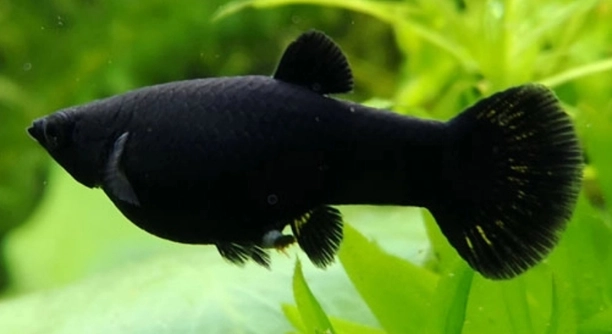
Are your black mollies swimming alone in the tank, looking a bit lonely? Many fish owners want to add companions but worry about compatibility. Choosing the right tank mates can make your aquarium lively and peaceful.
Black mollies can coexist with a variety of peaceful fish species that share similar water conditions and temperaments. Suitable tank mates include guppies, platies, swordtails, corydoras, neon tetras, otocinclus, and snails, ensuring a harmonious and balanced aquarium environment.
Adding compatible companions not only livens up the tank but also promotes healthier social behaviors and reduces stress for your mollies.
Guppies
Guppies are small, colorful fish that usually get along well with black mollies. Their peaceful nature makes them easy to keep together in the same tank. Guppies are active swimmers, so they bring movement to the aquarium without disturbing mollies. Both species enjoy similar water conditions, preferring slightly alkaline water and temperatures between 72–82°F. Guppies also thrive on similar diets, eating flakes, frozen foods, and small live foods. They are hardy and adapt well to community tanks. Adding guppies can create a more vibrant tank without causing stress. Mollies generally do not show aggression toward guppies, and they often swim together calmly. Keeping a small group of guppies ensures they feel secure, as they are naturally social fish. It is important to maintain proper filtration and avoid overcrowding to keep both species healthy. Regular water changes help prevent algae and maintain clean water for all tank inhabitants.
Guppies help keep your tank visually appealing and maintain harmony with mollies.
For successful cohabitation, avoid placing aggressive guppies with mollies. Monitor their interactions and ensure each fish has enough space. Plants and decorations provide hiding spots that reduce stress and create natural boundaries. Feeding at different levels helps prevent competition for food. Guppies breed easily, so consider population control to prevent overcrowding. Their small size and active swimming make them ideal companions for black mollies, encouraging a lively but peaceful aquarium environment without disrupting daily routines.
Platies
Platies are peaceful, adaptable fish that thrive with black mollies.
Platies share water preferences with mollies and have calm temperaments. They eat similar foods and tolerate a range of temperatures, making them low-maintenance companions.
Platies come in many colors, adding beauty to a tank without causing conflict. They are hardy and resistant to minor water fluctuations, which makes them ideal for beginners or mixed-species tanks. Platies enjoy open swimming areas but also appreciate plants or caves for hiding. Their social nature encourages group activity, which complements the mollies’ gentle behavior. When kept in pairs or small groups, platies feel secure and remain active. Avoid overcrowding the tank to reduce stress and maintain water quality. Regular monitoring of water parameters, combined with feeding schedules that meet both species’ dietary needs, ensures a stable environment. With platies, black mollies remain calm and confident, and both species benefit from a harmonious habitat that supports growth and activity. Proper care and observation will help maintain a thriving, peaceful aquarium.
Swordtails
Swordtails are active, peaceful fish that live well with black mollies. They share similar water and temperature preferences, making them compatible in community tanks. Their calm nature ensures minimal stress, while their bright colors enhance the visual appeal of the aquarium.
Swordtails are hardy and adapt to slightly alkaline water, similar to black mollies. They prefer swimming in open areas but also appreciate plants for hiding. Swordtails eat flakes, frozen foods, and small live foods, which aligns with the mollies’ diet. Keeping them in groups reduces aggression and encourages natural behaviors. They can coexist peacefully with mollies, but it’s important to avoid overcrowding the tank. Regular water maintenance ensures both species remain healthy, active, and stress-free.
Male swordtails may display minor territorial behaviors, but conflicts are rare in well-maintained tanks. Providing decorations and plants allows natural boundaries. Feeding at different levels helps avoid competition. Both species thrive when water conditions are stable, and their combined activity adds life to the aquarium. Swordtails’ playful swimming complements mollies, creating a balanced, lively environment that feels natural and calm.
Corydoras
Corydoras are small, bottom-dwelling fish that are peaceful and compatible with black mollies. They help keep the tank clean by scavenging leftover food, which benefits all inhabitants.
Corydoras thrive in soft to moderately hard water and temperatures ranging from 72–78°F, matching black mollies’ preferred conditions. They prefer sandy or smooth substrate to protect their delicate barbels and enjoy hiding among plants or decorations. Corydoras are social fish and should be kept in groups of at least three to feel secure. They mainly feed on leftover flakes, small pellets, and live or frozen foods. Their gentle nature ensures they do not disturb mollies, while their bottom-dwelling habits complement mollies’ mid-to-top swimming. Regular tank cleaning, water changes, and observation of their health keep the group active and thriving.
Corydoras provide peaceful coexistence and cleaning benefits without competing with mollies. Their small size and social behavior add subtle movement to the tank. By keeping them in groups and monitoring water parameters, you maintain a balanced ecosystem. Feeding them at the bottom ensures they receive proper nutrition. Their presence encourages mollies to swim freely in the upper areas, reducing potential stress. Overcrowding should be avoided to prevent competition and maintain healthy interactions. Both species benefit from stable temperatures and proper care, making them ideal companions.
Neon Tetras
Neon tetras are small, peaceful fish that swim in schools, making them compatible with black mollies. Their calm behavior ensures they do not stress out the mollies, and their bright colors bring life to the tank without causing conflict.
Keeping neon tetras in groups of six or more helps them feel secure. They thrive in slightly acidic to neutral water, so it’s important to monitor water parameters when keeping them with mollies. Their diet consists of flakes, micro-pellets, and occasional live foods. Neon tetras occupy the mid-to-upper levels of the tank, complementing the mollies’ swimming zones. Proper tank space and hiding spots reduce stress and encourage natural schooling behavior.
Otocinclus
Otocinclus are small algae-eating fish that peacefully coexist with black mollies. They help maintain clean surfaces by grazing on algae and do not compete for food or territory.
Otocinclus prefer stable water conditions, slightly alkaline pH, and a temperature range of 72–78°F. They are social and should be kept in groups of at least three to prevent stress. Their gentle nature ensures they stay out of the way of active mollies while providing a natural cleaning function. Feeding them algae wafers or blanched vegetables supplements their diet. A well-planted tank with smooth surfaces and hiding spots encourages healthy behavior. Regular monitoring of water quality supports their overall health and longevity.
Snails
Snails are low-maintenance tank companions that coexist peacefully with black mollies. They clean leftover food and algae without disturbing other fish, keeping the aquarium environment balanced and tidy.
FAQ
What makes a good tank mate for black mollies?
A good tank mate for black mollies is peaceful, shares similar water conditions, and does not compete aggressively for food. Ideal species swim in the same temperature range of 72–82°F and tolerate slightly alkaline water. They should be social or adaptable enough to coexist without stressing the mollies. Avoid aggressive or overly territorial fish. Small, calm species like guppies, platies, swordtails, corydoras, neon tetras, otocinclus, and snails fit these requirements. Providing plants and hiding spots reduces stress and promotes natural behavior. Regular monitoring of interactions ensures a stable, harmonious environment for all species.
Can black mollies live with larger fish?
Black mollies can sometimes live with larger fish, but it depends on the temperament of the bigger species. Aggressive or predatory fish may stress or harm mollies, so avoid cichlids or other territorial species. Peaceful medium-sized fish that swim calmly and eat compatible foods can work, but observation is essential. It’s important to ensure tank space is sufficient, with enough hiding spots for mollies to escape if necessary. A balanced ratio of fish helps reduce competition and encourages healthy social behavior. Overcrowding should be avoided to maintain water quality and minimize stress.
Do black mollies breed with their tank mates?
Black mollies are livebearers and can reproduce easily, especially when males and females are together. They generally breed with their own species, but crossbreeding with other species like platies or swordtails is possible. To manage breeding, separate males and females if necessary or provide plenty of hiding spots for fry. Plants, decorations, and dense foliage allow young fish to survive. Regular monitoring helps prevent overpopulation, which can lead to water quality issues and stress. Feeding a varied diet supports healthy growth of both adults and fry. Breeding behavior may increase activity and territorial tendencies temporarily.
Are black mollies compatible with bottom-dwelling fish?
Yes, black mollies are compatible with most bottom-dwelling fish. Corydoras and otocinclus are excellent companions because they occupy the lower tank levels while mollies swim in the middle and upper areas. This separation reduces competition and allows all species to have their own space. Bottom-dwellers help clean leftover food and algae without disturbing mollies. Providing a soft substrate protects their barbels, and plants or hiding spots enhance comfort. Feeding should accommodate both levels of the tank, ensuring all fish get proper nutrition. Balanced water conditions keep all species healthy and stress-free.
How many tank mates can I keep with black mollies?
The number of tank mates depends on the tank size and filtration. A general rule is one inch of fish per gallon, but active swimmers like mollies may require more space. Overcrowding can cause stress, reduce water quality, and increase disease risk. A mix of peaceful species in appropriate ratios works best. For example, a 20-gallon tank can house 4–5 mollies with a small group of guppies or platies, plus a few bottom dwellers. Regular water changes and proper filtration are essential. Observing behavior ensures no fish becomes aggressive or stressed.
Do black mollies require special care with snails?
Black mollies and snails usually coexist without problems. Snails help clean algae and leftover food, while mollies remain unaffected. Avoid introducing aggressive snail-eating fish that could harm mollies. Provide adequate space and maintain clean water to support both species. Monitor for overpopulation of snails, which can occur if there is excess food. A balanced diet ensures mollies stay healthy, while snails continue their cleaning role. Plants and decorations offer hiding spots for snails, reducing stress. Proper care of both species creates a balanced tank environment that benefits mollies and snails alike.
What should I feed tank mates of black mollies?
Tank mates of black mollies generally require similar diets: flakes, pellets, and occasional live or frozen foods. Bottom-dwellers like corydoras and otocinclus may need sinking foods or blanched vegetables. Algae-eating snails supplement their diet naturally. Feeding at different levels ensures all fish receive proper nutrition and prevents competition. A varied diet supports growth, coloration, and overall health. Avoid overfeeding to maintain water quality. Monitoring the fish during feeding ensures no one is left hungry. Consistent feeding routines create a peaceful and balanced aquarium environment where all species thrive.
Can black mollies live with schooling fish?
Yes, black mollies coexist well with peaceful schooling fish like neon tetras or guppies. Schooling behavior creates security for smaller fish and adds movement to the tank without stressing mollies. Keep schools in groups of six or more to ensure they feel safe and display natural behavior. Sufficient swimming space, hiding spots, and stable water conditions support healthy interactions. Feeding routines should accommodate both mid-level and top-level feeders. Balanced tank composition prevents aggression and promotes harmony. Observing their behavior ensures that all species maintain calm, stress-free coexistence while thriving together.
Final Thoughts
Black mollies are peaceful, adaptable fish that do best when they share their tank with compatible companions. Choosing the right tank mates is important for a healthy, balanced aquarium. Fish that swim calmly, tolerate similar water conditions, and do not compete aggressively for food are the best choices. Species such as guppies, platies, swordtails, corydoras, neon tetras, otocinclus, and snails fit these criteria. Keeping these companions ensures the mollies feel comfortable and reduces stress, which is essential for their overall health. Overcrowding should be avoided, as it can lead to water quality issues and conflicts among fish. Adequate space, hiding spots, and regular maintenance help maintain a peaceful environment that allows all species to thrive.
Providing compatible tank mates is only part of the care black mollies need. Feeding routines should be designed to meet the needs of all inhabitants. Flakes, pellets, and small live or frozen foods work well for mollies and many of their companions. Bottom-dwelling species like corydoras and otocinclus benefit from sinking foods or blanched vegetables, while snails naturally help clean leftover food and algae. Plants, decorations, and hiding spots create areas of security for smaller or more timid fish, preventing stress and reducing territorial behavior. Maintaining stable water parameters, performing regular water changes, and monitoring interactions among fish ensures a harmonious tank. With these steps, mollies and their tank mates can coexist successfully, providing a lively but calm aquarium environment.
The combination of black mollies and the right companions creates a dynamic yet peaceful tank that is enjoyable to watch and easy to care for. Social fish like guppies, platies, and neon tetras add movement, while bottom-dwellers and snails provide cleaning support. Careful planning and observation allow all species to live together without conflict. Breeding behavior, population control, and careful feeding also play a role in maintaining balance. By selecting compatible companions, monitoring the tank, and providing proper care, black mollies thrive and display their natural behaviors. The result is a well-maintained, visually appealing, and healthy aquarium where each species benefits from the presence of the others, ensuring a long-term, sustainable habitat.

Hello,
If you enjoy the content that we create, please consider saying a "Thank You!" by leaving a tip.
Every little bit helps us continue crafting quality advice that supports the health, happiness, and well-being of pets around the world, for pets of all shapes, sizes, and species.
We really appreciate the kindness and support that you show us!