
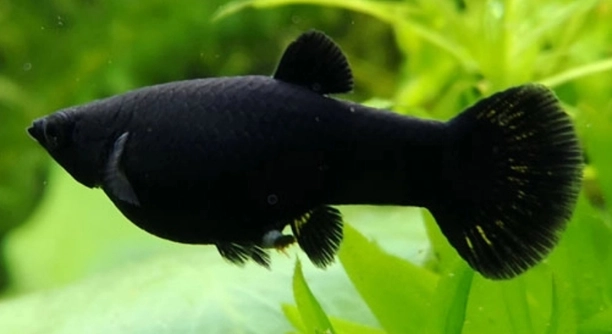
Keeping fish at home can be a relaxing hobby, and black mollies are popular for their sleek look and peaceful nature. Many people enjoy them as a low-maintenance addition to their space. But their care needs are often underestimated.
Black mollies cannot thrive in a small bowl environment. They require sufficient swimming space, stable water conditions, and proper filtration. Bowls often lead to stress, poor water quality, and higher risk of illness, which can significantly reduce their lifespan.
Proper care for black mollies involves more than just adding water. Understanding their specific needs helps ensure a healthier, longer life in your home aquarium.
Why Bowls Are Problematic for Black Mollies
Many people think a small bowl is enough for black mollies, but it quickly becomes unsafe. Bowls hold very little water, which can heat up or cool down rapidly, stressing the fish. Without proper filtration, waste builds up fast, and the water can become toxic. Black mollies need room to swim actively, and a cramped space limits their natural behavior. They also prefer slightly salty water, which is difficult to maintain in a small container. Over time, lack of oxygen and poor water quality can cause health issues such as fin rot or stunted growth. Even with frequent water changes, a bowl cannot provide stable conditions. For black mollies to live long and stay healthy, a properly sized tank with a filter, heater, and regular maintenance is essential. Investing in the right setup helps them thrive instead of just survive.
Bowls might seem convenient, but they create stressful and unsafe conditions for black mollies.
A proper tank gives black mollies space to swim freely, improves water quality, and reduces stress. Stable water temperature and filtration allow them to exhibit natural behavior. With a larger environment, they can interact with plants, hide when they feel threatened, and grow to their full size. A well-maintained tank also makes feeding easier and ensures waste does not accumulate, preventing illness. Regular monitoring of water parameters and consistent care ensures long-term health. Black mollies are active fish, and a proper environment supports their energy and social behavior. Even a small tank of at least 20 gallons is much better than a bowl, providing a balance between manageability and proper habitat. Creating the right environment is simple but makes a huge difference in their well-being and lifespan.
Alternatives to Keeping Black Mollies in Bowls
Small bowls can be unsafe and should be avoided for black mollies.
Using a tank of at least 20 gallons with a filter is the best approach. A larger tank allows stable water conditions, proper oxygen levels, and room for swimming. Plants and hiding spots reduce stress and make the environment feel more natural. Regular water testing and partial changes prevent toxic buildup. Heating may be required for consistent temperature, especially in cooler homes. Bowls lack space and stability, so they cannot replace a proper tank. Simple adjustments, like adding a small filter or air pump, help, but a full tank is the safest option. Planning for a tank from the start prevents health problems, makes care easier, and allows the black mollies to thrive instead of struggle.
Proper Tank Setup for Black Mollies
A proper tank gives black mollies space to swim and maintain health. At least 20 gallons is recommended, with a filter, heater, and hiding spots. Plants help reduce stress and improve water quality, creating a more natural environment.
Filtration is essential because it removes waste and prevents toxic buildup. Black mollies are sensitive to sudden changes in water parameters, so a steady environment helps them thrive. Using a gentle filter ensures they are not stressed by strong currents. Decorations like plants and rocks offer hiding spaces, which reduce aggression and make them feel secure. Water temperature should stay consistent, around 75–82°F, and partial water changes should be done weekly. Monitoring water for ammonia, nitrites, and nitrates ensures their habitat remains safe. A well-planned tank prevents illness, supports natural behavior, and allows black mollies to grow properly, giving them a longer, healthier life in your care.
Lighting and substrate matter too. Moderate lighting mimics natural conditions, and smooth gravel prevents injury. Black mollies enjoy exploring, so avoid overcrowding. Regular maintenance ensures a clean tank without stressing the fish.
Feeding and Care Tips
Black mollies need a balanced diet for healthy growth. Offer high-quality flake food, supplemented with live or frozen foods like brine shrimp or daphnia.
Feed small amounts two to three times daily. Overfeeding can foul the water and cause health problems. Removing uneaten food prevents ammonia spikes, which can stress or harm the fish. Observing their eating behavior ensures all fish get enough to eat, and rotating foods provides necessary nutrients. Vegetables such as blanched spinach or zucchini can be added occasionally to support digestion and overall health. A consistent feeding schedule helps maintain water quality, supports growth, and encourages active swimming. Proper feeding, combined with a well-maintained tank, gives black mollies the best chance to thrive in captivity, reducing stress and disease risk.
Water Quality Essentials
Regular water testing is important to keep black mollies healthy. Ammonia, nitrite, and nitrate levels must be monitored. Maintaining stable parameters prevents stress and disease.
Partial water changes of 25% weekly help keep the water clean. Tap water should be treated to remove chlorine or chloramines before adding it to the tank.
Temperature and Salinity
Black mollies prefer water temperatures between 75–82°F. A small heater helps maintain consistent warmth, especially in cooler rooms. They can tolerate slightly brackish water, which supports their overall health. Sudden changes in temperature or salinity can cause stress and make them more prone to illness.
Common Health Issues
Fin rot, ich, and stress-related illnesses are common in black mollies kept in poor conditions. Proper tank maintenance and monitoring prevent these problems. Regular observation helps catch early signs before they become severe.
Tank Companions
Black mollies are peaceful but can be stressed by aggressive fish. Choosing compatible tank mates supports a calm environment and encourages natural behavior.
Can black mollies survive in a bowl?
Black mollies can survive for a short time in a bowl, but it is not suitable for their long-term health. Bowls lack proper filtration, oxygen circulation, and stable water conditions. Without these, mollies can quickly develop stress-related illnesses or die prematurely. Short-term survival does not equal healthy living, and bowls often limit their swimming space and natural behavior.
What is the minimum tank size for black mollies?
A tank of at least 20 gallons is recommended for a small group of black mollies. Larger tanks are better, as they provide more swimming space, improve water quality, and allow for plants and decorations. Adequate space helps reduce stress, prevents aggressive behavior, and supports growth and long-term health. A crowded tank increases disease risk and lowers overall quality of life.
Do black mollies need a heater?
Yes, black mollies benefit from a heater, especially if room temperatures fluctuate. They thrive in water between 75–82°F. Consistent warmth reduces stress and supports digestion and immune function. Sudden drops in temperature can make them more susceptible to disease, while stable temperatures encourage active swimming and normal behavior. A small, reliable heater is usually sufficient for most home tanks.
How often should water be changed?
Partial water changes should be done weekly, typically 20–25% of the tank volume. This removes waste, prevents toxin buildup, and maintains water stability. Untreated tap water must be conditioned to remove chlorine or chloramines before adding it to the tank. Regular changes also help maintain healthy plants and prevent algae overgrowth.
Can black mollies live with other fish?
Black mollies are generally peaceful and can live with other non-aggressive fish of similar size. Avoid keeping them with large or aggressive species, as this can cause stress or injury. Suitable tank mates include guppies, platies, and swordtails. Providing hiding spots and plants helps reduce territorial conflicts and keeps the tank environment calm.
What should black mollies eat?
Black mollies need a varied diet for optimal health. High-quality flake food should be supplemented with live or frozen options like brine shrimp, daphnia, or bloodworms. Occasional vegetables such as blanched spinach, zucchini, or peas support digestion. Feed small amounts two to three times daily and remove uneaten food to prevent water contamination.
How can I prevent disease in black mollies?
Maintaining proper water conditions, a balanced diet, and a clean tank helps prevent disease. Avoid overcrowding and monitor fish regularly for signs of stress or illness. Quarantining new fish before adding them to the main tank reduces the risk of introducing pathogens. Early intervention is key to keeping black mollies healthy.
Do black mollies need salt in their water?
A small amount of aquarium salt can benefit black mollies, especially in freshwater tanks. It helps with gill function, reduces stress, and supports overall health. Use sparingly and follow dosage instructions, as too much salt can harm plants and sensitive tank mates. Salt is optional but can be beneficial in moderation.
How long do black mollies live?
With proper care, black mollies can live 3–5 years, sometimes longer in optimal conditions. Life expectancy depends on tank size, water quality, diet, and stress levels. Providing a stable environment, regular maintenance, and compatible tank mates helps ensure they live a full and healthy life.
Can black mollies breed in a home tank?
Yes, black mollies breed easily in home tanks. They are livebearers, meaning they give birth to free-swimming fry. Providing plants or breeding traps helps protect the young from being eaten by adults. A well-maintained tank with proper nutrition supports healthy reproduction and growth of fry.
Are black mollies sensitive to water changes?
Black mollies are sensitive to sudden water changes. Gradual adjustments prevent stress and maintain stable parameters. Small, regular changes are safer than infrequent large ones. Conditioning water before adding it to the tank and keeping temperature and pH consistent helps protect their health and reduces the risk of shock.
Why do black mollies need hiding spots?
Hiding spots reduce stress and encourage natural behavior. Plants, rocks, and decorations give black mollies places to feel secure and rest. A well-structured tank mimics their natural environment and helps prevent aggression, especially in groups. Safe spaces improve overall activity levels, comfort, and well-being in the tank.
Can black mollies live in cold water?
Black mollies do not thrive in cold water. Temperatures below 72°F can slow their metabolism, reduce appetite, and increase vulnerability to disease. Keeping water warm and stable ensures normal activity and supports growth. Using a heater is usually necessary, especially in cooler homes or during winter months.
Is tap water safe for black mollies?
Tap water can be safe if properly treated. Chlorine and chloramines must be removed with a water conditioner before adding it to the tank. Testing pH, hardness, and other parameters helps ensure a safe environment. Untreated tap water can harm black mollies and disrupt their habitat.
How can I tell if my black molly is stressed?
Signs of stress include clamped fins, lethargy, rapid gill movement, and loss of appetite. Stress often results from poor water quality, overcrowding, sudden changes, or aggressive tank mates. Identifying and correcting the cause promptly helps prevent illness and ensures the fish remain active and healthy.
Do black mollies require plants in their tank?
Plants are not strictly necessary, but they greatly improve the tank environment. They provide hiding spots, help filter water, reduce stress, and allow natural behaviors. Live plants also support oxygen levels and create a more stable ecosystem, contributing to healthier, happier black mollies overall.
Can black mollies survive without a filter?
They can survive for a short time without a filter, but it is not ideal. Lack of filtration leads to waste accumulation, toxic water, and oxygen depletion. A filter maintains water quality, reduces maintenance, and supports a stable environment, which is essential for their long-term health and activity.
How often should I check water parameters?
Testing water weekly is recommended to ensure safe levels of ammonia, nitrites, nitrates, and pH. Frequent monitoring helps detect problems early and prevents stress or disease. Consistent checks maintain a stable environment and support overall health, growth, and activity of black mollies.
Do black mollies prefer freshwater or brackish water?
Black mollies tolerate both, but slightly brackish water can improve health and coloration. Small amounts of aquarium salt can mimic natural conditions, supporting gill function and reducing stress. Maintaining consistent salinity levels is important, as sudden changes can cause illness or weaken their immune system.
Can black mollies live alone?
While they can survive alone, black mollies are social and do best in small groups. Isolation can lead to stress and reduced activity. Keeping at least two or three together promotes natural behavior, social interaction, and better overall health.
Do black mollies need a special diet for breeding?
Yes, a nutrient-rich diet supports reproduction. High-quality flake food supplemented with live or frozen foods encourages healthy development of fry. Providing vegetables occasionally ensures proper nutrition. A balanced diet improves fertility, increases survival rates of young, and keeps adults active and strong.
How quickly do black mollies grow?
Growth depends on diet, tank size, and water quality. With proper care, they grow steadily over several months. Stable conditions and sufficient space allow them to reach adult size without stress or stunted growth. Monitoring growth ensures they are healthy and thriving in the tank.
Can black mollies live in a community tank?
Yes, if tank mates are peaceful and similar in size. Aggressive or fin-nipping species can stress black mollies. Proper tank setup, hiding spaces, and balanced numbers prevent conflict. Community tanks can be healthy and active environments when carefully managed.
What is the best way to introduce black mollies to a new tank?
Acclimate them slowly to avoid shock. Float the bag in the tank to match temperature, then gradually mix small amounts of tank water before releasing them. Slow introduction reduces stress, prevents sudden parameter changes, and helps them adjust safely to the new environment.
Are black mollies hardy fish?
They are relatively hardy but still require proper care. Stable water conditions, a balanced diet, and a suitable tank reduce disease risk. While they tolerate minor fluctuations better than some species, long-term survival depends on maintaining a healthy and stress-free environment.
How do I know my black molly is healthy?
Healthy black mollies swim actively, eat regularly, have vibrant coloration, and show no signs of fin damage or illness. Observing behavior, appetite, and appearance regularly ensures early detection of potential problems. A clean tank, proper diet, and stable water contribute to overall health and longevity.
Can black mollies adapt to different water conditions?
They are adaptable to both freshwater and slightly brackish water, but changes should be gradual. Sudden shifts in pH, temperature, or salinity can cause stress and illness. Slow adjustment allows them to thrive in a variety of conditions while maintaining health and activity levels.
Do black mollies need a lot of space?
Yes, they need room to swim freely and display natural behaviors. A cramped environment increases stress and disease risk. At least 20 gallons for a small group is recommended, and larger tanks are better for long-term health and activity. Space improves quality of life and growth.
Can black mollies live with shrimp or snails?
They generally coexist well with peaceful invertebrates like snails or small shrimp. Avoid species that may be aggressive or too large. Plants and hiding spaces help protect invertebrates and reduce conflict. This combination can create a balanced, low-stress environment.
How often should black mollies be fed?
Feed two to three times daily with small portions. Remove uneaten food to prevent water contamination. Consistent feeding ensures proper nutrition, supports growth, and keeps the fish active. A balanced diet of flake, live, frozen foods, and occasional vegetables provides essential nutrients.
Do black mollies need a cover on the tank?
A lid prevents jumping and reduces stress from outside disturbances. Black mollies can leap during feeding or exploration, so a secure cover protects them and maintains a stable environment. Proper ventilation under the lid ensures oxygen levels remain safe.
Can black mollies live in hard water?
Yes, they tolerate moderately hard water. Extremely soft or acidic water may stress them. Stable parameters, regular testing, and gradual adjustments ensure their health. Monitoring water hardness contributes to overall well-being and longevity in the tank.
Are black mollies suitable for beginners?
They are a good choice for beginners because they are relatively hardy, peaceful, and easy to feed. However, proper tank setup, water quality maintenance, and care routines are still essential for success. Understanding their needs prevents common mistakes and ensures long-term health.
Do black mollies need special lighting?
Moderate lighting is sufficient. Too much light can encourage algae growth, while too little affects plant health and fish activity. Lighting should mimic natural day-night cycles, supporting normal behavior and overall well-being.
Can black mollies live in a nano tank?
Nano tanks are not ideal. Limited water volume leads to unstable conditions and rapid waste buildup. Small tanks make maintaining temperature, oxygen, and water quality difficult. A minimum of 20 gallons is recommended for healthy living and active behavior.
How do I treat sick black mollies?
Identify the disease, isolate the fish if necessary, and adjust water conditions. Treatments vary depending on the illness, including medication or improved care. Quick action prevents spread and supports recovery. Monitoring water and diet is essential for effective treatment and long-term health.
Can black mollies tolerate sudden pH changes?
No, sudden pH changes can stress black mollies and weaken their immune system. Gradual adjustments are necessary if pH modification is required. Maintaining stable water chemistry helps prevent disease and supports normal activity and growth.
Do black mollies need a quarantine tank?
Quarantining new fish is highly recommended. It prevents introducing diseases or parasites into the main tank. Observing newcomers in a separate tank for at least two weeks allows for early detection and treatment of health issues before they affect established fish.
Can black mollies live with bettas?
Bettas can be aggressive, especially males, and may harass black mollies. Careful observation is needed if kept together, along with hiding spots. Peaceful bettas or female-only groups may coexist, but aggression risk remains higher than with other community fish.
How do I clean a black molly tank safely?
Remove debris with a gravel vacuum, perform partial water changes, and clean surfaces gently. Avoid harsh chemicals. Maintain decorations and plants without disturbing fish excessively. Regular cleaning supports water quality, reduces disease risk, and keeps black mollies healthy and active.
Are black mollies prone to parasites?
Yes, poor water quality, stress, and overcrowding increase susceptibility to parasites. Observing behavior, maintaining clean conditions, and quarantining new fish reduce risk. Prompt treatment is essential to prevent serious health issues and ensure long-term survival.
Can black mollies live in a planted tank?
Yes, planted tanks provide hiding spots, improve water quality, and mimic natural habitats. Live plants reduce stress, encourage natural behavior, and create a more comfortable environment. Proper plant care ensures a balanced ecosystem that supports black mollies’ health and well-being.
Do black mollies require water movement?
Moderate water movement from a filter or air pump is beneficial. It improves oxygenation, reduces stagnant areas, and supports waste removal. Too strong a current can stress them, so balance is key. Proper water movement enhances overall health and activity levels.
How do I prevent overcrowding with black mollies?
Follow recommended tank size guidelines and avoid adding too many fish. Overcrowding leads to stress, disease, and poor water quality. Planning tank capacity based on fish size and social behavior ensures a healthy, balanced environment.
Are black mollies sensitive to ammonia?
Yes, even small amounts of ammonia can harm them. Regular water testing, partial changes, and filtration prevent toxic buildup. Monitoring water quality is crucial to avoid stress, illness, and long-term damage.
Can black mollies change color?
Black mollies may darken or lighten based on stress, age, or breeding. Healthy, unstressed fish maintain vibrant coloration. Observing changes helps identify potential issues with water, diet, or environment.
Do black mollies need a varied diet?
Yes, a mix of flake, live, frozen, and vegetable foods provides essential nutrients. Variety supports growth, immune health, and reproduction. Consistent, balanced feeding ensures active and healthy black mollies.
Can black mollies live with goldfish?
Goldfish are not ideal tank mates. They have different temperature and water requirements and produce heavy waste, which stresses black mollies. Keeping species with similar needs ensures health and reduces conflict.
Are black mollies jumpers?
Yes, they can jump, especially when startled or exploring. A secure lid prevents escape and injury. Jumping is normal behavior but should be managed for safety.
How often should I trim plants in a black molly tank?
Trimming depends on plant growth. Overgrown plants can reduce swimming space and restrict water flow. Regular pruning maintains a healthy environment, balances aesthetics, and supports fish activity.
Do black mollies need a special substrate?
They do best with smooth gravel or sand. Sharp or rough substrates can injure their fins or body. Proper substrate supports plant growth and makes cleaning easier while keeping fish safe.
Can black mollies live in hard or soft water?
They tolerate moderately hard water best. Extremely soft water can stress them, while extremely hard water may affect health. Stable water conditions are more important than exact hardness.
Are black mollies suitable for small children?
Yes, they are relatively easy to care for, but adult supervision is recommended. Children can help feed and observe, but tank maintenance should be handled by an adult to ensure fish safety and health.
Do black mollies need a water conditioner?
Yes, treating tap water removes chlorine and chloramines, making it safe. Water conditioner protects gills, prevents stress, and ensures a stable environment for healthy growth and activity.
Can black mollies tolerate low oxygen?
They need well-oxygenated water. Low oxygen levels cause stress, lethargy, and health problems. Proper aeration and filtration maintain safe oxygen levels and prevent respiratory issues.
How do I identify a sick black molly?
Look for clamped fins, faded color, unusual swimming, or loss of appetite. Early detection allows treatment before illness worsens. Observing behavior daily helps maintain long-term health.
Can black mollies live with cichlids?
Cichlids are often aggressive and territorial. Keeping them with black mollies can result in stress or injury. Peaceful species with similar size are safer tank mates.
Do black mollies need live plants?
Live plants are optional but beneficial. They provide hiding spots, improve water quality, and encourage natural behavior. Live plants support health and reduce stress.
Can black mollies live in tap water?
Yes, if treated properly with a water conditioner. Untreated tap water can contain chlorine or chloramines that harm fish. Safe tap water supports long-term health.
How long can black mollies survive without food?
They can survive a few days without food, but prolonged fasting weakens them. Regular feeding supports growth, immune health, and activity. Occasional missed meals are tolerable, but consistent care is best.
Are black mollies active swimmers?
Yes, they are energetic and enjoy open swimming space. A proper tank allows activity, reduces stress, and encourages natural behavior. Limited space reduces their energy and overall health.
Do black mollies need frequent water changes?
Weekly partial water changes maintain water quality. Overlooking changes can lead to toxins, stress, and disease. Regular maintenance keeps fish healthy and the tank stable.
Can black mollies live with betta females?
Female bettas are less aggressive and may coexist, but observation is needed. Hiding spaces and proper tank size reduce conflict. Peaceful interaction supports a calm environment.
How often should I clean the filter?
Clean the filter monthly or as needed to maintain efficiency. Rinsing media in tank water preserves beneficial bacteria. A clean filter supports water quality and reduces stress.
Can black mollies tolerate temperature swings?
No, sudden changes cause stress and illness. Maintaining consistent temperatures prevents immune suppression and supports normal behavior. Gradual adjustments are safe if needed.
Do black mollies need decorations in the tank?
Decorations provide hiding spots, reduce stress, and mimic natural environments. Rocks, plants, and other features improve comfort and allow natural behavior while enhancing tank appearance.
Can black mollies live with snails?
Yes, peaceful snails are compatible. They help clean the tank and do not threaten black mollies. Proper
Keeping black mollies in a small bowl might seem easy, but it is not a safe choice for their long-term health. These fish need space to swim, stable water conditions, and a proper environment to thrive. Bowls limit their movement and make maintaining water quality very difficult. Even with frequent water changes, it is hard to keep ammonia, nitrites, and nitrates at safe levels in a small bowl. Stress from cramped space and poor water quality can weaken their immune system, making them more prone to diseases like fin rot, ich, and other infections. A larger tank with proper filtration and consistent care is essential for keeping black mollies healthy and active.
Black mollies also require a proper diet and temperature to stay strong. They eat a mix of high-quality flake food, live or frozen foods, and occasional vegetables to get all the nutrients they need. Overfeeding or underfeeding can both cause problems, including water pollution and stunted growth. Maintaining a stable temperature between 75–82°F helps support their metabolism, immune system, and overall activity. Plants and decorations in the tank reduce stress by providing hiding spots and a more natural environment. These simple measures make a big difference in the fish’s health and behavior, helping them live longer and thrive in your care.
For anyone keeping black mollies, proper tank setup and regular care are key. A tank of at least 20 gallons, combined with filtration, a heater, and a balanced diet, provides the conditions these fish need to grow and stay healthy. Observing the fish daily for signs of stress or illness allows you to act quickly and prevent problems from becoming serious. While bowls may look convenient, they simply cannot meet the requirements of black mollies. Taking the time to provide a larger, well-maintained environment ensures your fish are safe, active, and healthy. Investing in the right tank setup and routine care is the best way to enjoy black mollies while keeping them happy and thriving for years.

Hello,
If you enjoy the content that we create, please consider saying a "Thank You!" by leaving a tip.
Every little bit helps us continue crafting quality advice that supports the health, happiness, and well-being of pets around the world, for pets of all shapes, sizes, and species.
We really appreciate the kindness and support that you show us!