
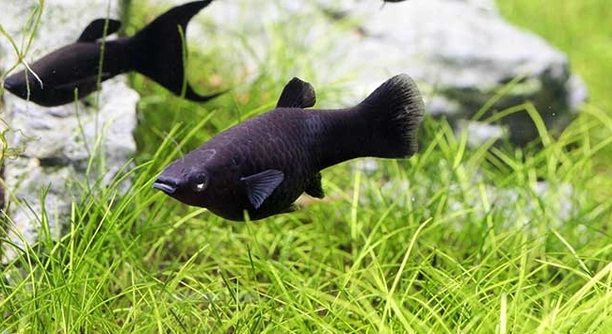
Do you ever notice your Black Molly swimming alone in its tank and wonder if it feels bored or lonely without companions? Many fish owners spend time thinking about the social needs of their aquatic pets.
Black Mollies are social fish, and while they can survive alone, they thrive in the presence of tank mates. Being kept alone may lead to stress, reduced activity, and limited social interactions that impact overall well-being.
Understanding the social habits of Black Mollies can help you create a happier and healthier tank environment for your pet fish.
Social Nature of Black Mollies
Black Mollies are naturally social fish that prefer to live in small groups. In a tank without companions, they may become less active, hiding more often and showing little interest in exploring their environment. They interact by swimming together, following each other, and sometimes nipping gently at fins. These behaviors are not aggressive but part of their natural communication. Providing at least two or three other compatible fish can help them feel more secure and encourage natural behavior. Without interaction, their stress levels may increase, which can weaken their immune system and make them more prone to illness. Observing your Black Molly over time can reveal whether it seems comfortable or restless. Signs like frantic swimming near the surface or lingering in one corner often indicate discomfort. Creating a balanced tank with enough space, proper plants, and hiding spots also supports their social behavior. A tank with companions and proper conditions keeps Black Mollies active and healthy.
Keeping multiple Mollies together reduces stress and encourages healthy interaction in the tank.
Black Mollies are happiest when they have companions that match their size and temperament. Smaller, passive fish are ideal tank mates, while aggressive or much larger species can intimidate them. They also benefit from a well-planted tank that offers hiding spots and open swimming areas. Temperature and water quality play a role in their comfort, but companionship is key to reducing boredom and anxiety. By observing interactions, owners can see if the fish are swimming together or avoiding each other. Introducing new fish slowly helps prevent sudden aggression and allows everyone to adjust. Overall, social interactions keep Black Mollies engaged, active, and less likely to develop health problems.
Signs of Loneliness in Black Mollies
A lonely Black Molly may appear listless, hiding frequently, or avoiding other areas of the tank.
When a Black Molly is isolated, it may show a lack of energy and reduced feeding response. Loneliness can lead to erratic swimming, staying near the bottom, or lingering in corners. In some cases, isolated Mollies develop repetitive swimming patterns, which signal stress. Providing companions often restores normal behavior and increases activity. Monitoring tank dynamics and adding compatible fish gradually can improve the fish’s mood. Proper water conditions, nutrition, and decorations also support healthy behavior. Observing changes over time helps owners respond effectively and maintain a lively, balanced tank environment. Ensuring they have suitable company promotes mental stimulation, reduces stress, and encourages natural movement, helping the Black Molly stay healthy and active while enjoying its surroundings.
Choosing Tank Mates
Choosing the right tank mates is essential for a peaceful aquarium. Black Mollies get along best with other peaceful species that are similar in size and temperament. Avoid aggressive or very large fish that could intimidate them.
Compatible tank mates include guppies, platies, and tetras. These species are active, peaceful, and enjoy similar water conditions. When adding new fish, introduce them gradually to prevent stress or territorial behavior. Observing interactions during the first few days ensures compatibility. Proper stocking levels and tank size also reduce conflict and allow each fish enough space to swim freely. Plants and hiding spots help create a balanced environment, giving fish areas to retreat if needed. Careful planning keeps your Black Mollies healthy, social, and comfortable with their companions.
Avoid overcrowding, as it can cause stress, aggression, and poor water quality.
Adding new tank mates requires patience and observation. Introduce one or two fish at a time, keeping the water clean and monitoring behavior closely. Ensure food is distributed evenly, so all fish get enough nutrition. Mollies appreciate open swimming areas combined with plants or decorations for shelter. Proper temperature, pH, and filtration are critical, as stressed or unhealthy water conditions can affect both the Mollies and their companions. Gradual introductions, careful observation, and attention to environmental factors help maintain harmony and promote natural social behaviors in your aquarium.
Feeding and Social Behavior
Feeding routines influence social interactions and activity levels in the tank. Mollies respond well to regular feeding schedules and a balanced diet, which helps maintain energy and engagement.
A varied diet of high-quality flake food, frozen or live options, and occasional vegetables keeps Black Mollies healthy and active. Feeding together encourages swimming and interaction, as fish often gather in groups during feeding times. Avoid overfeeding, which can pollute the water and cause aggression or lethargy. Observing feeding behavior provides insight into social dynamics, helping identify if a fish is stressed or isolated. Maintaining consistent feeding routines and offering nutritious food supports both health and social well-being, keeping your Mollies lively, interactive, and thriving in their aquatic environment.
Tank Size and Environment
A proper tank size is crucial for Black Mollies to feel secure and social. A small tank can increase stress and territorial behavior, while a larger tank provides enough space for swimming and interaction. Plants and hiding spots improve comfort and reduce conflict.
Water quality directly affects their social behavior. Regular water changes and filtration help maintain stable conditions. Mollies are sensitive to high nitrate levels and poor water parameters, which can make them withdrawn or aggressive. A well-maintained environment encourages natural swimming patterns, social activity, and healthier interactions with tank mates. Observing behavior in a clean, stable tank shows happier, more active fish.
Breeding Behavior
Black Mollies breed easily in a well-maintained community tank. Males often display fins and chase females, which is normal social behavior and part of their reproductive cycle.
Signs of Stress
Stress in Black Mollies can show as hiding, sluggish swimming, or refusal to eat. Prompt attention to environment and companions helps reduce stress.
FAQ
Do Black Mollies need tank mates?
Black Mollies are social by nature and do better with companions. While a single Molly can survive alone, it may become less active and show signs of stress. Having two or more Mollies together encourages natural swimming patterns, reduces anxiety, and supports overall well-being.
How many Black Mollies should I keep together?
A small group of three to five Mollies works well in a medium-sized tank. This number allows them to interact socially without overcrowding. Overcrowding can lead to aggression, competition for food, and deteriorating water quality, which can affect both health and behavior.
What are good tank mates for Black Mollies?
Peaceful species like guppies, platies, and small tetras make suitable companions. Avoid aggressive or much larger fish that could intimidate Mollies. Introducing new fish gradually helps prevent stress and ensures compatibility within the tank. Observing behavior during the first few days is important to catch any issues early.
Can a Black Molly get lonely if kept alone?
Yes, Mollies can feel bored or stressed when kept alone. They may hide frequently, swim less, or become restless. Adding compatible companions improves their activity levels and mental stimulation, promoting healthier behavior and stronger immune function.
How can I tell if my Molly is stressed?
Signs of stress include hiding for long periods, erratic swimming, loss of appetite, and faded colors. Stress can be caused by poor water conditions, lack of companions, or aggressive tank mates. Maintaining a clean tank with stable parameters and social companions helps reduce stress.
Do Black Mollies interact during feeding?
Yes, Mollies tend to swim together and gather around food during feeding times. This encourages social behavior and activity. Feeding routines should be consistent, offering balanced flake, frozen, or live food. Overfeeding should be avoided to prevent water quality issues and aggression.
How important is tank size for social behavior?
Tank size greatly affects activity and stress levels. A larger tank allows enough space for swimming, hiding, and social interaction. Small tanks can lead to territorial disputes or withdrawal. Proper decorations and plants give Mollies comfort and areas to explore, supporting natural behavior.
Can stress affect breeding?
Yes, stressed Mollies may reduce activity and breeding behavior. A calm, well-maintained environment with proper companions encourages natural mating. Males display fins and chase females during breeding, which is normal. Reducing stress through clean water, compatible tank mates, and stable conditions improves reproductive success.
How do I introduce new tank mates safely?
Introduce one or two fish at a time. Monitor behavior closely and provide hiding spots for everyone. Gradual introductions prevent aggression and allow Mollies to adapt to newcomers. Ensuring proper tank size and maintaining water quality supports smooth transitions.
What is the ideal water condition for Black Mollies?
They thrive in stable conditions with a temperature of 75–82°F, pH 7.0–8.5, and clean, filtered water. Poor water quality can cause lethargy, disease, and stress. Regular water changes, proper filtration, and monitoring of water parameters maintain a healthy environment for social interactions.
Can Black Mollies live with other livebearers?
Yes, they usually coexist well with platies, guppies, and swordtails. These species share similar water requirements and temperament. Avoid overcrowding and ensure enough swimming space. Observing feeding and social interactions helps prevent competition and aggression.
How long do Black Mollies typically live?
With proper care, Black Mollies can live three to five years. Social interaction, clean water, balanced nutrition, and a comfortable tank environment contribute to longevity. Loneliness or chronic stress can reduce lifespan, making tank companions an important factor.
Do Black Mollies show signs of bonding with other fish?
Mollies often swim together, follow each other, and display synchronized movements, which indicate comfort and social connection. These behaviors are natural and help reduce stress while keeping the group active and engaged.
Can a single Molly adapt to being alone?
Some Mollies adapt to solitude but may remain less active and show occasional stress signs. Providing environmental enrichment, hiding spots, and regular interaction through feeding can partially compensate, but a companion is ideal for optimal well-being.
What should I do if my Molly is aggressive?
Aggression is usually a response to overcrowding, small tank size, or incompatible tank mates. Remove aggressive fish if necessary, ensure enough space, and provide plants or decorations to reduce stress. Gradual introductions and observing behavior can prevent recurring issues.
Are Black Mollies active at all times?
They are naturally active during the day, exploring and interacting. Activity may decrease at night or if water conditions are poor. Providing space, clean water, and companions encourages consistent activity and healthier behavior.
How can I keep my Mollies entertained alone?
Adding plants, decorations, and open swimming areas helps keep a single Molly engaged. However, solitary enrichment cannot replace social interaction, which is essential for natural behavior and mental stimulation. Companions remain the best solution.
Do Black Mollies need hiding spots even with tank mates?
Yes, plants, rocks, and decorations give Mollies a sense of security. Hiding spots reduce stress, allow rest, and prevent conflict. Even in social groups, safe areas are essential for comfort and healthy social behavior.
Can Black Mollies live with aggressive fish if plenty of space is provided?
Even with space, aggressive fish can intimidate Mollies, leading to stress, hiding, and reduced activity. Peaceful companions remain the safer choice for a harmonious and active tank.
Black Mollies are naturally social fish that thrive in the company of others. Keeping a single Molly can be possible, but it often leads to stress, reduced activity, and less natural behavior. These fish are used to swimming together, exploring their environment, and interacting with companions. When they are alone, they may hide more often, swim less, or appear restless, which are subtle signs of discomfort. Providing compatible tank mates helps them feel secure, encourages natural behaviors, and supports overall health. Even a small group of three to five Mollies can make a big difference, allowing them to form simple social patterns that reduce anxiety and boredom.
Creating a suitable tank environment is just as important as the number of companions. Mollies need enough space to swim freely, explore hiding spots, and maintain a consistent routine. A medium to large tank with plants, rocks, and open swimming areas helps them feel safe and active. Proper water quality is essential, as Mollies are sensitive to poor conditions. Regular water changes, stable pH, proper temperature, and a balanced diet all contribute to their comfort and long-term health. Observing their behavior in a well-maintained tank can reveal whether they are active, interacting with others, and generally thriving. These small details can prevent stress, encourage social behavior, and ensure that Black Mollies live a longer, healthier life.
Feeding routines, compatible tank mates, and a comfortable environment all play a role in a Black Molly’s well-being. Regular feeding times with high-quality food provide mental stimulation and encourage natural social interactions. Introducing new fish gradually helps maintain harmony and reduces the risk of conflict. Mollies are active during the day and often gather together during feeding or exploring, which reinforces their social instincts. Even if a Molly must live alone temporarily, providing enrichment through plants, decorations, and safe spaces can partially compensate, but it cannot fully replace companionship. Overall, understanding their social needs, maintaining proper tank conditions, and observing their behavior are the best ways to ensure that Black Mollies are healthy, active, and content in their aquarium. By paying attention to these factors, owners can create a balanced and comfortable habitat that supports both the physical and mental well-being of these small, lively fish.

Hello,
If you enjoy the content that we create, please consider saying a "Thank You!" by leaving a tip.
Every little bit helps us continue crafting quality advice that supports the health, happiness, and well-being of pets around the world, for pets of all shapes, sizes, and species.
We really appreciate the kindness and support that you show us!