
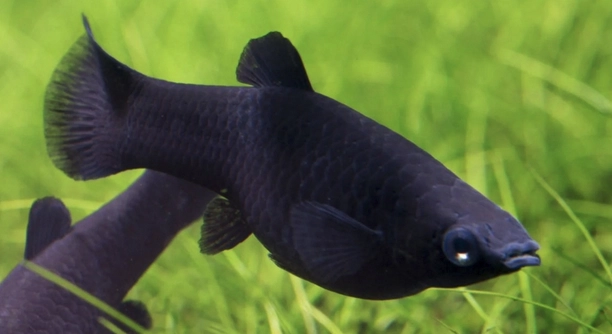
Black Mollies are popular aquarium fish, admired for their dark, shiny scales and peaceful nature. They are often kept in home tanks, adding beauty and calm movement to freshwater setups with ease and minimal effort.
Black Mollies can live alone, but they thrive better in groups. While solitary care is possible, social interaction with other mollies encourages healthier behavior, reduces stress, and promotes natural activity patterns, contributing to a more balanced and vibrant life.
Keeping one Black Molly alone is manageable, but understanding its needs can improve its overall health and happiness in your tank environment.
Understanding Black Molly Behavior
Black Mollies are naturally social fish. In a tank, they often swim together, explore, and communicate through subtle movements. Observing their behavior can tell you a lot about their comfort level. When kept alone, a Black Molly may still eat, swim, and respond to its environment, but subtle signs of stress can appear. It may hide more often or become less active. Their activity levels can drop, and colors might not appear as vibrant. Proper tank conditions are essential to compensate for the lack of social interaction. Temperature, pH balance, and water cleanliness all play a role in keeping a solitary Molly healthy. Providing hiding spots, plants, and decorations can give them a sense of security. Even without companions, these environmental adjustments encourage natural behavior, reduce stress, and can help mimic the social stimulation they would receive in a group. Regular monitoring ensures any changes are addressed promptly.
Keeping one Molly alone is feasible with careful attention to its environment and needs.
Adding plants, hiding spots, and varied decorations makes a solo Molly’s tank feel safer and more engaging. These elements provide mental stimulation and reduce boredom.
Tank Conditions for Solo Mollies
A single Black Molly needs stable water conditions to thrive. Temperature, pH, and cleanliness are all critical to its health.
Maintaining water quality is the key to keeping a solo Molly healthy. Filtered water and regular partial changes prevent stress and illness. Tank size matters too; a minimum of 10 gallons is recommended. While they can survive in a smaller tank, more space allows better swimming and activity. Decorations like rocks, caves, and plants give hiding spots and enrichment, which help a solitary fish feel more secure. Feeding should be consistent and include varied foods like flakes, vegetables, and occasional protein sources. Monitoring for signs of stress, like faded color or lethargy, allows early intervention. A solitary Black Molly may show more dependence on environmental stimuli, so providing interactive elements like floating plants or gentle water movement can improve mental and physical health. Proper lighting and a regular day-night cycle also contribute to a balanced life. Over time, you’ll notice increased activity and vibrant colors when conditions are ideal.
Feeding a Solo Black Molly
A single Black Molly requires a balanced diet to stay healthy. Regular feeding and variety help maintain color and energy. Overfeeding should be avoided, as leftover food can quickly pollute the tank.
Feeding a solo Black Molly involves offering a mix of flakes, frozen foods, and vegetables. They enjoy brine shrimp, daphnia, and finely chopped greens like spinach or lettuce. Feeding small portions two to three times a day ensures proper nutrition without fouling the water. Observation during feeding helps notice appetite changes, which can signal health issues. Proper nutrition supports growth, vibrant coloration, and immune health, making the fish more active and resilient.
It’s important to adjust portions based on the fish’s behavior and tank size. Removing uneaten food prevents water quality issues, which is crucial in smaller tanks. A consistent feeding schedule helps maintain routine and reduces stress. Adding occasional protein-rich treats encourages natural foraging behavior, keeping the fish mentally engaged. Monitoring the fish during feeding also strengthens understanding of its preferences and needs. Proper feeding balances health, water quality, and overall happiness for a solitary Molly.
Social Needs and Stimulation
Even alone, Black Mollies benefit from stimulation in their environment. Decorations, plants, and gentle water flow can mimic natural activity.
Providing a structured environment helps a solitary Black Molly remain active. Floating plants, rocks, and hiding spots offer exploration and security. Mirrors placed occasionally can stimulate activity, though they should not replace social interaction entirely. Observing the fish’s behavior shows whether enrichment is effective, such as increased swimming or brighter coloration. Regular interaction with its environment, like rearranging decorations, keeps the fish engaged. Adequate light cycles also support activity levels and natural rhythms.
Mental stimulation reduces stress and encourages healthy movement patterns. Solo Black Mollies may explore more when the tank offers variety, but predictability in the setup also provides comfort. Rotating decorations or adding new elements gradually prevents sudden stress. Enrichment supports physical activity, reduces boredom, and encourages natural behaviors like grazing and exploration. Even without companions, a carefully arranged tank promotes a sense of security and well-being. Environmental variety and consistency together maintain health, activity, and the fish’s vibrant appearance over time.
Tank Size Recommendations
A minimum of 10 gallons is recommended for a single Black Molly. More space allows for swimming, exploration, and reduces stress levels, making the fish more active and comfortable in its environment.
Extra space helps maintain stable water conditions. Larger tanks dilute waste more effectively, reducing ammonia spikes and keeping the fish healthier over time.
Water Quality Essentials
Stable water conditions are vital for a solitary Black Molly. Regular water testing, partial water changes, and proper filtration prevent stress and illness, supporting a longer and healthier life in the tank.
Health Monitoring
Observe your Black Molly daily for changes in color, activity, or appetite. Early detection of illness can prevent serious health issues.
FAQ
Can a Black Molly survive completely alone?
Yes, a Black Molly can survive alone if tank conditions are stable and proper care is provided. However, they are naturally social fish, so they may show signs of stress or reduced activity without companions. Providing environmental enrichment can help mimic social interaction.
How much space does a solo Black Molly need?
A minimum of 10 gallons is recommended. More space allows swimming, exploration, and helps maintain water quality. Extra volume reduces waste concentration, keeps ammonia and nitrite levels low, and provides a more comfortable environment, which is especially important for a fish living alone.
What is the best diet for a solitary Black Molly?
A varied diet is essential. High-quality flake foods, frozen or live protein sources like brine shrimp and daphnia, and occasional greens like spinach or lettuce keep a Molly healthy. Feeding small portions two to three times daily prevents overfeeding and keeps water quality stable.
Do Black Mollies get lonely?
Black Mollies are social by nature, so they may appear less active or explore less when alone. While they cannot express loneliness like humans, their behavior can indicate stress. Proper tank enrichment, such as plants, rocks, and hiding spaces, reduces boredom and encourages natural activity.
Can a single Black Molly become aggressive?
Aggression is rare in solitary Black Mollies. Most aggressive behavior occurs in crowded tanks or during mating competition. When alone, they are typically calm but may occasionally chase their own reflection in a mirror, which provides harmless stimulation if used sparingly.
How often should water be changed for a solo Molly?
Partial water changes of 20–30% once a week are recommended. Regular changes keep nitrate and ammonia levels low, maintain water clarity, and support overall fish health. Smaller tanks may require slightly more frequent changes to ensure stable conditions.
Do Black Mollies need companions for breeding?
Yes, at least one male and one female are required for breeding. A single Molly will not reproduce alone. If breeding is not a goal, keeping one fish is fine, but understanding their natural reproductive instincts can help explain behavior and occasional increased activity.
Can I keep a Black Molly with other types of fish?
Yes, they are peaceful and can coexist with other non-aggressive, similarly sized freshwater fish. Avoid fin-nipping or aggressive species. Tank compatibility depends on water conditions, temperature, and space. Proper observation ensures all species remain healthy and stress-free.
What signs indicate a solo Black Molly is stressed?
Signs include faded color, lethargy, hiding frequently, erratic swimming, or loss of appetite. These behaviors suggest the environment may need adjustment, such as adding plants, hiding spots, or ensuring water parameters are stable. Stress reduction is crucial for long-term health.
How long can a Black Molly live alone?
With proper care, a single Black Molly can live 3–5 years. Longevity depends on water quality, diet, tank size, and environmental enrichment. Regular monitoring and attentive care help ensure a healthy and active life even without tank mates.
Can a mirror replace other mollies for social interaction?
A mirror can provide temporary stimulation, causing the Molly to swim and explore more actively. However, it should not replace live companions, as social behaviors and interactions with other fish are more natural and beneficial for overall well-being.
Is it necessary to rearrange the tank for a solo Molly?
Occasionally rearranging decorations or adding new elements encourages exploration and mental stimulation. Sudden changes should be avoided, but small adjustments help prevent boredom and mimic the dynamic environment they would experience in a group setting.
Do Black Mollies need a heater when kept alone?
Yes, they prefer stable temperatures between 72–78°F. Maintaining consistent warmth is important, as temperature fluctuations can stress the fish, reduce immunity, and affect activity levels. Even alone, a heater ensures comfort and supports normal behavior patterns.
How do I know if my solo Molly is happy?
A healthy, active fish with bright colors, regular eating habits, and consistent swimming patterns indicates comfort. Curiosity, exploring the tank, and interacting with decorations are signs of a content Molly living alone. Monitoring these behaviors helps maintain a positive environment.
Can a solo Black Molly tolerate a smaller tank?
While survival is possible in tanks smaller than 10 gallons, it is not ideal. Limited space restricts swimming, reduces water quality stability, and may increase stress. Providing enrichment and maintaining strict water changes can help, but larger tanks are strongly recommended.
Are there specific plants or decorations that help a solo Molly?
Live plants, rocks, and hiding spaces offer security, exploration, and stimulation. Floating plants provide shade and simulate natural conditions, while caves or dense plants allow retreat when the fish feels stressed. These elements improve activity and overall well-being.
How often should I feed a single Molly?
Two to three small feedings per day are ideal. Observing the fish ensures proper portions are given, preventing overfeeding and maintaining water quality. Varying foods like flakes, vegetables, and occasional protein supports a balanced diet.
Can a solo Molly survive long-term without enrichment?
Survival is possible, but lack of stimulation may lead to stress, reduced activity, and duller coloration. Environmental enrichment mimics social interaction and keeps the fish mentally and physically engaged, supporting long-term health.
Should I monitor my solo Molly more closely than a group?
Yes, without companions, behavioral changes may be subtler. Daily observation helps detect early signs of illness, stress, or inactivity. Monitoring water parameters, feeding, and activity ensures the fish remains healthy and happy over time.
Is it okay for a solo Molly to see its reflection?
Occasionally, yes. Mirrors can provide short-term stimulation, encouraging movement and exploration. Extended use should be avoided, as it cannot fully replace real social interaction and may eventually lead to mild frustration or stress.
How can I encourage natural behavior in a solo Black Molly?
Providing varied tank features, live plants, hiding spots, and gentle water flow encourages natural swimming, grazing, and exploring. Occasional rearrangement and varied feeding routines also help mimic the dynamic environment of a group, supporting physical and mental health.
Can a Black Molly thrive alone in the long term?
Yes, with proper tank size, water quality, diet, and enrichment, a solo Molly can live a healthy, active life. Careful observation and attentive management of environmental needs are essential for maintaining well-being over several years.
Black Mollies are flexible fish that can live alone, but their natural social instincts mean they often do better with companions. When kept solo, they rely heavily on the environment to stay active and healthy. Providing a properly sized tank with stable water conditions is essential. A minimum of 10 gallons is recommended, but larger tanks are always better, as they reduce stress and give the fish room to swim freely. Water quality is particularly important for a single Molly because waste is not diluted by other fish. Regular partial water changes and proper filtration help maintain ammonia and nitrate at safe levels. Temperature consistency between 72–78°F is also critical, as fluctuations can stress the fish. By focusing on these basic needs, a solitary Black Molly can maintain vibrant coloration, stay active, and avoid health problems that can arise from a poorly maintained tank.
Feeding is another important aspect of keeping a solo Black Molly healthy. A varied diet ensures they receive all necessary nutrients. High-quality flakes, frozen or live protein sources, and occasional vegetables such as spinach or lettuce provide balanced nutrition. Feeding small amounts two to three times daily prevents leftover food from polluting the water while keeping the fish satisfied. Observation during feeding is also useful, as changes in appetite can indicate stress or illness early. Treats like brine shrimp or daphnia can stimulate natural foraging behavior and provide enrichment. A consistent feeding routine, combined with a variety of foods, supports overall health and helps a solo Molly maintain energy levels and a lively temperament.
Even when alone, mental stimulation is crucial for a Black Molly’s well-being. Decorations, live plants, and hiding spots give the fish places to explore and feel secure. Rearranging the tank occasionally can encourage activity, while floating plants and gentle water flow mimic a more natural environment. Mirrors can provide temporary stimulation, but they should be used sparingly and never as a replacement for proper enrichment. Watching a Molly interact with its surroundings can be satisfying and allows for early detection of any behavioral changes. By carefully managing the tank’s environment, diet, and daily care, a solitary Black Molly can live a long, healthy, and relatively happy life. Attention to detail ensures that even without companions, the fish can thrive and display its natural behaviors, bright colors, and energetic movement in the tank.

Hello,
If you enjoy the content that we create, please consider saying a "Thank You!" by leaving a tip.
Every little bit helps us continue crafting quality advice that supports the health, happiness, and well-being of pets around the world, for pets of all shapes, sizes, and species.
We really appreciate the kindness and support that you show us!